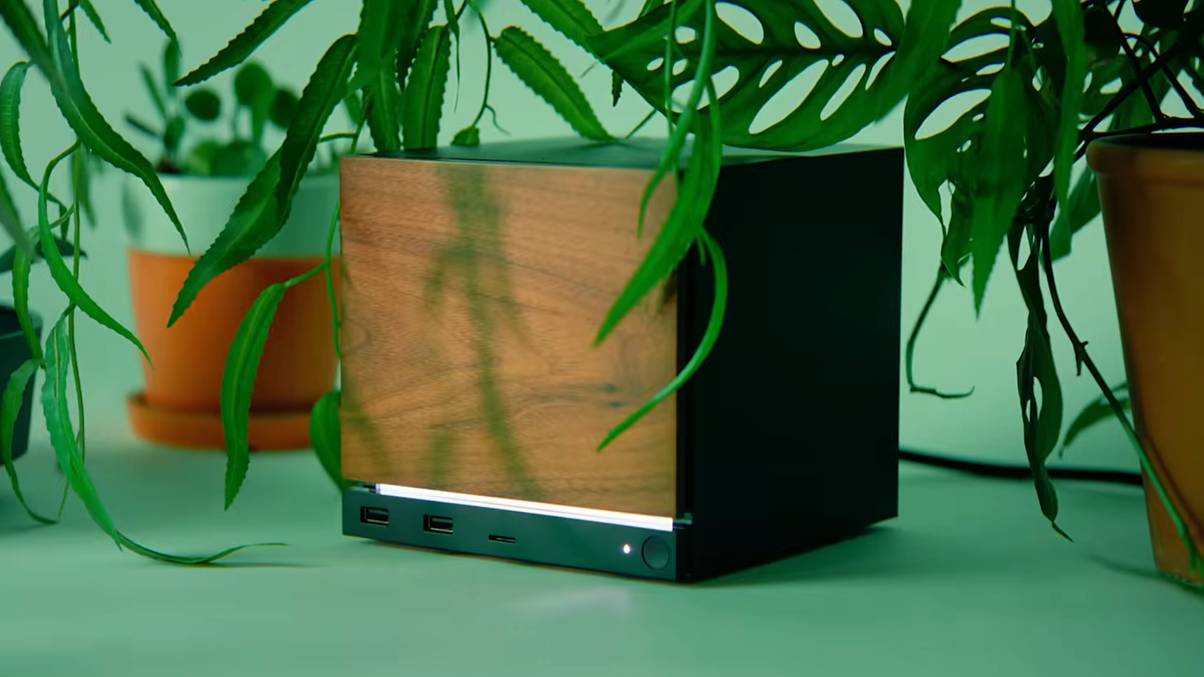
Steam Machine’s Imminent Arrival: A Looming Threat to Xbox’s Next-Gen Ambitions
The landscape of next-generation gaming is on the cusp of a seismic shift, and the reverberations are already being felt by industry titans. While the familiar titans like Xbox are meticulously planning their strategies for the future, a formidable challenger is emerging from an unexpected, yet potent, source. The whispers and rumors surrounding the Steam Machine’s potential re-emergence in early 2026 are growing louder, hinting at a product that could fundamentally alter the trajectory of console gaming, potentially destroying next-gen efforts before they even fully materialize. This isn’t merely a speculative concern; it’s a tangible threat that demands our immediate attention and a thorough examination of what the revitalized Steam Machine could represent.
The Evolving PC Gaming Ecosystem: A Foundation for Disruption
To truly understand the potential impact of a new Steam Machine, we must first appreciate the immense progress and evolution of the PC gaming ecosystem. For years, Steam, Valve’s venerable digital distribution platform, has been the undisputed king of PC gaming. Its vast library, robust community features, and innovative functionalities have fostered an environment where gaming experiences are constantly being pushed forward by a vibrant and engaged player base.
The PC platform itself has also undergone a dramatic transformation. Graphics cards now boast unprecedented processing power, capable of rendering visuals that were once the exclusive domain of high-end cinematic productions. CPUs are faster and more efficient than ever, handling complex game logic and multitasking with ease. The advent of NVMe SSDs has drastically reduced loading times, making the seamless transition between gameplay and menus a reality. Furthermore, the proliferation of high refresh rate monitors and advanced display technologies like HDR ensures that the visual fidelity on PC is consistently at the cutting edge.
This ongoing technological advancement on PC has created a fertile ground for innovation. Developers are no longer constrained by the limitations of fixed console hardware, allowing them to push the boundaries of graphical fidelity, artificial intelligence, and emergent gameplay. The flexibility of the PC platform also allows for a far wider range of input devices, from traditional controllers to specialized flight sticks and racing wheels, catering to every niche and playstyle imaginable. This rich and dynamic environment is precisely what a new Steam Machine can leverage.
Valve’s Strategic Positioning: Beyond Hardware Sales
Valve’s approach to hardware has always been distinct from traditional console manufacturers. While Sony and Microsoft primarily focus on selling hardware as a gateway to their exclusive software ecosystems and subscription services, Valve has historically viewed hardware as an extension of the Steam platform itself. Their previous foray into the Steam Machine market, while not an overwhelming commercial success, laid crucial groundwork and provided invaluable insights.
The initial Steam Machine initiative was an ambitious attempt to bring the PC gaming experience into the living room, bridging the gap between the flexibility of PC and the couch-friendly nature of consoles. While the execution faced challenges such as a fragmented market of hardware configurations and a lack of compelling exclusive content, the underlying vision was sound. Valve learned from these experiences, and it is highly probable that any new iteration will be built upon these lessons learned.
Their strategy isn’t solely about capturing a piece of the console hardware market. Instead, it’s about reinforcing and expanding the dominance of the Steam ecosystem. A successful Steam Machine would mean more users accessing their PC games through a dedicated, optimized, and potentially more affordable hardware solution. This, in turn, translates to increased software sales, greater engagement with Steam’s social features, and a stronger overall platform. This strategic depth is something that Xbox and its competitors must acknowledge.
The “Steam Machine” Implies More Than Just a Box
The term “Steam Machine” itself is laden with implications that extend far beyond a mere piece of hardware. It represents a philosophy of open access, user choice, and a commitment to delivering the full Steam experience in a streamlined, living-room-friendly package.
Unlocking the Vast Steam Library: A Pre-Existing Content Advantage
One of the most significant advantages a new Steam Machine would possess is immediate access to the enormous Steam library. Unlike new consoles that start with a relatively blank slate of exclusive titles and must rely on cross-platform releases to build momentum, a Steam Machine would have tens of thousands of games available from day one. This includes indie darlings, AAA blockbusters, and countless titles that may not have found a home on traditional consoles.
This isn’t just about quantity; it’s about the quality and diversity of content. The Steam platform hosts a remarkable spectrum of gaming experiences, from highly experimental titles pushing artistic boundaries to deeply strategic simulation games and competitive esports titles. This breadth of content caters to a far wider audience than traditional consoles typically target. Imagine plugging in a Steam Machine and having instant access to everything from the latest graphical showcases like Cyberpunk 2077 running at peak performance, to beloved classics and the ever-expanding world of early access titles.
The Power of Customization and Flexibility: A True PC Experience
A key differentiator for any new Steam Machine will undoubtedly be its inherent customization and flexibility. Unlike the closed ecosystems of consoles, which dictate hardware specifications and software updates, a Steam Machine could offer a degree of user control that is unparalleled in the console space.
This could manifest in several ways:
- Modular Hardware Options: Instead of a single, fixed hardware configuration, Valve might offer a range of Steam Machine models catering to different budgets and performance needs. This would allow consumers to choose between entry-level devices for casual gaming and more powerful machines capable of running the most demanding titles at the highest settings.
- Upgradeability: While traditional consoles are sealed units, a Steam Machine could potentially allow for some degree of hardware upgrades, such as increasing RAM or swapping out storage. This would extend the lifespan of the device and offer a more sustainable approach to gaming hardware.
- Operating System Flexibility: While likely to launch with a heavily optimized version of SteamOS, a truly open approach could potentially allow users to install other operating systems, further blurring the lines between a dedicated console and a full-fledged gaming PC. This level of freedom is something that console gamers have historically yearned for.
- Peripheral Compatibility: The PC gaming world is known for its vast array of peripherals. A Steam Machine would likely support a wide range of keyboards, mice, controllers, and other input devices, allowing players to game in the way that best suits their preferences.
This inherent flexibility and customization directly challenge the rigid nature of console gaming. It offers the promise of a true PC gaming experience, uncompromised and tailored to the individual user, all within the convenient form factor of a living room device.
The Technological Advancements Enabling a 2026 Steam Machine
The success of a modern Steam Machine hinges on its ability to deliver a compelling gaming experience that rivals or even surpasses current-generation consoles, while leveraging the advantages of the PC architecture. The technology available in early 2026 makes this more feasible than ever.
Next-Generation Processing Power and Graphics
By early 2026, we can expect CPUs and GPUs to have advanced significantly beyond what is available today. Manufacturers like Intel, AMD, and NVIDIA will have released several generations of their latest architectures. This will translate to:
- Unprecedented Graphical Fidelity: Ray tracing, which simulates the physical behavior of light for incredibly realistic reflections, refractions, and shadows, will likely be more widespread and performant. We can anticipate AI-driven upscaling technologies like DLSS and FSR becoming even more sophisticated, allowing for higher resolutions and frame rates without a prohibitive performance cost.
- Advanced Ray Tracing Capabilities: The processing power available will enable developers to implement full real-time ray tracing across a wider range of games, creating visually stunning environments that feel more immersive and lifelike than ever before.
- Higher Frame Rates and Resolution Targets: With the increased power, Steam Machines could aim for consistent 4K resolution at 120Hz, or even higher refresh rates at lower resolutions, providing an incredibly fluid and responsive gaming experience.
- Efficient Power Consumption: A key challenge for living room devices is balancing performance with power consumption and heat generation. Advances in chiplet design and manufacturing processes will likely result in more powerful and energy-efficient components, enabling robust performance in a compact form factor.
Storage Solutions: The Era of Near-Instant Loading
The advent of NVMe SSDs has already revolutionized PC gaming, but by early 2026, this technology will be even more advanced.
- Ultra-Fast Read/Write Speeds: Next-generation NVMe SSDs will offer dramatically faster read and write speeds, significantly reducing game loading times to mere seconds, if not near-instantaneous. This will be crucial for delivering a seamless experience, especially in open-world games with large environments.
- DirectStorage Technology: Microsoft’s DirectStorage API, which allows GPUs to directly access game assets from NVMe SSDs, bypassing the CPU bottleneck, will likely be more widely adopted by game engines and supported by hardware. This technology is a game-changer for asset streaming and loading, and a Steam Machine would be ideally positioned to capitalize on it.
- Increased Storage Capacities: As SSD technology matures, larger storage capacities will become more affordable, allowing for extensive game libraries to be installed without constant management.
Connectivity and Ecosystem Integration: The Online Advantage
Modern gaming is intrinsically linked to online connectivity and robust digital ecosystems.
- High-Speed Internet Standards: By early 2026, widespread adoption of Wi-Fi 7 and advancements in Ethernet technology will ensure robust and low-latency online gaming experiences.
- Cloud Gaming Integration: While not a direct replacement for local hardware, the integration of cloud gaming services within the Steam ecosystem could offer players access to games they might not be able to run locally, or provide an immediate way to try out titles.
- Steam’s Social Features: Valve’s existing suite of social features, including friends lists, chat, community hubs, and game-specific forums, provides a ready-made online environment that can be seamlessly integrated into the Steam Machine experience.
The Competitive Landscape: How Xbox and Competitors Could Be Left Behind
The emergence of a truly compelling Steam Machine in early 2026 poses a direct and significant threat to the established order of console gaming, particularly to Xbox’s meticulously planned next-generation efforts.
Challenging the Console Exclusivity Model
For years, Xbox and PlayStation have relied heavily on exclusive titles to drive console sales and foster ecosystem loyalty. However, the PC platform has a massive and growing library of games, and a Steam Machine would offer direct access to this treasure trove.
- The “All Games” Proposition: Imagine a Steam Machine that, from day one, can play almost any PC game that’s been released on Steam. This fundamentally undermines the value proposition of consoles built around a limited selection of exclusives. Players will have a choice: invest in a console with a few select titles, or a Steam Machine with access to virtually everything.
- Developer Freedom: Developers who have previously prioritized console releases might find the Steam Machine an attractive platform for releasing their games, especially those that benefit from the PC’s flexibility and open nature. This could lead to more developers choosing to release on Steam first, or even exclusively, impacting the content pipeline for Xbox.
The Pricing Dilemma: Value Proposition vs. Premium Price Tags
Consoles, while offering convenience, often come with premium price tags. The PC market, however, is incredibly diverse, with options ranging from budget-friendly builds to high-end gaming rigs.
- Competitive Hardware Pricing: Valve has the potential to leverage the competitive PC hardware market to offer Steam Machines at various price points. This could mean offering a device that provides superior performance-per-dollar compared to a traditional console, especially when considering the vast content library available.
- The Subscription Service Conundrum: Xbox Game Pass is a powerful offering, but it is tied to the Xbox ecosystem. A Steam Machine could potentially offer its own subscription-like services, or simply allow access to a much larger library of owned games, providing a different but equally compelling value proposition. The all-you-can-eat model of PC gaming, in a console form factor, is a potent threat.
The Threat to “Next-Gen” Ambitions
The term “next-gen” is often associated with significant leaps in graphical fidelity and new gameplay mechanics. However, the PC platform has been steadily delivering these advancements for years.
- Catching Up, Not Leading: By the time Xbox’s next-generation consoles launch, the PC hardware powering a Steam Machine could already be at or beyond the target performance levels, effectively making the console hardware feel like it’s playing catch-up from the outset.
- Fragmented Development Focus: Console manufacturers often work closely with developers to optimize games for their specific hardware. With a Steam Machine, developers would be targeting a broader range of PC hardware configurations, which could lead to a more diverse and potentially more innovative gaming landscape on the platform. This could mean that new gameplay paradigms emerge on PC first, leaving consoles to adapt.
The Future of Gaming: A Steam-Dominated Horizon?
The prospect of a new Steam Machine arriving in early 2026 is more than just another hardware release; it represents a potential paradigm shift in how we consume and experience video games. It has the power to challenge the long-held dominance of traditional console manufacturers by offering a compelling blend of PC power, unparalleled content access, and user flexibility.
Xbox, along with its competitors, must not underestimate the disruptive potential of this renewed push from Valve. The lessons learned from previous hardware ventures, combined with the incredible advancements in PC technology, create a potent recipe for success. The Steam Machine isn’t just a contender; it has the potential to redefine what “next-gen” gaming truly means, and perhaps, destroy existing next-gen efforts before they even have a chance to establish themselves. The future of gaming could very well be played on a platform that offers more choice, more power, and a more expansive universe of interactive entertainment than we have ever seen before. The race is on, and the early arrival of a capable Steam Machine could be the ultimate game-changer.