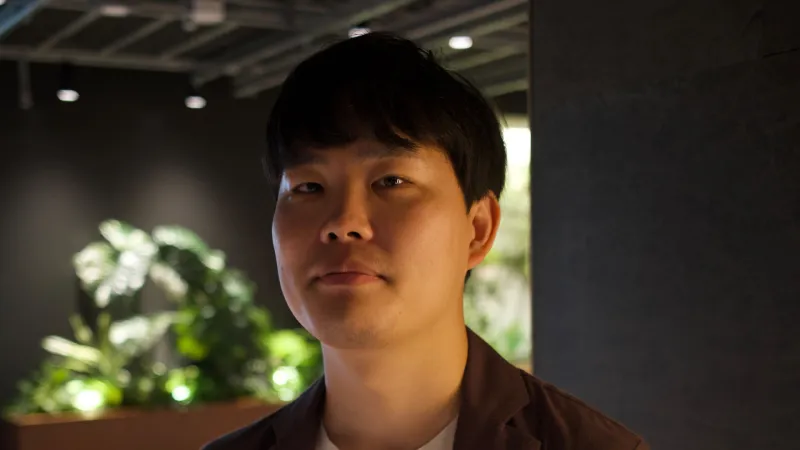
Who is Takeshi Ichikawa, the Producer Shaping Dragon Quest VII: Reimagined?
The anticipation surrounding Dragon Quest VII: Reimagined is palpable. As fans eagerly await this updated classic, many are curious about the individuals guiding its development. At the helm is Takeshi Ichikawa, a producer whose passion for the Dragon Quest series and dedication to honoring its legacy are shaping this highly anticipated remake. At Gaming News, we delve into Ichikawa’s background, influences, and vision for Dragon Quest VII: Reimagined, offering a comprehensive look at the man behind the magic.
From Fan to Facilitator: Ichikawa’s Journey into Game Development
Ichikawa’s story is a testament to the power of dreams and dedication. Like many, his love for video games began in childhood. The dream of becoming a game developer propelled him to pursue a career in the industry. His journey is not one of instant stardom, but of gradual progression, building on his love of gaming and the legendary Dragon Quest series.
A Lifelong Passion for Dragon Quest
“I’ve been playing video games all my life,” Ichikawa reflects, emphasizing that the drive to develop games has been a constant throughout his life. His affection for Dragon Quest is deeply rooted, stemming from his early experiences with the series. The stories fascinated him, and the intricate gameplay hooked him. It’s this lifelong engagement with the franchise that gives him a unique perspective and commitment as a producer.
Starting at Square Enix
Ichikawa’s career officially began at Square Enix, a dream destination for many aspiring developers. In his early days, Ichikawa was open to any role that allowed him to contribute to game creation. This flexibility and willingness to learn helped him get his foot in the door and eventually led him to the Dragon Quest team.
A Humble Beginning: Assistant Producer Roles
Ichikawa’s initial roles within the Dragon Quest franchise were as an assistant producer on titles such as Dragon Quest Builders 2 and Dragon Quest XI S: Echoes of an Elusive Age - Definitive Edition. These experiences provided invaluable insights into the complexities of game development, team management, and the nuances of the Dragon Quest universe.
Dragon Quest Builders 2: A Foundation in Creativity
His work on Dragon Quest Builders 2 allowed him to explore the creative aspects of the franchise. Ichikawa honed his skills in understanding player engagement and ensuring a smooth development process. This role gave him a foundation in project management and collaboration.
Dragon Quest XI S: Mastering the Epic Scale
Dragon Quest XI S offered a different set of challenges, focusing on optimizing and expanding a critically acclaimed title for multiple platforms. Ichikawa gained a deeper understanding of adapting games for diverse audiences and the intricacies of large-scale projects.
Taking the Helm: Producing Dragon Quest VII: Reimagined
With his experience and passion, Ichikawa stepped into the role of producer for Dragon Quest VII: Reimagined. This position brings significant responsibility, requiring him to oversee all aspects of the game’s development, from visual design to narrative adjustments and combat mechanics.
The Pressure and the Privilege
Ichikawa acknowledges the inherent pressure that comes with remaking a beloved classic like Dragon Quest VII, particularly given its status as one of the best-selling PlayStation titles in Japan. However, he embraces the challenge, recognizing the unique opportunity to revitalize the game for a new generation while staying true to its core essence.
Collaboration with Yuji Horii: Respecting the Vision
Crucial to the success of any Dragon Quest title is the involvement of Yuji Horii, the creator of the series. Ichikawa emphasizes the collaborative nature of their relationship. He carefully sought Horii’s guidance and feedback on key aspects of the remake, including the visuals, narrative adjustments, and combat system.
Visuals: The Handcrafted Doll Style
One of Ichikawa’s key proposals to Horii was the adoption of a distinctive “handcrafted doll style” for the game’s visuals. This aesthetic aims to capture the charm and whimsy of the original while leveraging modern technology to create a visually stunning experience.
Narrative Adjustments: Enhancing the Story
Recognizing the importance of the narrative in Dragon Quest, Ichikawa proposed making adjustments to the game’s storyline. He sought to enhance the pacing, improve character development, and add new layers of depth to the overall narrative.
Combat Adjustments: Streamlining the Experience
Ichikawa also focused on refining the combat system. His goal was to make it more accessible and engaging for modern players while retaining the strategic depth that defines Dragon Quest battles. Horii emphasized the importance of ensuring the combat was “easy to digest and understandable” for players of all skill levels.
Horii’s Confidence: A Testament to Ichikawa’s Abilities
Yuji Horii has expressed his confidence in Ichikawa and the entire development team. He appreciates their innovative approach to the remake. He specifically praised the “doll aesthetics” and the “diorama elements on the field,” highlighting the team’s ability to capture the essence of Dragon Quest while introducing fresh and exciting elements.
Influences and Inspirations: Shaping Ichikawa’s Vision
Ichikawa’s vision for Dragon Quest VII: Reimagined is shaped by a combination of his personal experiences with the series and his understanding of modern gaming trends.
Dragon Quest Monsters: Terry’s Wonderland: A Formative Experience
Dragon Quest Monsters: Terry’s Wonderland holds a special place in Ichikawa’s heart as his first Dragon Quest experience. He recalls the excitement of battling monsters and the thrill of acquiring new creatures to join his party. This early exposure to the series instilled in him a deep appreciation for its engaging gameplay and captivating world.
The Enduring Appeal of Dragon Quest’s Story
Ichikawa attributes the enduring popularity of Dragon Quest to its captivating stories. He believes that the stories resonate with players of all ages, offering both lighthearted humor and profound emotional depth.
Resonance Across Generations
Ichikawa notes that the stories offer new layers of meaning as players mature. The ability to resonate with multiple generations is a testament to the enduring quality of Dragon Quest’s storytelling.
The Iconic Slime: A Symbol of Versatility
No discussion about Dragon Quest is complete without mentioning the iconic slime. Ichikawa recognizes the slime’s importance as a symbol of the series. He appreciates its versatility and its ability to adapt into various forms, making it a beloved character for fans worldwide.
The Horii-esque Elements: Capturing the Essence of Dragon Quest
Ichikawa emphasizes the importance of preserving what he calls the “Horii-esque” elements in Dragon Quest VII: Reimagined. These elements include the humor, jokes, dialogue, and overall lighthearted tone that define the series.
Balancing Epic Storytelling with Relatability
Ichikawa believes that the series’ strength lies in its ability to tell epic stories while maintaining a sense of relatability. This balance makes the games accessible and engaging for a broad audience.
Dragon Quest VII: Reimagined - A Game in Good Hands
Takeshi Ichikawa’s journey from passionate fan to producer of Dragon Quest VII: Reimagined is a remarkable story. His deep understanding of the series, his collaborative spirit, and his commitment to preserving its essence make him the perfect person to lead this highly anticipated remake. With Ichikawa at the helm, Dragon Quest VII: Reimagined is poised to deliver a fresh and captivating experience for both long-time fans and newcomers alike. We at Gaming News believe that Ichikawa is doing a great service to the Dragon Quest franchise.