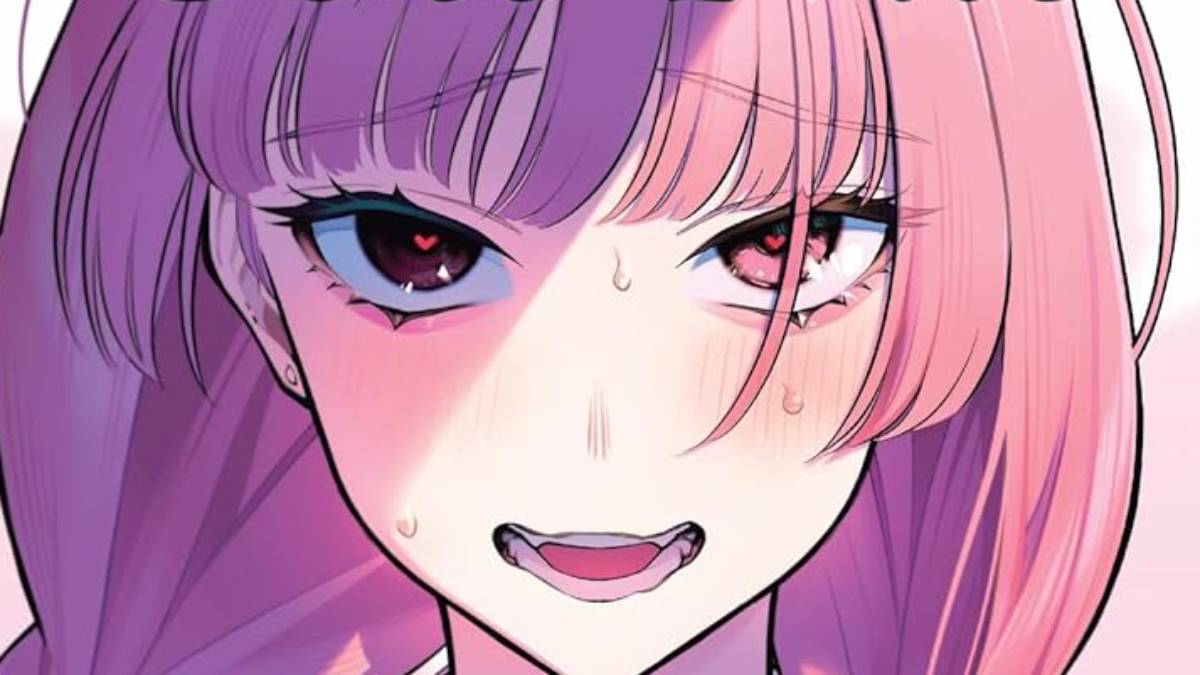
“What Do You Call This Trash” Manga: A Deep Dive into the Fraught Landscape of Unhealthy Relationships
The world of manga, particularly through the lens of single-volume works curated by publishers like Yen Press, often presents us with narratives that are not only self-contained but also profound explorations of the human psyche and the intricate web of our connections. “What Do You Call This Trash,” a 348-page tome penned by Tetsukazu, stands as a compelling testament to this phenomenon. This manga delves with unflinching detail into the development of unhealthy relationships, dissecting the insidious influence of specific personality traits and the pervasive impact of abuse. Crucially, it doesn’t merely present these toxic dynamics; it illuminates the arduous journeys of its characters as they navigate recovery and reshape their lives through significant personal growth. While the depiction of individuals pushed to extreme behaviors can be deeply disturbing, the manga ultimately offers a heartening perspective on healing and individual evolution.
Deconstructing the Core Unhealthy Dynamics: Akira’s Obsession and Yuuto’s Complicity
From its initial pages, “What Do You Call This Trash” thrusts us into the heart of two immediately recognizable toxic relationships. The first and most prominent is Akira’s all-consuming obsession with Kai. This fixation manifests in deeply disturbing and terrifying ways, including relentless stalking, trespassing into Yuuto’s personal space to eavesdrop and observe, and trailing Kai outside of school, even going so far as to pursue his new girlfriend. The sheer intensity of Akira’s behavior paints a chilling portrait of a mind consumed by an unhealthy attachment, a situation Kai himself clearly recognized and attempted to extricate himself from.
Simultaneously, the “partnership” that blossoms between Akira and Yuuto is equally horrifying. This dynamic is a twisted symbiosis where Akira exploits Yuuto to gain access and violate boundaries in an utterly unhealthy manner. Yuuto, in turn, seizes this opportunity to get closer to a young woman in desperate need of professional intervention, all while surrendering his own ethical boundaries. These two intertwined dynamics are not merely causing palpable pain to Akira and Yuuto; they are inflicting collateral damage upon an unsuspecting individual, Kai, who remains largely unaware of the profound betrayal unfolding around him. This intricate dance of obsession and misguided assistance sets the stage for a complex narrative of damaged individuals caught in a destructive cycle.
The Corrosive Impact on Sibling Bonds: Kai and Yuuto’s Fractured Relationship
The immediate fallout from Akira’s unhealthy entanglements with both Kai and Yuuto inevitably casts a dark shadow over the relationship between the brothers themselves. The narrative meticulously unveils how Yuuto’s actions have fundamentally fractured their bond. We are privy to poignant flashbacks depicting the brothers’ past closeness, a time when Kai was a protective elder sibling, and Yuuto idolized him. However, instead of reciprocating this loyalty, Yuuto allows his older brother’s boundaries to be systematically violated to facilitate his own proximity to his crush. As readers, we are compelled to question the very fabric of their brotherhood, pondering whether Yuuto’s complicity in such damaging behavior is even forgivable.
This element of the story highlights a crucial aspect of unhealthy relationship dynamics: their tendency to ripple outwards, impacting even the most intimate connections. Yuuto’s misplaced priorities and his willingness to sacrifice Kai’s well-being for his own fleeting desires reveal a profound immaturity and a deeply flawed moral compass. The narrative doesn’t shy away from presenting Yuuto as the primary architect of this fraternal rift, emphasizing the devastating consequences of prioritizing personal infatuation over familial loyalty and ethical responsibility. The manga forces us to confront the uncomfortable truth that sometimes, the most significant damage can be inflicted within the confines of what should be our safest relationships.
Kai’s Perilous Position: Caught Between Protection and Poor Judgment
The narrative further complicates itself by examining Kai’s precarious position within these unfolding events. He is portrayed as an exceptionally intelligent and astute individual, capable of sensing that something is amiss. While it takes him some time and careful observation to fully grasp the intricate web of deceit, his awareness grows. However, his understanding of the exact situation remains incomplete, leading him to take actions ostensibly to protect his younger brother. While these protective instincts are understandable and, in a certain light, noble, they are also demonstrably unwise and carry the potential to inflict further harm on yet another innocent party.
Kai’s predicament underscores a common pitfall within codependent and unhealthy relationship structures: the well-intentioned but ultimately misguided attempts to “fix” or protect others without fully comprehending the root causes of their distress. His desire to shield Yuuto, stemming from his ingrained protective nature, blinds him to the potentially disastrous consequences of his interventions. This aspect of the story serves as a potent reminder that even those with good intentions can become entangled in and perpetuate unhealthy cycles if their actions are not guided by a complete understanding of the situation or a willingness to confront difficult truths. The manga expertly illustrates how even acts of perceived kindness can become detrimental when they enable or overlook underlying problematic behaviors.
Tetsukazu’s Nuanced Portrayal: Beyond Simple Drama
What elevates “What Do You Call This Trash” beyond a mere depiction of drama in toxic relationships is Tetsukazu’s deliberate effort to showcase the severity of these situations. There are moments when Yuuto is acutely aware of his moral descent and the dire straits of the relationships he’s involved in. He even makes half-hearted attempts to curb Akira’s obsessive pursuit of Kai. However, his own infatuation and the perceived benefits of his arrangement with Akira prevent him from fully disengaging or severing ties. Similarly, Kai, despite making some initial missteps, increasingly recognizes when things have spiraled too far and begins to make more judicious choices.
This nuanced portrayal is critical. It avoids painting characters in stark black and white, instead opting for a more complex, shades-of-gray approach. The manga acknowledges the internal struggles and moments of clarity that even individuals caught in the throes of unhealthy dynamics might experience. This realism makes the characters and their predicaments all the more believable and impactful. It demonstrates that escaping toxic relationship patterns is rarely a simple or instantaneous process, often involving internal conflict and a gradual awakening to the true nature of the situation. The gradual realization and hesitant attempts at correction make the eventual growth more earned and resonant.
Unearthing the Roots: Backstories as Keys to Understanding
A significant strength of “What Do You Call This Trash” lies in Tetsukazu’s masterful integration of characters’ backstories. The manga thoughtfully explores the situational contexts and personal histories that have shaped each individual’s journey into these unhealthy relationship dynamics. While Akira’s behavior is undeniably problematic, and no excuse can fully absolve her actions within her relationships with Kai and Yuuto, understanding her past provides a crucial context for her obsessive tendencies. Similarly, glimpses into the backgrounds of Yuuto and Kai illuminate the origins of their responses and the choices they make.
This approach is vital for a comprehensive understanding of why toxic relationships form. By revealing the underlying vulnerabilities, past traumas, or learned behaviors that contribute to these destructive patterns, the manga moves beyond simple condemnation. It encourages empathy and offers a deeper insight into the complex interplay of psychological factors that can lead individuals down such damaging paths. The inclusion of these backstories transforms the narrative from a mere cautionary tale into a more profound exploration of the human condition, acknowledging that often, individuals are products of their experiences and environments. This layered storytelling prevents the manga from feeling preachy and instead fosters a more introspective reader experience.
A Cautionary Tale for Healthier Futures: The Enduring Message of “What Do You Call This Trash”
Ultimately, “What Do You Call This Trash” is far more than a manga saturated with drama in toxic relationships; it is a profound commentary on why these dynamics are so terrifying and damaging. Tetsukazu expertly crafts a narrative that never glorifies the destructive behaviors depicted. Instead, the manga serves as a powerful illustration of how individuals like Akira, Kai, and Yuuto find themselves ensnared in these destructive cycles, the profound harm inflicted upon all involved, and the critical importance of severing such ties to forge a healthier path forward.
The manga functions as a potent cautionary tale, emphasizing the insidious nature of unhealthy attachments and the necessity of recognizing and addressing them. The way backstories are interwoven and different perspectives are showcased highlights every facet of these complex situations. This comprehensive approach ensures that the reader gains a holistic understanding of the motivations, consequences, and emotional toll associated with unhealthy relationship patterns.
Furthermore, the manga’s conclusion offers a sense of genuine hope and realism. The ending is not one of facile resolution but rather a testament to the growth of different individuals as they come to terms with their experiences and make conscious choices to heal and move forward. This nuanced depiction of recovery underscores the manga’s overarching message: while the journey through unhealthy relationships is fraught with pain and peril, personal transformation and the pursuit of healthier connections are indeed possible. The narrative leaves the reader with a lingering sense of the destructive potential of unchecked obsessions and misplaced loyalties, but also with a profound appreciation for the resilience of the human spirit and the possibility of genuine personal evolution.
The single-volume edition of “What Do You Call This Trash” manga is readily available through Yen Press, offering readers a compelling and thought-provoking exploration of the complexities of human connection and the vital importance of striving for healthier, more balanced relationships.