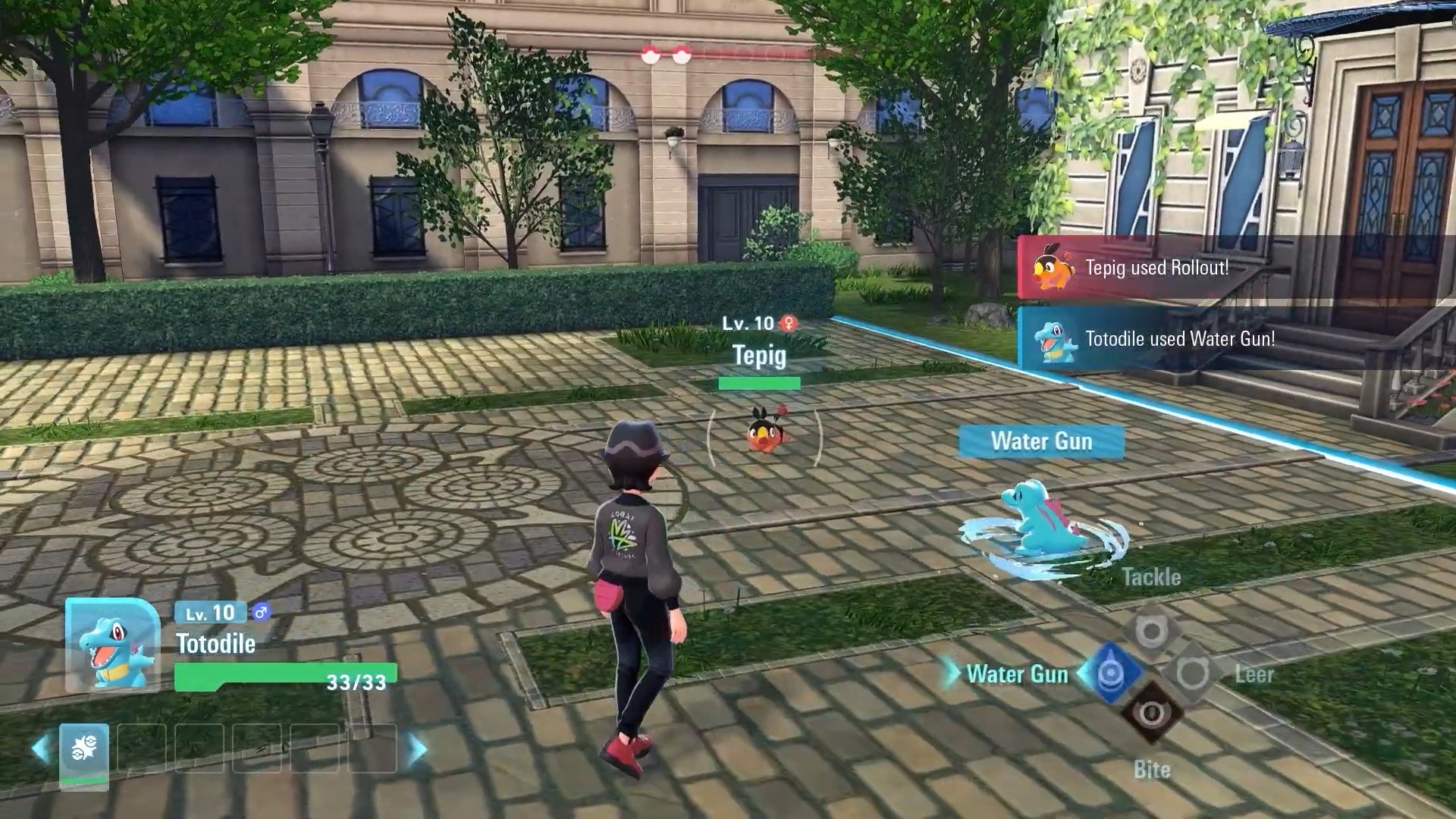
US Patent Office Director Orders Re-Examination of Nintendo’s Patent on Summoning Characters to Make Them Battle
The United States Patent and Trademark Office (USPTO), under the direction of its current director, has initiated a re-examination proceeding concerning a recently granted Nintendo patent pertaining to the summoning of characters within a video game environment, specifically for the purpose of engaging in combat. This decision arrives amidst escalating scrutiny and challenges to the validity of the patent, primarily fueled by assertions that prior art, particularly originating from older Konami and Nintendo patents, significantly overlaps with the claims delineated in Nintendo’s newly awarded intellectual property. This development carries substantial implications for the broader gaming industry, potentially impacting game design methodologies, monetization strategies, and the overall competitive landscape within the interactive entertainment sector. The re-examination process could force Nintendo to narrow the scope of its patent or even invalidate it entirely.
The Patent in Question: A Deep Dive into Summoning and Battling Mechanics
At the heart of this controversy lies a Nintendo patent that describes a system wherein characters, objects, or entities can be dynamically summoned into a game environment, often through specific actions or triggers initiated by the player. These summoned entities then participate in battles, adhering to pre-defined rules and parameters established within the game’s code. While the specifics of the patent claims are complex and legally nuanced, the core concept revolves around the integration of summoning mechanics with combat systems to create a distinct gameplay experience. The claims seemingly cover a broad range of implementations, encompassing everything from collectible card game-inspired summoning systems to real-time strategy elements that involve the tactical deployment of units. The patent also touches on aspects related to character attributes, skill sets, and the overall balancing of combat encounters. The concern, however, is whether these claimed innovations are truly novel or merely iterations upon existing technologies and design principles prevalent in the gaming industry for years.
Konami and Nintendo’s Prior Art: The Foundation of the Challenge
The challenge to Nintendo’s patent is primarily predicated on the existence of earlier patents, particularly those originating from Konami and, ironically, even Nintendo itself. These older patents, predating Nintendo’s newly granted patent, allegedly describe similar mechanisms for summoning characters or entities into a game world for the purpose of combat or interaction.
Konami’s Contributions: Precursors to Modern Summoning Systems
Konami, a long-standing giant in the video game industry, holds numerous patents relating to game mechanics and technologies. Specific Konami patents are believed to disclose features that resemble the summoning mechanics claimed by Nintendo. These patents, potentially originating from franchises like Yu-Gi-Oh! or other strategy-based titles, may demonstrate the concept of calling forth characters or monsters from a virtual deck or collection to engage in battles. The specifics of these Konami patents likely detail methods for selecting, deploying, and controlling these summoned entities, raising questions about the novelty of Nintendo’s claims. The precise overlap between Konami’s prior art and Nintendo’s patent will be the crux of the re-examination proceedings.
Nintendo’s Own History: Internal Conflicts with Innovation
The most striking aspect of this case is the assertion that Nintendo’s own prior patents could undermine the validity of their newly awarded intellectual property. It is not uncommon for companies to refine and improve upon their existing technologies, but the legal threshold for patentability requires that the claimed invention be demonstrably novel and non-obvious. If Nintendo’s older patents already disclose the core concepts of summoning characters for battle, it becomes exceedingly difficult to argue that the current patent represents a significant and patentable advancement. Details within older Pokemon titles, for example, may be scrutinized for similarities in monster deployment and combat systems. This internal contradiction presents a significant hurdle for Nintendo in defending the validity of its patent.
The Re-Examination Process: A Step-by-Step Analysis
The re-examination process at the USPTO is a formal procedure designed to assess the validity of a granted patent in light of newly discovered prior art. The process typically unfolds in the following stages:
- Request for Re-Examination: The process is initiated when a third party (or, in some cases, the USPTO Director) files a request for re-examination, accompanied by relevant prior art documents and a detailed explanation of why the patent claims are believed to be invalid or unpatentable. In this case, the Director’s order essentially acts as such a request.
- Initial Review: The USPTO conducts an initial review to determine whether the request raises a “substantial new question of patentability.” If the USPTO finds that a substantial new question exists, the re-examination proceeds.
- Patent Owner Response: The patent owner (in this case, Nintendo) has the opportunity to respond to the request for re-examination, arguing why the patent claims are still valid and distinguishable from the cited prior art. This response typically involves detailed legal arguments, expert testimony, and potentially amended claims to narrow the scope of the patent.
- Examiner Review: A patent examiner at the USPTO carefully reviews the request for re-examination, the patent owner’s response, and the cited prior art. The examiner then issues an initial determination, either confirming the patentability of the claims or rejecting them based on the prior art.
- Further Proceedings: If the examiner rejects the claims, the patent owner has the opportunity to appeal the decision or file further arguments and evidence. This process can involve multiple rounds of submissions and responses, potentially leading to a final determination by the USPTO.
- Appeal: If the USPTO ultimately rejects the patent claims, the patent owner can appeal the decision to the Patent Trial and Appeal Board (PTAB) and, subsequently, to the Court of Appeals for the Federal Circuit.
The re-examination process can be lengthy and complex, often taking several years to complete. The outcome can have a significant impact on the patent owner’s rights and the competitive landscape of the industry.
Potential Outcomes and Implications for Nintendo
The re-examination proceeding could result in several potential outcomes for Nintendo:
- Patent Claims Upheld: The USPTO could determine that the cited prior art does not invalidate the patent claims, and the patent would remain in force as originally granted. This outcome would solidify Nintendo’s exclusive rights to the claimed summoning and battling mechanics.
- Patent Claims Amended: The USPTO could determine that some of the original patent claims are invalid but that others are patentable. In this scenario, Nintendo would be required to amend the claims to narrow their scope and distinguish them from the prior art. This outcome would preserve some of Nintendo’s patent rights but potentially limit their ability to prevent others from using similar technologies.
- Patent Claims Invalidated: The USPTO could determine that all of the patent claims are invalid based on the cited prior art. This outcome would effectively invalidate the patent, meaning that Nintendo would no longer have exclusive rights to the claimed summoning and battling mechanics. This would open the door for other game developers to freely use similar technologies in their own games.
The implications of each outcome are far-reaching. If Nintendo’s patent is upheld, it could give them a significant competitive advantage, allowing them to exclusively use the claimed summoning and battling mechanics in their games. This could also enable them to license the technology to other developers, generating additional revenue. However, if the patent is invalidated, it could level the playing field, allowing other developers to innovate in this area without fear of infringing on Nintendo’s intellectual property.
Impact on the Gaming Industry: Innovation vs. Protectionism
This re-examination proceeding highlights the ongoing debate within the gaming industry regarding the balance between protecting intellectual property and fostering innovation. While patents can incentivize companies to invest in research and development, overly broad or vague patents can stifle creativity and prevent developers from building upon existing technologies. The concern is that patents like Nintendo’s, if upheld in their current form, could potentially discourage innovation in the realm of summoning and battling mechanics, leading to a more stagnant and less diverse gaming landscape. This is not to say that companies shouldn’t be able to protect their legitimate inventions, but rather that the scope of patent protection should be carefully considered to ensure that it does not unduly restrict the ability of others to innovate. The outcome of this re-examination will undoubtedly be closely watched by game developers, legal experts, and industry analysts alike, as it could set a precedent for how summoning and battling mechanics are treated under patent law.
The Broader Context: Patent Law and Video Game Development
The intersection of patent law and video game development is a complex and often contentious area. Video games, by their very nature, involve a multitude of complex technologies and creative elements, making it difficult to delineate what is truly novel and non-obvious. Many game mechanics and design principles have evolved gradually over time, making it challenging to determine who can legitimately claim ownership of a particular idea. Furthermore, the fast-paced and dynamic nature of the gaming industry means that technologies and trends can rapidly change, making it difficult for patent law, which is often slow and cumbersome, to keep pace. This creates a tension between the desire to protect intellectual property and the need to foster innovation and creativity within the industry. The re-examination of Nintendo’s patent serves as a microcosm of this larger debate, highlighting the challenges of applying patent law to the unique and ever-evolving world of video games. Gaming News will continue to monitor this case and provide updates as the re-examination process unfolds.
Conclusion: A Wait-and-See Approach for the Gaming Community
The US Patent Office’s decision to re-examine Nintendo’s patent on summoning characters for battle marks a significant development in the ongoing discussion surrounding intellectual property rights within the gaming industry. With older Konami and Nintendo patents casting a shadow of doubt over the novelty of the claims, the re-examination process promises to be a complex and closely watched affair. The outcome could have substantial implications for Nintendo, potentially impacting their competitive advantage and future game development strategies. More broadly, the case underscores the delicate balance between protecting innovation and fostering creativity within the gaming industry. As the re-examination unfolds, Gaming News will continue to provide in-depth analysis and updates, keeping the gaming community informed of the latest developments in this important legal battle.