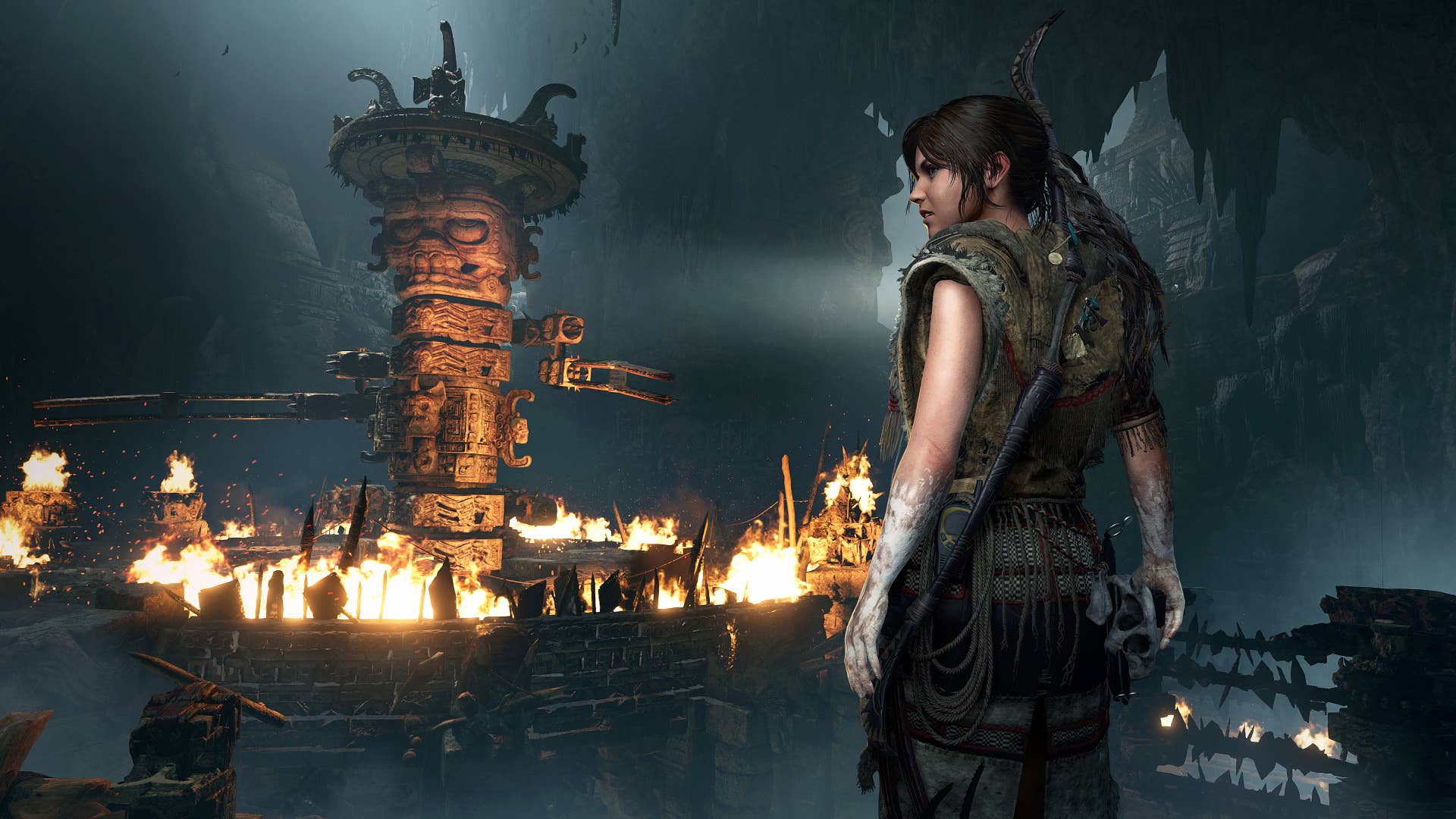
Crystal Dynamics’ Latest Layoffs: Navigating the Unsettled Waters of the Tomb Raider Franchise
The gaming industry, a realm of boundless creativity and technological marvels, is not immune to the harsh realities of economic fluctuation. In a recent development that has sent ripples through the community, Crystal Dynamics, the esteemed studio behind the iconic Tomb Raider franchise, has once again undergone a significant reduction in its workforce. This marks the second instance of job cuts at the developer this year, raising concerns and prompting widespread discussion about the stability of the studio and, more crucially, the future of its beloved series. Despite these unsettling personnel changes, Crystal Dynamics has issued a statement affirming that the Tomb Raider series’ future remains unaffected, a declaration that, while intended to reassure, inevitably invites deeper scrutiny and analysis.
Understanding the Current Layoffs at Crystal Dynamics
The precise number of employees affected by this latest round of layoffs at Crystal Dynamics has not been publicly disclosed. This lack of transparency, while not uncommon in corporate restructuring, only amplifies the uncertainty surrounding the situation. What is clear, however, is that this is not an isolated incident. The recent workforce reduction follows a similar pattern observed earlier this year, suggesting a broader strategic realignment or financial recalibration within the studio. Such events invariably lead to questions about the studio’s financial health, its long-term development pipeline, and the overall morale of the remaining team members.
The impact of layoffs on a game development studio can be multifaceted. Beyond the immediate emotional toll on those departing, there are potential consequences for ongoing projects. The loss of experienced personnel can lead to a loss of institutional knowledge, disrupt development workflows, and introduce delays in previously established timelines. While Crystal Dynamics has made a strong public assertion about the Tomb Raider series’ continuity, the practical implications of losing valuable talent cannot be easily dismissed. The intricate process of creating a AAA game requires a highly skilled and cohesive team, and any disruption to that dynamic warrants careful consideration.
The Shadow of Perfect Dark and The Initiative’s Demise
Adding another layer of complexity to the current situation is the recent cancellation of the Perfect Dark reboot, a project Crystal Dynamics was collaborating on with The Initiative. This initiative, helmed by Microsoft, was unfortunately caught in the crossfire of Microsoft’s extensive layoffs in July, which ultimately led to the shutdown of The Initiative itself. The failure of this ambitious project, coupled with the subsequent dismantling of its development partner, casts a somber shadow over Crystal Dynamics’ recent endeavors and raises questions about the efficacy of its external collaborations and the strategic direction of its project portfolio.
The Perfect Dark cancellation represents a significant setback, not only for the developers involved but also for the fans eagerly anticipating a revival of the classic espionage shooter. For Crystal Dynamics, this means a substantial investment of time and resources has now culminated in a project that will never see the light of day. This experience can have a profound impact on a studio’s confidence and its willingness to engage in similar large-scale, externally dependent projects. Furthermore, it highlights the inherent risks associated with the ever-evolving landscape of game development partnerships and the precariousness of studio longevity within larger corporate structures.
Reassuring Statements: The Future of Tomb Raider
In the face of these unsettling events, Crystal Dynamics has been quick to emphasize that the future of the Tomb Raider series is secure. This reassurance, while undoubtedly meant to quell fan anxieties and maintain confidence in the brand, is a statement that requires a deeper examination of what “unaffected” truly entails. The Tomb Raider franchise is not merely a collection of games; it is a cornerstone of gaming history, a cultural phenomenon that has captivated audiences for decades. Its legacy is built upon innovation, compelling narratives, and the enduring appeal of its protagonist, Lara Croft.
The development of a new Tomb Raider game is a monumental undertaking, involving years of planning, design, and execution. Any layoffs, regardless of the stated impact, can introduce subtle but significant shifts in the development trajectory. The creativity and vision that drive such projects are deeply intertwined with the individuals who bring them to life. While the core intellectual property and established brand guidelines provide a foundation, the nuances of storytelling, gameplay mechanics, and artistic direction are often shaped by the collective talents and experiences of the development team.
Therefore, when Crystal Dynamics states that the series’ future is unaffected, it implies a robust internal structure, a clear development roadmap, and a team that remains fully capable of delivering on the high expectations associated with the Tomb Raider name. It suggests that the necessary expertise and creative drive are still present within the studio to continue the narrative and gameplay evolution that fans have come to expect. The studio’s commitment to the Tomb Raider franchise is further underscored by its ownership of the IP, which provides a degree of autonomy and long-term planning capability.
Navigating the Evolving Landscape of AAA Game Development
The challenges faced by Crystal Dynamics are not unique. The AAA game development industry is characterized by intense competition, escalating development costs, and a constant demand for innovation. Studios are frequently navigating complex financial landscapes, often relying on publisher funding, ambitious marketing campaigns, and the hope of a strong market reception to ensure profitability. Layoffs, while often presented as necessary business decisions, can be symptomatic of larger industry pressures.
Factors such as the rising cost of hardware, the increasing complexity of game engines, and the ever-growing player expectations for content and graphical fidelity all contribute to the immense pressure on development teams and their financial backers. Studios must constantly balance the creative ambition of their projects with the economic realities of the market. This often involves difficult decisions regarding staffing, project scope, and the allocation of resources.
Furthermore, the consolidation of the gaming industry, with major acquisitions and mergers becoming increasingly common, can also influence the operational decisions of individual studios. The pursuit of synergy and cost-efficiency within larger corporate entities can sometimes lead to restructuring that impacts development teams. Crystal Dynamics, as part of a larger publishing umbrella, is subject to these broader industry dynamics.
The Enduring Legacy and Potential of Tomb Raider
The Tomb Raider franchise has proven its resilience over the years, adapting to changing gaming trends and player preferences. From its early 3D iterations that revolutionized action-adventure gameplay to the more recent reboots that have offered a grittier, more character-driven narrative, the series has consistently sought to reinvent itself while staying true to its core identity. The adventures of Lara Croft have always been about exploration, puzzle-solving, survival, and uncovering ancient mysteries.
The potential for future Tomb Raider games remains immense. The rich lore of the franchise, spanning diverse historical periods and fantastical locations, offers an inexhaustible wellspring of inspiration for new storylines and gameplay mechanics. The character of Lara Croft herself continues to evolve, providing ample opportunity for developers to explore new facets of her personality and her motivations. A new installment could delve deeper into her archaeological pursuits, her combat prowess, or her personal journey of self-discovery.
Moreover, with the advent of next-generation gaming technology, there is a tantalizing prospect for visually stunning and immersive Tomb Raider experiences. The capabilities of current consoles and PCs allow for unprecedented levels of detail in environments, character models, and physics simulations, which could elevate the exploration and action sequences to new heights. Imagine traversing ancient ruins with breathtaking fidelity, engaging in dynamic combat that feels visceral and responsive, and experiencing intricate puzzles that leverage advanced environmental interactions.
Analyzing the Strategic Implications of the Layoffs
While the direct impact of the layoffs on the Tomb Raider series is officially stated as negligible, it is worth considering the potential strategic implications for Crystal Dynamics. Studios often undergo restructuring to streamline operations, refocus on core competencies, or adapt to changing market demands. These decisions, while difficult, are typically made with the long-term viability of the studio and its key franchises in mind.
One possibility is that the layoffs are part of a broader strategic shift to concentrate resources more intensely on the Tomb Raider franchise, potentially shedding tangential projects or divisions that were not performing as expected. If this is the case, it could signal an even greater dedication to ensuring the success of future Tomb Raider titles. This would align with the studio’s established strength and the global appeal of the brand.
Alternatively, the layoffs could be a response to broader economic pressures affecting the entire gaming sector. In such scenarios, studios are often forced to make difficult choices to ensure their continued operation. The goal, of course, is to emerge from such periods of adjustment leaner, more efficient, and better positioned for future success. The focus on Tomb Raider would then be a testament to its status as the studio’s flagship intellectual property and its most reliable revenue generator.
The Unseen Impact on Development Culture and Innovation
Beyond the tangible aspects of project timelines and resource allocation, layoffs can also affect the intangible elements of a studio’s culture. The morale of remaining employees, the willingness to take creative risks, and the overall sense of job security are all factors that can influence the quality and innovation of the games produced. A studio that has recently experienced significant workforce reductions might find its remaining staff feeling a sense of anxiety or apprehension, which could, in turn, impact their creative output.
However, it is also true that resilience and adaptability are hallmarks of successful game development teams. Many studios have navigated periods of hardship and emerged stronger, with a renewed sense of purpose. The dedication of the core development team at Crystal Dynamics to the Tomb Raider franchise is likely to be a driving force in overcoming any challenges posed by these workforce adjustments. The shared passion for the IP and the commitment to delivering high-quality experiences for players can be a powerful unifying factor.
The true test of how these layoffs have affected the Tomb Raider series will ultimately be seen in the quality and reception of its future installments. If Crystal Dynamics can continue to deliver compelling narratives, innovative gameplay, and visually stunning experiences, then the current challenges will fade into the background, overshadowed by the triumph of their creative endeavors. The enduring appeal of Tomb Raider lies in its ability to transport players to extraordinary worlds and empower them with the agency to explore, solve, and survive.
Looking Ahead: The Promise of a New Tomb Raider Era
Despite the turbulence, the enduring legacy and global appeal of Tomb Raider provide a strong foundation for its continued success. The franchise has a dedicated fanbase that eagerly anticipates each new installment, and the IP itself has proven to be remarkably adaptable and enduring. Crystal Dynamics has a proven track record of delivering high-quality Tomb Raider games, and their commitment to the series remains a significant factor.
The future of Tomb Raider is intrinsically linked to the creative vision and execution of Crystal Dynamics. While industry challenges and internal adjustments are inevitable, the studio’s focus on its most celebrated franchise offers a clear direction. Players can likely expect a continuation of the narrative and gameplay themes that have defined the modern era of Tomb Raider, possibly with even greater ambition and technological sophistication.
The statements from Crystal Dynamics regarding the unaffected future of the Tomb Raider series suggest a confidence in their ability to navigate these changes. The emphasis on the franchise’s continuity and the studio’s ongoing development efforts should provide a degree of reassurance to fans. As the gaming landscape continues to evolve, the resilience of iconic franchises like Tomb Raider, coupled with the dedication of their development teams, offers a compelling promise of continued adventure and exploration for years to come. The narrative of Lara Croft is far from over, and the world eagerly awaits her next expedition. The studio’s ability to maintain its creative momentum and deliver on its promises will be the ultimate measure of its success in overcoming these recent challenges.