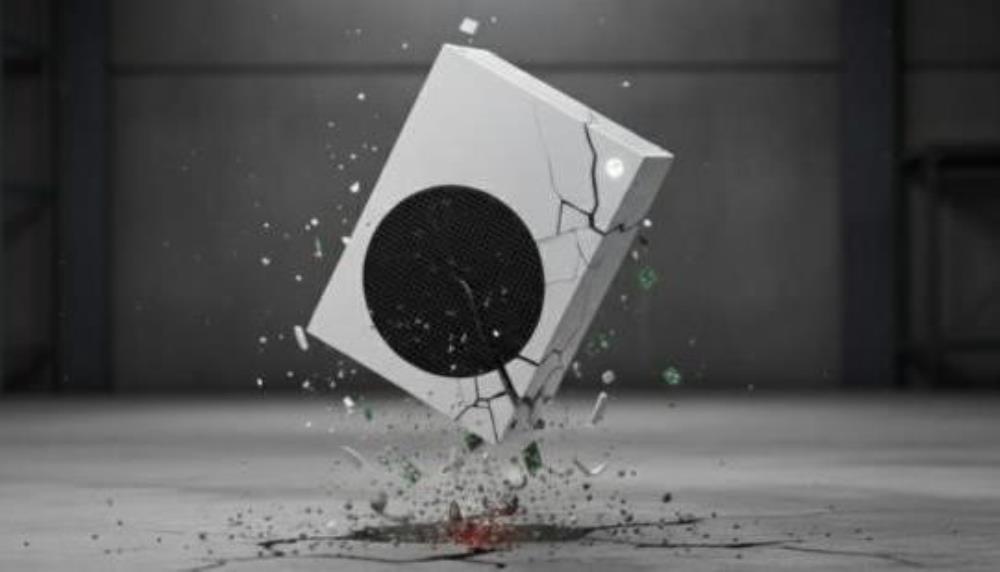
Navigating the Xbox Hardware Downturn: A Deep Dive into the UK and Spain (2022-2025)
The global gaming landscape is in constant flux, with hardware sales serving as a critical barometer of success for console manufacturers. While the overall trajectory of the gaming industry often points towards growth, specific regions can experience significant shifts in consumer preference and market share. This article provides an in depth analysis of the observed and projected trends in Xbox hardware sales within the United Kingdom and Spain, spanning the period from 2022 to 2025. We aim to illuminate the underlying factors contributing to these shifts, offering a comprehensive perspective on the challenges and opportunities facing Xbox in these key European markets. Our research indicates that while the United Kingdom’s situation represents a calculated strategic consequence, the dramatic decline in Spain is a stark amplification of a deeply ingrained, chronic weakness for Xbox hardware in a market where PlayStation’s dominance has long been an unshakable fixture.
The Evolving UK Market: Strategic Shifts and Their Hardware Implications
The United Kingdom, historically a strong territory for Xbox, has seen a noticeable recalibration in its hardware sales figures. This is not necessarily indicative of a complete abandonment of the platform but rather a complex interplay of evolving consumer habits, strategic decisions by Microsoft, and the pervasive influence of alternative gaming avenues. The period between 2022 and 2025 has been characterized by a strategic pivot that, while potentially beneficial for the long term ecosystem, has had a discernible impact on raw hardware unit sales.
Xbox Game Pass: A Double Edged Sword for Hardware Sales
The cornerstone of Microsoft’s modern Xbox strategy is Xbox Game Pass. This subscription service, lauded for its immense value proposition, offers a vast library of games accessible for a monthly fee. While it has undoubtedly cultivated a deeply engaged user base and significantly lowered the barrier to entry for experiencing a wide array of titles, its success has had a nuanced effect on the demand for physical console hardware.
The Subscription Model’s Influence on Upgrade Cycles
For many gamers, the allure of Game Pass lies in its ability to provide access to new releases and a deep back catalog without the need for individual game purchases. This inherent value can, in some instances, delay the perceived necessity of upgrading to the latest console generation. If a gamer can access a compelling selection of titles on their existing Xbox One, or even through cloud streaming on other devices, the immediate urgency to acquire an Xbox Series X or Xbox Series S diminishes. This effect has been particularly pronounced in the post launch phase of the current generation, where the initial surge of early adopters has subsided, and the broader market is more sensitive to the perceived return on investment.
Cloud Gaming’s Impact on Dedicated Hardware
Furthermore, the continuous development and improvement of Xbox Cloud Gaming offer an increasingly viable alternative to traditional console ownership. For consumers with robust internet connections, the ability to stream high fidelity games to PCs, tablets, and even mobile phones can further reduce the reliance on dedicated Xbox hardware. This is a strategic play by Microsoft to expand its reach beyond console boundaries, but it inevitably diverts some potential hardware buyers towards a more platform agnostic approach. This strategic choice, while potentially expanding the overall Xbox ecosystem, has directly contributed to a more conservative outlook for pure hardware sales figures in the UK.
Competition and Consumer Preferences in the UK
The competitive landscape in the UK remains fiercely contested. Sony’s PlayStation brand has historically enjoyed a strong foothold, bolstered by exclusive titles and a dedicated fanbase. While Xbox has made significant strides in its first party offerings and multiplatform accessibility, the ingrained loyalty to PlayStation, particularly among a segment of the UK gaming population, continues to exert influence.
The Impact of Exclusive Content
The debate surrounding exclusive content remains a perennial factor in console wars. While Microsoft’s acquisition of studios like Bethesda and Activision Blizzard signals a commitment to bolstering its exclusive offerings, the tangible impact on hardware sales often lags behind the announcement phase. Consumers may weigh the perceived value of future exclusives against the immediate availability of highly anticipated PlayStation titles. The UK market, with its discerning consumer base, often responds significantly to these perceived differences in content pipelines.
Shifting Demographics and Gaming Habits
Beyond the direct console competition, broader shifts in UK consumer behavior are also relevant. The rise of mobile gaming, the increasing popularity of PC gaming, and the growing accessibility of entertainment through streaming services all compete for a consumer’s leisure time and disposable income. For some segments of the UK population, the traditional console experience, including the purchase of dedicated hardware, may be perceived as a less attractive or less urgent investment compared to these other entertainment options. This diversification of leisure activities indirectly affects the demand for new console hardware.
Economic Factors and Consumer Confidence in the UK
The economic climate in the United Kingdom during the 2022-2025 period has also played a significant role. Factors such as inflation, the cost of living crisis, and fluctuating disposable income directly impact consumer purchasing decisions, especially for discretionary items like gaming consoles. The Xbox Series X, with its premium price point, becomes a more significant investment during times of economic uncertainty.
The Premium Price of Next-Generation Hardware
The sustained cost of next generation consoles, even with potential price adjustments or bundles, remains a considerable barrier for a portion of the UK market. While the Xbox Series S offers a more affordable entry point, its performance capabilities are inherently different, appealing to a distinct segment of the market. The overall cost of entry into the current generation of Xbox hardware, when coupled with the ongoing expense of Game Pass and potential game purchases, presents a financial equation that many UK consumers are carefully evaluating.
Supply Chain and Availability Issues
While less pronounced in the later years of the forecast period, the lingering effects of global supply chain disruptions, which were particularly acute in the earlier part of this timeframe, could have also influenced hardware availability and, consequently, sales figures in the UK. However, as we move towards 2025, these issues are projected to be less of a constraint.
The Spanish Market: Amplifying Chronic Weaknesses
In stark contrast to the United Kingdom’s strategic recalibration, the situation for Xbox hardware in Spain presents a more alarming picture. The observed decline here is not merely a consequence of strategic choices but a profound amplification of chronic weaknesses that have long plagued Xbox’s presence in this market. Spain has historically demonstrated an unwavering, almost cultural, loyalty to Sony’s PlayStation brand, creating an exceptionally challenging environment for any competing console.
Historical Dominance of PlayStation in Spain
The PlayStation brand’s ascendancy in Spain is a phenomenon rooted in decades of market presence and a deeply ingrained consumer preference. From the original PlayStation to the PS2, PS3, and PS4, Sony has consistently captured the lion’s share of the console market in the country. This enduring dominance has created a powerful network effect.
The “PlayStation Generation” and Intergenerational Loyalty
A significant portion of the Spanish gaming population grew up with PlayStation consoles. This has fostered a strong sense of intergenerational loyalty, where parents who were PlayStation fans are more likely to introduce their children to the same brand. This creates a self perpetuating cycle that is incredibly difficult for any competitor to break. For many Spanish consumers, “console” is almost synonymous with “PlayStation.”
Exclusive Franchises and Cultural Resonance
Sony’s portfolio of exclusive franchises holds a particular cultural resonance in Spain. Titles like God of War, The Last of Us, and Spider-Man have not only achieved critical acclaim globally but have also cultivated a passionate following within Spain. These highly anticipated exclusives often serve as the primary purchasing driver for new console hardware, and their consistent availability on PlayStation creates a powerful incentive to remain within the Sony ecosystem. Xbox’s attempts to compete in this space, while improving, have historically struggled to achieve the same level of cultural impact or perceived essentiality for the Spanish audience.
Xbox’s Perceived Weaknesses in the Spanish Market
Beyond PlayStation’s overwhelming strength, Xbox has consistently faced distinct challenges in Spain that have exacerbated its hardware sales performance. These are not new issues but rather persistent vulnerabilities that have become more apparent as the market evolves.
Lack of Strong Brand Identification and Marketing Presence
For many Spanish consumers, Xbox has historically been perceived as a secondary option, often lacking the same robust brand identification as PlayStation. This is partly due to less aggressive or perhaps less culturally attuned marketing efforts in the past. While Microsoft has undoubtedly invested more in recent years, the legacy perception is a formidable hurdle. The messaging and branding that resonates in other markets may not have the same impact in Spain.
Perceived Value Proposition of Xbox Services vs. Hardware
While Xbox Game Pass is a global success, its value proposition in Spain is often overshadowed by the fundamental preference for PlayStation hardware and its associated ecosystem. Consumers who are deeply entrenched in the PlayStation way of life may see Game Pass as less compelling if their primary desire is to play the latest PlayStation exclusives. Furthermore, the cost of entry into the Xbox ecosystem, even with Game Pass, might be viewed as less worthwhile when compared to the perceived benefits of remaining loyal to PlayStation, especially considering the long standing familiarity and comfort with Sony’s offerings.
Limited Third Party Support and Regional Focus
While third party game support is generally global, there can be subtle differences in how titles are localized, marketed, and supported at a regional level. Historically, some third party publishers may have prioritized resources and marketing efforts towards the dominant PlayStation platform in Spain, inadvertently further cementing its position and leaving Xbox with a comparatively weaker offering in certain segments of the market. This creates a self fulfilling prophecy where the platform with the larger installed base receives more attention, thereby further increasing its installed base.
The Amplification of Weakness: 2022-2025 Outlook
The period from 2022 to 2025 is projected to witness an amplification of these chronic weaknesses for Xbox hardware in Spain. The factors observed in the UK, such as the nuanced impact of Game Pass and economic pressures, will likely have a more severe effect due to the pre existing foundational challenges.
Game Pass’s Limited Impact on Hardware Purchases
In Spain, the appeal of Game Pass as a primary driver for Xbox Series X/S hardware purchases is significantly diminished by the overwhelming loyalty to PlayStation. While Game Pass offers great value, it struggles to sway a consumer base that is already deeply invested in a different ecosystem and highly motivated by platform exclusives. The proposition of accessing many games via subscription is unlikely to outweigh the desire to play the next major PlayStation exclusive for the majority of the Spanish gaming audience.
Economic Headwinds Hitting a Vulnerable Market
The economic challenges that have affected the UK will likely hit the Spanish market with equal or greater force, particularly concerning discretionary spending on high ticket items like gaming consoles. Given the already weaker position of Xbox hardware, any economic downturn will disproportionately affect its sales, as consumers may opt to maintain their existing hardware or delay upgrades altogether, further solidifying PlayStation’s installed base.
The Unwavering Allegiance to PlayStation
Ultimately, the defining characteristic of the Spanish market for Xbox hardware during this period is the unwavering allegiance to PlayStation. This deep seated loyalty, built over generations, acts as a powerful barrier. For Xbox to achieve significant inroads in terms of hardware sales, it would require a monumental shift in consumer perception and preference, something that is unlikely to occur within the 2022-2025 timeframe. The trends suggest a continuation of PlayStation’s dominance, with Xbox hardware sales likely to remain a fraction of its competitor’s, and possibly see a further contraction as economic factors and existing brand loyalties exert their influence. The strategic successes Microsoft has seen with Game Pass globally are undoubtedly valuable, but in Spain, they are currently insufficient to overcome the deeply entrenched preference for Sony’s hardware and its ecosystem. The future for Xbox hardware in Spain, as indicated by current trends, appears to be one of continued struggle against a deeply entrenched and historically dominant competitor.