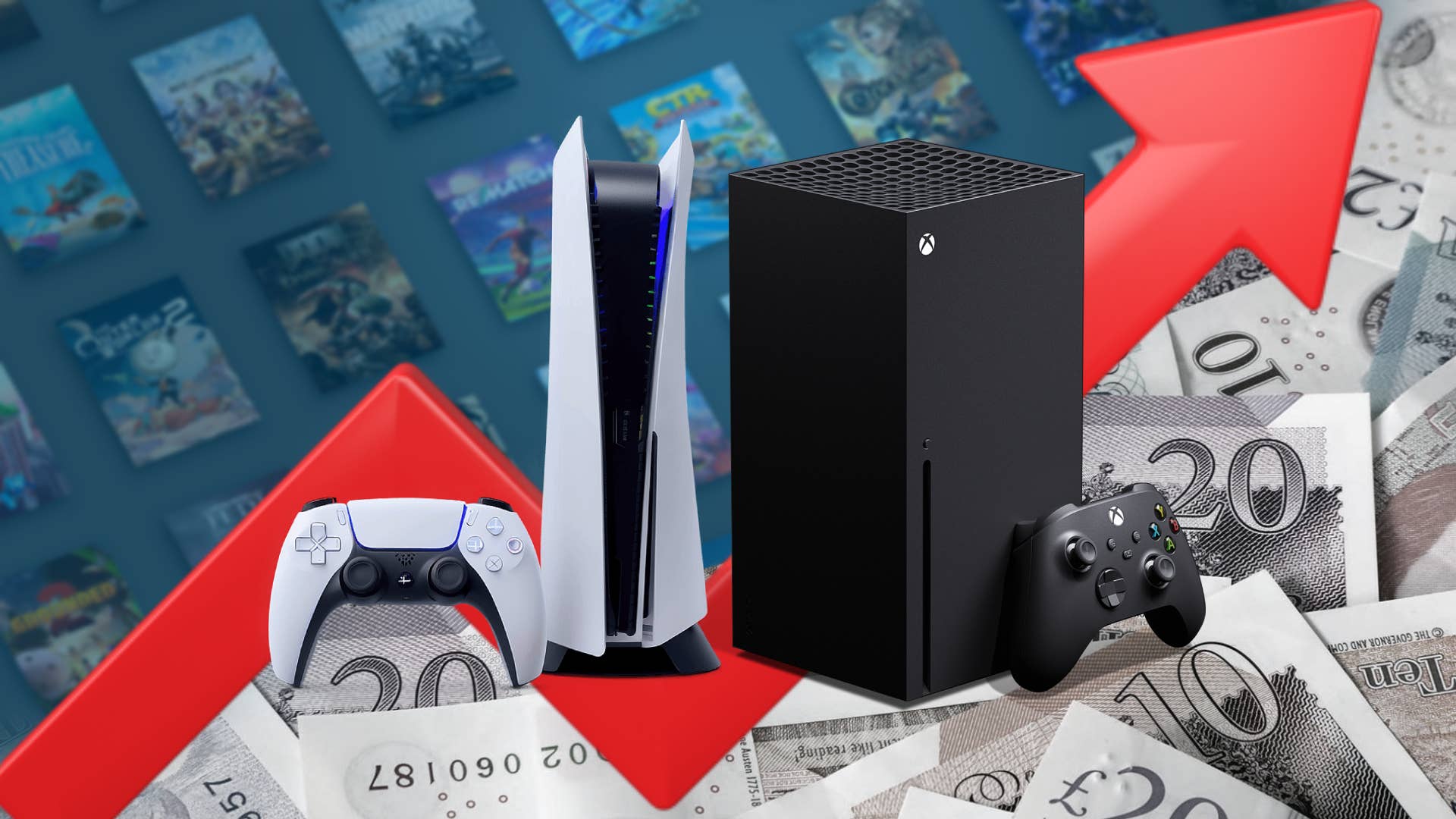
The Console Conundrum: Are Soaring Prices Reshaping the Future of Gaming?
The landscape of video game consoles has always been characterized by a predictable rhythm. Historically, with each new generation, we anticipate a familiar trajectory: a high initial launch price, followed by steady declines as manufacturing processes mature, economies of scale kick in, and newer, more advanced technologies emerge. This established pattern has long been a cornerstone of console accessibility, allowing a broader audience to enter the gaming fold over time. However, the current generation appears to be charting an entirely different course, one defined by escalating prices that are challenging the very foundations of this console evolution. As we delve deeper into this era of gaming hardware, a critical question looms large: are these rising console prices signaling the end for games consoles as we have traditionally known them, or are they merely indicative of a fundamental shift in the console role within the broader gaming ecosystem?
The advent of the current generation of consoles, namely the PlayStation 5 and the Xbox Series X/S, was met with immense excitement, a testament to the enduring appeal of dedicated gaming hardware. Yet, alongside the unveiling of groundbreaking graphical capabilities and unprecedented processing power, came a price tag that gave many consumers pause. Unlike previous generations where a gradual price decrease was a near certainty, the cost of these advanced machines has remained remarkably steadfast, and in some regions, has even seen increases. This divergence from historical precedent has ignited a fervent debate within the gaming community and among industry analysts alike, forcing us to re-examine the economic forces at play and their potential ramifications for the future of console gaming.
The Unprecedented Price Trajectory of Modern Consoles
For decades, the console market has operated on a predictable economic model. A new console would launch at a premium, reflecting the cutting-edge technology packed within. However, over the subsequent years, manufacturers would leverage economies of scale, optimize manufacturing processes, and reduce the cost of components. This typically resulted in a gradual, yet significant, decrease in the retail price of the console. This predictable price erosion was a crucial factor in broadening console ownership, making gaming accessible to a wider demographic as the console’s lifespan progressed. It allowed players who might not have been able to afford the initial investment to join the gaming fray later, ensuring a sustained user base and continued software sales throughout the hardware cycle.
This generation, however, has defied that established convention. The PlayStation 5 and Xbox Series X, launched with introductory prices that were already a considerable step up from their predecessors, have not experienced the anticipated price drops. Instead, in many markets, we have witnessed the opposite: price increases. Several factors contribute to this atypical scenario. The global semiconductor shortage, exacerbated by the COVID-19 pandemic, significantly impacted the availability and cost of essential components. This supply chain disruption meant that manufacturers faced higher procurement costs for the very chips that power these sophisticated machines. Furthermore, the increased complexity and power of the current hardware necessitate more expensive materials and manufacturing techniques, inherently raising the baseline cost of production.
The cost of components has not subsided as quickly as one might have expected. The reliance on highly advanced processors, sophisticated cooling solutions, and high-speed storage has pushed the bill of materials for each console to new heights. Moreover, the ongoing inflationary pressures affecting global economies have further contributed to the elevated retail prices. These macroeconomic factors, combined with the inherent technological advancements, have created a perfect storm where the traditional model of price depreciation is no longer holding true. This sustained high price point not only impacts initial adoption rates but also influences consumer purchasing decisions over the entire lifecycle of the console.
The Shifting Role of the Console in the Digital Age
The rising prices of consoles are not occurring in a vacuum. They are happening at a time when the entire digital entertainment landscape is undergoing a profound transformation. The traditional perception of a console as a standalone gaming device is becoming increasingly antiquated. Instead, we are witnessing a significant shift in the console’s role, with these powerful machines evolving into comprehensive home entertainment hubs. This expansion of functionality, while offering users greater value, also contributes to the underlying cost of the hardware.
Modern consoles are no longer solely dedicated to playing video games. They are integral to our digital lives, serving as platforms for streaming services like Netflix, Hulu, and Disney+, facilitating music playback, and acting as gateways to various social media platforms. This convergence of entertainment options means that consoles are now competing not only with other gaming devices but also with smart TVs, streaming boxes, and other multimedia devices. The expectation for a console to seamlessly integrate into a connected home ecosystem adds layers of software development, security protocols, and hardware compatibility that contribute to the overall development and production costs.
The rise of cloud gaming services, such as Xbox Cloud Gaming and PlayStation Plus Premium, further complicates the narrative. These services offer a viable alternative for accessing high-fidelity gaming experiences without the need for expensive upfront hardware investment. Players can stream games directly to their existing devices, including PCs, smartphones, and tablets, bypassing the need for a dedicated console altogether. This burgeoning segment of the market presents a direct challenge to the traditional console model, forcing manufacturers to reconsider their hardware-centric approach. The increasing sophistication and accessibility of cloud-based gaming suggest that the future of gaming might not be solely tethered to owning a physical console.
The Allure of PC Gaming and its Growing Dominance
While consoles have historically offered a more accessible and user-friendly entry point into high-end gaming, the PC gaming sector has continued to mature and solidify its position as a formidable alternative. The sheer versatility of the PC is a significant draw. Beyond gaming, a personal computer serves a multitude of essential functions, from work and education to creative pursuits and general browsing. This dual-purpose nature makes the investment in a gaming PC, while potentially higher upfront, more justifiable for a broader range of users.
Furthermore, the PC gaming ecosystem boasts unparalleled flexibility and customization. Gamers have the freedom to upgrade individual components, tailoring their systems to their specific needs and budgets. This modular approach allows for incremental improvements, ensuring that a PC can remain relevant and powerful for extended periods, often outlasting the typical console generation. The ability to fine-tune graphical settings, experiment with different peripherals, and access a vast library of games through platforms like Steam, Epic Games Store, and GOG Galaxy further enhances the PC gaming experience.
The vast library of games available on PC, often with cross-platform play capabilities, means that PC gamers rarely feel limited in their gaming options. The prevalence of free-to-play titles, regular deep discounts on premium games, and the continued existence of older, beloved titles ensure a constant stream of entertainment. This robust and ever-expanding content library, coupled with the hardware flexibility, presents a compelling case for gamers seeking a comprehensive and adaptable gaming solution, potentially diverting attention and expenditure away from dedicated console purchases.
The Rise of Mobile Gaming and its Economic Impact
The ubiquity of smartphones has undeniably transformed the gaming landscape. Mobile gaming, once relegated to simple, casual experiences, has evolved into a massive industry capable of delivering complex and engaging titles. The sheer accessibility of mobile devices means that a vast global audience can engage with gaming experiences anytime, anywhere. This has had a significant impact on the overall gaming market, diverting not only player attention but also significant advertising and development budgets.
The economic model of mobile gaming, often driven by free-to-play mechanics with in-app purchases, has proven to be incredibly lucrative. This has led to a substantial shift in developer focus, with many studios prioritizing the development of mobile-first titles or ports of existing console and PC games to mobile platforms. While the depth of experience may not always rival that of dedicated consoles, the sheer volume of players and revenue generated by mobile gaming cannot be ignored. This trend further fragments the gaming market, making the substantial investment required for a new console less appealing to a casual gamer who can satisfy their gaming desires with their existing smartphone.
The convenience and low barrier to entry offered by mobile gaming present a stark contrast to the financial commitment of purchasing a new console. For a significant segment of the population, their smartphone is their primary – and often only – computing device. To then suggest a further substantial investment in a dedicated gaming console requires a level of commitment and disposable income that is not universally available or prioritized. The continued innovation in mobile hardware and software ensures that this sector will remain a dominant force, constantly pushing the boundaries of what is possible on a handheld device and further challenging the traditional console’s dominance.
Strategies for Console Manufacturers in a Changing Market
Faced with these evolving consumer preferences and economic realities, console manufacturers are not passively observing the shifts. Instead, they are actively adapting their strategies to remain relevant and profitable. The future of console gaming likely lies in a multifaceted approach that acknowledges the changing role of these devices and the increasing importance of digital services.
One key strategy is the continued emphasis on software and services. While hardware sales remain a crucial revenue stream, the long-term profitability of console ecosystems is increasingly tied to the games and subscription services offered. Platforms like PlayStation Plus and Xbox Game Pass are no longer mere add-ons but are becoming central to the console experience. Offering a diverse and compelling library of games through subscription models provides ongoing value to consumers, incentivizing hardware ownership and fostering customer loyalty. The strategic acquisition of game studios by both Sony and Microsoft further underscores the importance of exclusive and high-quality content in driving platform engagement.
The concept of the console as a gateway to a broader gaming ecosystem is also gaining traction. Manufacturers are increasingly focused on creating seamless experiences that extend beyond the physical console itself. This includes robust cross-platform play capabilities, allowing players on different devices to connect and compete. It also involves the development and integration of cloud gaming technologies, enabling players to access their games on a variety of devices without being tethered to their console. This approach aims to make the manufacturer’s gaming services accessible to a wider audience, regardless of their hardware ownership.
The Evolution of the Console Lifecycle and Upgrade Paths
The traditional console generation cycle, once a predictable five to seven-year span, is becoming more fluid. Manufacturers are exploring new models that offer more frequent, iterative hardware upgrades rather than complete overhauls. This approach allows them to introduce new technologies and performance enhancements without necessitating a complete ecosystem reset and a substantial price jump for consumers.
The introduction of mid-generation refreshes, such as the PlayStation 4 Pro and Xbox One X, demonstrated a willingness to offer more powerful hardware options within an existing generation. This strategy allows for enhanced graphical fidelity and performance for a subset of players who desire it, while still supporting the broader user base with the original hardware. This incremental upgrade path provides a more manageable financial commitment for consumers compared to purchasing an entirely new console every few years.
Furthermore, the increasing modularity of technology and the potential for software-based enhancements suggest that future consoles might see more significant improvements through software updates and performance optimizations, rather than solely relying on hardware revisions. This could lead to a longer effective lifespan for each hardware generation, offering a more sustainable and cost-effective experience for consumers over time. The industry is clearly seeking ways to balance technological advancement with consumer affordability, recognizing that the once-predictable price drops are no longer a reliable expectation.
Embracing the Subscription Model and Digital Distribution
The subscription model, epitomized by services like Xbox Game Pass and PlayStation Plus, represents a significant paradigm shift in how consumers access games. Instead of purchasing individual titles at premium prices, players can access a vast library of games for a recurring monthly fee. This model offers tremendous value to consumers, allowing them to explore a wide range of games they might not otherwise purchase, and encourages digital distribution as the primary method of game acquisition.
This shift towards subscription services has several implications for the future of consoles. Firstly, it further de-emphasizes the upfront hardware cost. If the primary value proposition becomes access to a constantly updated library of games, then the console itself becomes a more utilitarian gateway device. Manufacturers can afford to offer hardware at a more competitive price point, or even at a loss, if they can recoup their investment through robust subscription revenue.
Secondly, it solidifies the importance of digital storefronts and seamless online infrastructure. The entire ecosystem needs to be robust, reliable, and user-friendly to support this model. The ability to download, stream, and manage a vast digital library effortlessly is paramount. This focus on digital delivery also allows manufacturers to gather valuable data on player behavior, which can inform future game development and service offerings, further refining the gaming experience and optimizing their business models. The ultimate goal is to create an ecosystem where players are engaged and paying customers for extended periods, reducing reliance on the cyclical and increasingly expensive hardware purchase.
Conclusion: A New Era for Console Gaming?
The era of consistently declining console prices appears to be a relic of the past. The confluence of advanced technology, global economic factors, and evolving consumer behaviors has fundamentally altered the economic landscape of console gaming. While the rising prices might initially seem like a threat to the traditional console model, they are more accurately a catalyst for innovation and adaptation.
We are likely witnessing not the end of consoles, but rather a significant evolution in their role. Consoles are transitioning from standalone gaming machines to sophisticated home entertainment hubs and integral components of a broader digital gaming ecosystem. Their value proposition is increasingly derived from the wealth of content and services they provide, rather than solely from the hardware itself.
Manufacturers are responding by focusing on subscription models, cloud gaming, and iterative hardware advancements. This strategic pivot aims to ensure that consoles remain relevant and accessible in a rapidly changing world. The future of console gaming will undoubtedly be shaped by this ongoing transformation, promising a more service-oriented, interconnected, and potentially more affordable, albeit different, gaming experience. The enduring appeal of dedicated gaming hardware, combined with these evolving strategies, suggests that while the path forward may be different, the console itself is far from obsolete. It is simply redefining its place in the grand tapestry of interactive entertainment.