The Growing Crisis of Fake Casino Sites Targeting UK Players: A Deep Dive and Protective Guide
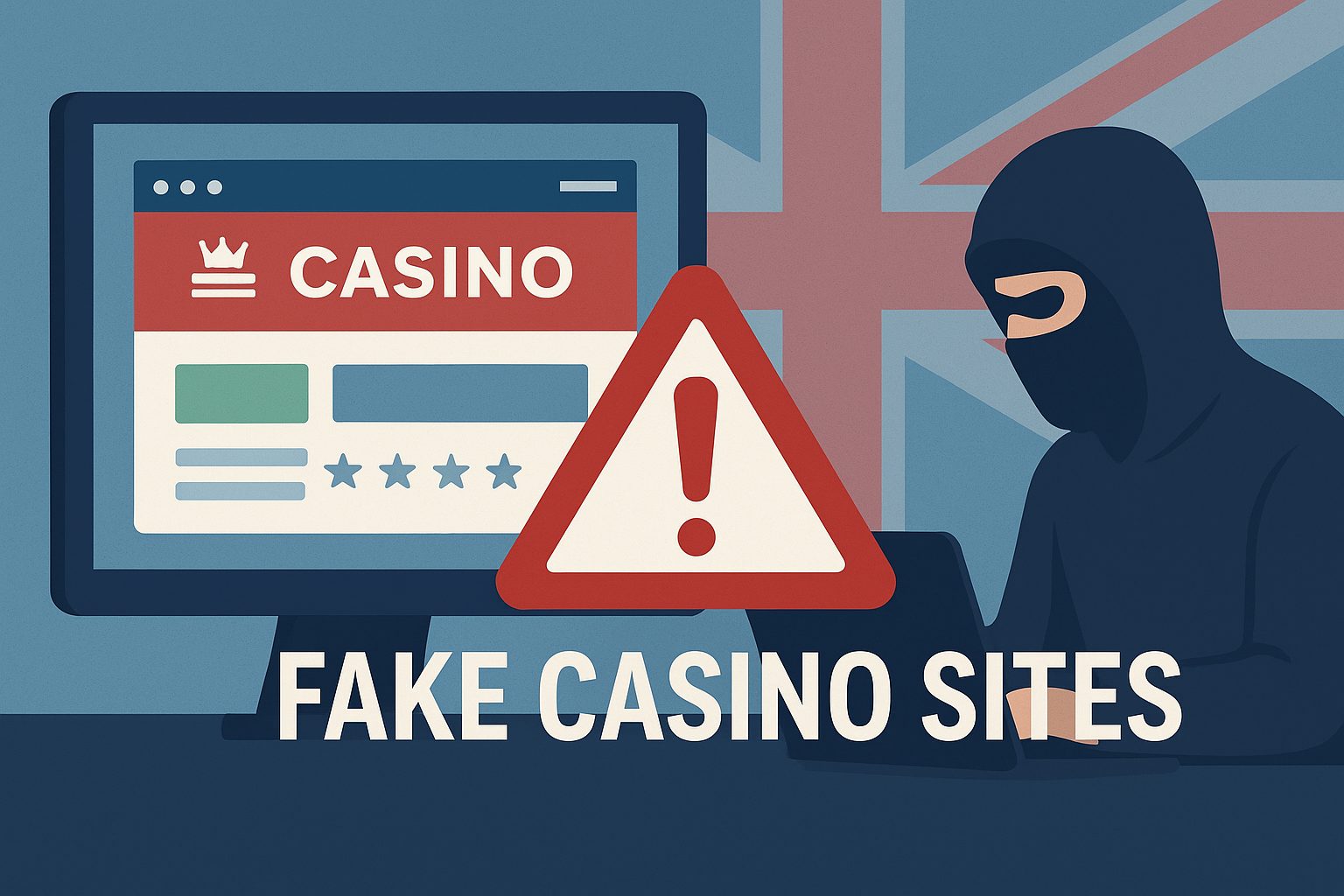
The proliferation of fake casino and bingo websites targeting UK players has reached critical levels. These aren’t amateur imitations; they are meticulously crafted counterfeits designed to deceive even the most seasoned online gamblers. At Gaming News, we’ve dedicated ourselves to uncovering the mechanics behind this escalating threat and providing you with the knowledge to protect yourself. This comprehensive guide will dissect the problem, explore the tactics employed by these fraudulent operators, and equip you with actionable strategies to ensure your online gaming experiences remain safe and secure.
Understanding the Sophistication of Fake Casino Sites
These fake sites are not merely mimicking the aesthetics of legitimate online casinos; they are replicating entire websites, including logos, colour schemes, promotional material, and even user reviews. This level of sophistication makes it increasingly difficult for players to discern between a genuine and a fraudulent operation. They often use domain names that are very similar to established brands, relying on subtle misspellings or the addition of generic terms like “online” or “casino” to dupe unsuspecting visitors.
The Cloning Process: How Fake Sites are Created
The process typically involves scraping data from legitimate casino sites. This includes copying all the content, images, and even the underlying code. Sophisticated scammers may even use advanced techniques like mirroring the entire website, creating an almost identical replica. This cloned content is then hosted on a different domain, often registered anonymously, making it difficult to trace the perpetrators.
Data Scraping and Content Replication
The scraping tools used are becoming increasingly advanced, capable of extracting vast amounts of data quickly and efficiently. This allows the fraudsters to create a comprehensive replica in a matter of hours. The copied content often includes:
- Game descriptions and screenshots: This gives the impression that the fake site offers the same selection of games as the legitimate one.
- Promotional banners and bonus offers: Used to lure players in with seemingly attractive deals.
- Terms and conditions (often modified or incomplete): This is a red flag, as legitimate casinos always have clear and comprehensive terms.
- Fake reviews and testimonials: Designed to build trust and credibility.
Domain Name Deception: The Power of Similarity
Scammers frequently register domain names that are intentionally similar to those of well-known casinos. They might change a single letter, add a hyphen, or use a different top-level domain (e.g., .net instead of .com). This tactic is particularly effective because many players don’t pay close attention to the exact spelling of a website address.
Consider these examples:
Genuine: bet365.com
Fake: bet366.com, bet-365.net
Genuine: skycasino.com
Fake: skyyscasino.com, skaycasino.online
The Danger of Replicated Login Portals
One of the most alarming aspects of these fake sites is their ability to replicate login portals. Players who enter their username and password on a fraudulent site are essentially handing over their credentials to criminals. This information can then be used to:
- Access their real casino accounts: Allowing the scammers to steal funds and personal data.
- Commit identity theft: Using the stolen information to open fraudulent accounts and access other online services.
- Install malware: Some fake login portals may also attempt to install malicious software on the player’s device.
Why are UK Players Targeted? A Look at the Market
The UK online gambling market is one of the largest and most mature in the world, making it a prime target for fraudulent operators. Several factors contribute to this:
High Market Value: A Lucrative Target
The UK gambling industry generates billions of pounds in revenue each year. This lucrative market attracts both legitimate operators and unscrupulous scammers looking to profit from unsuspecting players. The sheer volume of online transactions makes it easier for fraudulent activities to go unnoticed.
Established Brand Recognition: Easy to Exploit Trust
UK players are generally familiar with a wide range of established online casino brands. Scammers exploit this brand recognition by creating fake sites that mimic these well-known operators. This allows them to quickly gain the trust of players who are already familiar with the brand.
Relaxed Domain Registration Laws: Anonymity for Scammers
While the UK gambling market is heavily regulated, the laws surrounding domain registration are relatively relaxed. This makes it easier for scammers to register domain names anonymously, making it difficult to track them down. They often use proxy servers and other techniques to further mask their identities.
Identifying Fake Casino Sites: Red Flags to Watch Out For
Protecting yourself from fake casino sites requires vigilance and a keen eye for detail. Here are some key red flags to watch out for:
Domain Name Discrepancies: Spelling and Extensions
Always carefully examine the domain name of the website. Look for misspellings, extra characters, or unusual domain extensions (e.g., .biz, .info, .xyz). Legitimate casinos typically use .com or .co.uk domains.
SSL Certificate Issues: Is Your Connection Secure?
Check for a valid SSL certificate. This is indicated by a padlock icon in the address bar of your browser and the “https://” prefix in the URL. A missing or invalid SSL certificate suggests that the website is not secure and your data may be at risk.
Poor Website Design and Functionality: A Sign of Amateurism
Pay attention to the overall design and functionality of the website. Fake sites often have poor graphics, broken links, and a generally unprofessional appearance. Legitimate casinos invest heavily in their websites to provide a seamless and user-friendly experience.
Unrealistic Bonus Offers: Too Good to Be True?
Be wary of unrealistic bonus offers and promotions. If a deal seems too good to be true, it probably is. Scammers often use overly generous bonuses to lure players in, knowing that they will never actually pay out.
Missing or Incomplete Terms and Conditions: Lack of Transparency
Review the terms and conditions carefully. Fake sites often have missing, incomplete, or poorly written terms. Legitimate casinos have comprehensive terms that clearly outline the rules and regulations of the site.
Lack of Licensing Information: A Legal Requirement
Check for licensing information. All legitimate online casinos operating in the UK must be licensed by the UK Gambling Commission. The license number should be clearly displayed on the website, usually in the footer. You can verify the license number on the UK Gambling Commission’s website.
Suspicious Payment Methods: Limited or Unusual Options
Be cautious of unusual or limited payment methods. Legitimate casinos typically offer a wide range of secure payment options, including credit cards, debit cards, e-wallets, and bank transfers. Fake sites may only offer a few obscure payment methods.
Poor Customer Support: Unresponsive or Unhelpful
Test the customer support. Contact the customer support team and ask a question. If they are unresponsive, unhelpful, or unable to answer your questions, it’s a red flag. Legitimate casinos have professional and responsive customer support teams.
Protecting Yourself: Steps to Take Before Playing Online
Prevention is always better than cure. Here are some steps you can take to protect yourself from fake casino sites:
Verify the License: Essential Due Diligence
Always verify the casino’s license with the UK Gambling Commission. You can do this by visiting the UK Gambling Commission’s website and searching for the casino’s license number. This is the most important step in ensuring that you are playing at a legitimate and regulated site.
Research the Casino’s Reputation: Read Reviews and Testimonials
Read reviews and testimonials from other players. Look for independent reviews on reputable gambling forums and websites. Be wary of reviews that seem too positive or are written in a generic style.
Use Strong Passwords: Protect Your Account
Use strong and unique passwords for your online casino accounts. Avoid using easily guessable passwords or reusing passwords from other websites. Consider using a password manager to generate and store your passwords securely.
Enable Two-Factor Authentication: Add an Extra Layer of Security
Enable two-factor authentication (2FA) whenever possible. This adds an extra layer of security to your account by requiring you to enter a code from your phone or email in addition to your password.
Keep Your Software Updated: Patch Security Vulnerabilities
Keep your computer and mobile devices up to date with the latest security patches. This will help to protect you from malware and other threats that could compromise your online security.
Use a VPN: Mask Your Location and Enhance Privacy
Consider using a VPN when playing online. A VPN encrypts your internet traffic and masks your IP address, making it more difficult for scammers to track your activity.
Trust Your Gut: If Something Feels Wrong, It Probably Is
Trust your gut instinct. If something about a website feels wrong or suspicious, it probably is. Err on the side of caution and avoid playing at the site.
Reporting Fake Casino Sites: Helping Protect Others
If you encounter a fake casino site, it’s important to report it to the relevant authorities:
UK Gambling Commission: The Regulatory Body
Report the site to the UK Gambling Commission. They will investigate the site and take action if it is found to be operating illegally.
National Cyber Security Centre (NCSC): Combatting Cybercrime
Report the site to the National Cyber Security Centre (NCSC). They can provide advice and support on how to protect yourself from cybercrime.
Action Fraud: Reporting Fraud and Cybercrime
Report the site to Action Fraud. They are the UK’s national reporting centre for fraud and cybercrime.
Gaming News: Helping Raise Awareness
Contact Gaming News to share your experience. We can investigate and raise awareness of the fake casino site, helping to protect other players.
By working together, we can combat the growing crisis of fake casino sites and ensure that the online gaming environment remains safe and secure for all. We at Gaming News are committed to providing you with the latest information and resources to protect yourself from online scams. Remember to always be vigilant and prioritize your safety when gambling online.