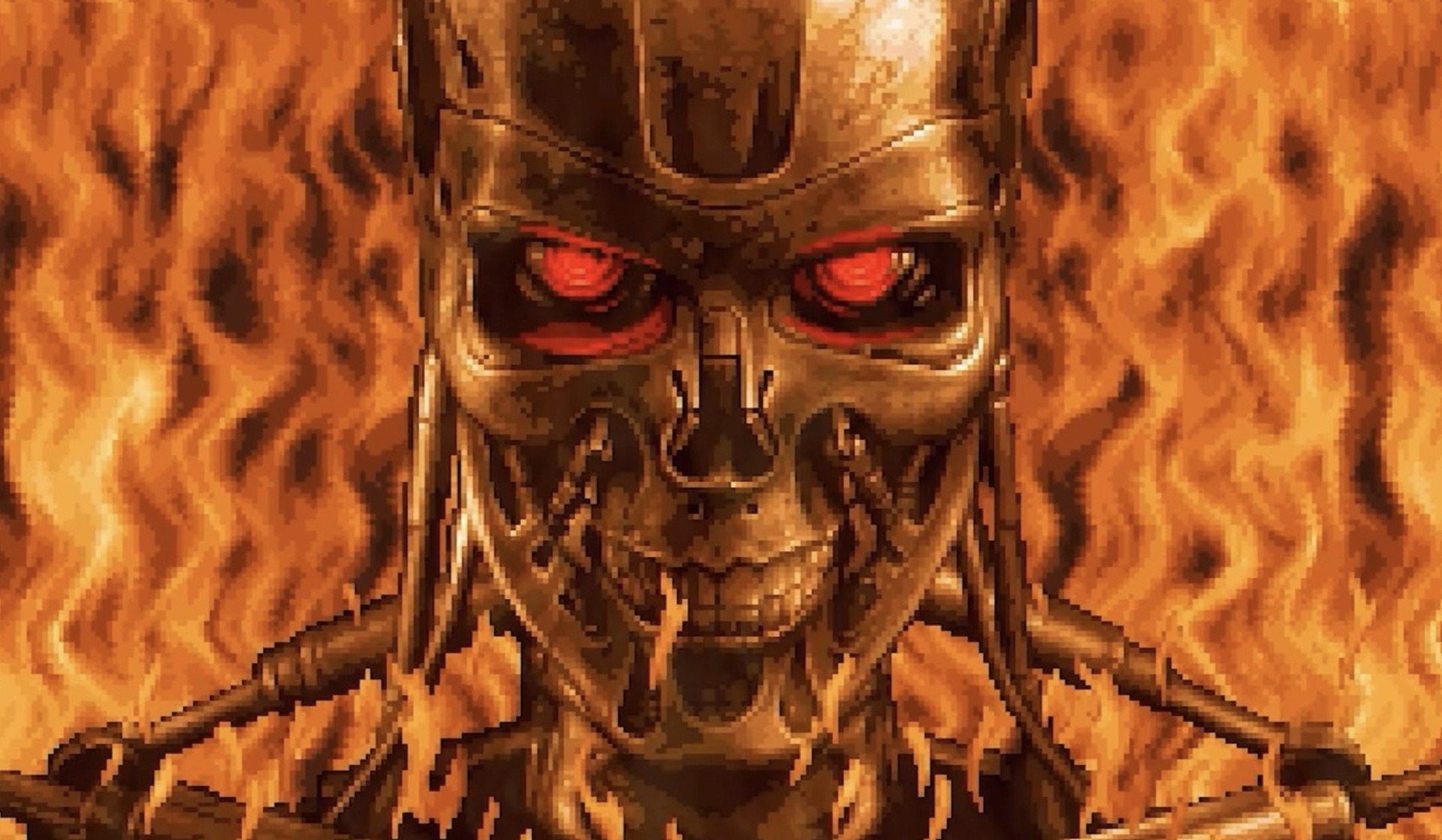
Terminator 2D: No Fate Has Been Delayed Again On Switch – A Deep Dive into the Latest Setbacks and What It Means for Players
The persistent buzz surrounding the release of Terminator 2D: No Fate on the Nintendo Switch has, once again, been met with the unfortunate news of a further delay. Reef Entertainment, the publisher behind this highly anticipated title, has officially announced that the game’s launch has been postponed to 12th December 2025, impacting all console platforms. This latest postponement, while frustrating for eager fans, stems from logistical challenges related to the assembly of physical editions. Understanding the intricacies of this delay, and its implications, requires a comprehensive examination of the situation, from the initial production hurdles to the publisher’s commitment to a simultaneous digital and physical release. At Gaming News, we aim to provide an in-depth analysis that sheds light on the situation and what players can expect.
The Lingering Shadow of Development Delays: A Chronology of Postponements
The journey of Terminator 2D: No Fate towards its eventual release has been anything but smooth. This latest announcement marks not an isolated incident, but rather a continuation of a pattern that has tested the patience of the gaming community. To fully grasp the current predicament, it is essential to revisit the preceding delays and the reasons cited for them.
Recalling Previous Setbacks: What Led Us Here?
The initial excitement surrounding Terminator 2D: No Fate was palpable, promising a faithful adaptation of the iconic film franchise into an engaging 2D gaming experience. However, this excitement was tempered when the first significant delay was announced. At that juncture, the primary cause was attributed to issues concerning the arrival and integration of physical components. This was a critical juncture, as it directly impacted the ability to manufacture and distribute the boxed copies of the game, a significant portion of the intended market. The complexity of sourcing and assembling these components, particularly in a post-pandemic global supply chain environment, cannot be understated. Factors such as manufacturing bottlenecks, shipping logistics, and quality control checks all contribute to potential timelines slipping.
The Physical Edition Conundrum: A Bottleneck in Production
The core of the recent delay lies squarely with the physical editions of Terminator 2D: No Fate. Reef Entertainment has confirmed that all necessary components for these physical copies have now arrived at their assembly facilities. This is a crucial piece of positive news, indicating that the fundamental building blocks of the game are in place. However, the sheer volume and the meticulous process required for assembling these editions are proving to be more time-consuming than initially anticipated.
Assembly Process: More Than Meets the Eye
Assembling a physical game release involves a multitude of steps. It’s not simply a matter of placing a disc into a case. For Terminator 2D: No Fate, this would likely include:
- Disc Replication: The game data needs to be precisely replicated onto optical discs. This is a high-volume, high-precision process that can be subject to its own set of delays if issues arise with the replication plant or the mastering process.
- Packaging Production: The game boxes themselves, along with any accompanying manuals, inserts, or collector’s items, need to be manufactured and printed. This involves graphic design, material sourcing, and printing runs, all of which have their own production cycles.
- Instruction Manuals and Inserts: Even in a digital age, physical releases often include instruction manuals, warranty information, and sometimes promotional inserts. These require separate design and printing.
- Cartridge Assembly (if applicable for certain Switch releases): While less common for modern releases, some Nintendo Switch games utilize cartridges. If Terminator 2D: No Fate is utilizing this format, cartridge assembly introduces another layer of complexity.
- Quality Control: Throughout the entire assembly process, rigorous quality control measures must be implemented to ensure that each physical copy is free from defects, that discs are readable, and that packaging is intact.
- Logistics and Distribution: Once assembled, the games need to be packaged for shipping to distribution centers and ultimately to retailers. This involves warehousing, inventory management, and transportation.
The statement that “it will take some time to get everything assembled” is a direct acknowledgment of the significant undertaking involved in this multi-stage process. The scale of the operation, especially for a title that anticipates broad distribution, means that even minor delays in any one of these steps can cascade into significant overall postponements.
The Publisher’s Stance: Simultaneous Release – A Double-Edged Sword
Reef Entertainment’s commitment to releasing both the digital and physical versions of Terminator 2D: No Fate at the same time is a policy that, while understandable from a consumer satisfaction perspective, directly contributes to the current delay. This strategic decision aims to prevent a scenario where players who prefer physical copies are left waiting while those who opt for digital downloads can immediately access the game.
The Rationale Behind Simultaneous Launches
Publishers often aim for simultaneous releases for several strategic reasons:
- Unified Market Impact: A simultaneous launch creates a singular, concentrated moment of market attention, maximizing marketing efforts and generating a stronger initial sales buzz.
- Consumer Equity: It ensures that all players, regardless of their purchasing preference, have access to the game at the same time, fostering a sense of fairness and preventing player base fragmentation.
- Inventory Management: Coordinating digital and physical releases can simplify overall inventory and sales tracking, though the complexities of physical assembly can counteract this benefit.
- Preventing Piracy Concerns: In some cases, a staggered release (digital first) can inadvertently increase the risk of piracy for physical copies that are not yet available.
However, this commitment to simultaneity places an immense burden on the physical production pipeline. Any bottleneck or unforeseen issue in the assembly of physical units will inevitably delay the digital release as well, even if the digital assets are ready and finalized far in advance. This is precisely the scenario that has unfolded with Terminator 2D: No Fate.
The Digital Advantage vs. Physical Reality
The development of digital game assets, while complex, is often more agile than the manufacturing of physical goods. Digital versions can be finalized, uploaded to platform storefronts, and prepared for download relatively quickly once development is complete. The physical production process, conversely, is beholden to tangible goods, manufacturing timelines, and international shipping schedules.
The decision to wait for the physical editions means that Reef Entertainment is effectively allowing the slowest component of their release strategy to dictate the pace of the entire launch. While this commitment is commendable in its intent to serve all player segments equally, it highlights the inherent vulnerabilities of relying on traditional manufacturing in a rapidly evolving digital distribution landscape.
Implications for Nintendo Switch Players and the Wider Gaming Community
The repeated delays of Terminator 2D: No Fate have a significant impact on those eagerly anticipating its arrival on the Nintendo Switch, as well as the broader gaming audience.
Erosion of Player Trust and Anticipation
Each postponement, especially one that pushes the release date back by several months, inevitably leads to a diminution of player trust and excitement. While initial delays can be understood as part of the often-turbulent game development process, repeated setbacks can foster cynicism and a sense of disappointment. Players who have pre-ordered physical copies, or who have been actively following the game’s progress, will undoubtedly feel the sting of yet another revised launch window.
Managing Player Expectations in the Face of Delays
For developers and publishers, effectively managing player expectations during periods of delay is paramount. This involves:
- Transparent Communication: Providing clear, honest, and regular updates on the reasons for the delay and the revised timeline.
- Demonstrating Progress: Sharing behind-the-scenes glimpses or gameplay footage can help reassure players that development is continuing.
- Offering Value: In some cases, publishers may consider offering small compensations or bonuses to players affected by significant delays.
The current communication from Reef Entertainment, while direct, focuses on the logistical challenge. Future communications will be crucial in rebuilding and maintaining player confidence.
The Competitive Landscape: What Does This Mean for Other Releases?
The continued absence of Terminator 2D: No Fate from the market also has implications for the competitive landscape. Developers and publishers constantly monitor release schedules, seeking opportunities to launch their titles without being overshadowed by major competitors. The persistent delays of this particular game create a vacuum that other titles, both within the action-adventure genre and on the Nintendo Switch platform, can potentially fill.
Opportunity Knocks: Other Titles to Fill the Void
While Terminator 2D: No Fate struggles to reach the finish line, other games are undoubtedly vying for the attention and wallets of Switch owners. Players looking for action-packed experiences might turn their attention to:
- Existing Franchises: Established titles within genres that Terminator 2D: No Fate aims to occupy, such as run-and-gun shooters or side-scrolling beat ’em ups, will continue to be popular.
- Indie Gems: The Nintendo Switch is a haven for independent developers. Many innovative and engaging indie titles are released regularly, offering compelling gameplay experiences that do not face the same production hurdles as AAA physical releases.
- Upcoming Releases: Players will inevitably shift their focus to other announced titles with firmer release dates, ensuring that their gaming time is occupied.
The prolonged absence of Terminator 2D: No Fate allows these other titles to solidify their presence and build their own player bases without direct competition from this particular Terminator experience.
Looking Ahead: The Final Countdown to 12th December 2025
With the new target date set for 12th December 2025, the focus now shifts to Reef Entertainment’s ability to navigate the remaining assembly and distribution challenges. This date, while seemingly concrete, will be subject to intense scrutiny by the gaming community.
The Path to a Successful Launch: What Needs to Happen?
For Terminator 2D: No Fate to finally launch on its revised date, several critical factors will need to align:
- Efficient Assembly: The assembly process for the physical editions must proceed without further major hitches. This requires robust supply chain management and streamlined manufacturing.
- Flawless Quality Control: Ensuring that every physical copy is in perfect working order is paramount. Any widespread quality issues could lead to further customer dissatisfaction and returns, potentially necessitating another wave of production.
- Smooth Distribution: The logistical chain from assembly plants to distribution centers and then to retailers must function optimally to ensure that physical copies reach stores and consumers on time.
- Digital Readiness: While the delay is tied to physical components, the digital version must also be finalized and ready for release simultaneously. Any issues with the digital build could further complicate the launch.
The Importance of Vigilance and Support
As players, patience is a virtue that has been tested. However, continued engagement and support can play a role in the eventual success of Terminator 2D: No Fate. For Reef Entertainment, maintaining open lines of communication and demonstrating unwavering commitment to delivering a quality product will be essential in the coming months. The gaming world is watching, hoping that this final delay proves to be the last hurdle before Terminator 2D: No Fate can finally fulfill its promise and make its mark on the Nintendo Switch. The fate of the game, it seems, has been meticulously managed, meticulously assembled, and is now awaiting its final deployment. We will continue to monitor developments closely here at Gaming News and provide updates as they become available.