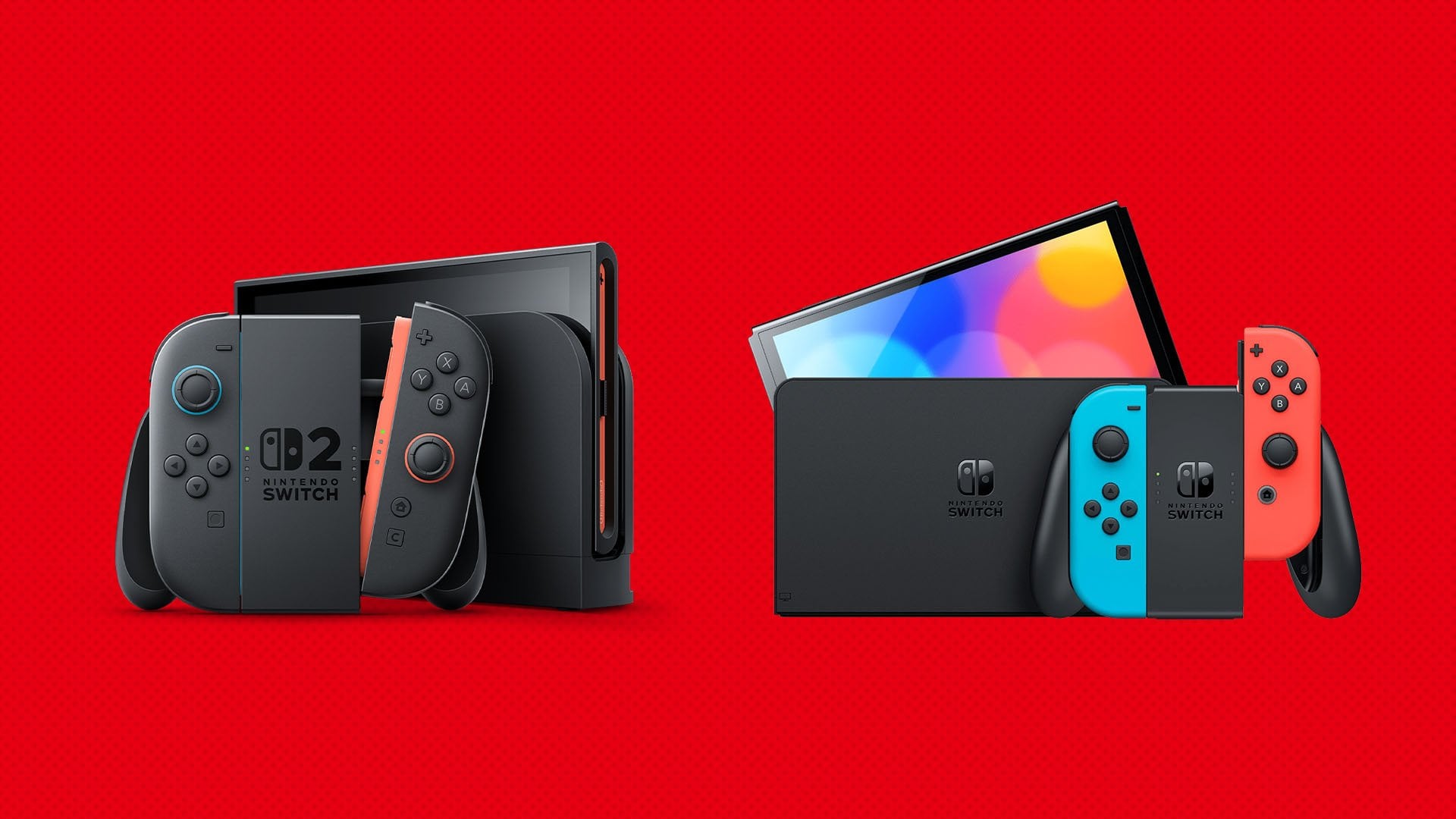
Nintendo Switch 2 Sales Ignite Excitement as Original Switch Surpasses 154 Million Units
The video game industry is abuzz with the latest sales figures, revealing a monumental moment for Nintendo’s iconic hybrid console. We are proud to report that the Nintendo Switch 2, a highly anticipated successor, has already achieved a remarkable 10.36 million units in global sales. This staggering figure, reached shortly after its launch, underscores the immense anticipation and immediate consumer embrace of Nintendo’s newest hardware innovation. Simultaneously, the original Nintendo Switch has continued its phenomenal trajectory, now boasting an astonishing 154.01 million units sold worldwide. This dual achievement paints a vibrant picture of Nintendo’s enduring appeal and its mastery in captivating a global audience with innovative gaming experiences.
The gaming landscape is a dynamic and competitive arena, and achieving such significant sales milestones is a testament to Nintendo’s strategic vision and unwavering commitment to quality. As we delve deeper into these figures, it becomes clear that the Nintendo Switch 2 is not merely a follow-up but a powerful statement of intent from a company that consistently redefines portable and home console gaming. The original Switch’s persistent sales momentum, even in the face of newer hardware, highlights its unique appeal and the deep library of games that have cemented its place as one of the best selling consoles of all time.
The Phenomenal Ascent of the Nintendo Switch 2: Early Successes and Future Prospects
The launch of any new gaming console is a critical juncture, but the Nintendo Switch 2 has managed to not only meet but exceed expectations with its impressive initial sales of 10.36 million units. This figure, achieved in a relatively short period, speaks volumes about the strong brand loyalty Nintendo commands and the inherent desirability of its innovative hardware. The immediate success suggests that the Switch 2 has successfully tapped into a core market eager for its unique blend of portability and home console power.
We observe that the Nintendo Switch 2’s rapid sales are likely fueled by a combination of factors. Firstly, the established ecosystem of the original Switch has created a fertile ground for its successor. Gamers are already familiar with the Nintendo online services, the joy of seamless gaming transitions, and the inherent versatility that the Switch brand represents. The Switch 2 builds upon this foundation, offering enhanced performance, improved features, and a refined user experience that appeals to both existing Nintendo fans and newcomers alike.
Furthermore, the strategic marketing and early software reveals for the Nintendo Switch 2 have played a pivotal role. Nintendo’s expertise in generating hype and showcasing compelling gameplay experiences is unparalleled. The reveal of key launch titles, often featuring beloved franchises, has undoubtedly been a significant driver for consumers to invest in the new hardware. The promise of next-generation graphics, faster loading times, and innovative gameplay mechanics has resonated deeply with the gaming community.
Looking ahead, the 10.36 million unit sales for the Nintendo Switch 2 serve as a strong indicator of its long-term potential. This early momentum provides a solid base for future growth, and we anticipate that this figure will continue to climb steadily as more software becomes available and word-of-mouth marketing spreads. The console’s ability to attract a diverse demographic, from casual players to hardcore enthusiasts, further solidifies its position in the market. The Nintendo Switch 2 is poised to become another landmark device in Nintendo’s illustrious history.
Key Drivers for Nintendo Switch 2’s Initial Sales Triumph
- Brand Loyalty and Recognition: Nintendo’s established reputation for quality and innovation fosters immediate trust and desire for its new products.
- Seamless Transition from Original Switch: A familiar user interface and the promise of backward compatibility (where applicable) ease the adoption process for existing Switch owners.
- Compelling Launch Software: The inclusion of highly anticipated first-party titles that showcase the console’s capabilities is a crucial factor in driving day-one purchases.
- Innovative Hardware Design: The continued refinement of the hybrid concept, offering unparalleled flexibility in how and where games are played, remains a significant draw.
- Effective Marketing Campaigns: Nintendo’s knack for generating excitement and clearly communicating the unique selling propositions of its new hardware ensures widespread awareness.
The Unyielding Reign of the Original Nintendo Switch: A Console That Redefined Gaming
While the Nintendo Switch 2 rightfully captures headlines with its impressive debut, it is impossible to discuss Nintendo’s current market dominance without acknowledging the unprecedented success of the original Nintendo Switch. With a staggering 154.01 million units sold globally, this console has not just sold well; it has revolutionized the gaming industry. Its enduring popularity and sustained sales performance, even years after its initial release, are a testament to its timeless appeal and the genius of its design.
The original Nintendo Switch achieved what many believed was impossible: it successfully bridged the gap between home console gaming and portable play. This hybrid nature was a game-changer, offering players the freedom to enjoy high-quality gaming experiences on their television screens or on the go, without compromising on performance or immersion. This versatility struck a chord with a vast audience, from busy professionals seeking quick gaming sessions to families looking for shared entertainment experiences.
We recognize that the Nintendo Switch’s success is intrinsically linked to its phenomenal software library. Nintendo’s commitment to delivering critically acclaimed first-party titles has been a cornerstone of its appeal. Games like The Legend of Zelda: Breath of the Wild, Super Mario Odyssey, Animal Crossing: New Horizons, and Pokémon series entries have not only achieved massive commercial success but have also garnered universal praise for their innovation, creativity, and pure fun. These titles are often system sellers, drawing players to the platform and keeping them engaged for years.
Beyond its flagship titles, the Nintendo Switch also became a haven for indie developers. The console’s accessible development environment and its appeal to a broad audience made it an attractive platform for smaller studios to release their unique and innovative games. This resulted in a diverse and robust indie game scene on the Switch, further enhancing its value proposition for a wide range of players.
The 154.01 million unit sales figure is not just a number; it represents millions of individual gaming moments, shared experiences, and cherished memories. It signifies Nintendo’s ability to connect with players on an emotional level, delivering joy and entertainment in a way that few other companies can. The Nintendo Switch has redefined expectations for what a video game console can be, and its legacy is now firmly cemented in gaming history.
Factors Contributing to the Original Nintendo Switch’s Enduring Dominance
- Revolutionary Hybrid Design: The seamless integration of home console and portable play provided unprecedented gaming flexibility.
- Exceptional First-Party Software Library: Iconic franchises and critically acclaimed titles consistently draw and retain players.
- Strong Indie Game Support: A vibrant ecosystem of independent games offering diverse and unique experiences.
- Family-Friendly Appeal: The console’s accessibility and focus on fun make it a popular choice for all ages.
- Longevity and Continued Relevance: Sustained software releases and strong community engagement keep the platform alive and thriving.
The Symbiotic Relationship: How Switch 2’s Success Fuels Original Switch’s Momentum
The unveiling of the Nintendo Switch 2’s sales figures, alongside the continued exceptional performance of the original Nintendo Switch, presents a fascinating dynamic: the symbiotic relationship between the two consoles. Far from cannibalizing its predecessor’s market share, the arrival of the Switch 2 appears to be re-energizing interest in the entire Nintendo Switch family, leading to sustained, rather than diminished, sales for the original model.
We observe that the Nintendo Switch 2’s success often acts as a powerful marketing tool for the original Switch. When potential new customers become aware of the Switch 2’s impressive capabilities and market reception, they may first explore the existing Switch ecosystem. This can lead them to discover the original Switch, which, at a potentially more accessible price point, offers a wealth of incredible gaming experiences. This creates a pipeline of new customers entering the Nintendo universe, many of whom may eventually upgrade to the Switch 2 or remain loyal to the original model due to its extensive game library and value.
Furthermore, the continued release of new software for the original Nintendo Switch plays a crucial role in its sustained sales. Nintendo has a proven track record of supporting its hardware for extended periods, and the Switch 2’s launch has not signaled an immediate end to new titles for its predecessor. This ongoing content stream ensures that the original Switch remains a compelling purchase for those who haven’t yet experienced it, or for existing owners looking for fresh gaming opportunities.
The price point also becomes a significant factor. As the Nintendo Switch 2 establishes itself in the market, the original Switch often becomes available at attractive price reductions. This makes it an even more irresistible entry point into Nintendo’s unique gaming world, particularly for budget-conscious consumers or those looking for a secondary gaming device. The value proposition of the original Switch remains exceptionally strong, especially when bundled with popular games.
In essence, the Nintendo Switch 2 acts as a beacon of innovation, drawing attention to Nintendo’s gaming prowess. This heightened awareness benefits the entire brand, and the original Switch, with its massive library, established user base, and attractive pricing, continues to be a cornerstone of this success. The 154.01 million units sold is a testament to this enduring appeal, bolstered by the excitement surrounding its successor.
Synergistic Factors Driving Continued Original Switch Sales
- Halo Effect: The success of the Switch 2 draws broader attention to the Nintendo Switch brand, increasing overall interest.
- Value Proposition: The original Switch, often available at reduced prices, offers an excellent entry point into Nintendo’s gaming ecosystem.
- Continued Software Support: Ongoing releases of new games for the original Switch keep it relevant and appealing to a wider audience.
- Expanded Market Reach: New customers attracted by the Switch 2 may opt for the more affordable original Switch, broadening the install base.
- Complementary Ecosystem: The existence of both consoles fosters a robust Nintendo gaming environment, benefiting all users.
Analyzing the Sales Data: A Deep Dive into Global Adoption
The 10.36 million units for the Nintendo Switch 2 and 154.01 million units for the original Nintendo Switch are not just numbers; they represent a profound global adoption of Nintendo’s gaming philosophy. These figures, meticulously tracked and analyzed, reveal key insights into consumer behavior, market penetration, and the enduring power of well-crafted gaming hardware and software.
We can deduce that the Nintendo Switch 2’s immediate success indicates a strong demand in key global markets. While specific regional breakdowns are proprietary, this rapid uptake suggests significant traction in North America, Europe, and Japan – traditional strongholds for Nintendo. The ability to achieve over ten million units so quickly points to a highly effective distribution network and robust pre-order campaigns that capitalized on pent-up demand. This early success is crucial for establishing a strong software development pipeline, as third-party developers are more likely to invest in games for a console with a substantial install base.
The original Nintendo Switch’s monumental 154.01 million unit sales paint a picture of unparalleled market saturation and long-term consumer loyalty. This figure places the Switch among the all-time best-selling video game consoles, a league previously dominated by titans like the PlayStation 2 and the Nintendo DS. The longevity of its sales trajectory is particularly noteworthy. Unlike many consoles that see a sharp decline after the launch of their successor, the Switch’s sales have remained remarkably resilient. This suggests that the console has successfully penetrated diverse demographics and geographic regions, becoming a staple in households worldwide.
We can also infer that the software sales directly correlate with these hardware figures. For every console sold, there is a high likelihood of accompanying game purchases. The massive library available for both the Switch 2 and the original Switch, particularly Nintendo’s own evergreen titles, ensures a consistent revenue stream and keeps players engaged. The attach rate – the ratio of software units sold per console – is a critical metric, and for Nintendo, it has historically been exceptionally strong.
The continued sales of the original Switch also reflect its versatility and affordability. As mentioned previously, its accessibility makes it a prime candidate for impulse buys, gifts, and for consumers in emerging markets where the latest hardware might be out of reach. The Nintendo Switch Lite, a more budget-friendly, portable-only version, has also contributed to these overall figures, broadening the appeal of the Switch brand to an even wider audience.
Understanding these sales figures requires looking beyond mere unit counts. They represent the success of Nintendo’s unique strategy, which prioritizes innovation, engaging gameplay, and a family-friendly approach. The Nintendo Switch 2 is poised to build upon this legacy, and the original Switch serves as an enduring testament to Nintendo’s ability to create consoles that transcend generations and capture the hearts of gamers worldwide.
Interpreting the Sales Milestones: Key Takeaways
- Global Market Penetration: The high sales figures indicate successful adoption across major global gaming markets.
- Consumer Demand and Brand Equity: Strong sales demonstrate sustained consumer trust and desire for Nintendo’s products.
- Software-Hardware Synergy: The sales figures imply a strong correlation with robust software sales, a hallmark of Nintendo’s ecosystem.
- Longevity and Market Saturation: The original Switch’s sales position it as one of the most successful consoles ever, indicating deep market penetration.
- Strategic Pricing and Accessibility: The availability of different models (including the Lite) and potential price adjustments contribute to broad adoption.
The Future of Gaming: Nintendo’s Continued Influence and Innovation
The staggering sales figures for both the Nintendo Switch 2 (10.36 million units) and the original Nintendo Switch (154.01 million units) are not merely statistical achievements; they are powerful indicators of Nintendo’s profound and enduring influence on the future of the gaming industry. As we analyze these remarkable numbers, it becomes evident that Nintendo continues to lead the charge in innovation, player engagement, and market diversification.
The Nintendo Switch 2’s immediate success validates Nintendo’s core philosophy: the creation of unique and accessible gaming experiences that appeal to a broad spectrum of players. By evolving its successful hybrid concept, Nintendo has once again demonstrated its ability to anticipate and shape consumer desires. This forward-thinking approach ensures that the company remains at the forefront of technological advancement while staying true to its roots of delivering pure, unadulterated fun. We foresee the Switch 2 not only matching but potentially surpassing the monumental success of its predecessor, further solidifying Nintendo’s position as a dominant force in the global entertainment landscape.
The original Nintendo Switch’s incredible sales performance (154.01 million units) is a testament to its revolutionary impact. It redefined what a video game console could be, blurring the lines between dedicated home entertainment and portable gaming. This unprecedented versatility has not only captivated millions of players but has also inspired competitors and set new benchmarks for hardware design and user experience. The console’s legacy is one of innovation and accessibility, a standard that future consoles will undoubtedly strive to emulate.
We believe that Nintendo’s consistent focus on quality first-party software is a critical component of its ongoing success. The company’s ability to consistently deliver critically acclaimed and commercially successful titles within its beloved franchises ensures a continuous influx of players to its platforms. This strong content pipeline, coupled with an ever-expanding library of third-party and indie games, creates an unparalleled gaming ecosystem that keeps players engaged for the long term.
Looking ahead, the synergistic success of the Nintendo Switch 2 and the enduring popularity of the original Switch positions Nintendo for continued dominance. The company’s commitment to player-centric design, creative game development, and strategic market expansion are the pillars upon which its future success will be built. As the gaming industry evolves, Nintendo’s unique approach promises to remain a driving force of innovation, delighting players and redefining the boundaries of interactive entertainment for years to come. The 10.36 million and 154.01 million sales milestones are not just endpoints, but significant markers on a journey of continued gaming excellence.
Nintendo’s Enduring Legacy and Future Trajectory
- Pioneering Hybrid Gaming: The Switch redefined console gaming, offering unparalleled flexibility and accessibility.
- Commitment to Quality Software: A consistent stream of critically acclaimed first-party titles remains a core strength.
- Broad Market Appeal: Nintendo’s focus on family-friendly entertainment attracts a diverse global audience.
- Inspiring Industry Innovation: The Switch’s success has influenced hardware design and software development across the industry.
- Strong Foundation for Future Growth: The combined success of the Switch 2 and the original Switch sets a strong precedent for Nintendo’s continued market leadership.