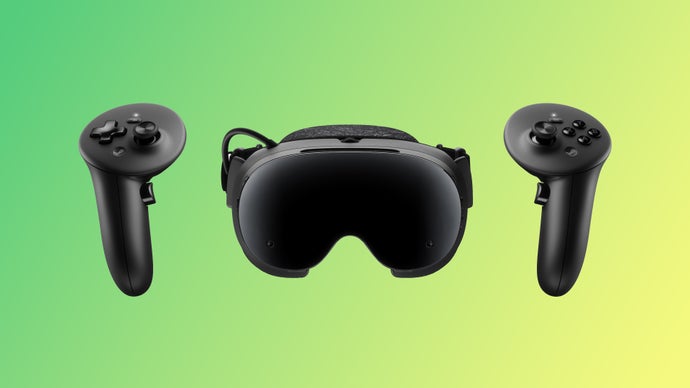
Steam Frame Preview: A Long-Awaited Standalone VR Headset Running Steam Games on ARM
The virtual reality landscape is poised for a paradigm shift, and at Gaming News, we’re at the forefront, bringing you an in-depth look at what could be the most exciting development in the VR space in years: Valve’s standalone VR headset, codenamed “Deckard,” tentatively named “Steam Frame” by the community. For years, whispers and rumors have circulated about Valve’s ambitions beyond PC-tethered VR, and the Steam Frame is the culmination of that vision: a truly standalone, untethered VR experience powered by the vast Steam ecosystem. This isn’t just another VR headset; it’s a bold step into the future of immersive gaming and entertainment, leveraging cutting-edge technology to deliver unparalleled performance and freedom. Forget the constraints of cables and powerful PCs; the Steam Frame promises a seamless, high-fidelity VR experience that you can take anywhere.
Unveiling the Steam Frame: A Deep Dive into the Hardware and Design
Valve has remained remarkably tight-lipped about the Steam Frame’s official specifications, however, leaks and insider information paint a compelling picture. The core of the Steam Frame is its standalone nature. It eschews the need for external base stations or PC connections, incorporating all the necessary tracking, processing, and display technology into a single, self-contained unit.
Display Technology: From initial reports, the Steam Frame is believed to feature high-resolution, fast-refresh rate LCD panels, possibly utilizing dual panels for stereoscopic 3D rendering. This translates to sharper images, reduced screen-door effect, and smoother motion, contributing to a more immersive and comfortable VR experience. Expect resolutions per eye to be at least 2160x2160 pixels, potentially even higher depending on the final specifications. Refresh rates are also rumored to be targeting at least 120Hz, crucial for minimizing latency and motion sickness.
Inside-Out Tracking: Like many modern VR headsets, the Steam Frame leverages inside-out tracking, utilizing onboard cameras and sophisticated algorithms to track the user’s position and orientation in space without the need for external sensors. This allows for a truly untethered experience, giving users the freedom to move and explore virtual environments without being restricted by the placement of base stations. Expect a wide field of view for the tracking cameras to provide robust and accurate tracking across a variety of environments.
Processing Power: The Steam Frame is expected to be powered by a custom-designed ARM-based chipset, potentially a Snapdragon variant optimized for VR applications. This chip will handle all the processing required for rendering VR environments, tracking user movements, and managing input from controllers. This marks a significant departure from the traditional PC-centric VR paradigm and paves the way for more portable and energy-efficient VR devices.
Ergonomics and Comfort: While specific details are scarce, Valve is known for its meticulous approach to hardware design, and it’s likely that the Steam Frame will prioritize comfort and ergonomics. Expect a well-balanced design, adjustable head straps, and breathable materials to ensure a comfortable fit for extended VR sessions. The headset is also likely to incorporate integrated headphones or support for user-supplied headphones for immersive audio.
Connectivity: Although designed for standalone use, the Steam Frame will likely include various connectivity options, such as Wi-Fi for downloading games and streaming content, Bluetooth for connecting controllers and other peripherals, and potentially a USB-C port for charging and data transfer. These connectivity options will allow users to expand the capabilities of the headset and connect to other devices.
Foveated Streaming: Revolutionizing VR Performance
One of the most innovative features rumored to be integrated into the Steam Frame is foveated streaming. Foveated rendering is a technique that focuses processing power on the area of the display that the user is currently looking at, while reducing the resolution and detail in the peripheral vision. This dramatically reduces the processing load on the system, allowing for higher-fidelity visuals and improved performance without requiring significantly more powerful hardware.
How Foveated Streaming Works: Foveated streaming takes this concept a step further by rendering the high-resolution, focused area of the display on a separate, more powerful machine (such as a gaming PC) and streaming it to the headset. The peripheral vision is rendered locally on the headset’s ARM-based processor. This allows the Steam Frame to leverage the power of a dedicated gaming PC for demanding VR experiences while maintaining the portability and convenience of a standalone headset.
Eye-Tracking Integration: Foveated streaming relies on precise eye-tracking technology to determine where the user is looking. The Steam Frame is expected to incorporate advanced eye-tracking sensors that can accurately track the user’s gaze in real-time. This data is then used to dynamically adjust the rendering resolution and detail, ensuring that the user always sees the highest-quality visuals in their area of focus.
Benefits of Foveated Streaming: The benefits of foveated streaming are significant. It allows the Steam Frame to deliver high-fidelity VR experiences that would otherwise be impossible on a standalone device. It also reduces latency and improves overall performance, resulting in a more responsive and immersive VR experience. Furthermore, it can extend battery life by reducing the processing load on the headset’s internal components.
SteamOS on ARM: A New Frontier for VR Gaming
The Steam Frame marks a significant milestone: the debut of SteamOS on an ARM-based platform. SteamOS, Valve’s Linux-based operating system designed for gaming, has traditionally been associated with x86-based PCs. However, the Steam Frame represents a bold move to bring SteamOS to the ARM architecture, opening up a new world of possibilities for mobile and embedded gaming.
Optimized for VR: SteamOS on ARM is expected to be heavily optimized for VR applications, leveraging the unique capabilities of the ARM architecture to deliver optimal performance and efficiency. This includes optimizations for rendering VR environments, managing input from controllers, and handling audio and video processing.
Seamless Steam Integration: One of the key advantages of SteamOS is its seamless integration with the Steam platform. This means that Steam Frame users will have access to their existing Steam libraries and can easily download and play their favorite VR games. The Steam Frame will also support Steam features such as cloud saves, achievements, and social networking.
Developer Opportunities: The Steam Frame and SteamOS on ARM also present exciting opportunities for game developers. Developers can leverage the SteamOS platform to create VR games specifically optimized for the ARM architecture, taking advantage of its unique capabilities and reaching a wider audience of mobile and embedded gamers.
The Implications of a Standalone SteamVR Headset: A Game Changer?
The Steam Frame’s standalone nature has enormous implications for the VR industry. Free from the constraints of PCs and external sensors, the Steam Frame promises to make VR more accessible, portable, and convenient than ever before.
Increased Accessibility: The Steam Frame eliminates the need for expensive gaming PCs, making VR accessible to a wider range of consumers. This could significantly expand the VR market and drive broader adoption of VR technology.
Enhanced Portability: The Steam Frame’s standalone design allows users to take VR anywhere they go. Whether it’s playing games on the go, collaborating with colleagues in virtual workspaces, or experiencing immersive entertainment in different locations, the Steam Frame offers unparalleled portability and freedom.
Simplified Setup and Use: Setting up and using the Steam Frame is expected to be much simpler than traditional PC-tethered VR headsets. With no need for external sensors or complicated software configurations, users can simply put on the headset and start experiencing VR immediately.
Competition and Innovation: The Steam Frame is poised to disrupt the VR market and drive innovation across the industry. Its unique features and capabilities will likely inspire other manufacturers to develop similar standalone VR headsets, leading to a more competitive and dynamic VR landscape.
Future of VR Gaming on Gaming News
The Steam Frame represents a bold step forward in the evolution of VR technology. Its standalone design, foveated streaming capabilities, and SteamOS on ARM integration promise to deliver a truly revolutionary VR experience. At Gaming News, we are incredibly excited about the potential of the Steam Frame and its impact on the future of VR gaming. As more details emerge, we will continue to provide in-depth coverage and analysis of this groundbreaking device, keeping you informed about the latest developments in the world of VR. The Steam Frame is not just a product; it’s a statement: Valve believes in the future of VR, and they’re betting big on a standalone, untethered experience that will change the way we play and interact with virtual worlds. Stay tuned for further updates, reviews, and insights as we delve deeper into the exciting world of the Steam Frame. We’re just getting started!