Sony’s Strategic Move: A Region-Specific PlayStation 5 Console Emerges, Targeting the Japanese Market with Unprecedented Affordability
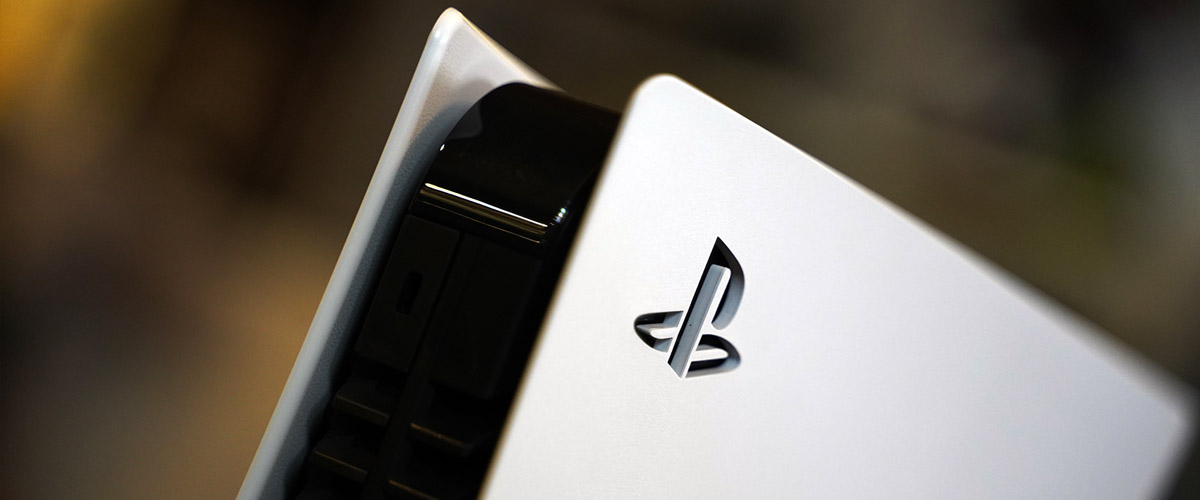
In a move that has sent ripples through the global gaming community, Sony Interactive Entertainment has officially announced the impending release of a new PlayStation 5 console, specifically designed and priced for the discerning Japanese market. This strategic initiative, reminiscent of strategies employed by Nintendo in previous console generations, appears to be a calculated effort to deepen its penetration within its home territory, a region where the PlayStation brand has historically enjoyed immense success and brand loyalty. While details remain somewhat nascent, the core of this announcement centers on a significantly reduced price point and a language-specific operating system and user interface, features that are poised to redefine the entry barrier for next-generation gaming in Japan.
The Genesis of a Targeted Console: Learning from Gaming History
The gaming industry has a rich history of hardware revisions and regional-specific models, often designed to cater to unique market demands and economic landscapes. Nintendo, in particular, has a well-documented playbook of releasing simplified or more affordable versions of their consoles for specific territories. The Nintendo DS Lite, the Game Boy Advance SP, and various iterations of the Nintendo Switch Lite are prime examples of how a company can strategically adjust its hardware offerings to capture a broader audience or to compete more effectively in price-sensitive markets. This approach allows for wider accessibility and can cultivate a new generation of gamers who might have been deterred by the initial premium cost of flagship consoles.
Sony’s decision to follow a similar path with the PlayStation 5 in Japan is a testament to the enduring influence of these past strategies. It suggests a deep understanding of the Japanese consumer, who, while being early adopters of cutting-edge technology, also possesses a keen sense of value. By releasing a PlayStation 5 variant tailored to the specific linguistic and economic conditions of Japan, Sony is not just launching a new product; it is engaging in a nuanced market segmentation strategy that could have far-reaching implications for its market share and overall brand perception within the country. The aim is clear: to make the PlayStation 5 experience more attainable and culturally resonant for Japanese players.
Unpacking the “Cheaper” Aspect: What Price Point Can We Expect?
While Sony has not yet divulged exact pricing figures for this specialized PlayStation 5, the emphasis on it being a “cheaper” console is a significant indicator. This implies a conscious effort to strip away certain non-essential features or to leverage localized manufacturing and distribution efficiencies to bring down the overall cost of production and, subsequently, the retail price.
Several factors could contribute to this reduced cost. It’s possible that this Japanese-language PlayStation 5 might forgo certain premium components or functionalities that are deemed less critical for the target market. For instance, if the primary focus is on domestic gameplay and media consumption, features that are heavily reliant on global network infrastructure or international content delivery might be scaled back. Alternatively, Sony might be capitalizing on favorable exchange rates or optimized supply chain logistics within Japan to achieve cost savings. The goal is to create a compelling value proposition that directly addresses the price sensitivity of a segment of the Japanese gaming population. This could involve a streamlined hardware configuration or a reduced bundle offering, ensuring that the core PlayStation 5 gaming experience remains intact while making it more economically viable. The promise of a more affordable entry point to next-generation gaming is a powerful lure, and Sony seems poised to exploit this with a strategically priced console.
The “Japanese-Language Only” Distinction: A Deeper Cultural Integration
The most striking aspect of this new PlayStation 5 model is its designation as a “Japanese-language only” console. This is not merely a superficial localization; it signifies a profound commitment to cultural integration and user experience tailored specifically for the Japanese audience. In an era where globalized technology often means a universal, multi-lingual interface, Sony’s decision to restrict this model to Japanese is a bold and deliberate one.
This exclusivity suggests a deep dive into the linguistic nuances and cultural preferences of Japanese gamers. The operating system, the user interface, the system menus, and potentially even pre-installed applications or services could be meticulously crafted to feel natively Japanese. This goes beyond simple translation; it involves adapting the entire user experience to align with Japanese conventions of design, navigation, and interaction. Think of how certain apps or services in Japan have unique user interfaces that are optimized for local usage patterns and aesthetic sensibilities. This localized approach can significantly enhance user satisfaction and reduce the cognitive load for players who may not be as comfortable with English-based interfaces, even if they have a general understanding of the language.
Furthermore, a Japanese-language only console can also streamline the development and testing process for Sony, potentially leading to further cost efficiencies. By focusing development efforts on a single language and cultural context, they can optimize the software for a specific user base without the complexities of supporting multiple languages and regional variations. This focused approach allows for greater attention to detail and a more polished, culturally resonant user experience that can foster a stronger sense of belonging and ownership among Japanese players. It’s about creating a PlayStation 5 that doesn’t just speak Japanese, but truly understands and embodies the Japanese gaming culture.
Targeting the Japanese Market: A Strategic Rationale
Japan has always been a crucial territory for Sony and the PlayStation brand. The country has a long-standing and deeply ingrained passion for video games, with a discerning consumer base that has consistently driven innovation and shaped trends in the industry. Historically, PlayStation consoles have enjoyed phenomenal success in Japan, often becoming cultural phenomena.
However, the landscape of gaming is constantly evolving. The rise of mobile gaming, the increasing popularity of PC gaming, and the competitive offerings from other console manufacturers mean that even established brands must continuously adapt their strategies. By introducing a more affordable, Japanese-language focused PlayStation 5, Sony is aiming to:
- Broaden the PlayStation 5’s appeal: This new model can attract gamers who might have been hesitant to invest in the current PlayStation 5 due to its price point. This includes younger gamers, students, or those who are more budget-conscious.
- Reinforce brand loyalty: By offering a product that is specifically tailored to the Japanese market, Sony can further strengthen its connection with its existing fanbase and demonstrate its commitment to its home audience.
- Compete effectively: This move allows Sony to compete more directly with offerings from other platforms and to counter any potential market share erosion.
- Tap into new demographics: The reduced price and simplified user experience could open the doors to individuals who have not previously engaged with the PlayStation ecosystem.
This strategic decision reflects a sophisticated understanding of market dynamics and a willingness to innovate in hardware offerings to meet specific regional demands. It’s a calculated gamble that leverages Sony’s established brand equity with a product designed for maximum impact within Japan.
Potential Hardware and Software Adjustments: What Could Be Different?
To achieve a lower price point and a focused user experience, it is reasonable to speculate on potential modifications to the PlayStation 5 hardware and software. While the core gaming performance is unlikely to be compromised to a significant degree, certain features might be re-evaluated:
Hardware Considerations:
- Storage Capacity: A slightly reduced internal SSD capacity might be considered, especially if Sony anticipates that many Japanese users will primarily download games or utilize external storage solutions.
- Digital Edition Focus: It is plausible that this model might exclusively be the Digital Edition, eliminating the need for a Blu-ray drive, which can contribute to manufacturing costs.
- Regional Component Sourcing: Sony might leverage more localized component suppliers within Japan or Asia to reduce shipping costs and import duties.
- Packaging and Accessories: Simplified packaging and a more basic accessory bundle (e.g., fewer cables, simpler controller design if possible without sacrificing core functionality) could also contribute to cost savings.
Software and User Interface Enhancements:
- Deeply Integrated Japanese OS: As mentioned, the entire operating system would be built from the ground up with Japanese language and cultural norms in mind. This could include:
- Optimized navigation and menu structures that align with Japanese usability preferences.
- Region-specific pre-installed apps and services that are popular in Japan (e.g., unique social networking integrations, streaming services tailored to the Japanese market).
- Customizable themes and wallpapers that resonate with Japanese aesthetics.
- Enhanced support for Japanese input methods and text-to-speech functionality.
- Exclusive Content and Promotions: Sony could tailor exclusive game bundles, in-game content, or promotional offers that are specifically appealing to the Japanese gaming community.
- Streamlined Online Services: While core PlayStation Network functionalities would undoubtedly remain, there might be a focus on integrating with Japanese-specific online services or payment gateways, further enhancing the user experience.
The key is to maintain the essential PlayStation 5 gaming experience – powerful graphics, fast loading times, and access to a vast library of games – while strategically optimizing other aspects to achieve the desired price and cultural fit.
The Competitive Landscape: A Shifting Dynamic in Japan
The Japanese gaming market is a fiercely competitive arena. Historically, the PlayStation brand has held a dominant position, but recent years have seen the rise of strong contenders and a diversification of gaming preferences.
- Nintendo Switch Dominance: The Nintendo Switch has achieved unprecedented success in Japan, captivating a wide demographic with its hybrid portability and family-friendly appeal. A more affordable PS5 could serve as a direct counterpoint, offering a distinct next-generation experience for those seeking more graphically intensive or mature titles.
- Xbox’s Growing Presence: While historically a smaller player in Japan, Microsoft has been making concerted efforts to increase its market share. A price-competitive PS5 could put further pressure on Xbox’s ambitions in the region.
- Mobile Gaming’s Pervasiveness: Mobile gaming is an enormous segment in Japan, and the accessibility of free-to-play titles presents a constant challenge for traditional console manufacturers. However, a more affordable PS5 could entice mobile gamers looking for a more immersive and high-fidelity gaming experience.
- PC Gaming’s Niche but Dedicated Following: While not as mainstream as in some Western markets, PC gaming has a dedicated following in Japan, particularly for certain genres like real-time strategy and MMORPGs.
By introducing this region-specific PlayStation 5, Sony is not only addressing its existing customer base but also strategically positioning itself to capture new segments of the market that may have been previously underserved or priced out. This move is a clear indication of Sony’s commitment to retaining and expanding its stronghold in its most important domestic market. The cheaper, Japanese-language only PS5 is more than just a console; it’s a cultural statement and a strategic pivot designed to ensure PlayStation’s continued dominance in Japan.
Looking Ahead: The Potential Impact and Future Implications
The release of a cheaper, Japanese-language only PlayStation 5 has the potential to significantly impact the gaming landscape in Japan and could even set a precedent for future hardware strategies.
- Increased PS5 Adoption Rates: Lowering the barrier to entry will almost certainly lead to a surge in PlayStation 5 adoption rates within Japan. This can translate into a larger install base for Sony’s first-party titles and a more robust ecosystem for third-party developers.
- Strengthened PlayStation Ecosystem: A larger, more engaged player base in Japan will further solidify the PlayStation ecosystem’s dominance in the region. This can lead to increased player engagement, longer gaming sessions, and a more vibrant online community.
- A Blueprint for Other Regions? While this particular model is specifically designed for Japan, the underlying strategy of creating region-specific, more affordable console variants could be a blueprint for Sony to explore in other markets where price sensitivity or linguistic preferences are significant factors. This could lead to a more diverse range of PlayStation hardware offerings globally.
- Focus on Cultural Relevance: The emphasis on a “Japanese-language only” interface highlights the increasing importance of cultural relevance in the globalized technology market. Companies that can effectively tailor their products to the specific cultural nuances of their target audiences are likely to achieve greater success.
In essence, Sony’s latest announcement is a masterclass in market segmentation and strategic product development. By carefully analyzing the needs and preferences of the Japanese consumer, and by drawing inspiration from successful past strategies, Sony is poised to deliver a PlayStation 5 experience that is not only powerful and cutting-edge but also deeply accessible and culturally resonant. This move is a strong indicator of Sony’s continued dedication to the Japanese market and its commitment to ensuring that the PlayStation brand remains at the forefront of next-generation gaming for years to come. The cheaper, Japanese-language only PlayStation 5 is not just an evolution; it’s a revolution in localized console strategy.