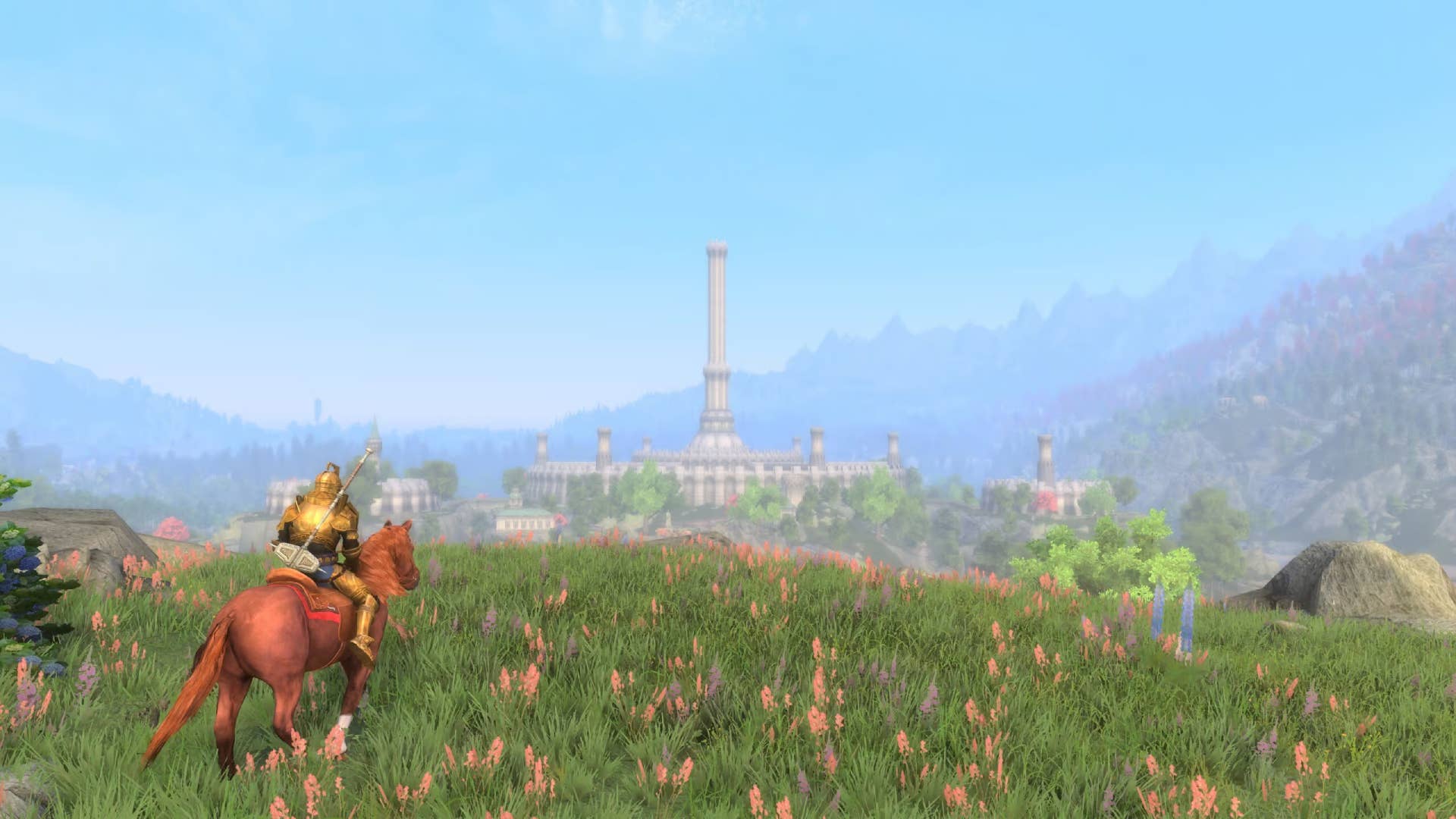
Skyblivion’s 2025 Release Goal Under Scrutiny: Insiders Raise Concerns About Project Viability and Leadership
Skyblivion, the highly anticipated fan-made remake of The Elder Scrolls IV: Oblivion within the Skyrim engine, has found itself at the center of a brewing controversy. Recent statements from a longtime developer on the project have cast serious doubt on the feasibility of its ambitious 2025 release target, alleging that the mod is being “rushed out the door” and that its stated goals are “pointless and unachievable.” These revelations have sent ripples through the dedicated modding community, sparking discussions about project management, developer well-being, and the very nature of passion projects.
Insider Claims Emerge Amidst Project Showcase
The claims surfaced shortly after Skyblivion offered a tantalizing glimpse into its progress during the Creation Mod Con event, showcasing the opening fifteen minutes of the reimagined Oblivion. This demonstration, intended to excite fans and highlight the team’s dedication, inadvertently became the backdrop for significant internal concerns being voiced publicly. The developer in question, Dee Keyes, who is listed as a world designer on the official Skyblivion team page and previously held the position of level design department lead, has come forward with a series of allegations painting a picture of a project under immense pressure.
Keyes’s statement, initially made via Twitter and later confirmed to other publications, indicates a deep-seated frustration with the project’s direction and leadership. The core of the criticism revolves around the perceived unsustainable pace at which the development is allegedly being pushed, leading to concerns about burnout and the quality of the final product. The assertion that the 2025 deadline is “pointless and unachievable” suggests a significant disconnect between the team’s stated objectives and the practical realities of such a massive undertaking.
The Catalyst for Departure: Concerns Ignored, Team Members Depart Unannounced
The situation escalated when Dee Keyes revealed that their decision to speak out and ultimately depart from the Skyblivion team was directly influenced by the departure of another longtime volunteer, KettleWitch. According to Keyes, KettleWitch had voiced similar concerns regarding project communication and the viability of the release date.
“My departure and choice to write my statement came when I’d discovered that another one of our longtime volunteers, KettleWitch, had left over the same issues,” Keyes stated. This revelation is particularly damning, as it suggests a pattern of unchecked issues and a lack of response from project leadership.
Keyes further elaborated on KettleWitch’s experience, claiming that their efforts to voice concerns about the communication on the project and the team’s ability to hit the announced release date goal were met with “no real concern.” The situation was compounded by the fact that when KettleWitch subsequently left the Skyblivion team, “no announcement was made to the team and we weren’t even made aware that one of our old guard had left.”
This lack of transparency and acknowledgment is presented as the primary impetus for Keyes’s own decision to leave. “This was the push for me to finally leave since it seemed like any attempt for me to do the same would just be met with the same apathy,” Keyes explained. This sentiment points to a potential breakdown in internal communication and a culture where developer feedback is not being adequately addressed.
Ignoring Warning Signs: A Pattern of Apathy Alleged
The accusation that warning signs were ignored is a significant point of contention. Keyes directly addressed [Skyblivion project lead] Rebelzize, stating, “I know to [Skyblivion project lead] Rebelzize this has come out of nowhere, but there were more than enough warning signs that were ignored.” This implies that the leadership may have been insulated from or unwilling to acknowledge the growing dissatisfaction and practical challenges faced by the development team.
The hope expressed by Keyes is that this public revelation might serve as a wake-up call. “If our leaving shocks them into listening to the rest of the developers’ feelings then some good will have come from it,” they said. This statement underscores a desire for a more empathetic and responsive leadership style within the Skyblivion project, one that prioritizes the well-being and constructive feedback of its dedicated volunteers.
Defining “Minimum Viable Product”: A Call for Realistic Goals
Central to Keyes’s critique is the distinction between ambition and unsustainable pressure. The developer clarified that their desire for a project delay is not an excuse for perpetual feature creep, a common pitfall in large-scale modding projects. Instead, the focus is on achieving a “minimum viable product”—a functional and polished core experience—without exacting an unreasonable toll on the developers.
“I’d also like to stress [that] my desire for the project delaying isn’t so that we can keep adding feature creeps, but just to get the minimum viable product done without breaking our backs over it,” Keyes articulated. This highlights a fundamental disagreement on project scope and delivery timelines. The implication is that the current pace is forcing developers to work under extreme duress, potentially compromising the quality and long-term health of the project and its contributors.
The Perils of “Crunch” in Passion Projects
The statement concludes with a somber reflection on the current state of game development, even within the realm of fan-made projects. “It’s a sad day in the industry when even passion projects are rushed and induce crunch,” Keyes lamented. This statement resonates deeply with many in the gaming community who understand the immense dedication and personal time that modders invest. The idea that these labor-of-love endeavors are now succumbing to the same pressures and detrimental practices seen in professional game development is a disheartening prospect.
The term “crunch” refers to periods of intense, extended working hours often mandated in professional game development to meet deadlines. Its presence in a volunteer-driven project like Skyblivion suggests a fundamental misstep in project management and a potential exploitation of developer passion.
The Legacy of Skyblivion: Ambition Meets Reality
Skyblivion has long been a beacon of ambition within the Elder Scrolls modding community. The project’s goal to faithfully recreate the world of Oblivion using the more advanced Skyrim Creation Engine has captured the imagination of countless players eager to revisit the beloved province of Cyrodiil with modern visuals and gameplay mechanics. The sheer scale of this undertaking—rebuilding entire cities, landscapes, quests, and character models—is monumental, requiring hundreds of volunteer hours from individuals with diverse skill sets.
The project’s public image has consistently been one of progress and dedication. Regular development diaries, showcase videos, and team updates have painted a picture of a highly organized and passionate collective working towards a shared vision. This, coupled with the inherent appeal of experiencing Oblivion through a Skyrim lens, has generated immense anticipation for its eventual release.
However, the recent accusations from Dee Keyes bring a starkly different perspective to the forefront. They suggest that behind the polished presentations and optimistic roadmaps, there may be significant internal struggles. These struggles, if true, revolve around the very foundations of project management: realistic goal setting, effective communication, and the ethical treatment of volunteer contributors.
Understanding the Scope: Why “Rushing” is a Critical Concern
The complexity of recreating a game as expansive as Oblivion cannot be overstated. Each element, from the intricate architecture of Skingrad to the sprawling forests of the Great Forest, requires meticulous attention to detail. Character models, animations, voice acting, quest scripting, and environmental design all contribute to the immersive experience. When a project of this magnitude is perceived to be “rushed,” it raises several critical concerns:
- Quality Degradation: A hurried pace often leads to compromises in quality. Assets might be unfinished, textures may lack detail, scripting could be buggy, and voice acting might be inconsistent or incomplete. This directly impacts the player experience, potentially turning a highly anticipated remake into a janky and unpolished product.
- Technical Debt: Rushing can result in cutting corners on technical implementation. This can lead to performance issues, compatibility problems with other mods, and a codebase that is difficult to maintain or update in the future. This “technical debt” can haunt a project long after its initial release.
- Developer Burnout and Turnover: As Dee Keyes highlighted, rushing can lead to “crunch” and burnout. When volunteer developers are pushed to their limits, their enthusiasm wanes, leading to decreased productivity, creative stagnation, and ultimately, departures from the project. This is particularly detrimental to volunteer projects, which rely on sustained passion and dedication.
- Unmet Player Expectations: The immense hype surrounding Skyblivion has set incredibly high expectations. If the final product falls short due to rushed development, it can lead to widespread disappointment and backlash from the community that has supported the project for years.
The Role of Leadership and Communication
The allegations of ignored warning signs and apathetic responses to concerns point to potential deficiencies in leadership and communication within the Skyblivion team. Effective leadership in a large volunteer project involves not only setting a vision but also fostering an environment where team members feel heard, valued, and supported. This includes:
- Transparent Communication: Keeping the team informed about project progress, challenges, and changes in direction is crucial. The lack of an announcement regarding KettleWitch’s departure is a clear indicator of a breakdown in this area.
- Active Listening: Project leads must be receptive to feedback and concerns raised by team members. Dismissing or ignoring these issues, as alleged, can breed resentment and a sense of futility among contributors.
- Realistic Goal Setting: Setting achievable milestones and timelines is essential. This requires a deep understanding of the project’s scope, the team’s capacity, and the potential obstacles. The criticism that the 2025 deadline is “pointless and unachievable” suggests that these factors may not have been adequately considered.
- Empathetic Management: Recognizing the volunteer nature of the project and the personal sacrifices made by its contributors is vital. Pushing for unrealistic deadlines and ignoring the signs of developer strain is antithetical to a healthy volunteer environment.
The Future of Skyblivion: Navigating the Storm
The controversy surrounding Skyblivion’s development timeline and internal dynamics presents a significant challenge for the project. The accusations from a respected member of the team cannot be easily dismissed and warrant serious consideration from project leadership. The community, which has invested so much hope and anticipation into Skyblivion, will be watching closely to see how these issues are addressed.
Possible Paths Forward:
- Open Dialogue and Reassessment: The most constructive path forward would involve an open and honest dialogue between project leadership and the development team. This should include a thorough reassessment of the 2025 release goal, taking into account the practical realities of development and the well-being of the contributors. A public acknowledgment of the concerns raised, followed by a clear plan for addressing them, would be a crucial step in rebuilding trust.
- Prioritizing the “Minimum Viable Product”: Embracing the concept of a “minimum viable product” as described by Keyes could lead to a more focused and achievable development strategy. This would involve identifying the core features and content that define the Skyblivion experience and prioritizing their completion and polish, rather than attempting to cram in every conceivable feature.
- Strengthening Communication Channels: Implementing more robust and transparent communication channels within the team is essential. This could involve regular all-hands meetings, dedicated feedback sessions, and a commitment to disseminating important team updates promptly.
- Focus on Developer Well-being: The project leadership must prioritize the health and well-being of its volunteer developers. This means actively discouraging or eliminating “crunch” culture and ensuring that workloads are manageable and sustainable. A project that burns out its contributors is ultimately unsustainable.
The ambition behind Skyblivion is commendable, and the dedication of its modding community is undeniable. However, as the recent revelations suggest, unchecked ambition without a foundation of realistic planning, effective communication, and empathetic leadership can lead to significant internal turmoil. The coming weeks and months will be critical in determining whether Skyblivion can navigate these challenges and ultimately deliver the Oblivion remake that so many have eagerly awaited, or if these internal fissures will prove to be an insurmountable obstacle. The gaming world watches with bated breath, hoping for a resolution that prioritizes both quality and the well-being of the passionate individuals bringing this dream to life.