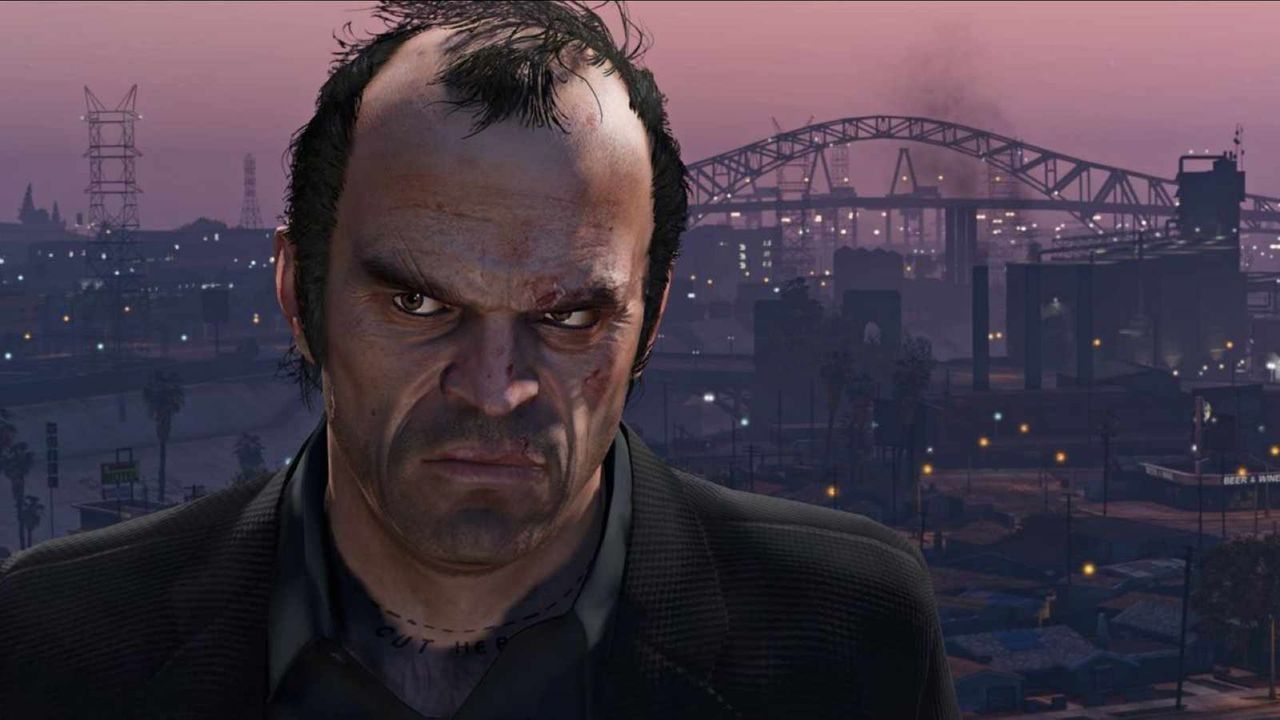
Dan Houser Reveals Unreleased GTA 5 Trevor DLC Was Nearly Complete, Discusses Impact on Red Dead Redemption 2 Development
The gaming world is still buzzing with revelations from Rockstar Games co-founder Dan Houser, particularly regarding the fate of a rumored Grand Theft Auto V DLC centered around the volatile character Trevor Philips. In a recent candid discussion, Houser confirmed that this extensive story expansion was not merely a pipe dream but was, in fact, “half-done” before its eventual cancellation. This decision, he explained, was a strategic one, with significant implications for the development of another critically acclaimed title, Red Dead Redemption 2. The implications of this unreleased content and the reasons behind its shelving continue to fascinate fans and industry observers alike, offering a unique window into the creative and logistical challenges faced by one of the most successful game development studios in history.
The Untapped Potential of a Trevor Philips DLC
The prospect of a standalone GTA 5 Trevor DLC has long been a subject of intense speculation among the player base. Trevor Philips, with his unhinged personality, chaotic past, and unpredictable nature, proved to be one of the most memorable characters introduced in Grand Theft Auto V. His unique brand of mayhem and his deeply troubled psyche offered fertile ground for narrative exploration, far beyond the confines of the main story. Fans have often envisioned scenarios where Trevor’s criminal enterprises and personal demons could be further explored, providing new gameplay mechanics and deeper character insights.
Dan Houser, speaking from his experience at Rockstar Games, has now shed significant light on the extent to which this potential was realized. He revealed that a substantial portion of the Trevor DLC was indeed completed, indicating that the studio had invested considerable resources and creative energy into its development. The fact that it reached the “half-done” stage suggests that the core narrative, gameplay elements, and potentially even significant portions of the game world had been fleshed out. This detail elevates the cancellation from a simple scrapped idea to a significant loss of a potentially game-changing piece of content for Grand Theft Auto V.
The implications of a completed, yet unreleased, DLC are vast. It begs the question of what specific storylines were being explored. Were we to delve deeper into Trevor’s past, perhaps exploring his time as a mercenary or his relationships before the events of GTA 5? Or would it have focused on his continued criminal activities in Los Santos, perhaps introducing new heists, rival gangs, or personal vendettas that were too complex or distinct to be integrated into the main narrative? The sheer potential for a character as complex and polarizing as Trevor is immense, and knowing that a significant chunk of this potential was actually developed makes its cancellation all the more poignant for dedicated Rockstar Games enthusiasts.
Strategic Sacrifices: The Red Dead Redemption 2 Connection
Perhaps the most striking revelation from Dan Houser is the direct link between the cancellation of the Trevor DLC and the subsequent development of Red Dead Redemption 2. Houser stated that had the GTA 5 DLC been released, the team “probably wouldn’t have gotten to make Red Dead 2.” This statement underscores the immense scale of ambition and the vast resources required to create a title like Red Dead Redemption 2, a sprawling open-world epic that pushed the boundaries of graphical fidelity, narrative depth, and emergent gameplay.
The development of Rockstar Games’ flagship titles is a colossal undertaking. Each project demands immense dedication from hundreds, if not thousands, of developers across multiple studios. The decision to greenlight and allocate resources to one major project inherently means diverting those resources from others. In this context, continuing to pour time and manpower into a GTA 5 DLC, even a near-complete one, would have inevitably impacted the timeline and scope of Red Dead Redemption 2.
Houser’s words suggest a crucial fork in the road for Rockstar Games. The choice was not simply about prioritizing one piece of content over another within Grand Theft Auto V, but rather about choosing between further expanding the already immensely successful GTA universe and embarking on the ambitious endeavor of creating a prequel to their beloved Red Dead Redemption series. The allure of crafting another rich, character-driven Western saga, with its own unique historical setting and narrative possibilities, clearly held immense sway.
The sheer scale of Red Dead Redemption 2—its meticulously detailed world, its complex character arcs, its vast array of activities, and its groundbreaking technology—speaks volumes about the commitment and resources poured into its creation. It is entirely plausible that the development pipeline for such an enormous game would have been severely strained, or even jeopardized, had Rockstar Games continued to invest in post-launch content for GTA 5. This strategic pivot demonstrates a forward-thinking approach by Rockstar Games, prioritizing the creation of a new, monumental experience over extending an existing one.
The Legacy of GTA 4’s Downloadable Content
Dan Houser also expressed a personal sentiment, stating that he “would’ve personally liked to have done more” DLC stories akin to those seen in Grand Theft Auto IV. This harkens back to the highly successful and critically acclaimed expansion packs for GTA 4, namely The Lost and Damned and The Ballad of Gay Tony. These DLCs were not mere cosmetic add-ons; they were substantial narrative experiences that expanded the game’s universe, introduced new protagonists with their own compelling storylines, and offered unique gameplay mechanics that complemented the base game.
The Lost and Damned allowed players to step into the biker boots of Johnny Klebitz, offering a gritty and visceral look at outlaw motorcycle club life in Liberty City. It provided a different perspective on the city’s underbelly and introduced a compelling narrative of loyalty, betrayal, and survival. Following this, The Ballad of Gay Tony shifted focus to the flamboyant nightclub owner Luis Lopez, exploring the glitz, glamour, and darker machinations of Liberty City’s elite nightlife. These expansions were lauded for their narrative depth, character development, and for successfully adding significant, replayable content that enriched the overall GTA 4 experience.
Houser’s wistful reflection suggests a recognition of the unique value that such narrative-driven DLC can bring to a game. The GTA 4 expansions demonstrated that DLC could be more than just an afterthought; it could be a platform for exploring new facets of the game world and its characters, offering fresh perspectives and engaging players with entirely new stories. The fact that he personally desired to replicate this success with GTA 5 further emphasizes the missed opportunity that the cancellation of the Trevor DLC represents, particularly for players who appreciated the storytelling in GTA 4’s expansions.
The success of GTA 4’s DLCs set a high bar, and it’s understandable why Houser might have wished to see a similar approach applied to Grand Theft Auto V. The ambition of GTA 5’s single-player campaign, with its three protagonists and interconnected storylines, offered a vast canvas for further exploration. The potential for multiple, distinct DLC narratives, each focusing on a different character or aspect of Los Santos, was significant. However, the strategic decision to shift focus towards Red Dead Redemption 2 ultimately meant that these ambitions for further GTA 5 narrative expansions would remain largely unfulfilled.
The Creative and Logistical Tightrope Walk at Rockstar
The decision to cancel a “half-done” GTA 5 Trevor DLC and its subsequent impact on Red Dead Redemption 2’s development highlights the intricate balancing act that Rockstar Games navigates. The studio is renowned for its commitment to unparalleled quality and depth in its titles, but this dedication comes at a significant cost in terms of time, resources, and sheer human effort.
Developing expansive, open-world games is an increasingly complex and resource-intensive process. The level of detail seen in Rockstar’s games, from the realistic environmental design to the intricate character animations and the vastness of their game worlds, requires enormous teams and extended development cycles. For a studio that aims to deliver groundbreaking experiences with each new release, the choice of which projects to pursue and how to allocate their considerable talent becomes a critical strategic imperative.
The “half-done” nature of the Trevor DLC implies that a considerable amount of work had already been completed. This includes not only writing and storyboarding but potentially also the creation of new environments, character models, voice acting, and gameplay mechanics. The decision to shelve such a substantial undertaking is never made lightly. It suggests that the projected effort required to complete the DLC, coupled with the ongoing demands of Red Dead Redemption 2, presented a logistical challenge that Rockstar Games deemed insurmountable without compromising the vision for their next major flagship title.
Furthermore, the gaming landscape itself plays a role. The ever-increasing player expectations for massive, polished, and feature-rich games mean that the pressure on developers like Rockstar Games to deliver is immense. Choosing to focus all available resources on realizing the monumental ambition of Red Dead Redemption 2, a game that would go on to redefine open-world storytelling and immersion, was likely seen as the most impactful use of the studio’s collective talent and effort at that particular juncture. It demonstrates a willingness to make difficult decisions in service of a larger, more impactful creative vision.
Exploring the Uncharted Territories of GTA 5’s Lore
The revelation of the half-done Trevor DLC inevitably sparks imagination about the specific content that players might have experienced. Trevor Philips is a character defined by his extreme personality, his violent past as a mercenary, and his fractured relationships. A dedicated DLC could have delved into any of these aspects, offering a unique perspective on the world of Grand Theft Auto V.
Possible Scenarios for the Trevor DLC:
- Mercenary Past Exploration: A significant portion of Trevor’s backstory involves his time as a mercenary. A DLC could have allowed players to experience missions from this era, perhaps in a different geographical setting, showcasing his combat prowess and the morally ambiguous nature of his past exploits. This could have introduced new gameplay mechanics related to tactical combat or survival in hostile environments.
- Expansion of Trevor’s Criminal Network: In GTA 5, Trevor’s criminal activities are often intertwined with his personal life. A DLC could have focused on him building or expanding his criminal empire in Blaine County or even venturing into Los Santos with new heists and rivalries. This might have involved managing businesses, recruiting new crew members, or engaging in turf wars with other criminal organizations.
- Deeper Dive into His Psychological State: Trevor’s erratic behavior and underlying psychological issues are a core part of his character. A DLC could have explored these themes more directly, perhaps through introspective missions, encounters with characters from his past who trigger his trauma, or even by incorporating mind-bending sequences that reflect his unstable mental state. This would offer a unique psychological thriller element to the GTA experience.
- New Character Relationships: Trevor’s interactions with other characters in GTA 5 are often volatile and complex. A DLC could have introduced new supporting characters who become integral to Trevor’s story, or it could have further developed his relationships with existing characters like Ron or Wade, exploring their loyalty and the impact of Trevor’s actions on them.
- Unique Gameplay Mechanics: Given Trevor’s penchant for mayhem, a DLC could have introduced specialized gameplay mechanics tailored to his personality. This might include more extreme vehicle destruction, unique weaponry, or even a more robust system for causing chaos and evading authorities, pushing the boundaries of the sandbox experience.
The sheer potential for narrative innovation and gameplay diversity that a Trevor Philips DLC could have offered is substantial. Knowing that a significant portion of this potential was developed, only to be shelved for strategic reasons, leaves a lingering sense of what could have been for Grand Theft Auto V players.
Dan Houser’s Reflections on Rockstar’s Creative Process
Dan Houser’s insights into the cancellation of the Trevor DLC and its connection to Red Dead Redemption 2 offer a valuable perspective on the creative and business decisions that shape the development of AAA video games. His candid remarks reveal a studio grappling with ambitious visions and the practical realities of large-scale game production.
Houser’s personal desire to create more narrative-driven DLC, mirroring the success of GTA 4’s expansions, suggests a genuine passion for storytelling and character development within the Rockstar Games universe. It highlights that, while commercial success is a factor, the creative integrity and artistic ambition of their projects remain paramount. The desire to craft compelling narratives that resonate with players is a driving force behind Rockstar’s reputation.
The strategic decision to prioritize Red Dead Redemption 2 over the completion of the Trevor DLC is a testament to the studio’s long-term vision. It demonstrates a willingness to make difficult choices that may disappoint some fans in the short term, but which are ultimately aimed at delivering what they believe will be their most impactful and groundbreaking work. The immense success and critical acclaim of Red Dead Redemption 2 suggest that this was a calculated risk that paid off handsomely.
Ultimately, Dan Houser’s revelations provide a fascinating glimpse into the inner workings of Rockstar Games. They underscore the immense talent and dedication involved in creating games of such scope and quality, and they shed light on the complex considerations that go into deciding which worlds to build and which stories to tell. The legacy of the unreleased Trevor DLC serves as a reminder of the vast creative potential that exists within these ambitious projects, and the strategic sacrifices that are sometimes necessary to bring other monumental visions to life. This information enriches our understanding of Rockstar Games’ creative process and their unparalleled ability to craft unforgettable gaming experiences.