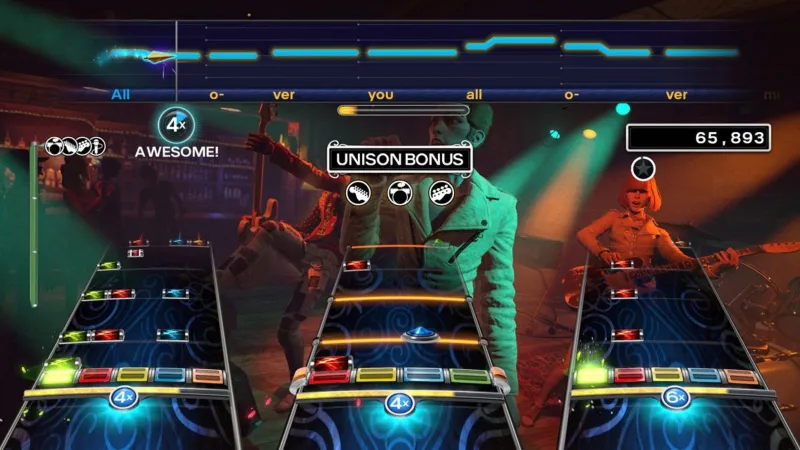
Rock Band 4 is Being Delisted This Weekend: A Farewell to a Rhythm Game Icon
The digital music ecosystem is in constant flux, a dynamic environment shaped by licensing agreements, technological advancements, and the ever-evolving tastes of players. Within this landscape, beloved titles can find their digital homes vanishing without much prior notice. It is with a mix of nostalgia and pragmatic concern that we announce a significant shift for a cornerstone of the rhythm game genre: Rock Band 4 is slated for delisting from all major digital storefronts this coming weekend. This news, while impacting the availability of new purchases, does not diminish the legacy or the playable future for existing owners, but it does mark the end of an era for digital acquisition of this particular installment.
On Sunday, October 5, 2025, a date of considerable significance as it marks the 10th anniversary of Rock Band 4’s original launch, the game will be permanently removed from the digital marketplaces of both PlayStation and Xbox. This decision, while impactful for those looking to enter the world of Rock Band 4 for the first time digitally, stems from the natural expiration of music licenses that form the very foundation of the game’s core experience.
The announcement, detailed by Harmonix through their official Discord channel, offers a clear explanation for this impending removal. The original licenses for the game’s core 65-song soundtrack are reaching their contractual end. This means that while the game itself and its extensive downloadable content (DLC) library will remain accessible to those who have already purchased them, the ability to acquire the base Rock Band 4 experience digitally will cease. This proactive measure ensures that players are fully informed about the future availability of the title.
Harmonix has been exceptionally transparent about the situation, emphasizing that existing owners of Rock Band 4 will face no disruption whatsoever. Your ability to download and play the game on any compatible devices remains entirely intact. Furthermore, any downloadable content, including the vast array of songs purchased over the years, will continue to be yours to access and enjoy. The system is designed to safeguard your investment and your musical library. If you have previously acquired songs, they will remain in your digital library and can be downloaded and played without issue, regardless of future delisting dates for individual song packs or the base game. This commitment to preserving player access to purchased content is a crucial aspect of digital ownership and is a commendable stance from Harmonix.
The message from The Rock Band Team expresses profound gratitude for the unwavering passion and dedication shown by the Rock Band community. They reflect on the journey, acknowledging the immense satisfaction derived from serving such a committed player base. The team highlights their efforts in providing Rivals challenges, an exceptionally deep downloadable content library, and what they describe as a best-in-class band simulation experience. This sentiment underscores the deep connection Harmonix has fostered with its players, a relationship built on shared musical passion and engaging gameplay.
This impending delisting follows closely on the heels of Harmonix ceasing DLC support for Rock Band 4 in January 2024. This strategic shift marked the culmination of an extraordinary content rollout, with over 3,000 songs released weekly since the game’s debut on October 6, 2015. The sheer volume and consistent delivery of new music transformed Rock Band 4 into a veritable digital jukebox, offering an unparalleled breadth of musical choices for aspiring rock stars. The cessation of new DLC, while signaling the end of an era for content creation, paved the way for this subsequent focus on managing the existing library and its eventual digital retirement.
Upon its release, Rock Band 4 garnered significant critical acclaim, evidenced by a stellar 8.75 out of 10 score from Game Informer. It was widely recognized as the final traditional installment in the main Rock Band series, a mantle it carried with distinction. While Rock Band VR followed in 2017, it represented a divergence into a different technological frontier, leaving Rock Band 4 as the definitive conclusion to the core home console rhythm game experience. The game also received a substantial paid expansion, Rock Band 4 Rivals, in October 2016. This expansion was instrumental in revitalizing the game, introducing new game modes, including a compelling story mode, and significantly bolstering the song library through associated updates and content releases. Rivals was not merely an add-on; it was an enhancement that deepened the gameplay and expanded the strategic possibilities for players and bands.
The Rock Band franchise, which experienced its zenith and became a cultural phenomenon in the early 2010s, has seen its overall availability gradually diminish over time. This decline is a direct consequence of the inherent challenges in managing music licensing in the digital age, coupled with the eventual shuttering of online services that are integral to the functionality of many contemporary games. While the iconic plastic instruments may gather dust for some, the digital nature of Rock Band 4’s library means that its musical journey, for those who own it, continues.
We understand that the prospect of Rock Band 4 disappearing from digital shelves might evoke a sense of sadness, a farewell to a game that has provided countless hours of entertainment and musical exploration. However, for those who have been contemplating diving into the Rock Band 4 experience, or perhaps expanding their digital song collections, there is still a window of opportunity. The Rock Band 4 Rivals bundle, typically priced at $9.99, remains available for purchase on the PlayStation and Xbox stores. This bundle offers a comprehensive entry point into the game, including the base game and the substantial Rivals expansion, making it an excellent value for newcomers. This is the opportune moment to secure a digital copy before it is permanently removed.
The implications of this delisting extend beyond just the game’s immediate availability. It serves as a stark reminder of the fragility of digital ownership when reliant on specific licenses and storefronts. While Harmonix has done its utmost to ensure that current owners are not penalized, the removal of a title from digital storefronts can impact its discoverability and the ability for new players to engage with it. This situation highlights the ongoing conversation within the gaming community about digital preservation and the long-term accessibility of games.
For many, Rock Band 4 represents more than just a game; it is a repository of memories, a soundtrack to social gatherings, and a platform for creative expression. The core 65-song soundtrack, though now facing delisting, represents a carefully curated selection that defined the initial Rock Band 4 experience. These songs, ranging across various genres and eras, provided a solid foundation for players to build upon. The subsequent release of thousands of DLC tracks allowed for unprecedented customization of the gaming experience, catering to every conceivable musical taste. From classic rock anthems to modern chart-toppers, the Rock Band 4 library became a testament to the universal appeal of music and the joy of shared performance.
The decision to delist is not one taken lightly. Harmonix, as a developer deeply invested in the rhythm game genre, understands the significance of Rock Band 4 within its own catalog and the broader gaming landscape. The expiration of licenses is a natural, albeit sometimes unfortunate, consequence of how music rights are structured within the entertainment industry. Securing these licenses is a complex and often expensive undertaking, and renewal is not always guaranteed or economically feasible for older titles.
Therefore, the current timeframe is crucial for any potential purchasers. The digital delisting on October 5, 2025, means that after this date, new digital acquisitions will be impossible. This underscores the importance of timely purchasing for those who wish to own the game digitally. It is a chance to immortalize a piece of rhythm game history within your personal digital library.
Beyond the immediate implications, this event prompts a reflection on the future of rhythm games and the challenges they face. As technology advances and player preferences shift, developers must continually innovate while navigating the complexities of digital distribution and intellectual property. Harmonix’s commitment to the Rock Band legacy, even as they move towards new projects and potentially new platforms, remains a beacon for fans of the genre.
The Rock Band 4 Rivals expansion, in particular, played a pivotal role in extending the game’s lifespan and appeal. Its introduction of competitive and collaborative game modes, such as the innovative Rivals system, fostered a vibrant online community. Players could form bands, compete in weekly challenges, and climb leaderboards, creating a dynamic and engaging meta-game. This focus on community and ongoing competition kept players invested and actively participating in the Rock Band 4 ecosystem for years. The inclusion of a story mode also provided a more directed, single-player experience, allowing players to immerse themselves in the narrative and challenges presented within the game’s fictional world.
The success of Rock Band 4, despite the changing landscape of the music and gaming industries, is a testament to the enduring appeal of its core gameplay loop: the thrill of hitting notes in time, the satisfaction of a perfectly executed solo, and the sheer fun of playing music with friends, whether in the same room or online. The tactile experience of the plastic instruments, combined with the vast digital song library, created a unique and immersive form of entertainment that transcended simple gaming.
As we approach October 5, 2025, we encourage all aspiring musicians and rhythm game enthusiasts to consider acquiring Rock Band 4 and its associated content before it is no longer available digitally. This is an opportunity to own a piece of gaming history and to continue enjoying a critically acclaimed and beloved title. The delisting signifies the end of an acquisition chapter, but not the end of the music. The passion for rhythm games, fostered by titles like Rock Band 4, continues to resonate, and we look forward to seeing what the future holds for this vibrant genre. The legacy of Rock Band 4, defined by its music, its community, and its gameplay, will undoubtedly endure. For those who have already invested in the game, your library remains secure, a testament to the enduring power of your musical choices. For those considering a final digital purchase, this weekend offers a chance to join the band.