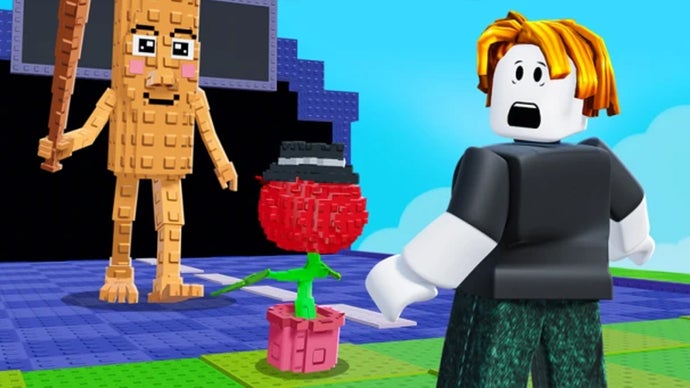
Roblox’s “Steal A Brainrot” Creator Takes Legal Action Against Fortnite’s “Brainrot” Game for Alleged Intellectual Property Theft
In a significant legal development within the burgeoning digital entertainment landscape, the creator of the immensely popular Roblox game “Steal A Brainrot” has initiated a lawsuit against the developers of a Fortnite Creative game also bearing the name “Brainrot.” The core of the legal action centers on grave accusations of intellectual property infringement, with the plaintiff alleging that the Fortnite counterpart has systematically copied the artwork, objects, design, and fundamental game elements of its original creation. This lawsuit highlights the escalating challenges and complexities surrounding intellectual property rights in the rapidly evolving world of online gaming platforms, particularly when it comes to user-generated content and the inherent similarities that can arise between distinct but inspired game mechanics.
At Gaming News, we delve deep into the intricacies of this case, examining the evidence presented and the potential ramifications for developers and players across both Roblox and Fortnite. The legal battle underscores the critical need for robust copyright protection and trademark enforcement in the digital age, especially as games become increasingly sophisticated and interconnected.
The Genesis of the Dispute: “Steal A Brainrot” and its Viral Success
To comprehend the gravity of the current lawsuit, it is essential to understand the phenomenon that is “Steal A Brainrot” on Roblox. Launched on the Roblox platform, this game quickly garnered a massive following, attracting millions of players who were drawn to its unique blend of strategic gameplay, distinctive art style, and engaging mechanics. The game’s success wasn’t accidental; it was the result of meticulous design, creative innovation, and a keen understanding of player engagement.
The artwork employed in “Steal A Brainrot” features a specific aesthetic that has become recognizable to its player base. This includes the design of characters, environmental assets, and user interface elements. Beyond visuals, the objects within the game, such as power-ups, collectibles, and interactive elements, were also carefully crafted to enhance the player experience. Crucially, the game elements, encompassing the core gameplay loop, rules, mechanics, and overall progression system, formed the backbone of its appeal. Players were captivated by the innovative gameplay loop that allowed for unique interactions and strategic decision-making, contributing to its meteoric rise in popularity.
The design philosophy behind “Steal A Brainrot” emphasized originality and a distinct visual identity. This deliberate effort to craft a unique and memorable experience is now at the heart of the legal proceedings. The creators invested significant time, resources, and creative energy into developing a game that stood out from the crowd, fostering a dedicated community of players who appreciated its distinctiveness.
The Accusations: A Fortnite “Brainrot” Game’s Alleged Copying
The legal complaint filed by the creator of “Steal A Brainrot” outlines a series of allegations against a Fortnite Creative game also named “Brainrot.” The plaintiff asserts that this Fortnite counterpart has not merely been inspired by their creation but has demonstrably replicated key aspects of their intellectual property. Specifically, the lawsuit details claims of the misappropriation of:
Allegations Regarding Copied Artwork
The lawsuit contends that the visual presentation of the Fortnite game closely mirrors the distinctive artistic style established by “Steal A Brainrot.” This includes allegations that the character models, environmental textures, and in-game visual assets bear a striking resemblance to those found in the original Roblox game. The plaintiff argues that this similarity extends beyond mere stylistic influence, suggesting a direct copying of artistic designs. The specific details of the alleged artwork theft would likely involve a side-by-side comparison of assets, focusing on unique character designs, proprietary creature models, and bespoke environmental assets that define the visual identity of “Steal A Brainrot.” The color palettes, artistic rendering techniques, and overall thematic visual coherence are areas where significant overlap is purportedly being claimed.
Character Designs and Visual Motifs
The plaintiff’s legal team is expected to present evidence showcasing identical or near-identical character models, including their proportions, clothing designs, and facial features. Furthermore, recurring visual motifs or stylistic elements that are unique to “Steal A Brainrot” are alleged to have been directly lifted and implemented in the Fortnite version. This could involve specific patterns, iconography, or decorative elements that players associate directly with the original game.
Environmental Aesthetics and Asset Replication
The environments within “Steal A Brainrot” are characterized by a specific look and feel, often featuring unique architectural styles, landscaping elements, and atmospheric effects. The lawsuit alleges that the Fortnite game has replicated these environmental features, using assets that appear to be direct duplicates or heavily modified versions of those found in the Roblox game. This might include the layout of specific locations, the design of interactive structures, and the overall ambiance created by the game’s visual design.
Allegations Regarding Copied Objects
Beyond the overarching artistic style, the lawsuit also targets the specific objects present within the games. The plaintiff claims that key interactive items, power-ups, collectibles, and utility items that are integral to the gameplay of “Steal A Brainrot” have been reproduced in the Fortnite game. These objects often possess unique functionalities and visual representations that are crucial to the player experience.
Unique Power-Ups and Collectibles
The alleged copying extends to specific power-ups that grant players temporary advantages, as well as collectible items that are central to progression and scoring. The lawsuit likely details how the functionality, appearance, and strategic placement of these items are identical or substantially similar, suggesting a deliberate act of replication rather than independent creation. This could involve unique visual cues for item activation, distinct sound effects associated with item collection, and specific item mechanics that are core to the strategic depth of “Steal A Brainrot.”
Interactive Game Elements and Props
The interactive elements and props that populate the game world, such as switches, levers, traps, or decorative yet functional environmental pieces, are also cited in the complaint. The plaintiff asserts that these elements, which contribute to the overall immersiveness and challenge of “Steal A Brainrot,” have been directly copied, including their visual design and their operational mechanics. This could involve the animation sequences for interactions, the user interface elements for activating these objects, and the game physics associated with their use.
Allegations Regarding Copied Design and Game Elements
Perhaps the most significant aspect of the lawsuit pertains to the core design and fundamental game elements of “Steal A Brainrot.” The plaintiff contends that the overall structure, gameplay mechanics, rules, and progression systems of the Fortnite game have been systematically plagiarized. This goes to the heart of the game’s identity and its unique appeal.
Core Gameplay Loop and Mechanics Replication
The fundamental loop of player interaction and the underlying mechanics that drive the gameplay are alleged to be directly copied. This could involve unique movement systems, combat mechanics, resource management strategies, or the specific ways players interact with the game world. The lawsuit will likely demonstrate how the Fortnite game replicates these core systems, making the player experience virtually identical to that of “Steal A Brainrot,” albeit on a different platform. The strategic depth and the learning curve associated with mastering these mechanics are also points of contention.
Rules, Progression Systems, and Scoring Mechanisms
The rules governing player actions, the systems that dictate player progression through levels or unlocks, and the methods by which players earn points or achieve objectives are all crucial components of a game’s design. The lawsuit claims that these elements, meticulously crafted for “Steal A Brainrot,” have been replicated without authorization in the Fortnite game. This includes level designs, unlockable content, experience point systems, and achievement metrics. The overall difficulty curve and the pacing of the game are also likely to be examined.
User Interface and User Experience Design
Even the user interface (UI) and user experience (UX) design, which dictates how players navigate menus, access information, and interact with the game’s systems, are reportedly part of the alleged infringement. The plaintiff asserts that the layout, functionality, and visual presentation of menus, HUD elements, and other UI components have been copied, further solidifying the claim of a direct doppelgänger. This can include iconography, text formatting, and the overall flow of user interactions.
Fortnite Creative: A Breeding Ground for Inspired, or Copied, Content?
The Fortnite Creative mode offers players a powerful suite of tools to build and share their own game experiences within the Fortnite universe. This platform has fostered immense creativity, leading to a vast ecosystem of diverse and engaging games developed by the community. However, the very openness of this platform also presents challenges in policing intellectual property rights.
The user-generated content (UGC) model, while empowering, can inadvertently become a conduit for copyright infringement if creators are not diligent in respecting the original works of others. The ease with which assets and mechanics can be replicated, intentionally or unintentionally, creates a complex landscape for intellectual property law enforcement. Developers who invest heavily in creating original content face the risk of seeing their creations reproduced on other platforms, potentially diminishing their own market share and brand recognition.
This lawsuit against the “Brainrot” game within Fortnite Creative serves as a stark reminder of these challenges. It prompts a discussion about the responsibilities of platform holders, such as Epic Games, in monitoring and addressing instances of alleged copyright infringement within their UGC environments. While Epic Games provides tools for creators, the onus is often on the original rights holders to identify and report instances of blatant copying.
The Legal Ramifications and Potential Outcomes
The lawsuit filed by the creator of “Steal A Brainrot” carries significant potential ramifications, not only for the parties directly involved but for the broader gaming industry. The outcome of this case could set important legal precedents regarding intellectual property protection in the context of user-generated content and cross-platform game development.
Damages and Injunctions
If the court finds in favor of the plaintiff, it could result in significant financial damages awarded to the creator of “Steal A Brainrot.” These damages could be calculated based on lost profits, the profits earned by the infringing Fortnite game, or a statutory amount set by copyright law. Furthermore, the court could issue an injunction, a legal order that would prohibit the developers of the Fortnite game from continuing to operate or distribute their creation. This could effectively force the shutdown of the “Brainrot” game on Fortnite.
Precedent for Future Cases
The ruling in this case will likely be closely watched by game developers, intellectual property lawyers, and platform providers. A strong ruling in favor of the plaintiff could deter future instances of blatant copying of game assets and mechanics across different gaming platforms. Conversely, if the ruling is less decisive or favors the defendant, it might embolden creators to push the boundaries of what constitutes acceptable inspiration versus outright infringement. This could lead to a more challenging environment for original content creators seeking to protect their work.
Defining “Substantial Similarity” in Digital Games
A key aspect of copyright infringement cases is the determination of “substantial similarity.” In the context of video games, this involves evaluating whether an ordinary observer would recognize the copied work as having been appropriated from the original. The court will need to carefully analyze the visual elements, the gameplay mechanics, and the overall design of both games to make this determination. The presence of unique and protectable elements in “Steal A Brainrot” will be crucial evidence.
The Role of Platform Moderation and Enforcement
This case also brings into sharp focus the role of platform moderation and enforcement policies. Roblox and Fortnite, as distinct platforms, have their own terms of service and content guidelines. However, the effective enforcement of these rules, particularly concerning intellectual property rights, is a complex and ongoing challenge. The lawsuit may prompt a re-evaluation of how platforms handle DMCA takedown notices and copyright infringement complaints.
Impact on the Creator Economy
The creator economy, particularly within platforms like Roblox and Fortnite, relies on creators being able to monetize their original content. If creators fear that their work can be easily copied and re-used without consequence, it could stifle innovation and investment in the creation of new and exciting gaming experiences. This lawsuit underscores the importance of a legal framework that supports and protects the rights of creators who contribute to the vibrant landscape of digital entertainment. The ability to secure and defend intellectual property is fundamental to the sustainability of this economy.
Navigating the Complexities of Game Development and Copyright
The creation of a successful video game is a testament to immense creativity, technical expertise, and strategic planning. Developers pour countless hours into crafting unique gameplay experiences, compelling narratives, and memorable aesthetics. When a game achieves significant popularity, it often attracts attention, and unfortunately, sometimes that attention manifests as unauthorized replication.
For aspiring developers and established studios alike, understanding the nuances of copyright law, trademark protection, and intellectual property rights is paramount. It is crucial to not only create original content but also to take proactive steps to safeguard that content. This can involve:
- Registering Copyrights: Formally registering copyrights for original game assets, code, and design documents provides a strong legal basis for protection.
- Trademarking Game Titles and Logos: Securing trademarks for game titles, logos, and distinctive branding helps prevent others from using similar identifiers that could confuse consumers.
- Clear Licensing Agreements: If using third-party assets or collaborating with other creators, ensuring clear and comprehensive licensing agreements are in place is essential.
- Monitoring for Infringement: Regularly monitoring online platforms for unauthorized uses of your work and taking swift action to address infringements.
- Understanding Fair Use and Inspiration: Distinguishing between legitimate inspiration and copyright infringement. While drawing inspiration from existing works is common in creative fields, outright copying of protected elements is illegal.
The lawsuit involving “Steal A Brainrot” and its Fortnite counterpart serves as a powerful case study in the ongoing battle to protect digital intellectual property. As gaming continues to evolve, the legal and ethical considerations surrounding creativity, ownership, and fair competition will undoubtedly remain at the forefront. At Gaming News, we will continue to follow this case and provide in-depth analysis of its developments and broader implications for the gaming world. The integrity of the creator economy hinges on the robust protection of original works, ensuring that innovation is rewarded and that the digital spaces we inhabit remain vibrant and diverse.