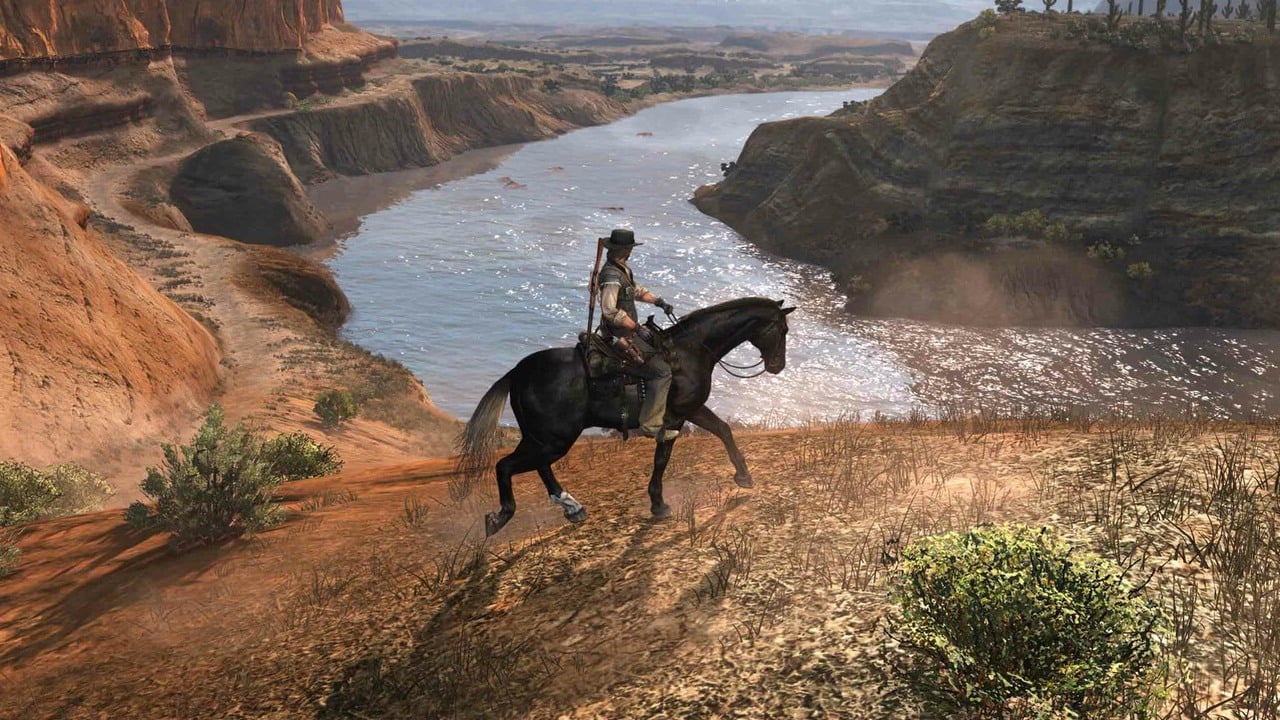
Red Dead Redemption 3: Why Its Inevitability is a bittersweet pill for Gamers and Creators Alike
The world of gaming thrives on anticipation, on the fervent hope that our favorite stories will continue to unfold. For fans of Rockstar Games’ seminal western epic, Red Dead Redemption, that hope constantly flickers regarding a potential third installment. While the prospect of Red Dead Redemption 3 seems increasingly likely, echoing sentiments expressed by Rockstar Games co-founder Dan Houser himself, a shadow of apprehension and artistic compromise hangs over the potential project. We delve into the complex reasons why, exploring the creative challenges, narrative burdens, and the potential for a truly bittersweet sequel.
Dan Houser’s Perspective: A Glimpse Behind the Curtain
The initial spark for this discussion originates from comments attributed to Dan Houser, one of the key creative forces behind the Red Dead Redemption series. Houser, known for his meticulous storytelling and world-building, has reportedly stated that Red Dead Redemption 3 is “probably” going to happen. However, these words are not delivered with unbridled enthusiasm. Instead, they carry a weight, a hint of reluctance that speaks volumes about the creative pressures inherent in crafting a sequel to such a beloved and critically acclaimed franchise.
Why this hesitation? Why would a co-founder of Rockstar Games, instrumental in shaping the Red Dead narrative, view the prospect of another installment with such a complex mix of emotions? Understanding the nuances behind Houser’s sentiment requires dissecting the narrative structure of the existing games and the potential challenges that a sequel would inevitably face.
The Narrative Tightrope: Redemption, Tragedy, and Closure
The Red Dead Redemption games are defined by their poignant narratives of redemption, loss, and the fading of the Wild West. The original Red Dead Redemption told the story of John Marston, a former outlaw forced to hunt down his former gang members in exchange for his family’s safety. Red Dead Redemption 2, a prequel, expanded upon this world by exploring the fall of the Van der Linde gang and the tragic circumstances that shaped John Marston’s life.
The brilliance of the narrative lies in its cyclical nature. Red Dead Redemption 2 brilliantly contextualized the events of the first game, adding layers of depth and emotional resonance to John Marston’s journey. However, this also presents a considerable challenge for a sequel. Where can the story go from here? How can a new narrative thread be woven into the existing tapestry without undermining the emotional impact of the previous games?
- The Challenge of Originality: One of the primary concerns is avoiding the repetition of familiar themes. Another story of a morally ambiguous outlaw seeking redemption runs the risk of feeling derivative. Any Red Dead Redemption 3 narrative must carve out its own unique identity while remaining true to the spirit of the series.
- Character Development: Finding a compelling protagonist whose journey can resonate with players as deeply as John Marston’s is no easy feat. The character needs to be flawed, relatable, and driven by motivations that justify their actions within the morally gray world of the Red Dead universe.
- Historical Context: The Red Dead Redemption games are deeply rooted in the historical context of the American West. A sequel would need to carefully consider the timeline and explore new facets of this era without straying too far from the established lore.
- The Burden of Expectation: The weight of fan expectations is immense. Players have invested countless hours in the Red Dead world and have formed strong emotional connections to the characters and storylines. Meeting, let alone exceeding, these expectations is a daunting task.
Creative Burnout: The Human Cost of Masterpieces
Creating a game of the scale and complexity of a Red Dead Redemption title is an incredibly demanding undertaking. The development process involves years of relentless work, requiring a team of hundreds of talented individuals to pour their hearts and souls into the project.
Dan Houser’s apprehension may stem, in part, from an understanding of the immense human cost involved in creating another Red Dead Redemption game. The pressure to deliver a product that lives up to the standards of its predecessors can lead to creative burnout, exhaustion, and a sense of artistic compromise.
- The Rockstar Games Culture: Rockstar Games is notorious for its intense work culture, often pushing employees to their limits. This has been a subject of controversy in the past, and it’s possible that Houser is aware of the potential impact that another large-scale project could have on the well-being of the development team.
- The Pursuit of Perfection: Rockstar Games is known for its meticulous attention to detail, striving for a level of realism and immersion that is unmatched in the industry. This pursuit of perfection requires an enormous amount of time, effort, and resources, which can take a toll on the creative process.
- The Fear of Failure: After achieving such critical and commercial success with the Red Dead Redemption series, the fear of failing to meet expectations can be paralyzing. The pressure to innovate and surpass previous achievements can stifle creativity and lead to anxiety.
Possible Narrative Directions: Where Could Red Dead Redemption 3 Go?
Despite the challenges, the potential for a compelling Red Dead Redemption 3 narrative remains. Several possibilities could be explored, each with its own unique set of advantages and disadvantages.
A Prequel to Red Dead Redemption 2: This would allow the game to delve deeper into the early years of the Van der Linde gang, exploring the events that led to their eventual downfall. This approach could introduce new characters and storylines while still maintaining a connection to the existing lore. However, it also runs the risk of feeling repetitive, as players are already familiar with the gang’s ultimate fate.
A Sequel Following Jack Marston: Picking up the story after the events of Red Dead Redemption, this option would explore Jack Marston’s life in the early 20th century as the Wild West fades into history. This could offer a fresh perspective on the Red Dead universe, examining the challenges of adapting to a changing world. However, it would also require a significant departure from the traditional western setting.
A Standalone Story with New Characters: This approach would allow for the greatest degree of creative freedom, introducing a new cast of characters and storylines set in a different region of the American West. This could provide a fresh perspective on the Red Dead universe, but it would also require building a new world and establishing new emotional connections with players.
Focusing on a new Gang: A game could focus on a rival gang during the time of Red Dead Redemption 2. Imagine playing as a member of the O’Driscolls, witnessing their rise and fall, and offering a contrasting perspective on the events unfolding in the main game. This would allow players to engage with familiar characters and locations, but from a completely different angle.
Exploring Native American Perspectives: The Red Dead Redemption series has touched upon the plight of Native Americans, but a game could fully explore their experiences during this tumultuous period of American history. This could provide a powerful and thought-provoking narrative, shedding light on a often-overlooked aspect of the Wild West.
The Open World Evolution: Gameplay Innovations and Technical Advancements
Beyond the narrative, Red Dead Redemption 3 also presents an opportunity to push the boundaries of open-world gameplay. Rockstar Games has consistently raised the bar for immersion and realism, and a new installment would need to introduce significant innovations to maintain that level of quality.
Enhanced Realism: Building upon the foundations of Red Dead Redemption 2, a sequel could further enhance the realism of the open world, with more dynamic weather systems, more detailed environments, and more realistic character interactions.
Expanded Activities: The world could be populated with a wider range of activities, from hunting and fishing to gambling and bounty hunting, providing players with more opportunities to immerse themselves in the Wild West lifestyle.
Improved Combat: The combat system could be refined and expanded, offering more tactical options and more visceral gunfights.
Dynamic Storytelling: Implementing a more dynamic storytelling system, where player choices have a greater impact on the narrative and the world around them, could significantly enhance the replayability of the game.
Next-Gen Technology: Taking advantage of the latest console hardware, Red Dead Redemption 3 could deliver stunning visuals, seamless performance, and a level of detail that was previously impossible. This would require pushing the boundaries of game development technology and leveraging the full potential of the new hardware.
The Sadness of Inevitability: A Franchise at Risk of Over-Saturation?
Ultimately, Dan Houser’s apprehension may stem from a deeper concern about the potential for the Red Dead Redemption franchise to become over-saturated. While the demand for a sequel is undoubtedly high, there is a risk that churning out new installments simply to satisfy commercial interests could dilute the artistic integrity of the series.
The Risk of Diminishing Returns: Each new installment in a franchise faces the challenge of surpassing its predecessors. As the series continues, it becomes increasingly difficult to introduce fresh ideas and maintain the same level of impact.
The Importance of Artistic Integrity: Rockstar Games has built its reputation on creating high-quality, innovative games that push the boundaries of the medium. Sacrificing artistic integrity for commercial gain could damage the company’s brand and alienate its loyal fanbase.
The Need for Creative Risk: Rather than simply rehashing familiar themes and storylines, a truly compelling Red Dead Redemption 3 would need to take creative risks, exploring new ideas and pushing the boundaries of the genre.
In conclusion, the prospect of Red Dead Redemption 3 is undoubtedly exciting, but it also carries a significant weight of expectation and creative challenge. Dan Houser’s reluctance highlights the complex considerations that go into crafting a sequel to such a beloved franchise. Whether Rockstar Games can overcome these challenges and deliver a truly compelling and innovative Red Dead Redemption experience remains to be seen. The potential for a bittersweet outcome is real, where commercial success comes at the cost of artistic compromise. We, as fans, can only hope that the creators prioritize the integrity of the story and the well-being of the development team above all else.