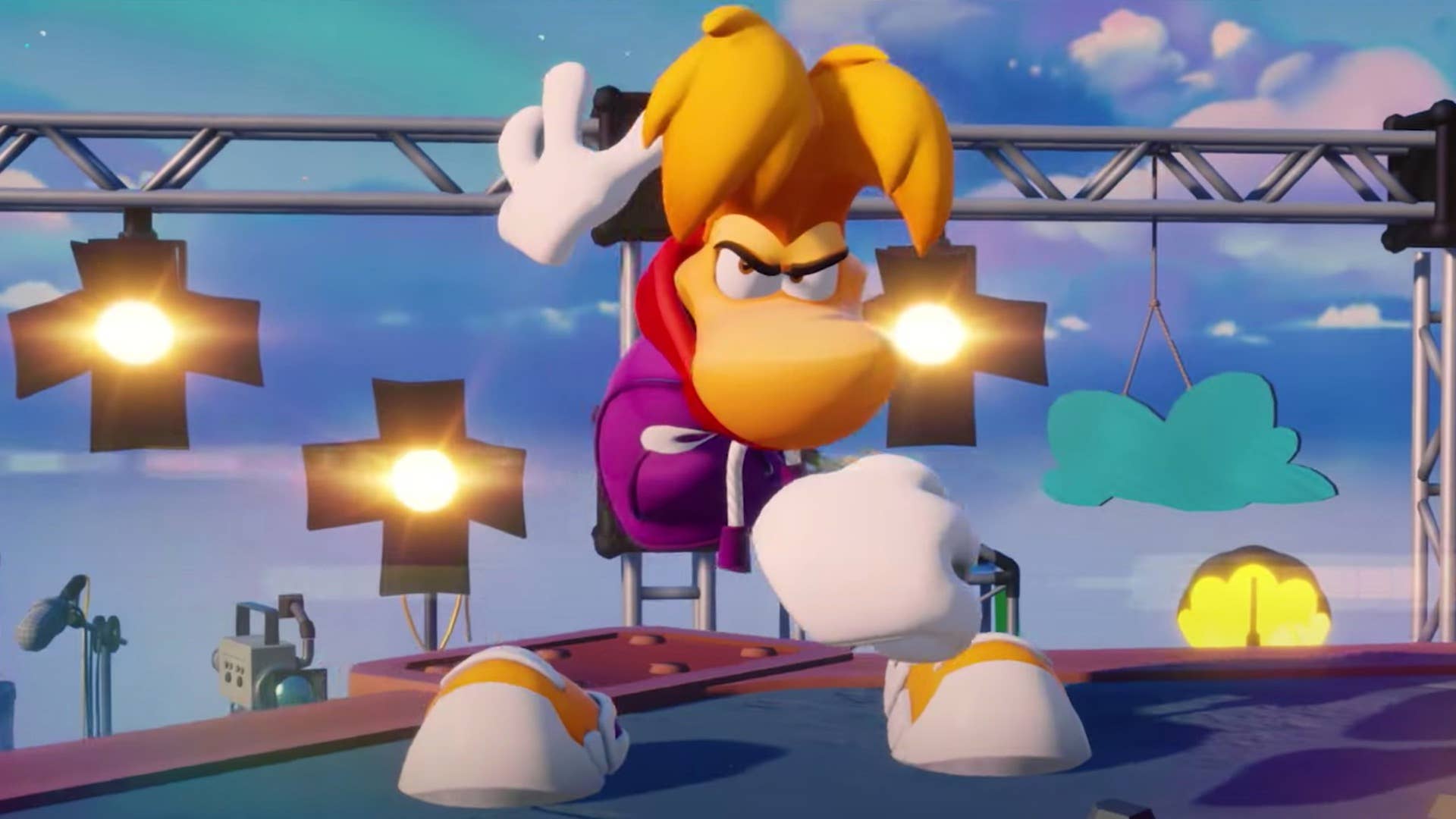
Rayman Series Celebrates 30 Years: A Look Back and a Glimpse into the Future
The iconic Rayman series, a beloved franchise that has captivated gamers for three decades, is reaching a monumental milestone: its 30th anniversary. This occasion provides a perfect opportunity to reflect on the remarkable journey of Ubisoft’s limbless hero and to explore what the future might hold for this enduringly popular universe. As we delve into the rich history and potential future developments, it’s clear that Rayman’s legacy is far from over, even if a brand-new mainline installment isn’t on the immediate horizon.
The Enduring Charm of Rayman: A Legacy of Innovation and Whimsy
Since its inception in 1995, the Rayman series has consistently stood out for its unique artistic style, innovative gameplay mechanics, and charming characters. Created by Michel Ancel, the original Rayman game burst onto the scene, offering a refreshing departure from the more conventional platformers of its time. Its distinctive visual aesthetic, characterized by vibrant colors, fluid animation, and surreal environments, immediately set it apart. The protagonist himself, Rayman, a character defined by his lack of limbs and his ability to fling his fists and feet at enemies, was a stroke of genius, offering a playful and instantly recognizable design.
The gameplay in early Rayman titles was equally groundbreaking. The original game introduced a unique control scheme that allowed for a wide range of movement and combat options, challenging players with intricate level design and clever puzzles. This emphasis on innovative mechanics continued throughout the series, with each new entry often introducing fresh ideas and refining existing ones. The Rayman adventures have consistently pushed the boundaries of what a platformer could be, incorporating elements of exploration, puzzle-solving, and even rhythm-based gameplay.
Beyond the technical achievements, the Rayman universe has always been populated by a cast of memorable characters and filled with a sense of whimsical charm. From the wise Globox to the villainous Mr. Dark, and later the mischievous Teensies, the characters inhabiting the Glade of Dreams have contributed significantly to the series’ enduring appeal. Their distinct personalities and often comical interactions add a layer of depth and humor that resonates with players of all ages. The lore of the Rayman world, with its magical realms and fantastical creatures, has always invited players to immerse themselves in a world unlike any other.
A Look Back: The Milestones and Masterpieces of the Rayman Saga
The Rayman series has a rich history, marked by several critically acclaimed titles that have left an indelible mark on the gaming landscape. Each installment has brought something new to the table, building upon the foundations laid by its predecessors while forging its own identity.
The Genesis: Rayman (1995) and the Birth of a Legend
The original Rayman game, released in 1995 for the Atari Jaguar and later ported to other platforms like the PlayStation and Sega Saturn, was a revelation. Its stunning 2D graphics, challenging yet rewarding platforming, and captivating soundtrack captivated audiences. The game’s narrative, involving Rayman rescuing the world from the clutches of Mr. Dark, was simple yet effective, providing a clear motivation for the player’s journey. The introduction of Rayman’s signature ‘helicopter’ jump and projectile attacks established core gameplay mechanics that would become synonymous with the series. The sheer ambition of the game, especially considering the hardware it debuted on, was remarkable, setting a high bar for platforming titles to come.
Expanding the Universe: Rayman 2: The Great Escape (1999) and the Leap to 3D
The transition to 3D was a significant undertaking for many franchises, and Rayman 2: The Great Escape proved to be one of the most successful. Released in 1999, this title marked Rayman’s foray into three-dimensional environments, and it did so with extraordinary flair. The game offered a more expansive world to explore, enhanced combat mechanics, and a compelling narrative that saw Rayman battling Admiral Jefko and his robotic forces. The character models were expressive, the voice acting was surprisingly good for its time, and the overall presentation was cinematic. Rayman 2 is widely considered a masterpiece and a defining moment for the series, demonstrating that Rayman’s unique charm and gameplay could translate brilliantly into a new dimension.
Innovation Continues: Rayman 3: Hoodlum Havoc (2003) and a New Tone
Following the success of Rayman 2, Rayman 3: Hoodlum Havoc arrived in 2003, offering a slightly different tone and introducing new gameplay elements. While still a 3D platformer, Rayman 3 leaned more heavily into humor and comedic moments, with Rayman and his companion Globox finding themselves entangled in a plot involving the mischievous Hoodlums. The game introduced a power-up system that allowed Rayman to unleash a variety of creative attacks, adding a fresh layer of strategic combat. The witty dialogue and over-the-top characters made Rayman 3 a fan favorite, solidifying the series’ reputation for creative expression.
A Renaissance: Rayman Origins (2011) and Rayman Legends (2013): The Return of 2D Brilliance
After a period focusing on spin-offs and different genres, the Rayman series experienced a remarkable resurgence with Rayman Origins in 2011. This game was a deliberate return to the series’ 2D roots, and it was executed with breathtaking artistry. The hand-drawn animation was simply stunning, bringing the characters and environments to life with unparalleled fluidity and detail. The gameplay was tight, responsive, and incredibly fun, focusing on fast-paced platforming and satisfying combat. Rayman Origins was a critical and commercial success, proving that there was still a strong appetite for high-quality 2D platforming.
This triumphant return paved the way for Rayman Legends in 2013, a game that built upon the strengths of Origins and arguably surpassed it. Legends introduced new characters, more elaborate levels, and a fantastic musical integration, where levels were timed to catchy tunes, creating an exhilarating experience. The co-op gameplay was a significant highlight, making it an ideal title for playing with friends. Both Rayman Origins and Rayman Legends are considered modern classics and have reignited passion for the series among long-time fans and newcomers alike.
Beyond the Mainline: A Diverse Spin-off Portfolio
While the mainline numbered entries have always been the heart of the Rayman experience, the series has also explored various spin-offs, each offering a different flavor of gameplay. Titles like Rayman Raving Rabbids (2006) introduced the world to the chaotic and hilarious Rabbids, who would go on to spawn their own successful franchise. Later, the Rayman Arena titles offered competitive multiplayer experiences, while the puzzle-adventure Rayman Origins and Rayman Legends showcased the series’ versatility. These diversifications, while sometimes deviating from the core platforming formula, have kept the Rayman brand relevant and introduced it to new audiences.
Celebrating 30 Years: Reflections and Insights from the Brand Producer
In celebration of this significant 30th anniversary, Loïc Gounon, the brand producer for Rayman, shared his thoughts on the series’ enduring legacy and offered a tantalizing glimpse into what the future might hold. His insights provide valuable context for fans eager to understand the current direction and aspirations for the beloved franchise.
A Deep Dive into Rayman’s Enduring Appeal
Gounon’s reflections likely touch upon the core elements that have contributed to Rayman’s longevity. The series’ ability to constantly reinvent itself while retaining its core identity is a testament to its creative resilience. The blend of accessible gameplay with surprising depth, coupled with a unique visual identity that remains timeless, has allowed Rayman to connect with generations of gamers. The emphasis on joyful exploration, the vibrant and imaginative worlds, and the inherently good-natured spirit of Rayman himself all contribute to an experience that feels both familiar and fresh. The series has consistently managed to avoid becoming stale by embracing innovation and artistic evolution, from its 2D origins to its 3D adventures and back again.
The Creative DNA of the Rayman Universe
The creative engine behind Rayman has always been a significant factor in its success. Michel Ancel’s original vision instilled a sense of boundless imagination and playful experimentation. This creative DNA has been nurtured and passed down, allowing new teams to contribute to the Rayman universe while respecting its established charm. Gounon’s role as brand producer is crucial in ensuring this creative continuity, guiding the development of new projects while safeguarding the spirit of what makes Rayman so special. This involves carefully considering new gameplay mechanics, narrative themes, and artistic directions that align with the franchise’s established tone and appeal.
A Teaser of What’s to Come: Future Directions for Rayman
While Gounon’s statements confirm that a new mainline Rayman game is not imminent, this does not signify an end to the franchise. Instead, it suggests a period of careful consideration and strategic planning for Rayman’s future. The series has a proven track record of success in various formats, and it’s plausible that future projects could take diverse forms. This might include further explorations of the 2D platforming excellence seen in Origins and Legends, or perhaps a reimagining of the 3D adventures. There’s also the potential for innovative new spin-offs that leverage the established characters and worlds in unexpected ways. The brand producer’s “little teaser” implies that discussions are ongoing and that there are exciting possibilities being explored behind the scenes.
It’s important to remember that the Rayman series has always been about more than just new games. It’s about the enduring characters, the imaginative worlds, and the positive, playful experiences they offer. The 30th anniversary is a celebration of this entire ecosystem, and future endeavors will likely aim to expand and enrich it further, whether through traditional game releases or other forms of media. The focus on celebrating the existing legacy and carefully planning for the future suggests a commitment to quality and a desire to ensure that any new Rayman content lives up to the high standards set by its predecessors.
Navigating the Future: What Does “Not Soon” Really Mean for New Rayman Games?
The clarification that a new mainline Rayman game is not expected “soon” is a crucial piece of information for fans. However, it’s important to interpret this statement within the context of game development cycles and franchise management.
The Strategic Pause: Development Cycles and Franchise Health
Developing a high-quality, mainline Rayman title, especially one that aims to push boundaries and innovate as the series has historically done, requires significant time, resources, and creative vision. A “strategic pause” allows Ubisoft to dedicate ample attention to crafting a truly exceptional experience. This approach ensures that when a new Rayman game does emerge, it is a polished and impactful entry, rather than a rushed product. It also allows for the exploration of new technologies, game design philosophies, and market trends, ensuring that Rayman’s next chapter is relevant and exciting for contemporary audiences.
Leveraging Existing Success: The Power of Rayman Legends and Origins
The immense success and continued popularity of Rayman Legends and Rayman Origins mean that the Rayman universe is far from dormant. These games continue to be played, enjoyed, and discovered by new players across various platforms. This sustained engagement provides a solid foundation for future projects. Ubisoft can continue to support these titles with updates or re-releases, while simultaneously developing new ideas. The enduring appeal of these 2D masterpieces demonstrates the core strengths of the Rayman formula and offers valuable lessons for future game development.
Exploring New Frontiers: Beyond Traditional Sequels
The phrase “don’t expect a new game soon” might also indicate a willingness to explore different avenues for the Rayman franchise. This could encompass:
- Revitalized Classics: Potential remasters or remakes of beloved older Rayman titles, offering modern audiences a chance to experience the series’ history with updated visuals and gameplay enhancements.
- Innovative Spin-offs: As seen with the Raving Rabbids franchise, there’s potential for entirely new game types or genres that still embody the Rayman spirit. This could include mobile games, VR experiences, or even ventures into different gameplay loops.
- Cross-Media Opportunities: The Rayman universe is ripe for expansion beyond video games. Animated series, comics, or even merchandise could further solidify the brand’s presence and introduce Rayman to a wider demographic.
The “teaser” from Gounon suggests that these possibilities are being actively considered. The focus may be on building anticipation and ensuring that any future Rayman offering is a significant event, rather than a regular occurrence. This patient approach can ultimately lead to a stronger and more sustainable future for the franchise.
The Enduring Impact of Rayman: A Franchise Built to Last
As the Rayman series marks its 30th anniversary, it’s clear that its legacy is one of innovation, artistic brilliance, and enduring charm. The series has consistently delivered memorable experiences, from its groundbreaking 2D origins to its expansive 3D adventures and its triumphant return to 2D excellence. While a new mainline installment might not be on the immediate horizon, the careful planning and strategic approach by Ubisoft, as hinted at by brand producer Loïc Gounon, suggest a bright future for Rayman.
The Rayman universe is a testament to the power of creative vision and the ability of a beloved character to resonate across generations. The continued enthusiasm for titles like Rayman Legends and Rayman Origins underscores the franchise’s strong foundation. The next chapter for Rayman will undoubtedly be shaped by the lessons of the past and a forward-thinking vision, ensuring that the limbless hero continues to bring joy and adventure to gamers for many years to come. The 30th anniversary is not just a celebration of what has been, but a powerful indicator of the enduring spirit and potential that Rayman still holds. The journey continues, and fans can anticipate that whenever the next Rayman adventure officially arrives, it will be worth the wait. The world of Rayman is vast and full of possibilities, and its continued exploration promises exciting new horizons for this iconic gaming franchise.