PlayStation: The Concert’s 2025 US Tour Dates Erased: An In-Depth Look at the Unexpected Cancellations
In a development that has sent ripples of disappointment through the gaming community, Sony Interactive Entertainment has quietly canceled the entirety of the PlayStation: The Concert 2025 tour dates across the United States. This abrupt decision follows a similar pattern of cancellations that affected the European leg of the tour earlier this year, leaving many fans questioning the future of live orchestral performances celebrating iconic PlayStation soundtracks. This comprehensive analysis delves into the known details surrounding these cancellations, explores potential contributing factors, and examines the impact on dedicated PlayStation enthusiasts.
The Unfolding Cancellation: A Timeline of Disappointment
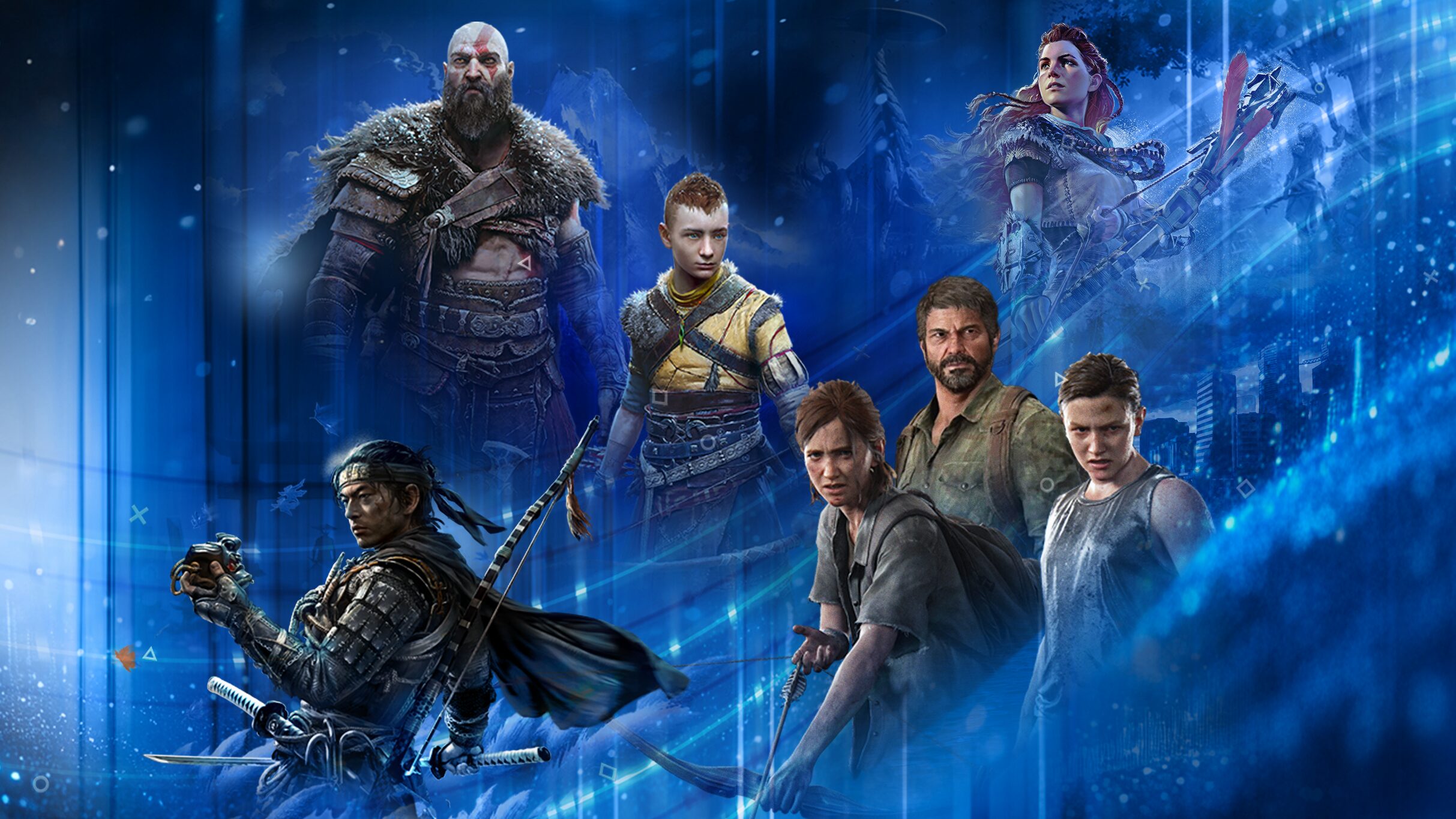
The initial announcement of PlayStation: The Concert promised an immersive journey through the rich musical tapestry of some of the most beloved video game franchises. Featuring live orchestral performances of scores from titles like The Last of Us, God of War, Horizon Zero Dawn, and Marvel’s Spider-Man, the tour was designed to offer fans an unparalleled opportunity to experience these powerful compositions in a grand, live setting.
However, as 2024 progressed, a concerning trend emerged. Dates for the European leg of the tour began to disappear from ticketing platforms and official announcements. While initial reports were sparse, it became increasingly clear that the European concerts were not proceeding as planned. This led to speculation and concern among fans worldwide.
The situation escalated when reports surfaced regarding the cancellation of the US tour dates. Unlike the gradual attrition observed in Europe, the US cancellations appeared to be more definitive and widespread. Many fans discovered the cancellations through indirect channels, such as the removal of event listings on ticketing websites or through social media discussions, rather than direct communication from the organizers. This lack of clear and timely communication has understandably fueled frustration and confusion.
The PlayStation: The Concert 2025 itinerary for the United States had included a significant number of stops, spanning major cities and catering to a broad geographical audience. The complete erasure of these dates leaves a substantial void for fans who had anticipated the event. The official PlayStation channels and the dedicated concert website have, for the most part, fallen silent on the matter, offering little in the way of a definitive explanation. This silence, in itself, has become a focal point of discussion and dismay among the gaming community.
Exploring the Potential Reasons Behind the Cancellations
While Sony Interactive Entertainment has not issued a comprehensive statement detailing the precise reasons for the cancellation of the US tour dates for PlayStation: The Concert, several factors can be reasonably inferred from industry trends and similar event cancellations. Understanding these potential influences provides a clearer picture of the complex landscape of large-scale live event production.
#### Economic Viability and Ticket Sales
One of the most significant drivers for the cancellation of any live tour is economic viability. The production of a high-caliber orchestral concert tour is an extremely expensive undertaking. Costs include venue rentals, orchestra fees, conductor salaries, sound and lighting equipment, travel and accommodation for a large crew, marketing and promotion, and intricate logistics. For a tour to be successful, ticket sales must meet or exceed these substantial expenses, ideally generating a profit.
It is plausible that the projected or actual ticket sales for the PlayStation: The Concert did not meet the financial targets set by the organizers. Several elements could contribute to lower-than-expected sales. The pricing strategy for the tickets might have been too high for a significant portion of the target audience, or perhaps the number of available tickets across all venues was simply insufficient to generate the necessary revenue. Furthermore, in the current economic climate, consumers may be more selective with their discretionary spending, and large entertainment events could fall lower on their priority lists.
The perceived value of the event also plays a crucial role. While the concept of a PlayStation orchestral concert is undoubtedly appealing to many, the actual turnout can be influenced by a variety of factors, including the specific composers featured, the selection of game soundtracks, and the reputation of the performing orchestra and conductor. If the marketing efforts failed to effectively convey the unique appeal and artistic merit of the concert to a broad enough audience, or if the target demographic for these specific game franchises did not translate into robust ticket purchasing behavior, then sales could have been negatively impacted.
#### Logistical Challenges and Planning Complexities
Organizing a multi-city tour across a large geographical area like the United States involves an immense level of logistical coordination. This includes securing suitable venues in each city, often requiring long-term booking commitments. Factors like venue availability, capacity, technical capabilities, and the specific dates required can create significant hurdles.
Moreover, scheduling and coordinating the movement of a full orchestra, along with all the necessary technical personnel and equipment, between different cities presents a complex puzzle. Travel disruptions, unforeseen technical issues with venues, or even the availability of specific performance dates that align with the orchestra’s schedule can all contribute to significant challenges.
The global supply chain and travel industry have also faced ongoing disruptions in recent years. While seemingly less direct, these broader issues can indirectly impact the feasibility of large-scale touring operations. Ensuring the timely and safe transportation of instruments, specialized audio-visual equipment, and personnel across vast distances requires meticulous planning and often involves reliance on third-party logistics providers who themselves may be experiencing pressures.
#### Evolving Market Demands and Competitive Landscape
The entertainment landscape is constantly evolving, and the market demand for live events can shift rapidly. While orchestral concerts celebrating video game music have gained popularity in recent years, the market may also be reaching a point of saturation. There are now numerous orchestras and production companies specializing in performing video game soundtracks, creating a more competitive environment.
For PlayStation: The Concert to succeed, it needed to stand out from other similar offerings. If competing events or other forms of entertainment offered a more compelling or accessible experience, it could have siphoned potential audience members. Furthermore, the long-term appeal of a tour also depends on the ongoing popularity and cultural relevance of the franchises being celebrated. While the featured games are undeniably iconic, the broader appeal of their soundtracks to a wider concert-going audience might have been underestimated or overestimated.
#### Internal Strategic Shifts at Sony Interactive Entertainment
It is also important to consider the possibility of internal strategic shifts within Sony Interactive Entertainment. Large corporations often re-evaluate their priorities and resource allocation. The decision to cancel the tour might be a reflection of a broader change in focus, perhaps a reallocation of marketing budgets towards digital initiatives, new game development, or other entertainment ventures.
Companies sometimes undertake large-scale projects like tours to build brand loyalty and engage with their community. However, if the return on investment, in terms of brand impact, community engagement, and direct revenue, does not align with expectations, or if the project is deemed to be diverting resources from more critical strategic objectives, such initiatives can be discontinued. The cancellation could signal a recalibration of how Sony chooses to engage with its fanbase through live events.
Impact on the PlayStation Fan Community
The cancellation of PlayStation: The Concert’s 2025 US tour dates has undoubtedly left a significant void for the PlayStation fan community. For many, these concerts represented more than just musical performances; they were a chance to celebrate a shared passion and connect with the emotional resonance of the games that have shaped their experiences.
#### Disappointment and Frustration Among Fans
The most immediate impact is the profound disappointment felt by fans who had eagerly anticipated attending these events. Many likely purchased tickets well in advance, making travel and accommodation arrangements. The abrupt nature of the cancellations, often communicated with minimal detail, has exacerbated this disappointment, leading to frustration and a sense of being undervalued by the brand. Social media platforms have been abuzz with fans expressing their dismay, sharing stories of canceled plans, and lamenting the loss of this unique opportunity.
#### The Value of Live Music for Gaming
The popularity of orchestral concerts dedicated to video game music underscores the growing recognition of game soundtracks as legitimate and powerful artistic expressions. These scores are often integral to the storytelling and emotional impact of video games, and experiencing them performed live by a symphony orchestra elevates this appreciation. The cancellation of PlayStation: The Concert denies fans this elevated experience, diminishing opportunities to connect with their favorite game worlds on a deeper, auditory level.
#### Questions About Future Live Events
This development also raises questions about the future of similar live events from Sony Interactive Entertainment and other gaming companies. If a flagship event like PlayStation: The Concert can be canceled so comprehensively, it may lead fans to question the stability and commitment to future large-scale live productions. This could impact future engagement and investment from the fanbase in similar ventures.
Looking Ahead: What Does This Mean for Live Gaming Entertainment?
The cancellation of the PlayStation: The Concert 2025 US tour dates serves as a significant case study in the challenges and complexities of producing large-scale live entertainment events within the gaming industry. While the precise reasons remain undisclosed by Sony Interactive Entertainment, the economic, logistical, and market factors discussed likely played a role.
For dedicated PlayStation fans, the absence of these concerts is a tangible loss. It highlights the growing appreciation for video game music as an art form and the desire for fans to engage with their favorite franchises through diverse experiences, including live performances. The hope remains that Sony Interactive Entertainment, or other entities within the gaming world, will continue to explore avenues for delivering high-quality live entertainment that celebrates the rich artistic achievements of video games, learning from the lessons presented by the cancellation of PlayStation: The Concert. The gaming community eagerly awaits future opportunities to experience the magic of their beloved soundtracks brought to life on stage, and the industry will be watching closely to see how such ventures evolve.