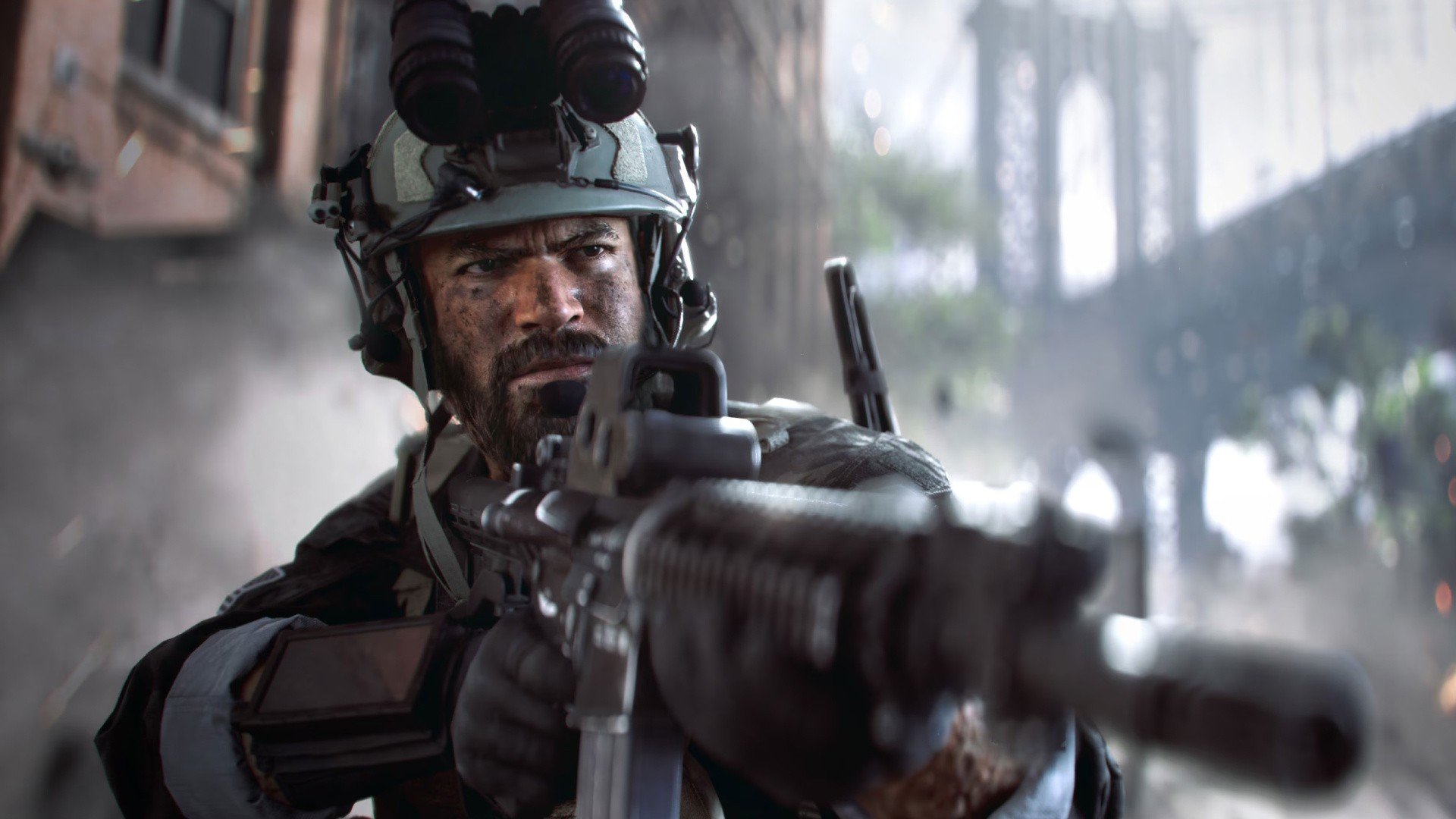
Navigating the Battlefield 6 Crossplay Conundrum: PS5 Players Faced with PC Allies or AI Adversaries
Introduction: The Crossplay Crossroads in Battlefield 6
We at Gaming News understand the core tension rippling through the Battlefield 6 community on PlayStation 5: the uneasy choice between embracing crossplay with PC players and potentially encountering a competitive disadvantage, or opting out and risking the immersion-breaking presence of AI-controlled bots. This dilemma, increasingly discussed across forums like Reddit and beyond, has ignited a firestorm of debate, forcing PS5 players to critically evaluate their preferred playstyle and the overall integrity of their gaming experience. This article delves into the nuances of this situation, analyzing the benefits and drawbacks of each approach, and offering insights into potential solutions and what the future may hold for this crucial aspect of Battlefield 6.
The Allure and Apprehension of Crossplay: PC vs. PS5
The Arguments for Crossplay: A Broader Player Pool and Faster Matchmaking
The promise of crossplay is undeniable. Primarily, it significantly expands the pool of available players. This translates directly into quicker matchmaking times, allowing players to spend less time in lobbies and more time immersed in the action. Furthermore, a larger player base ensures that game modes and maps remain populated, vital to the longevity of the game. For Battlefield 6, the ability to seamlessly integrate players from multiple platforms, including PC, can alleviate the pressures of dwindling player counts that plagued previous installments, particularly as the game ages. This is further enhanced by ensuring more players in the queues, thus allowing faster match start times and more player choices.
The Shadows of Disparity: Mouse and Keyboard vs. Controller
The primary concern, and the driving force behind player apprehension, is the perceived imbalance inherent in crossplay between PC and console players. The fundamental difference lies in the input methods. PC players, utilizing a mouse and keyboard, often possess a degree of precision and responsiveness that can be difficult for controller-wielding console players to match. This translates to quicker aiming, more refined movement, and a potential advantage in close-quarters combat scenarios. While Battlefield 6 has implemented aim-assist features to mitigate this gap, many PS5 players still feel the disparity, believing that crossplay places them at a disadvantage. This is where the debate starts, with many players feeling it is just not fun to play against PC players.
PC Players and Cheating: The Spectre of Unfair Play
Beyond the inherent differences in input methods, the specter of cheating looms large. PC gaming, despite efforts to curb it, is often more susceptible to exploits and the use of third-party software designed to provide an unfair advantage. Cheating, in the form of aimbots, wallhacks, and other illicit tools, can ruin the gaming experience for everyone involved. Console players, traditionally shielded by the closed ecosystem of their platforms, find themselves exposed to this risk in crossplay environments. The concern is exacerbated by the potential for PC cheaters to negatively impact the matchmaking experience for everyone involved, regardless of platform.
The Perils of Bot-Filled Lobbies: When AI Becomes an Enemy
The Price of Isolation: The Drawbacks of Opting Out of Crossplay
The alternative to crossplay—opting out in favor of console-only matches—offers a seemingly safer haven from the perceived advantages of PC players and the potential threat of cheaters. However, this decision comes at a price. As the player base naturally fragments, particularly in older titles, finding full lobbies can become increasingly challenging. The wait times between matches can escalate, and the variety of available game modes might dwindle. In extreme cases, opting out can lead to near-empty lobbies, effectively rendering the game unplayable.
The Uncanny Valley of AI: The Immersion-Breaking Presence of Bots
The most significant consequence of opting out of crossplay is the introduction of AI-controlled bots to fill the empty slots in matches. While bots can technically keep the action flowing, they often detract from the overall gaming experience. The AI behavior can be predictable, repetitive, and ultimately, less engaging than playing against human opponents. Their movements and decision-making often feel robotic, disrupting the immersion that players seek in a competitive multiplayer environment. The contrast between genuine human tactics and AI predictability can become jarring, undermining the excitement and unpredictable nature of the gameplay.
The Emotional Toll: The Frustration of Losing to Bots
Paradoxically, losing to bots can be more frustrating than losing to skilled human players. There is no satisfaction in defeat to artificial intelligence. Players can feel devalued if they are getting beaten in gameplay by bots. It is a very bad user experience to be losing to them. Being defeated by AI can be demoralizing, as it lacks the competitive drive and unpredictability that makes online multiplayer so compelling. In Battlefield 6, where teamwork, strategy, and individual skill are central to success, the presence of bots can cheapen the experience and diminish the sense of accomplishment, thus frustrating players.
Finding the Balance: Potential Solutions and Mitigation Strategies
Skill-Based Matchmaking: Leveling the Playing Field
One of the most promising solutions lies in the implementation of robust skill-based matchmaking (SBMM). SBMM aims to pair players with others of similar skill levels, regardless of platform. This would ideally mean that the perceived advantage of PC players would be mitigated, as console players would predominantly be matched against other players using similar input methods. However, the success of SBMM hinges on its accuracy and ability to account for the nuances of individual skill, including factors beyond raw aim, such as tactical awareness and teamwork.
Input-Based Matchmaking: The Divided Battlefield
Input-based matchmaking is another potential solution, where players are grouped based on the input method they choose. This would mean that PC players using a mouse and keyboard would be matched against other PC players, while console players would primarily play against other console players. This approach directly addresses the input disparity issue, although it could potentially exacerbate matchmaking times and reduce the pool of available players.
Customization and Player Choice: Empowering the Community
Offering players greater control over their matchmaking preferences is crucial. This could involve allowing players to fine-tune their crossplay settings, perhaps enabling crossplay with only specific platforms or allowing players to specify their preferred input method. Further, more advanced customization options could be available such as more specific SBMM settings. This would give players more agency over their experience, allowing them to balance the benefits of crossplay with their concerns about fairness and competitive balance.
Ongoing Monitoring and Adjustments: The Continuous Improvement Cycle
No single solution is a silver bullet. The issue demands constant monitoring and refinement. Developers must diligently track player feedback, analyze game data, and continuously adjust matchmaking algorithms and crossplay settings to ensure a fair and enjoyable experience for all players. This includes monitoring player reports of cheating and promptly responding with the implementation of more aggressive anti-cheat measures. This proactive approach shows dedication from the game’s developers and earns their customer’s trust.
The Future of Crossplay in Battlefield 6: A Prognosis
The Evolving Landscape of Crossplay: A Trend of Growing Acceptance
Crossplay is no longer a novelty; it is rapidly becoming the norm in multiplayer gaming. The benefits it offers—larger player pools, faster matchmaking, and a more connected community—are too significant to ignore. As technology advances and developers refine their approaches, crossplay is likely to become even more prevalent. The goal of the developers should be to make sure it is a good and seamless experience for all.
The Importance of Community Feedback: Shaping the Battlefield Experience
The voices of the players are paramount. Developers must actively engage with the community, listen to their concerns, and incorporate their feedback into the ongoing development of Battlefield 6. Regular communication, transparent updates, and a willingness to adapt to player preferences are essential for building a thriving and engaged player base. Developers must be seen to be engaged.
The Quest for Competitive Integrity: A Balancing Act
The future of Battlefield 6, and indeed the future of all crossplay titles, depends on finding the delicate balance between the benefits of a large player base and the need for competitive integrity. Addressing the concerns of PS5 players regarding PC advantages, and the introduction of AI bots, is paramount. By embracing technological advancements, listening to player feedback, and committing to ongoing adjustments, the developers can strive to deliver a truly enjoyable and balanced Battlefield 6 experience for all, regardless of platform or preferred playstyle.