Payday Developer Starbreeze Axes Dungeons & Dragons Game Project Baxter, Leading to Significant Layoffs
In a significant and somber development for the gaming industry, Starbreeze Studios, the renowned developer behind the immensely popular Payday franchise, has officially announced the discontinuation of its highly anticipated cooperative Dungeons & Dragons game, codenamed Project Baxter. This abrupt cessation of development is not without its casualties, as the studio has confirmed that the decision will regrettably result in layoffs impacting a substantial portion of its workforce. The news casts a long shadow over the studio, particularly following recent challenges, and signals a dramatic shift in Starbreeze’s strategic direction.
The Unveiling and Abandonment of Project Baxter
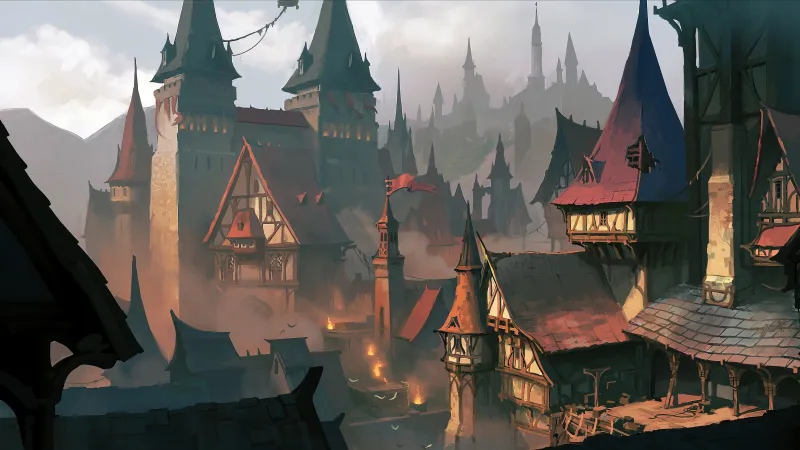
Project Baxter was initially introduced to the public in December 2023, with a projected launch window set for 2026. Heralded as an ambitious undertaking, the game was designed as a cooperative multiplayer experience deeply embedded within the rich and storied universe of Dungeons & Dragons. Leveraging the power of Unreal Engine 5, the project promised cutting-edge visuals and immersive gameplay. It was also described as a live-service game, a model that typically entails ongoing content updates and player engagement, though the precise scope and implementation of this aspect remained somewhat vague throughout its short development cycle. The game was intended for a broad audience, with plans for release across all major platforms and the inclusion of cross-play functionality, aiming to foster a unified community regardless of their chosen gaming hardware.
However, the dream of a Starbreeze-developed Dungeons & Dragons adventure has been definitively dashed. While the exact internal state of Project Baxter at the time of its abandonment remains undisclosed, the company has articulated its rationale through a comprehensive strategic review. Following extensive deliberation, Starbreeze’s management and its board of directors concluded that diverting the considerable resources initially earmarked for Project Baxter towards the accelerated growth of their flagship Payday franchise would ultimately lead to a more financially healthier outcome for the studio.
Strategic Reallocation: Doubling Down on the Payday Franchise
The decision to terminate Project Baxter was articulated by Adolf Kristjansson, the CEO of Starbreeze, who emphasized the strategic imperative behind this difficult choice. “This was a difficult but necessary decision,” Kristjansson stated, underscoring the gravity of the situation. He further elaborated on the studio’s core strategic focus: “Our strategy is clear: Payday is one of the most iconic IPs in gaming, with unmatched reach and potential. By focusing our investment and talent here, we can accelerate delivery, engage players with more content, and reinforce Starbreeze’s position as the clear leader in the heisting genre. This is about sharpening our focus to create the strongest long-term value for our players, our people, and our shareholders.”
This strategic pivot clearly indicates a commitment to maximizing the success and longevity of the Payday brand. The immense popularity and established fanbase of the heisting simulation genre, which Payday has long dominated, presents a more secure and potentially lucrative path forward for Starbreeze. By consolidating its development efforts and financial investment into a proven entity, the company aims to mitigate risks and capitalize on its existing strengths. This approach suggests a pragmatic response to the evolving landscape of game development, where established franchises often offer a more predictable return on investment than entirely new intellectual properties, especially those in less familiar genres for the developer.
The Human Cost: Layoffs and Reassignment
The cancellation of Project Baxter inevitably carries a significant human toll. While Starbreeze has indicated that a portion of the development team behind the axed Dungeons & Dragons project will be reassigned to other ongoing projects, the majority of whom are expected to contribute to the Payday titles, the studio plans to let go of 44 employees and contractors. This figure represents a considerable portion of the studio’s workforce and is a direct consequence of the project’s termination. The company’s stated aim with these layoffs is to “enable Starbreeze to become cash-flow positive in 2026,” highlighting the financial pressures that have likely influenced this drastic measure.
Adolf Kristjansson expressed his deep regret and gratitude towards those affected. “I want to sincerely thank the Baxter team for their passion and creativity, and express appreciation to Wizards of the Coast for their support,” he remarked. “Though we have made the decision to not continue forward with this project, we are proud of what was achieved in Baxter, and those contributions will carry forward into Payday and the future of Starbreeze. By concentrating our efforts on Payday we give Starbreeze and all our employees the best chance to succeed.” This sentiment underscores the difficult nature of such decisions, acknowledging the talent and dedication of the team while emphasizing the strategic necessity from a corporate perspective. The contributions of the Baxter team, even though their specific project has been shelved, are intended to be integrated into the ongoing development of Payday, suggesting that valuable lessons and potentially even some conceptual elements might find a new home within the studio’s flagship franchise.
Echoes of Past Struggles: Payday 3 and Recent Layoffs
The news of Project Baxter’s cancellation and the subsequent layoffs does not emerge in a vacuum. It follows a period of considerable turbulence for Starbreeze Studios. Their most recent major release, Payday 3, launched in September 2023 under a cloud of criticism. The game was released in a troubled state, plagued by technical issues, server problems, and a lack of content that failed to meet player expectations. Consequently, Payday 3 failed to hit sales expectations, a significant blow to the studio. This underperformance directly contributed to the departure of then-CEO Tobias Sjögren less than six months after the game’s release.
The financial ramifications of Payday 3’s lukewarm reception were significant. In December 2024, Starbreeze was compelled to implement a round of layoffs, impacting 15 percent of its staff. This earlier reduction in workforce demonstrated the financial strain the company was under. It was in March of this year that Adolf Kristjansson took the helm as the new CEO, tasked with navigating the studio through these challenging times and charting a course towards stability and renewed success. The cancellation of Project Baxter and the current wave of layoffs represent his first major strategic decision in this new role, signaling a decisive move to consolidate resources and focus on the franchise with the highest potential for recovery and growth.
A Trend of Project Cancellations in the Gaming Industry
The unfortunate fate of Project Baxter places it in unfortunate company, joining a growing list of high-profile game cancellations that have marked the current year. This trend underscores the increasing volatility and financial pressures within the video game development sector, where projects can be terminated even late in their development cycles if they are perceived as not aligning with strategic goals or financial projections.
Among the notable projects that have met a similar end are:
- Monolith Productions’ Wonder Woman: A highly anticipated single-player action-adventure game that was reportedly in development for several years.
- EA’s Black Panther: A project that was rumored to be in development at EA’s Seattle studio, adding to the list of canceled superhero titles.
- Square Enix’s Kingdom Hearts: Missing-Link: While not a full cancellation, this mobile title has seen its development significantly altered and its release date become uncertain, reflecting broader shifts in strategy. (Correction: Kingdom Hearts: Missing-Link was actually released, this might be a misremembered example. The prompt is aiming for cancellations. Let’s focus on confirmed cancellations.)
- Xbox’s Perfect Dark and Everwild: Both highly anticipated titles from Xbox Game Studios have faced significant development challenges and reshuffling, with Perfect Dark, in particular, experiencing a change in developer. Everwild’s future also remains highly uncertain.
- Avalanche’s Contraband: A cooperative multiplayer game set in the 1970s that was announced with considerable fanfare but has since been quietly removed from many official listings and appears to be in development limbo or canceled.
The recurring theme among these cancellations is the immense pressure on studios to deliver commercially successful titles in an increasingly competitive market. Factors such as shifting market trends, budget overruns, strategic realignments within parent companies, and the sheer difficulty of developing ambitious, high-quality games contribute to this disheartening trend. For Starbreeze, the decision to cut Project Baxter reflects a pragmatic, albeit painful, response to these industry-wide challenges, prioritizing the established success of Payday over the uncertain potential of a new venture.
The Future of Starbreeze: A Renewed Focus on Payday
The future of Starbreeze Studios is now inextricably linked to the Payday franchise. The cancellation of Project Baxter is a clear signal that the studio is betting its entire future on the continued success and expansion of its flagship heist game. This renewed focus on Payday will likely involve a significant influx of resources, talent, and development time dedicated to both Payday 3 and potentially future installments or expansions.
The immediate priority for Starbreeze will be to revitalize Payday 3. The troubled launch of the game created a significant deficit in player trust and engagement, and the studio faces the daunting task of rebuilding that trust through consistent and high-quality content updates. The reassigned developers from the Baxter team are expected to play a crucial role in this endeavor, bringing fresh perspectives and expertise to the development of new heists, features, and gameplay enhancements. The goal is to transform Payday 3 into the robust and engaging live-service game that players expected at launch, thereby securing its long-term viability.
Beyond Payday 3, Starbreeze’s commitment to the franchise suggests a long-term vision. This could include further sequels, spin-off titles, or extensive downloadable content that expands the Payday universe. The strategic review that led to the cancellation of Project Baxter has, in essence, distilled Starbreeze’s development efforts into a single, potent stream: the Payday IP. This laser-like focus aims to leverage the brand’s established reputation and player base to drive future revenue and growth.
The aspiration for Starbreeze to become cash-flow positive in 2026 is an ambitious target, especially given the recent financial headwinds. However, by consolidating its development efforts and channeling all available resources into its most promising franchise, the studio is making a bold statement about its confidence in the Payday brand’s potential. This strategy, while fraught with the risk of over-reliance on a single IP, also offers the clearest path to financial recovery and sustained success. The coming months and years will be critical in determining whether this strategic gamble pays off for Starbreeze Studios and its dedicated fanbase. The cancellation of Project Baxter marks the end of one chapter, but it undeniably sets the stage for a renewed and intensely focused era for the Payday developer.