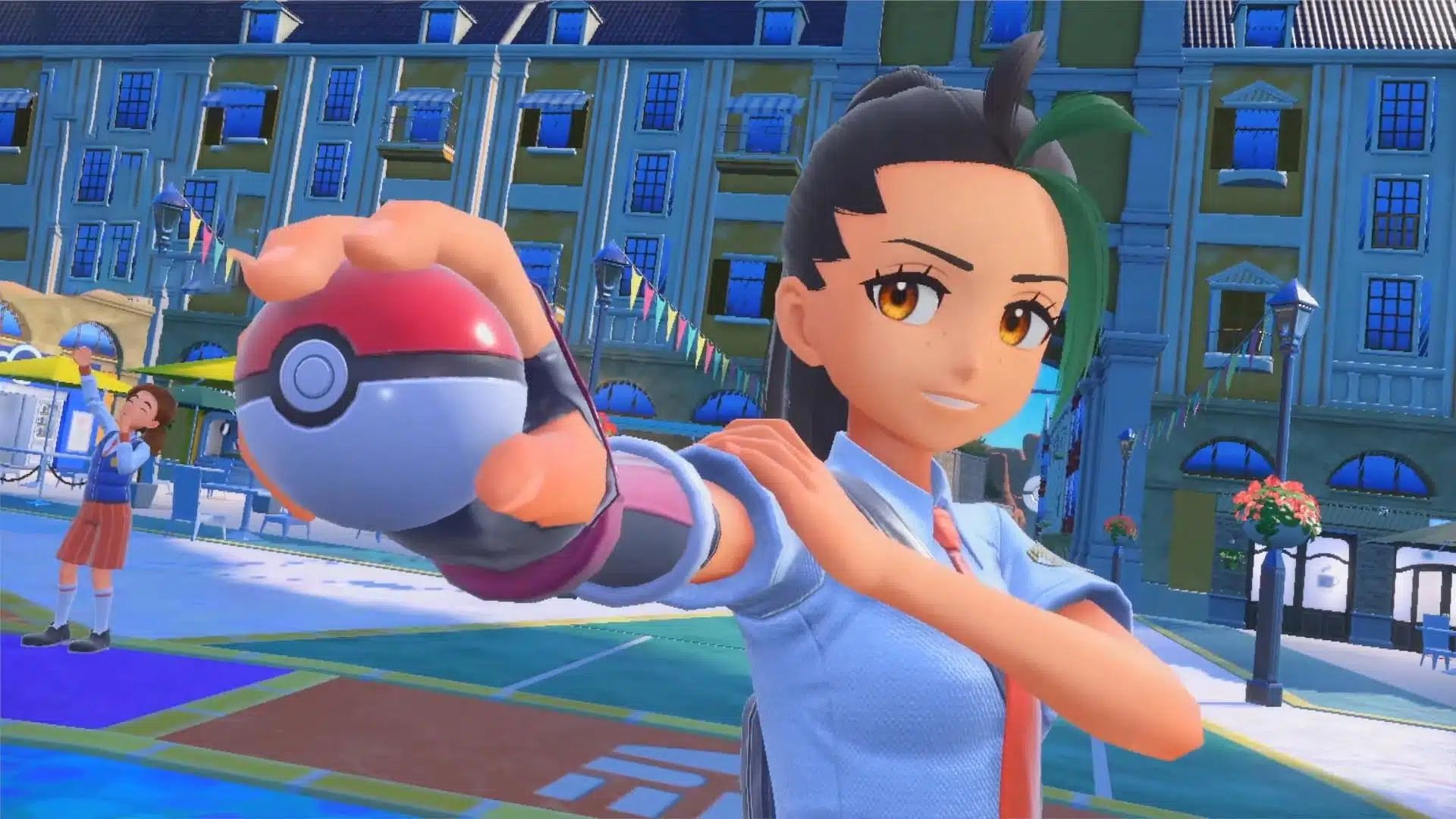
Nintendo’s Creature Capture Patent Being ‘Re-Examined’ by US Patent and Trademark Office
The world of video game patents is a complex and often contentious landscape. Recently, a particularly intriguing development has emerged: Nintendo’s patent related to creature capturing and battling mechanics, a concept deeply ingrained in their immensely successful Pokémon franchise and emulated by countless other games, is now under re-examination by the United States Patent and Trademark Office (USPTO). This re-examination stems from renewed scrutiny and challenges to the patent’s validity, reigniting debates about intellectual property, innovation, and the extent to which core gameplay mechanics can be legally protected. At Gaming News, we delve into the intricacies of this case, exploring its potential implications for Nintendo, the broader gaming industry, and the future of game design.
The Patent in Question: A Deep Dive into the Technology
While the specific patent number being re-examined is subject to change and detailed information is often shielded by legal confidentiality, the core of the issue revolves around the fundamental mechanisms of capturing creatures within a virtual environment and subsequently utilizing them in battles. This extends beyond simply catching a digital monster. The patent is alleged to cover a wider system involving:
- Weakening and Capture Mechanics: The process of reducing a creature’s health or status to a point where it becomes susceptible to capture, potentially using specialized items or abilities.
- Data Storage and Management: How captured creatures are stored, organized, and accessed within the game’s system, including their attributes, skills, and progress.
- Battle Systems Leveraging Captured Creatures: The use of these captured creatures in strategic battles, employing turn-based combat, elemental advantages, and various abilities.
- Trading and Interaction: The ability to trade captured creatures with other players, potentially including asynchronous trading or direct player-to-player exchanges.
The breadth of these claims has been a point of contention. Critics argue that these mechanics, while popularized by Pokémon, are built upon pre-existing game design principles and should not be subject to such broad patent protection.
The Grounds for Re-Examination: Prior Art and Obviousness
The re-examination process at the USPTO is typically initiated based on new evidence or arguments that challenge the patent’s validity. These challenges often center on two key concepts: prior art and obviousness.
Prior Art: The Existence of Precedent
Prior art refers to any evidence that the invention claimed in the patent was already known or available to the public before the patent application was filed. This can include:
- Previously Published Games: Games released before the patent application that incorporate similar creature capturing and battling mechanics.
- Academic Papers and Research: Publications describing relevant technologies or gameplay concepts.
- Other Patents: Existing patents that cover related inventions.
The challengers likely presented the USPTO with examples of earlier games or technologies that arguably foreshadowed Nintendo’s claimed invention. Games predating the Pokémon franchise, particularly those with monster collection and battling elements, are often cited as potential prior art. These may include older RPGs with monster taming features, or even earlier collectible card games that influenced the genre.
Obviousness: A Lack of Inventive Step
Even if the exact invention wasn’t previously described, a patent can be invalidated if the claimed invention would have been obvious to a person skilled in the art (i.e., a game designer) at the time the invention was made. This means that if the combination of existing technologies or design principles would have naturally led to the invention, it may not be patentable.
Challengers might argue that the combination of existing RPG mechanics, monster collection concepts, and turn-based battle systems would have been an obvious development for game designers, even without the specific implementation found in Pokémon. The argument hinges on the idea that the core concepts were already present in the gaming landscape, and Nintendo’s implementation was a logical and predictable evolution.
Potential Implications for Nintendo and the Gaming Industry
The outcome of this re-examination process could have significant repercussions for Nintendo and the broader gaming industry.
Nintendo’s Perspective: Protecting Intellectual Property
For Nintendo, the patent represents a crucial piece of intellectual property that safeguards their iconic Pokémon franchise and potentially provides leverage against other companies seeking to implement similar mechanics. A successful defense of the patent would:
- Maintain Competitive Advantage: Prevent competitors from directly copying the core gameplay loop of Pokémon.
- Generate Licensing Revenue: Allow Nintendo to license the patented technology to other developers.
- Strengthen Portfolio of Intellectual Property: Reinforce Nintendo’s position as a leader in innovation and intellectual property protection within the gaming industry.
Losing the patent, however, could weaken their legal standing and potentially open the door for more direct competition.
The Industry’s Perspective: Fostering Innovation or Hindering Creativity?
The debate surrounding this patent highlights a fundamental tension within the gaming industry: the balance between protecting innovation and fostering creativity.
- Arguments for Patent Protection: Proponents of strong patent protection argue that it incentivizes companies to invest in research and development, knowing that they will have exclusive rights to their inventions for a limited time. This encourages innovation and leads to the creation of new and exciting games.
- Arguments Against Broad Patents: Critics argue that overly broad patents on core gameplay mechanics can stifle creativity and innovation by preventing developers from building upon existing ideas. They believe that such patents can create a “patent thicket,” making it difficult for new developers to enter the market and potentially leading to lawsuits.
The re-examination of Nintendo’s patent underscores the need for careful consideration of these competing interests. A decision to invalidate the patent could be seen as a victory for open innovation, while a decision to uphold it could reinforce the importance of intellectual property protection.
The Re-Examination Process: What Happens Next?
The re-examination process at the USPTO is a multi-stage procedure that can take months or even years to complete. It typically involves the following steps:
- Initial Review: The USPTO reviews the request for re-examination and determines whether a substantial new question of patentability has been raised.
- Patent Owner Response: If the USPTO grants the request for re-examination, the patent owner (Nintendo in this case) has the opportunity to respond to the challenges and provide evidence supporting the patent’s validity.
- Third-Party Comments: Third parties (e.g., other game developers, legal experts) may be allowed to submit comments and evidence relevant to the re-examination.
- USPTO Decision: The USPTO examiner reviews all of the evidence and arguments and issues a decision either upholding the patent, rejecting it, or modifying the scope of the claims.
- Appeals: Both the patent owner and the third parties can appeal the USPTO’s decision to higher courts.
The outcome of this process is uncertain, and it is possible that the patent could be upheld, invalidated, or modified. Gaming News will continue to monitor the situation closely and provide updates as they become available.
Beyond Pokémon: The Broader Implications for Game Design
The implications of this case extend far beyond the Pokémon franchise. It touches upon the fundamental question of what constitutes a patentable invention in the context of video game design. If basic mechanics like creature capture and battling are deemed patentable, it could have a chilling effect on the development of new games.
The Rise of “Monster-Collecting” Games:
The success of Pokémon has spawned a wave of games incorporating similar mechanics. From Yo-kai Watch to Temtem and Palworld, the genre has exploded in popularity. A broad interpretation of Nintendo’s patent could potentially impact the development and distribution of these games, even if they introduce unique elements and variations.
Indie Developers and Innovation:
Indie developers, often operating on limited budgets, may be particularly vulnerable to patent infringement claims. The fear of litigation could discourage them from experimenting with new ideas and pushing the boundaries of game design. This could stifle innovation and lead to a homogenization of the gaming landscape.
The Future of Game Design:
The outcome of this case could shape the future of game design, influencing how developers approach innovation and intellectual property protection. A narrow interpretation of the patent could encourage developers to focus on creating truly novel and unique mechanics, while a broad interpretation could lead to more conservative design choices.
Ethical Considerations: Is Capturing Creatures Morally Sound?
While the legal ramifications of the patent re-examination are significant, the ethical considerations surrounding creature capture mechanics are also worth exploring. The core concept of capturing, containing, and forcing creatures to battle raises questions about animal rights and the treatment of digital beings.
The Pokémon Paradox:
The Pokémon franchise often portrays a seemingly symbiotic relationship between humans and Pokémon. However, the act of capturing and battling creatures, even within a fictional context, can be viewed as exploitative. Some critics argue that the games normalize the idea of treating animals as objects for entertainment and personal gain.
Evolving Perspectives:
As societal attitudes toward animal welfare evolve, the ethical implications of creature capture mechanics may come under increasing scrutiny. Developers may need to consider these concerns when designing new games and strive to create systems that are both engaging and ethically responsible.
Alternatives and Innovations:
Some games have already begun to explore alternative approaches to creature interaction, focusing on cooperation, friendship, and mutual benefit rather than capture and control. These games demonstrate that it is possible to create compelling gameplay experiences without relying on potentially exploitative mechanics.
Conclusion: A Case with Far-Reaching Consequences
The re-examination of Nintendo’s creature capture patent is a complex legal battle with potentially far-reaching consequences for Nintendo, the gaming industry, and the future of game design. The outcome of this case will likely shape the landscape of intellectual property protection and influence how developers approach innovation and creativity. Gaming News will continue to provide in-depth coverage of this important issue, offering analysis and insights into the legal, ethical, and creative implications. We encourage our readers to stay informed and engage in the ongoing conversation about the future of gaming.