Nintendo Switch 2 Shatters Sales Records, Reaching 10 Million Units Sold Amidst Persistent Pricing Debates
The revolutionary Nintendo Switch 2, a console that has redefined portable and home console gaming, has surpassed an astonishing 10 million units sold globally. This monumental achievement solidifies its position as the fastest-selling console of all time, a testament to its unparalleled appeal and innovative design. Despite facing significant and vocal fan anger regarding the pricing of games and essential upgrades, the sheer demand for the Switch 2 has continued to drive sales at an unprecedented pace. This success story, first reported by Gamepressure.com on November 4th, 2025, paints a clear picture of a product that, while not without its controversies, has undeniably captured the hearts and wallets of gamers worldwide.
Unprecedented Sales Trajectory: A New Benchmark in Console History
The Nintendo Switch 2’s rapid ascent to 10 million units sold is not merely a milestone; it is a paradigm shift in the console market. No other gaming device in history has reached such a colossal sales figure in such a short timeframe. This exceptional performance outpaces even the most successful previous launches from Nintendo and its competitors, showcasing the unique appeal of Nintendo’s hybrid gaming philosophy. The ability to seamlessly transition between home console experiences and portable play has clearly resonated with a vast audience, transcending traditional gaming demographics.
The initial launch of the Switch 2 was met with immense anticipation, and that anticipation has clearly translated into sustained consumer interest. Analysts and industry observers have repeatedly pointed to the console’s innovative hybrid nature as its primary selling point. This dual functionality addresses a diverse range of player needs, from those who prefer to game on a large screen in their living room to those who demand flexibility and the ability to play on the go. The market has responded with overwhelming enthusiasm, proving that this unique approach to console design is not a niche feature but a mainstream success.
Furthermore, Nintendo’s strategic approach to game development and third-party partnerships has played a crucial role in this sales phenomenon. The Switch 2 boasts a robust and ever-expanding library of exclusive titles that are exclusive to the platform and are considered system-sellers in their own right. These games, often praised for their creativity, polish, and family-friendly appeal, have become a significant draw for consumers looking for experiences that cannot be found elsewhere. The continued release of highly anticipated first-party games has consistently reignited interest and driven hardware sales throughout its lifecycle.
The global reach of the Nintendo Switch 2 cannot be overstated. While the console has performed exceptionally well in its traditional strongholds like Japan and North America, it has also made significant inroads into markets where Nintendo’s previous hardware may not have achieved such widespread adoption. This indicates a broader appeal that transcends geographical boundaries, suggesting that the Switch 2’s unique proposition is universally understood and desired. Retailers worldwide have reported consistent demand, with stock often becoming a limiting factor rather than consumer desire.
The Hybrid Revolution: Convenience Meets Immersion
At the core of the Nintendo Switch 2’s success lies its groundbreaking hybrid design. This innovative concept allows players to experience high-quality gaming both docked to a television for a traditional home console experience and undocked for portable play. This unparalleled flexibility caters to the modern gamer’s lifestyle, where time and space are often at a premium. The ability to transition effortlessly between these two modes means that gaming sessions are no longer confined to a specific location or time.
Gamers can begin their adventure on the big screen and then simply detach the Joy con controllers and the console itself to continue their journey on the subway, during a commute, or even in a different room of the house. This seamless transition eliminates the friction often associated with switching between different gaming devices or platforms. The convenience factor is a significant driver of adoption, especially for individuals juggling work, family, and social commitments.
The Joy con controllers themselves are a marvel of ergonomic design and versatile functionality. They can be used attached to the console for handheld play, detached for individual motion-controlled gaming, or even used as two separate controllers for impromptu multiplayer sessions. This adaptability enhances the social aspect of gaming, making it easier than ever to share the gaming experience with friends and family, whether in the same room or across the globe through online play.
Beyond the hardware, Nintendo has consistently delivered software experiences that fully leverage the Switch 2’s unique capabilities. Games are often designed with both docked and handheld play in mind, ensuring a high-quality experience regardless of the mode. This attention to detail in game design, coupled with Nintendo’s legendary IP, has created a powerful ecosystem that keeps players engaged and eager for more. The dedication to optimizing games for the hybrid format is a key differentiator that sets the Switch 2 apart from its competitors.
Impact on Gaming Habits
The influence of the Switch 2 on gaming habits has been profound. It has normalized the concept of playing console-quality games on the go, blurring the lines between traditional console gaming and mobile gaming. This has opened up new opportunities for developers to create games that cater to this hybrid audience, and it has also made gaming more accessible to a wider range of people who may not have dedicated gaming spaces or the time for extended console sessions.
The freedom to play anywhere, anytime has fundamentally altered how many consumers approach their entertainment choices. Instead of being tied to a television, gamers can now integrate their hobby into their daily routines more fluidly. This has likely contributed to the console’s widespread appeal, attracting not only dedicated gamers but also casual players who appreciate the convenience and accessibility it offers.
Navigating the Pricing Storm: Fan Frustration and Resilience
Despite the overwhelming sales success, the Nintendo Switch 2 has not been immune to criticism, particularly concerning the pricing of its games and associated upgrades. From the outset, a segment of the gaming community has expressed dissatisfaction with the perceived high cost of new releases and the ongoing investment required to fully experience the platform. This has been a recurring theme in online discussions and gaming forums, highlighting a tension between Nintendo’s pricing strategies and consumer expectations.
The initial price points for flagship Switch 2 titles were often met with grumbling, especially when compared to the pricing of games on competing platforms or older Nintendo consoles. Many fans argued that while the quality of Nintendo’s first-party games is undeniable, the cost of acquiring these titles, often remaining at full price for extended periods, felt prohibitive. This sentiment was further amplified by the cost of downloadable content (DLC) and expansion packs, which can significantly increase the overall expenditure for a single game.
The cost of accessories and supplementary hardware has also been a point of contention. Items such as extra Joy con controllers, Pro Controllers, and the Nintendo Switch Online subscription service, while offering added value, represent additional expenses that can accumulate quickly. For families or individuals looking to equip multiple players or enhance their gaming setup, these costs can become a significant barrier.
One particular area of friction has been the pricing of digital games and the perceived lack of frequent or deep discounts compared to other digital storefronts. While physical copies can sometimes be found on sale, Nintendo’s digital eShop has often been criticized for its relatively infrequent and modest price reductions on major titles. This has led some consumers to feel that they are paying a premium for digital convenience and are less incentivized to purchase games digitally unless a substantial discount is offered.
However, it is crucial to note that despite this vocal fan anger, the sales figures for the Nintendo Switch 2 have continued to soar. This paradox suggests that while consumers may express dissatisfaction with pricing, the inherent value proposition of the console and its exclusive software ultimately outweighs these concerns for a significant portion of the market. The demand for Nintendo’s unique gaming experiences is so strong that it appears to absorb the pricing criticisms, at least in terms of purchasing decisions.
The Value Proposition: Quality vs. Cost
The ongoing debate around the value proposition of Nintendo Switch 2 games and accessories is multifaceted. On one hand, there is the undeniable quality and polish of Nintendo’s first-party titles. Games like The Legend of Zelda: Tears of the Kingdom, Super Mario Odyssey, and Animal Crossing: New Horizons are critically acclaimed masterpieces that offer hundreds of hours of engaging gameplay. Many argue that the extensive development time, innovation, and sheer fun factor embedded in these titles justify their premium pricing.
Nintendo’s philosophy often centers on delivering a complete and polished experience at launch, with fewer microtransactions or aggressive monetization schemes compared to some of its competitors. This focus on a premium, self-contained gaming experience can be seen as a core part of its value. The longevity of Nintendo titles, which often remain popular and relevant for years after their release, also contributes to their perceived long-term value.
On the other hand, consumers are increasingly accustomed to competitive pricing models in the broader entertainment landscape. The rise of subscription services offering vast libraries of content for a monthly fee, alongside aggressive sales and bundles on other platforms, has set certain expectations. This has created a disconnect for some consumers who compare Nintendo’s pricing directly to these other models, leading to a feeling of being overcharged.
The impact of inflation and rising development costs within the gaming industry also plays a role in the current pricing structures. While this may not entirely placate frustrated consumers, it is a contributing factor to the economic realities of game development and publishing. Nintendo, like all major developers, faces these increasing costs, which inevitably influence the final retail price of their products.
Community Reactions and Future Implications
The community’s reaction to Nintendo’s pricing strategies has been a mix of understanding, resignation, and persistent vocal criticism. Online forums, social media platforms, and gaming news comment sections are often abuzz with discussions about how much games cost, whether they are “worth it,” and comparisons to sales on other consoles.
This continuous feedback loop, while not always directly translating into immediate policy changes, does inform Nintendo’s long-term strategies. The company is acutely aware of its fanbase and the impact of public sentiment. While they may not always lower prices as much as some fans would like, the feedback regarding pricing can influence future release strategies, the timing of sales, and the perceived value of bundles and special editions.
It is plausible that Nintendo’s consistent sales success, even with these pricing debates, allows them a degree of freedom in their pricing strategies. The unwavering demand for their unique offerings means that they do not necessarily need to engage in the same aggressive discounting tactics as other platform holders. This allows them to maintain a certain price point for their premium products, a strategy that has, thus far, proven to be incredibly effective in terms of sales volume.
The long-term implications of this pricing dynamic remain to be seen. Will Nintendo eventually adjust its pricing strategies in response to persistent criticism, or will the sheer demand continue to validate its current approach? The continued success of the Switch 2 suggests that for a vast majority of players, the allure of Nintendo’s unparalleled gaming experiences ultimately justifies the cost.
Beyond Sales Figures: The Enduring Appeal of the Nintendo Ecosystem
While the 10 million unit sales milestone for the Nintendo Switch 2 is a monumental achievement in itself, it represents more than just hardware transactions. It signifies the widespread adoption and integration of the Nintendo ecosystem into the lives of millions of gamers. This ecosystem encompasses not only the innovative hardware but also the curated software library, the robust online services, and the unique community that Nintendo fosters.
The strength of Nintendo’s exclusive intellectual property (IP) cannot be overstated. Franchises like Mario, Zelda, Pokémon, and Metroid are not just games; they are cultural phenomena that have a dedicated following spanning generations. The Switch 2 serves as the primary platform for experiencing the latest installments and beloved classics from these iconic series, making it an indispensable piece of hardware for fans.
The Nintendo Switch Online service, while also a subject of debate regarding its features and pricing, provides a crucial layer to the ecosystem. It enables online multiplayer for many of the platform’s most popular titles, offers a growing library of classic NES, SNES, and Game Boy games, and facilitates cloud saves. These features, when bundled with the core console experience, add significant value and contribute to player retention.
Furthermore, Nintendo has a knack for creating unique and engaging social gaming experiences. The inherent portability of the Switch 2, combined with the versatility of the Joy con controllers, makes it exceptionally well-suited for local multiplayer. Spontaneous gaming sessions with friends and family are a hallmark of the Nintendo experience, fostering a sense of community and shared enjoyment that is often difficult to replicate on other platforms.
Software Powerhouse: A Library That Drives Hardware
The Nintendo Switch 2’s software library is arguably its greatest asset, acting as the primary driver for hardware sales. Nintendo’s unwavering commitment to producing high-quality, innovative, and critically acclaimed first-party titles has created a powerful moat around its platform. These games are not merely playable on the Switch 2; they are designed to take full advantage of its unique capabilities, offering experiences that are often unparalleled elsewhere.
From the sprawling open-world adventures of The Legend of Zelda series to the platforming perfection of Super Mario titles, Nintendo consistently delivers experiences that resonate with a broad audience. The sheer variety and consistent quality of these exclusive releases ensure that there is always something new and exciting for Switch 2 owners to play. This steady stream of must-have games acts as a perpetual engine for hardware sales.
Beyond Nintendo’s own output, the Switch 2 has also become a compelling platform for third-party developers. While not every major multiplatform title makes its way to the Switch 2, a significant number of indie games and even some AAA titles have found a receptive audience on the platform. The ability to play these games on the go has proven to be a strong selling point, and the console’s unique install base makes it an attractive proposition for publishers.
The ongoing success of the Switch 2’s software lineup is not accidental. It is the result of decades of expertise in game design, a deep understanding of player psychology, and a commitment to delivering polished, fun, and engaging experiences. This dedication to software excellence is what truly sets Nintendo apart and is a critical factor in the console’s phenomenal sales success.
The Pokémon Phenomenon and Beyond
The Pokémon franchise continues to be a colossal force within the Nintendo ecosystem, and its presence on the Switch 2 has been nothing short of phenomenal. Each new mainline Pokémon game released on the platform has become a system-seller in its own right, driving substantial hardware sales and setting new benchmarks for the franchise. The global appeal of Pokémon ensures that these releases have a massive impact on the Switch 2’s overall performance.
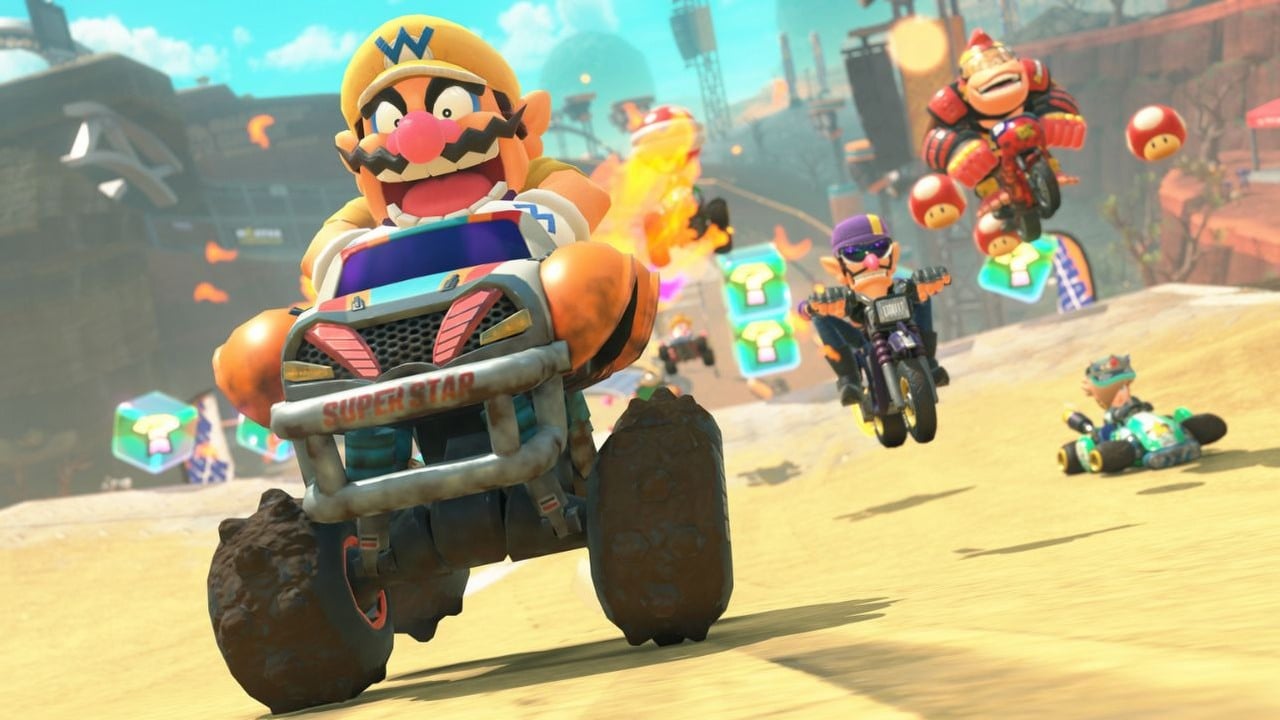
However, the success is not solely reliant on Pokémon. The continued evolution of franchises like Mario Kart, with its evergreen appeal and robust online multiplayer, and the enduring charm of Animal Crossing: New Horizons, which saw an explosion in popularity during recent global events, demonstrate the breadth of Nintendo’s appeal. These titles have not only sold millions of copies but have also become cultural touchstones, further embedding the Switch 2 into the fabric of modern entertainment.
The portability of these beloved franchises has opened up gaming to new audiences and created new ways for existing fans to engage with their favorite series. The ability to catch Pokémon on a lunch break, race with friends on the train, or meticulously craft an island paradise from the comfort of one’s couch highlights the transformative power of the Switch 2’s hybrid design. This integration into everyday life is a key reason for its sustained popularity and impressive sales figures.
Conclusion: A Triumph of Innovation and Unwavering Appeal
The Nintendo Switch 2’s trajectory to over 10 million units sold is a resounding triumph for innovation, strategic hardware design, and the enduring power of beloved gaming intellectual property. Despite persistent fan anger surrounding the pricing of games and upgrades, the console has achieved a level of commercial success that few could have predicted, solidifying its place as the fastest-selling console of all time. This remarkable feat underscores the unique value proposition that Nintendo offers to the global gaming market.
The hybrid nature of the Switch 2 has undeniably struck a chord with consumers, offering an unprecedented level of flexibility and convenience that seamlessly integrates gaming into diverse lifestyles. This has been complemented by a software library of unparalleled quality and variety, driven by Nintendo’s iconic franchises and supported by a growing ecosystem of third-party titles. The continuous stream of critically acclaimed games acts as a constant catalyst for hardware adoption.
While discussions about pricing are likely to persist within the consumer base, the overwhelming demand for the Switch 2 demonstrates that for a significant majority, the gaming experiences it provides are worth the investment. Nintendo has masterfully cultivated a brand loyalty and a product appeal that transcends mere price point considerations. The resilience of the Switch 2’s sales figures in the face of pricing criticisms is a testament to its broad appeal and the perceived value of its unique offering.
As the Nintendo Switch 2 continues its record-breaking run, it serves as a powerful example of how a well-executed vision, coupled with a deep understanding of player desires, can redefine the boundaries of the gaming industry. Its success is not just a collection of sales numbers; it represents a fundamental shift in how people play and engage with video games, a legacy that will undoubtedly be felt for years to come. The future of gaming, as shaped by the Switch 2, is one of flexibility, immersion, and unforgettable experiences, proving that even amidst debate, true innovation and exceptional gameplay will always find a market.