Nintendo is the Exception to the Troubled Console Market
The gaming console market is a volatile landscape, often characterized by fluctuating sales, shifting consumer preferences, and cutthroat competition. While Sony and Microsoft navigate increasingly challenging waters, Nintendo appears to be charting a different course, exhibiting remarkable resilience and a seemingly uncanny ability to thrive. At Gaming News, we delve into the factors that contribute to Nintendo’s exceptional performance in a market struggling with rising prices and economic uncertainties.
Navigating Economic Headwinds: Nintendo’s Strategic Pricing
The current economic climate, marked by inflation and concerns over disposable income, has significantly impacted consumer spending habits, particularly within the entertainment sector. Both Sony and Microsoft have been forced to grapple with these realities, leading to price increases on their flagship consoles and related services. The PlayStation 5, for example, saw price hikes in numerous regions, while Xbox Game Pass, a core component of Microsoft’s gaming strategy, has also experienced subscription cost adjustments.
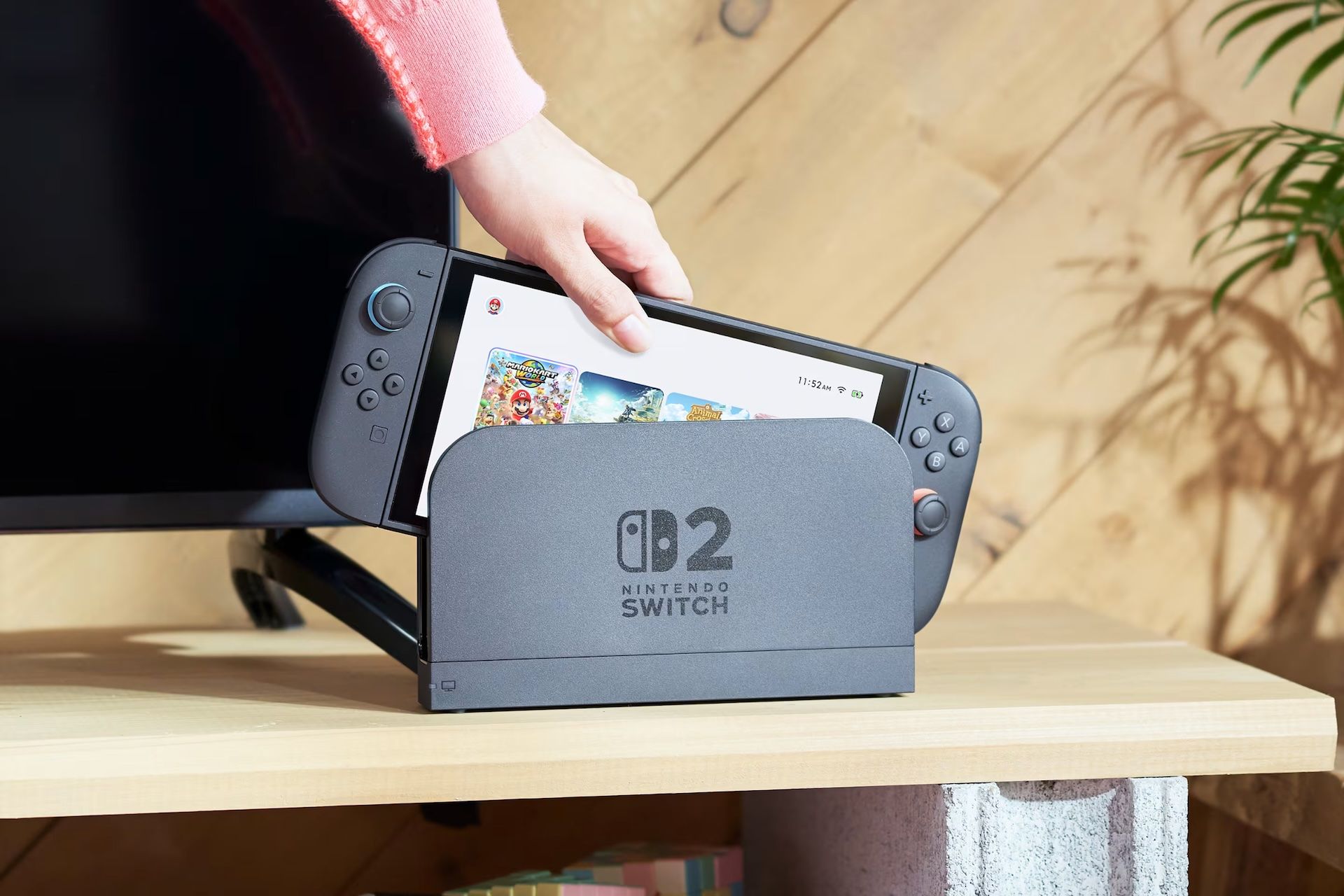
Nintendo, however, has largely maintained its existing pricing structure. This strategic decision, combined with the widespread anticipation for the Nintendo Switch 2, positions the company advantageously. The rumored price point of $450 for the Switch 2, initially perceived as relatively high, now appears increasingly reasonable in light of the pricing strategies adopted by its competitors. This perceived value proposition could be a significant driver of sales, attracting consumers who are wary of the higher costs associated with PlayStation and Xbox. The ability to offer a compelling gaming experience at a more accessible price point is a critical differentiator for Nintendo in the current market.
The Enduring Appeal of the Nintendo Ecosystem
Nintendo’s success is not solely attributable to pricing strategies. The company has cultivated a unique ecosystem of hardware, software, and intellectual property that resonates deeply with a diverse audience.
Family-Friendly Focus and Broad Appeal
Unlike Sony and Microsoft, which primarily target core gamers, Nintendo actively cultivates a broader audience, including families and casual players. This strategic focus on family-friendly content and intuitive gameplay mechanics has allowed Nintendo to tap into a vast, underserved market segment. Games like “Mario Kart,” “Animal Crossing,” and “Super Mario” are instantly recognizable and appeal to players of all ages and skill levels. This inclusive approach has been instrumental in Nintendo’s sustained success, enabling them to weather market fluctuations more effectively than their competitors.
First-Party Powerhouse: A Portfolio of Iconic Franchises
Nintendo’s strength lies in its exceptional library of first-party games. The company owns and develops some of the most recognizable and beloved franchises in gaming history, including “The Legend of Zelda,” “Pokémon,” “Super Mario,” and “Metroid.” These titles are system sellers, driving hardware sales and fostering a deep sense of brand loyalty among consumers. The consistent release of high-quality, critically acclaimed games ensures a steady stream of revenue and maintains consumer engagement with the Nintendo ecosystem. Moreover, these franchises are not just games; they are cultural icons, transcending generations and solidifying Nintendo’s position as a leader in the entertainment industry.
Innovation in Hardware Design
Nintendo has a long history of pushing the boundaries of hardware innovation. From the motion controls of the Wii to the hybrid nature of the Switch, Nintendo consistently experiments with new technologies and gameplay paradigms. This willingness to take risks and challenge conventional wisdom has resulted in some of the most groundbreaking and commercially successful consoles of all time. The Nintendo Switch, in particular, exemplifies this innovative spirit, seamlessly transitioning between handheld and docked modes, offering players unprecedented flexibility and convenience. This unique functionality has resonated with consumers worldwide, making the Switch a global phenomenon.
The Nintendo Switch: A Testament to Strategic Vision
The Nintendo Switch has been a resounding success for Nintendo, revitalizing the company’s fortunes and solidifying its position as a major player in the gaming industry. Its hybrid design, coupled with a compelling library of games, has proven to be a winning formula.
Long-Term Sales Momentum and Continued Demand
Despite being several years into its lifecycle, the Nintendo Switch continues to sell exceptionally well. The console’s enduring popularity is a testament to its versatility, affordability, and the strength of its game lineup. Unlike some consoles that experience a rapid decline in sales after their initial launch window, the Switch has maintained a steady stream of demand, consistently outselling its competitors in many markets. This sustained momentum is a significant advantage for Nintendo, providing a stable revenue stream and allowing the company to invest in future hardware and software development.
The Anticipation Surrounding the Nintendo Switch 2
The anticipation surrounding the Nintendo Switch 2 is palpable within the gaming community. Rumors and speculation abound regarding its specifications, features, and release date. While Nintendo has remained tight-lipped about the project, the mere existence of these rumors underscores the level of excitement surrounding the next iteration of the Switch. Gamers are eager to see what innovations Nintendo has in store, and many are already planning to upgrade to the new console upon its release. The potential for the Switch 2 to build upon the success of its predecessor is immense, positioning Nintendo for continued dominance in the console market.
Addressing the Switch 2 Pricing: A Comparative Analysis
Initial concerns about the Switch 2’s potential $450 price tag have largely subsided as consumers witness the rising costs of PlayStation and Xbox consoles and services. A comparative analysis reveals that the Switch 2, at $450, may offer a significantly better value proposition than its competitors, particularly for families and casual gamers who are less inclined to invest in high-end hardware and subscription services. The combination of affordability and compelling gameplay experiences makes the Switch 2 an attractive option for a broad range of consumers, further solidifying Nintendo’s position as a leader in the gaming industry. The rumored improvements in processing power and graphical capabilities, coupled with the Switch’s inherent portability, make it a compelling alternative to more expensive and less versatile consoles.
Challenges and Opportunities for Nintendo
Despite its successes, Nintendo faces its own set of challenges and opportunities. Navigating the evolving landscape of the gaming industry will require careful planning and strategic decision-making.
Adapting to the Rise of Digital Distribution
The gaming industry is increasingly shifting towards digital distribution, with more and more consumers opting to purchase games and content online. Nintendo must continue to adapt to this trend, expanding its digital storefront and offering compelling incentives for consumers to purchase digital games. While physical game sales remain a significant part of Nintendo’s business, the company cannot afford to ignore the growing importance of digital distribution. Investing in robust online infrastructure and offering attractive digital bundles and subscription services will be crucial for Nintendo’s long-term success.
Competition from Mobile Gaming
The mobile gaming market is a formidable competitor to traditional consoles. Mobile games are readily accessible, often free to play, and offer a wide range of genres and gameplay experiences. Nintendo must find ways to differentiate itself from the mobile gaming market, leveraging its unique intellectual property and innovative hardware designs to offer experiences that cannot be replicated on mobile devices. While Nintendo has experimented with mobile games, its core focus remains on its console business, which offers a more premium and immersive gaming experience.
Maintaining Innovation and Originality
Nintendo’s success is predicated on its ability to innovate and create original gaming experiences. The company must continue to push the boundaries of hardware and software design, developing new and exciting ways for consumers to interact with their games. Stagnation is the enemy of innovation, and Nintendo must remain vigilant in its pursuit of new ideas and technologies. Investing in research and development and fostering a culture of creativity are essential for Nintendo’s long-term success.
Conclusion: Nintendo’s Unique Position in the Console Market
In conclusion, Nintendo stands as an exception in the often-turbulent console market. Its strategic pricing, family-friendly focus, iconic franchises, and hardware innovation have allowed it to thrive while competitors grapple with economic headwinds. The anticipated Nintendo Switch 2, with its potentially attractive price point in comparison to rivals, further solidifies Nintendo’s position. Gaming News believes that Nintendo’s unique ecosystem and commitment to quality will ensure its continued success in the years to come. The ability to consistently deliver compelling and innovative gaming experiences, combined with a strategic approach to pricing and market positioning, makes Nintendo a force to be reckoned with in the console market.