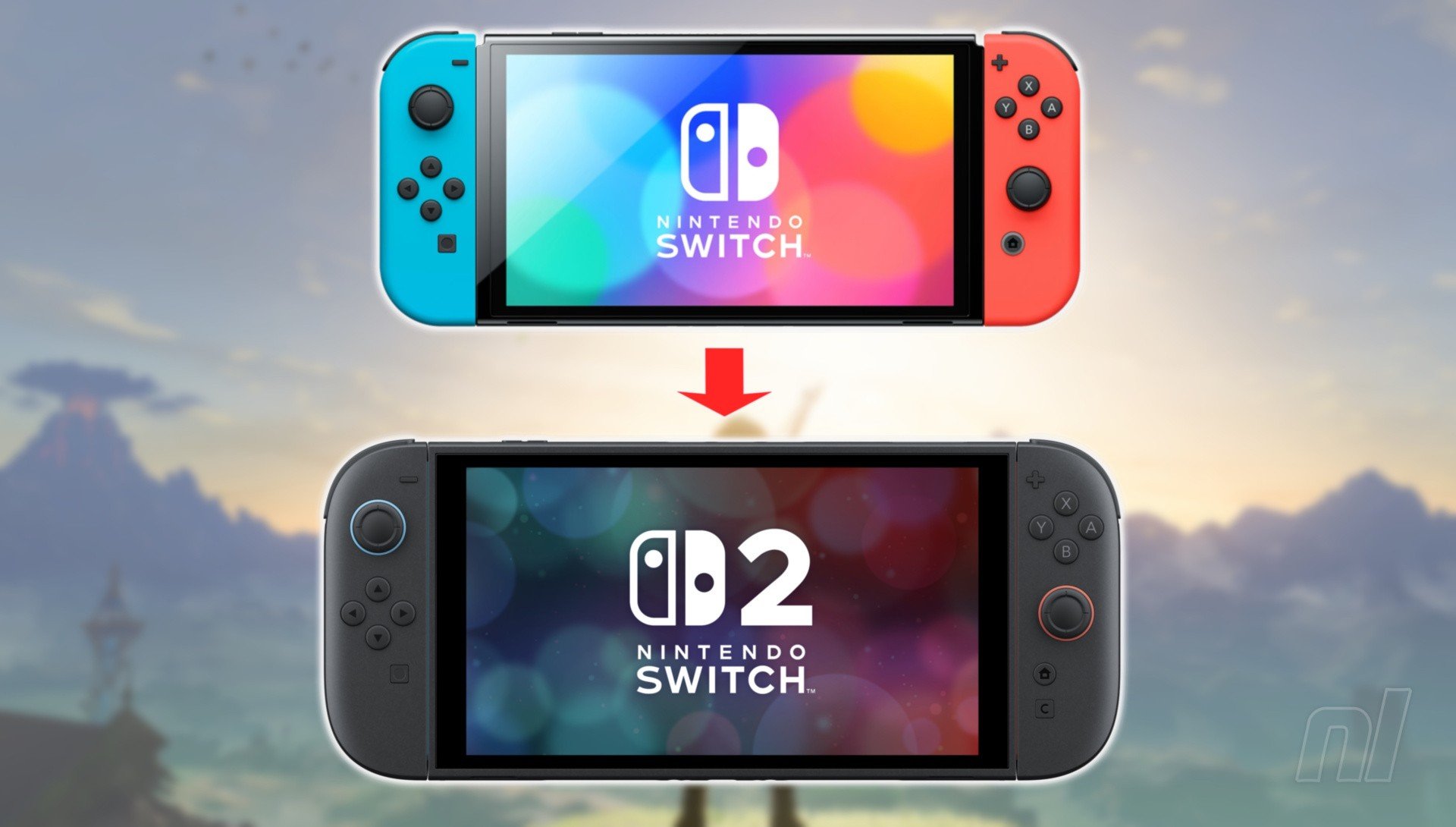
Nintendo Switch 2 Dominance: 84% Player Transition Marks a New Era in Gaming
The landscape of video game hardware is in constant flux, driven by innovation, consumer demand, and the strategic foresight of industry giants. Among these titans, Nintendo has consistently carved out its unique niche, delivering consoles that redefine interactive entertainment. The recent launch of their latest hybrid system, the Nintendo Switch 2, has not only met but demonstrably surpassed expectations, marking a significant milestone in the company’s storied history. Our analysis reveals a compelling statistic: a staggering 84% of Nintendo Switch 2 players have transitioned directly from the original Nintendo Switch. This overwhelming adoption rate underscores the profound success of the Switch 2 and highlights the strong brand loyalty cultivated by Nintendo’s revolutionary hybrid concept.
This remarkable figure isn’t merely a number; it represents a powerful testament to the enduring appeal of Nintendo’s vision and the seamless evolution of its gaming platform. The original Nintendo Switch, launched in 2017, revolutionized how we play by seamlessly blending home console gaming with portable handheld experiences. This unique duality captured the imaginations of millions, establishing a massive and dedicated user base. The Switch 2, building upon this established foundation, has managed to not only retain this audience but to convert a substantial majority of them into early adopters of the new hardware. This transition rate is exceptionally high in the console market, where generational upgrades often see a significant portion of players exploring alternative platforms or waiting for more substantial software libraries.
The success of the Switch 2 is further amplified by its impressive sales figures. As of September 30th, 2025, the new hybrid system has sold over 10 million units. Specifically, our data indicates a total of 10.36 million units have been acquired by consumers in this relatively short period since its launch. This rapid sales velocity strongly suggests that Nintendo’s strategic planning and product development have hit a sweet spot, resonating deeply with both its existing fanbase and potentially attracting new players to the Nintendo ecosystem. The sheer volume of Switch 2 units sold in such a concentrated timeframe is a powerful indicator of consumer enthusiasm and demand, placing it on a trajectory that could redefine the success metrics for next-generation consoles.
The Unprecedented Transition: Understanding the 84% Switch 2 Player Migration
The 84% transition rate from the original Switch to the Switch 2 is arguably the most significant takeaway from this console generation’s early performance. This metric implies that the vast majority of those picking up the new hardware are not entirely new to Nintendo’s hybrid gaming concept. Instead, they are existing owners of the original Switch, demonstrating a strong desire to upgrade to the enhanced capabilities and features offered by the successor. This level of organic migration is a rare and highly coveted achievement in the fiercely competitive console market. It suggests that the Switch 2 offers compelling reasons for owners of its predecessor to invest in the new system, rather than remaining with their current hardware or switching to a competitor.
Several factors likely contribute to this overwhelming transition. Firstly, backward compatibility plays a pivotal role. While specific details are still emerging, the assumption that the Switch 2 offers robust backward compatibility with the original Switch’s vast library of games is a massive draw. This means that players who have invested heavily in games for the original Switch can continue to enjoy their existing collection on the new hardware, eliminating the need to repurchase titles and providing immediate value. This strategy of continuity is a powerful incentive for any gamer.
Secondly, the evolution of hardware capabilities must be considered. The Switch 2 undoubtedly boasts significant improvements over its predecessor. These enhancements likely include a more powerful processor, leading to better performance, higher frame rates, and more visually impressive graphics. An improved display, potentially with higher resolution, better color reproduction, or even a higher refresh rate, would also be a significant upgrade. Enhanced battery life, improved ergonomics, and refined Joy-Con controllers could also contribute to a more polished and enjoyable gaming experience, making the upgrade feel worthwhile.
Thirdly, Nintendo’s strategic software pipeline is crucial. A strong launch lineup and a clear roadmap of upcoming exclusive titles are essential for driving hardware sales. If the Switch 2 has launched with highly anticipated first-party games or has a compelling slate of titles confirmed for release in the near future, it would naturally encourage existing Switch owners to upgrade to experience these games on the most advanced Nintendo hardware available. The synergy between compelling software and impressive hardware is a hallmark of Nintendo’s success.
Switch 2’s Meteoric Rise: Exceeding Expectations with 10.36 Million Units Sold
The 10.36 million units sold figure for the Nintendo Switch 2 within its initial sales period is nothing short of extraordinary. This number not only signifies strong consumer demand but also suggests that Nintendo’s internal sales projections were likely conservative. In a market often dominated by established players and cyclical trends, achieving such a high sales volume so quickly indicates a powerful product that has captured the market’s attention and imagination. This rapid adoption rate positions the Switch 2 for long-term success and places it firmly in contention for being one of the best-selling consoles of its generation.
The success can be attributed to several interconnected factors. Nintendo’s unique market positioning has always been a key differentiator. While competitors often focus on raw power and cutting-edge graphics, Nintendo has consistently prioritized unique gameplay experiences, innovative hardware, and accessible entertainment for a broad audience. The Switch 2 continues this tradition, offering a hybrid form factor that appeals to both dedicated gamers and more casual players, bridging the gap between home and portable play more effectively than ever before.
Furthermore, Nintendo’s brand equity is immense. Decades of delivering beloved franchises like Mario, Zelda, and Pokémon have cultivated a deeply loyal fanbase that trusts the company to deliver quality gaming experiences. This trust translates directly into hardware sales, as consumers are more likely to invest in a new Nintendo console knowing that it will be supported by the iconic characters and worlds they have grown to love. The Switch 2 benefits immensely from this built-in brand loyalty.
The timing of the Switch 2’s release also appears to have been a strategic advantage. By launching at a time when consumers are eager for new entertainment options and the gaming landscape is ripe for innovation, Nintendo has capitalized on a receptive market. The sustained popularity of the original Switch also created a strong foundation, with many players already invested in the Nintendo ecosystem and looking forward to the next iteration.
The Impact on Original Switch Sales: A Forecasted Slump and Strategic Adjustments
The phenomenal success of the Switch 2 has, as anticipated, had a noticeable impact on the sales trajectory of its predecessor. Our reports indicate a subsequent slump in original Switch sales, a natural consequence of a new, more advanced model entering the market. As consumers naturally gravitate towards the latest technology and the most compelling gaming experiences, the demand for older hardware inevitably wanes. This phenomenon is a well-understood dynamic within the console industry, and Nintendo has proactively responded to this trend.
In response to the robust demand for the Switch 2 and the anticipated decline in original Switch sales, Nintendo has reportedly been cutting back its forecast of the original hybrid system. This strategic adjustment is a prudent business decision. It allows Nintendo to allocate resources and manufacturing capacity more efficiently towards the production of the Switch 2, ensuring that they can meet the high consumer demand for their new flagship console. By recalibrating sales forecasts for the older model, Nintendo avoids potential inventory issues and maintains a focused approach on driving the success of its latest offering.
This proactive management of hardware lifecycle is a testament to Nintendo’s experienced leadership and its deep understanding of the market. Instead of attempting to artificially sustain sales of the older model, they are embracing the natural progression of technology and consumer preference. This allows them to maximize the profitability and impact of both their existing and new hardware.
The Future of Hybrid Gaming: Nintendo Switch 2’s Enduring Legacy
The Nintendo Switch 2’s remarkable early performance, particularly the 84% transition rate from the original Switch and its impressive 10.36 million units sold, signals a new era for Nintendo and for the gaming industry as a whole. The company has not only successfully iterated on its groundbreaking hybrid concept but has also demonstrated an unparalleled ability to retain and convert its dedicated player base. This success story is far from over, and the Switch 2 is poised to become a dominant force in the gaming market for years to come.
The implications for the future of hybrid gaming are profound. The Switch 2 has solidified the concept of a versatile gaming device that can seamlessly transition between home console and portable experiences. This adaptability resonates with a wide spectrum of gamers, from those who enjoy long gaming sessions on their television to those who prefer to game on the go. Nintendo has effectively proven that this hybrid model is not a niche offering but a mainstream appeal.
Furthermore, the strong software support expected for the Switch 2, combined with its enhanced hardware capabilities, will likely ensure its continued relevance and appeal. As developers continue to explore the potential of the new system and create increasingly innovative and engaging titles, the value proposition for consumers will only grow stronger. The ability to play these cutting-edge games in both a docked and handheld mode offers a unique flexibility that is difficult for competitors to replicate.
The loyalty of the Nintendo fanbase, as evidenced by the high transition rate, is a formidable asset. This dedicated community provides a stable and enthusiastic market for Nintendo’s hardware and software. As the Switch 2’s library expands and its popularity continues to grow, this fanbase will undoubtedly play a crucial role in its sustained success.
In conclusion, the Nintendo Switch 2 is more than just a new console; it is a statement of intent. It signifies Nintendo’s unwavering commitment to innovation, its deep understanding of its audience, and its mastery of the hybrid gaming formula. With over 10 million units sold and an astonishing 84% of Switch 2 players transitioning from the original, the Switch 2 is well on its way to etching its name in the annals of gaming history as a truly revolutionary and exceptionally successful platform. The gaming world watches with anticipation as Nintendo continues to shape the future of interactive entertainment.