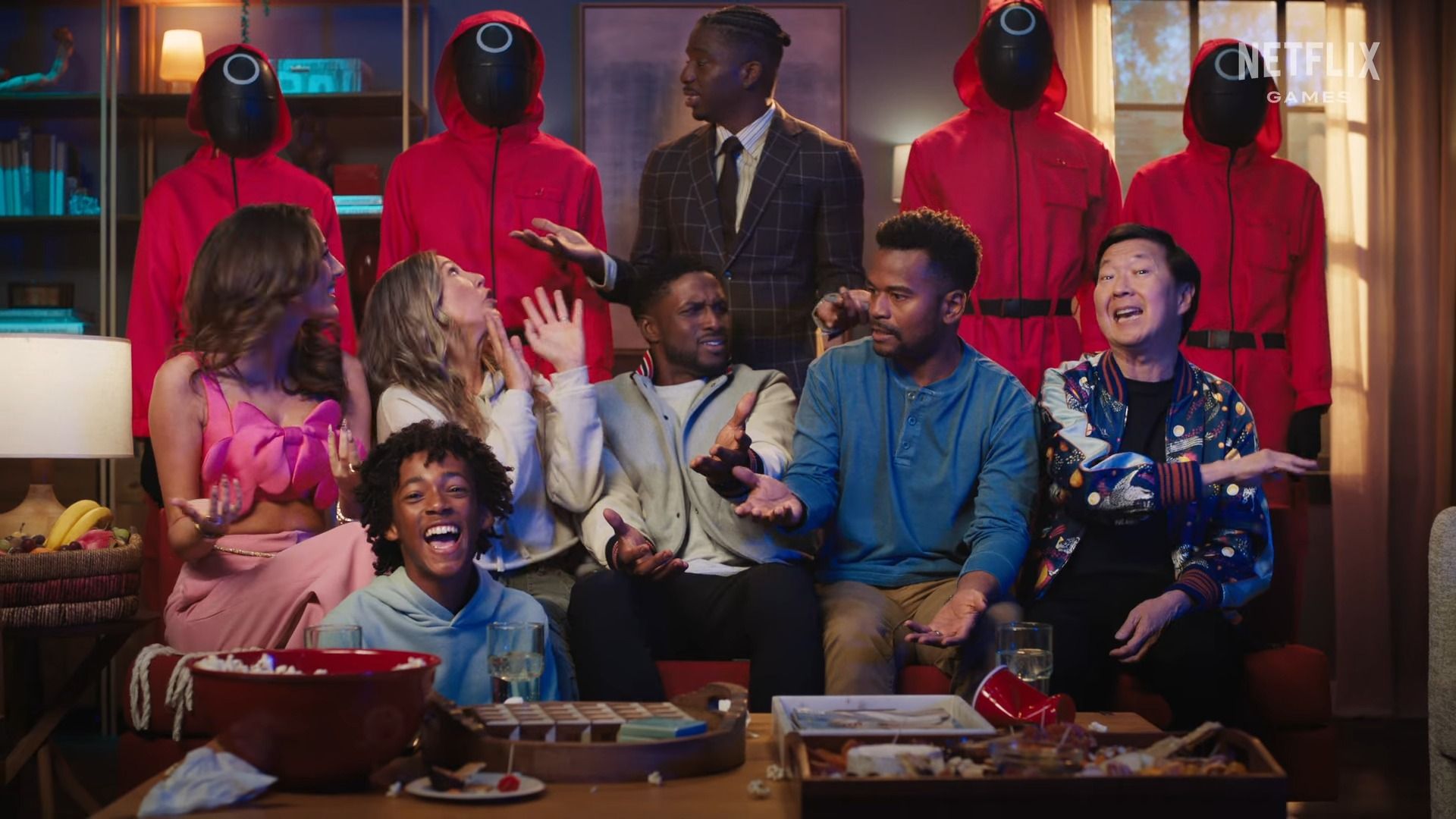
Netflix Leaps into TV Gaming: A Jackbox-Esque Experience and Beyond
Netflix is poised to redefine living room entertainment, venturing beyond its streaming stronghold to establish a significant presence in the gaming landscape. This ambitious move isn’t simply about porting mobile games to the big screen; it’s a strategic expansion encompassing original, TV-centric games designed for communal play, alongside the introduction of AAA titles and interactive experiences. The aim is clear: to transform your television into a comprehensive entertainment hub.
Netflix Games on TV: Beyond the Mobile Port
For years, Netflix’s gaming efforts have primarily focused on the mobile sector, offering a curated selection of games accessible through its app. While this foray demonstrated their commitment to the gaming space, it lacked the immersive, shared experience often associated with console or PC gaming. The upcoming transition to TV gaming marks a crucial evolution, signaling a dedicated investment in creating games that leverage the unique capabilities of the television screen and cater to a broader audience.
This new initiative is multifaceted. Firstly, Netflix is developing original games specifically designed for TV play. These games promise to capitalize on the social dynamic of the living room, encouraging multiplayer participation and fostering a sense of shared enjoyment. Think of it as a direct competitor to the popular Jackbox Games series, known for its accessible, party-oriented gameplay that requires only smartphones as controllers. Secondly, Netflix is integrating established titles, including the highly acclaimed Red Dead Redemption, into its gaming library, significantly boosting the appeal and breadth of its offerings.
Best Guess Live and Netflix Puzzled: Leading the Charge
Two titles, Best Guess Live and Netflix Puzzled, exemplify Netflix’s approach to TV gaming. Best Guess Live is a real-time trivia game designed for interactive viewing. The game allows viewers to predict outcomes and answer questions related to ongoing Netflix content, such as reality shows or live events. This interweaving of gaming and streaming creates a novel engagement model, blurring the lines between passive consumption and active participation. Imagine watching “Love is Blind” and simultaneously wagering on which couples will make it to the altar, with real-time leaderboards adding a competitive edge. This represents an exciting opportunity for Netflix to generate community engagement and keep viewers hooked beyond the initial streaming experience.
Netflix Puzzled, on the other hand, is a more traditional puzzle game, but with a Netflix twist. It incorporates characters and settings from popular Netflix shows, presenting familiar visual elements in a new and engaging way. Players can expect to solve puzzles based on shows like “Stranger Things,” “Squid Game,” and “Bridgerton,” unlocking new content and deeper insights into the narrative world. This offers a unique form of fan service, rewarding players with easter eggs, behind-the-scenes glimpses, and exclusive content tied to their favorite series.
Red Dead Redemption: A Bold Move for AAA Integration
The inclusion of Red Dead Redemption is perhaps the most significant aspect of Netflix’s TV gaming announcement. This marks a major step towards legitimizing Netflix as a serious player in the gaming industry. Red Dead Redemption is a critically acclaimed open-world western developed by Rockstar Games, known for its immersive story, detailed world, and engaging gameplay. Bringing this calibre of title to its platform instantly elevates Netflix’s gaming offerings and positions it as a viable alternative to traditional console gaming.
The Significance of High-Profile Titles
Acquiring high-profile titles like Red Dead Redemption is crucial for attracting a wider audience to Netflix’s gaming platform. It demonstrates a commitment to quality and signals that Netflix is serious about providing a diverse and compelling gaming experience. This integration also has the potential to introduce a new audience to the world of gaming, leveraging Netflix’s existing user base to attract individuals who might not have previously considered themselves gamers.
Potential Challenges and Opportunities
However, integrating such a large and complex game presents significant technical challenges. Streaming Red Dead Redemption requires robust infrastructure and efficient compression algorithms to ensure a smooth and responsive gaming experience. Netflix must also address latency issues and ensure compatibility across a wide range of TV devices and internet connections. If successful, this integration could pave the way for Netflix to bring even more AAA titles to its platform, further solidifying its position in the gaming market.
Hardware and User Experience: Simplifying TV Gaming
A key element of Netflix’s TV gaming strategy is ease of access. Recognizing that not everyone owns a dedicated gaming console, Netflix is focusing on creating a user-friendly experience that requires minimal setup. The core idea is to allow users to play games directly through their existing Netflix app, using their smartphone as a controller. This approach eliminates the need for additional hardware purchases and simplifies the overall gaming experience, making it accessible to a wider audience.
Smartphone as Controller: A Clever Innovation
Using smartphones as controllers is a particularly ingenious move. It leverages the ubiquity of smartphones and allows players to easily connect and play games without the need for specialized peripherals. The Netflix app can be configured to act as a virtual gamepad, with on-screen buttons and intuitive controls. This approach is particularly well-suited for party games and casual gaming experiences, where simplicity and accessibility are paramount.
Challenges in Controller Functionality
However, relying solely on smartphones as controllers may present limitations, especially for more complex games that require precise input or multiple buttons. Netflix may need to explore alternative control schemes or consider supporting Bluetooth controllers to cater to more demanding gamers. Furthermore, ensuring seamless integration across different smartphone brands and operating systems could pose technical challenges.
Monetization Strategies: Balancing Value and Revenue
Netflix’s monetization strategy for TV gaming remains somewhat unclear. Currently, mobile games are included as part of a standard Netflix subscription, without any additional fees. It is likely that TV games will follow a similar model, being offered as an added benefit to existing subscribers. This approach could be a significant differentiator, setting Netflix apart from other gaming services that charge additional fees for access to their libraries.
Subscription Model: A Key Differentiator
The inclusion of TV games within the existing Netflix subscription could be a powerful draw for new subscribers. It adds another layer of value to the service, making it an even more attractive entertainment option. This approach could also help retain existing subscribers, who may be more inclined to stay subscribed if they have access to a diverse range of gaming content.
Potential for In-App Purchases and Microtransactions
However, Netflix may also explore other monetization strategies, such as in-app purchases or microtransactions, to generate additional revenue. This could involve offering cosmetic items, character unlocks, or access to exclusive content within individual games. It will be crucial for Netflix to strike a balance between providing value to subscribers and generating sufficient revenue to support its gaming initiatives.
The Competitive Landscape: Netflix vs. Jackbox and Beyond
Netflix’s entry into the TV gaming market pits it against established players like Jackbox Games, as well as other streaming services that offer gaming options. Jackbox Games has carved out a successful niche with its accessible, party-oriented games that require only smartphones as controllers. Netflix’s challenge will be to differentiate itself from Jackbox by offering a broader range of gaming experiences, including AAA titles and interactive content.
Leveraging Existing Content Libraries
One of Netflix’s key advantages is its extensive library of original content. By incorporating characters, settings, and storylines from its popular shows into its games, Netflix can create a unique and compelling gaming experience that resonates with its existing subscriber base. This integration of streaming and gaming offers a significant competitive advantage, setting Netflix apart from other gaming services that lack a comparable content library.
Competing with Established Gaming Platforms
Netflix also faces competition from established gaming platforms such as PlayStation, Xbox, and Nintendo. These platforms offer a much wider range of games and more sophisticated gaming experiences. However, Netflix’s focus on accessibility and ease of use could appeal to a different segment of the market, targeting casual gamers and families who are looking for a more convenient and affordable gaming option.
The Future of Netflix Gaming: Beyond the Living Room
Netflix’s foray into TV gaming represents a bold step towards transforming the company into a comprehensive entertainment provider. By offering a diverse range of gaming experiences, from original party games to AAA titles, Netflix is aiming to attract a wider audience and enhance the value of its subscription service. The success of this initiative will depend on Netflix’s ability to create a user-friendly experience, integrate gaming seamlessly with its streaming platform, and develop compelling content that resonates with its subscriber base.
Expansion of Game Genres and Content
In the future, we can expect Netflix to expand its gaming offerings to include a wider range of genres and content. This could involve developing more original games based on its popular shows, acquiring exclusive rights to established titles, or partnering with independent game developers to bring fresh and innovative gaming experiences to its platform.
Integration with Cloud Gaming Technology
As cloud gaming technology continues to evolve, we can also expect Netflix to explore new ways to deliver games to its subscribers. Cloud gaming allows players to stream games directly to their devices without the need for downloads or installations, further simplifying the gaming experience and making it accessible to a wider audience.
Building a Gaming Community
Ultimately, Netflix’s success in the gaming market will depend on its ability to build a thriving gaming community. This could involve creating social features within its gaming platform, hosting online tournaments, and engaging with gamers through social media channels. By fostering a sense of community, Netflix can create a loyal following of gamers who are invested in its gaming platform and eager to explore its latest offerings. The integration of Twitch-like streaming functionality within the Netflix app itself is a conceivable and potentially revolutionary step.
Conclusion: A Game Changer for Entertainment?
Netflix’s move into TV gaming is a significant development that has the potential to reshape the entertainment landscape. By leveraging its existing content library, embracing innovative control schemes, and focusing on accessibility, Netflix is positioning itself to become a major player in the gaming market. Whether it will successfully dethrone established players or carve out its own unique niche remains to be seen, but one thing is clear: Netflix is serious about gaming, and its entry into the market is a game changer.