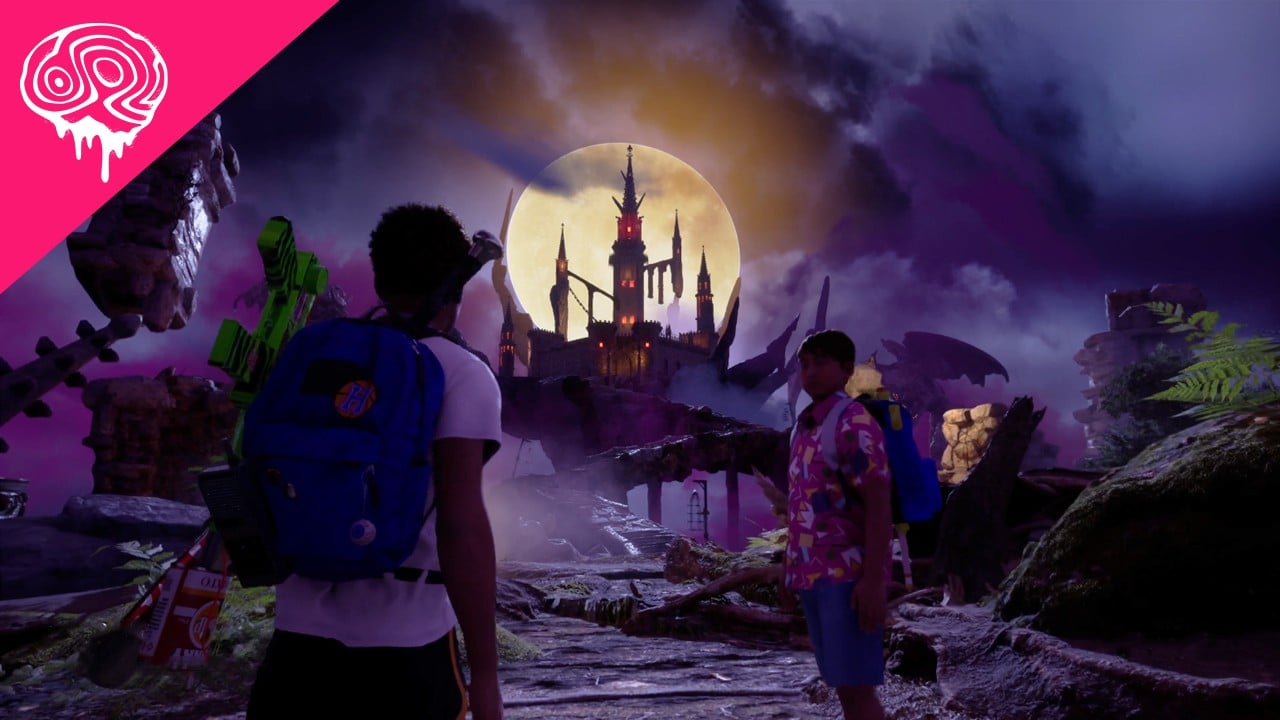
NetEase Games Axes Montreal-Based Bad Brain Game Studios Just Months After Its Establishment
Gaming News has learned of a significant and rather abrupt development within the global gaming industry: NetEase Games, the colossal Chinese entertainment conglomerate, has officially closed Bad Brain Game Studios. This Montreal-based game development studio, established by NetEase Games less than a year ago in early 2023, has been shut down, marking a swift and unexpected end to its operational existence. The decision comes as a considerable shock, particularly given the studio’s recent formation and the substantial investment typically associated with establishing a new development hub in a competitive market like Montreal.
The Genesis of Bad Brain Game Studios: A Strategic Venture by NetEase Games
The establishment of Bad Brain Game Studios in Montreal, a city renowned globally for its vibrant and highly skilled game development talent pool, was a strategic move by NetEase Games. Announced in early 2023, the studio was envisioned as a key component in NetEase’s ambitious expansion into Western markets. Montreal’s rich ecosystem of experienced developers, cutting-edge technology, and supportive governmental initiatives made it an attractive location for NetEase to cultivate a new creative force. The aim was to leverage local expertise to produce high-quality, globally appealing titles, potentially expanding NetEase’s portfolio beyond its established successes in Asia.
The initial announcement of Bad Brain Game Studios generated considerable excitement. It signaled NetEase Games’ commitment to diversifying its development capabilities and fostering new IPs. The studio was expected to benefit from the vast resources and publishing power of its parent company, offering a promising environment for its employees and the potential for groundbreaking new games. The choice of Montreal was strategic, aiming to tap into a wellspring of creativity and technical prowess that has fueled many of the industry’s most successful studios. This move was seen as a clear indication of NetEase’s long-term vision to become a dominant player on the international gaming stage, capable of competing with established Western giants. The recruitment of talent would have undoubtedly been a primary focus, attracting seasoned professionals eager to contribute to a new venture with significant backing.
Sudden Closure: A Swift End to a Promising Venture
The closure of Bad Brain Game Studios has been met with surprise and disappointment across the industry. Details surrounding the exact reasons for the shutdown remain somewhat opaque, though the abruptness of the decision is noteworthy. Typically, studio closures, especially those of newly formed entities, are preceded by periods of restructuring, project cancellations, or significant financial headwinds. However, the swiftness with which NetEase Games has opted to shutter its Montreal operation suggests a rapid reassessment of its strategic priorities or perhaps internal issues that came to light post-establishment.
This sudden termination raises numerous questions about the internal operations and strategic decision-making processes at NetEase Games. Was there a specific project that failed to meet expectations, even in its nascent stages? Did market conditions or internal forecasts shift dramatically in the months following the studio’s inception? Without official, detailed statements from NetEase Games beyond the confirmation of the closure, speculation is rife. However, the reality for the employees of Bad Brain Game Studios is immediate and impactful. Many individuals likely relocated or were recruited with the expectation of a stable, long-term career opportunity, and this abrupt end leaves them facing uncertainty and the need to seek new employment within a competitive job market.
The implications of such a swift closure extend beyond the immediate workforce. It could signal a more cautious or perhaps volatile approach to international expansion for NetEase Games. Investors and industry observers will be closely watching for further insights or subsequent strategic shifts from the company. The closure also serves as a stark reminder of the inherent risks and dynamic nature of the video game industry, where even well-funded ventures can face unforeseen challenges that lead to rapid and decisive action.
NetEase Games’ Global Ambitions and the Impact of Studio Closures
NetEase Games has been on a pronounced trajectory of global expansion for several years. The company has actively pursued acquisitions, partnerships, and the establishment of new development studios in key international markets, including North America and Europe. Their aim has been clear: to diversify their revenue streams, tap into a broader range of creative talent, and publish games that resonate with a global audience. The creation of Bad Brain Game Studios was a tangible manifestation of this ambition, representing a direct investment in establishing a significant physical presence and development capacity in a region known for its gaming innovation.
This latest development, however, casts a shadow over these expansion efforts. The closure of a newly formed studio, particularly one designed to be a cornerstone of their Western strategy, could be interpreted in various ways. It might indicate a recalibration of NetEase’s international strategy, perhaps prioritizing different regions, acquisition targets, or even a more cautious approach to greenlighting new, unproven ventures. Alternatively, it could point to specific internal challenges or a miscalculation in the initial assessment of the Montreal studio’s potential or operational viability.
The industry has seen its share of studio closures and consolidations, often driven by market pressures, shifting consumer preferences, or the strategic objectives of larger corporations. For NetEase, a company with immense financial resources, the decision to shut down Bad Brain Game Studios so quickly suggests a fundamental issue or a significant change in strategic direction that necessitated immediate action. This event could influence how other major publishers perceive investments in new, standalone studios in established gaming hubs. The narrative around NetEase’s global growth may now include this instance of swift withdrawal, prompting closer scrutiny of their future international ventures.
Montreal’s Game Development Landscape: Resilience Amidst Setbacks
Montreal has long been a celebrated mecca for video game development. Its vibrant ecosystem is characterized by a wealth of highly skilled talent, robust educational institutions churning out graduates, and a supportive provincial government that has historically offered incentives to attract and retain game studios. This environment has fostered the growth of numerous world-class development houses, contributing significantly to the global gaming industry. The presence of major players and the consistent output of innovative titles have cemented Montreal’s reputation as a powerhouse of interactive entertainment creation.
The closure of Bad Brain Game Studios, while a setback for those directly involved, does not necessarily portend a decline in Montreal’s standing. The city’s inherent strengths – its talented workforce, its established industry infrastructure, and its attractive living environment – remain intact. The departure of a studio can sometimes lead to the dispersal of experienced talent into other existing studios or the formation of new independent ventures, further enriching the local scene. The competitive nature of Montreal’s market means that studios must remain agile and innovative to thrive, and this event, while unfortunate, is part of the natural ebb and flow of such a dynamic industry.
Indeed, the resilience of Montreal’s game development sector has been tested before. Historically, studios have opened, flourished, and sometimes closed, but the overall growth and influence of the region have persisted. The strength of Montreal lies not just in individual studios but in the collective expertise and the collaborative spirit that permeates its gaming community. Developers in Montreal often possess a diverse range of skills and a deep understanding of the global market, making them highly sought after. Therefore, while the closure of Bad Brain Game Studios is a loss, the underlying foundations of Montreal’s game development prowess are exceptionally strong and are likely to continue supporting innovation and growth in the years to come.
The Employee Impact: Navigating Uncertainty After Studio Closure
The most immediate and profound consequence of the closure of Bad Brain Game Studios falls upon its employees. For those who joined the studio in early 2023, the abrupt end to their employment undoubtedly brings significant professional and personal upheaval. These individuals, likely comprising a diverse team of artists, programmers, designers, producers, and support staff, were brought together with the shared vision of creating new and exciting games under the NetEase Games umbrella. The sudden dissolution of the studio means an immediate loss of employment, and for many, a disruption to their career paths.
The Montreal game development scene, while robust, is also highly competitive. Employees displaced by studio closures often face a period of intense job searching. They must update their portfolios, network actively, and compete for a limited number of positions, especially if they were specialized in niche areas or working on projects that are now defunct. The emotional toll of such an abrupt end to a promising venture can also be substantial, involving stress, uncertainty about the future, and the challenge of re-establishing themselves professionally.
Furthermore, the closure may have implications for individuals who relocated to Montreal specifically for this opportunity. They might face the added burden of making difficult decisions about their future in the city, including potential relocation costs if they choose to seek employment elsewhere. NetEase Games, like many large corporations, will likely offer severance packages and outplacement services to affected employees. However, the effectiveness and generosity of these measures can vary, and they can only mitigate, not eliminate, the disruption caused by the studio’s closure. The experience of the Bad Brain Game Studios employees serves as a critical reminder of the human element within the often-impersonal dynamics of the global gaming industry.
Speculation on the Underlying Reasons for the Shutdown
While NetEase Games has maintained a degree of reticence regarding the precise catalysts behind the closure of Bad Brain Game Studios, industry analysis and general business principles allow for informed speculation. The decision to cease operations for a studio less than a year old is highly unusual and points to a significant catalyst. One primary consideration could be a drastic shift in NetEase Games’ overarching strategic direction or financial priorities. Global economic conditions, evolving market trends within the gaming sector, or a reassessment of investment returns could all influence such a decision.
Another significant factor might be related to the specific projects initiated or planned by Bad Brain Game Studios. It is plausible that early internal reviews or market analyses indicated that the game concepts or development pipelines were not meeting NetEase’s stringent expectations for profitability or market penetration. The high cost of establishing and maintaining a development studio, coupled with the immense cost of AAA game development, necessitates a strong belief in a project’s potential success. If that belief eroded rapidly, a decisive closure might be seen as a way to cut losses.
Furthermore, internal operational challenges or team dynamics could have played a role. While less commonly disclosed, issues such as leadership effectiveness, team cohesion, or the ability to integrate with NetEase’s established development pipelines could contribute to the downfall of a new studio. The cultural differences between Eastern and Western development philosophies, though often navigated successfully, can also present hurdles if not managed effectively. The rapid closure suggests that any issues identified were deemed significant enough to warrant immediate termination rather than attempts at remediation or restructuring. This swift action underscores the high stakes and demanding nature of the global video game market.
The Broader Implications for NetEase Games’ Global Strategy
The shutdown of Bad Brain Game Studios inevitably prompts a re-evaluation of NetEase Games’ broader international expansion strategy. The establishment of this Montreal studio was a clear signal of NetEase’s commitment to building significant development capabilities within North America, a region crucial for global game market share. Its premature closure, however, could be interpreted as a sign of recalibration or perhaps a more cautious approach to establishing new, wholly-owned studios in Western markets.
It is possible that NetEase Games will pivot towards a strategy that emphasizes acquisitions of existing, established studios rather than greenlighting new ventures from the ground up. Acquiring a studio with an existing track record, established talent, and ongoing projects can sometimes be a more direct route to market penetration and a more predictable return on investment, albeit often at a higher initial cost. Conversely, this closure might indicate a period of internal consolidation and a focus on optimizing existing development resources before embarking on further aggressive expansion.
The signal sent by this closure to potential future employees and partners in Western markets is also noteworthy. While NetEase Games remains a formidable entity in the industry, the swift dismantling of a newly created studio could foster a sense of uncertainty regarding long-term commitment to new international endeavors. Industry observers will be keenly watching NetEase Games’ subsequent moves to discern whether this closure represents an isolated incident or a broader shift in their global development and investment blueprint. The company’s ability to adapt and demonstrate continued commitment to international growth, perhaps through different strategic avenues, will be critical in shaping its future perception within the global gaming community. The narrative of NetEase’s global ambitions now includes this chapter of unexpected closure, underscoring the dynamic and often unpredictable nature of the international gaming business.
Conclusion: A Swift Chapter Closes for Bad Brain Game Studios
In a decisive and somewhat startling move, NetEase Games has officially closed Bad Brain Game Studios, its Montreal-based development arm established earlier in 2023. This abrupt cessation of operations brings a swift end to a venture that was intended to bolster NetEase’s presence and development capabilities within the highly competitive North American gaming market. While the precise motivations behind this rapid closure remain undisclosed by NetEase Games, the decision undoubtedly impacts the studio’s employees significantly and prompts questions about the future trajectory of NetEase’s international expansion strategy. Montreal’s resilient game development ecosystem, while absorbing this setback, continues to be a hub of talent and innovation, and the industry will observe how the displaced talent integrates back into the broader market. The closure of Bad Brain Game Studios serves as a potent reminder of the inherent volatilities and strategic imperatives that shape the global video game industry, even for entities with substantial resources and ambitions.