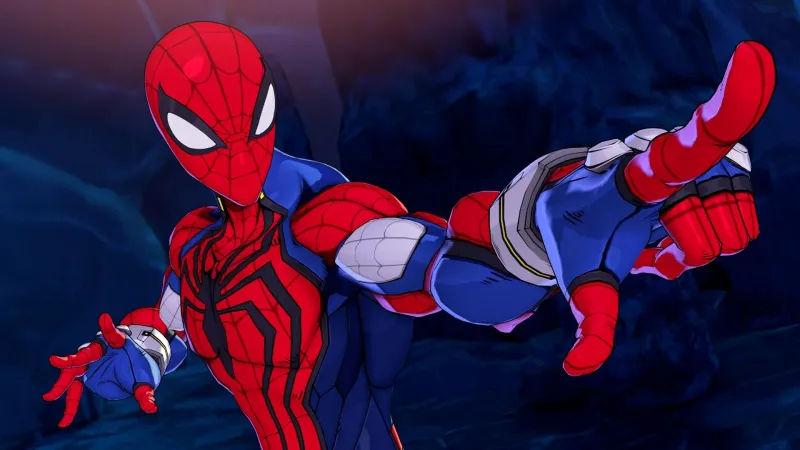
Marvel Tōkon: Fighting Souls Ignites Excitement with X-Mansion Stage and Upcoming December Closed Beta
The highly anticipated tag-team fighting game, Marvel Tōkon: Fighting Souls, developed by the acclaimed studio responsible for critically lauded titles such as Dragon Ball FighterZ and Guilty Gear Strive, is gearing up for its second closed beta test. This crucial phase of development is set to offer players a deeper dive into the game’s intricate mechanics and expansive Marvel universe, with significant additions to its playable roster and iconic battlegrounds. Following a successful initial beta in early September, this next iteration promises an even more robust and engaging experience, culminating in a pivotal window for community feedback and developer refinement.
A Deeper Dive: What the New Closed Beta Entails
The upcoming closed beta for Marvel Tōkon: Fighting Souls, scheduled to run from December 5th to December 7th, represents a substantial evolution from its predecessor. While the first beta provided a foundational glimpse into the game’s online and limited offline capabilities with six distinct fighters, this new phase is designed to test more comprehensive features and introduce a wider array of fan-favorite elements. The inclusion of two prominent new playable characters, Spider-Man and Ghost Rider (Robbie Reyes), alongside the unveiling of two meticulously crafted stages, Savage Land and the highly anticipated X-Mansion, are set to dramatically expand the strategic possibilities and visual spectacle for participants. This beta is not merely a repeat; it’s a significant leap forward in showcasing the game’s potential.
Unveiling the New Combat Arenas: X-Mansion and Savage Land
The introduction of new stages is always a monumental event in any fighting game’s lifecycle, and Marvel Tōkon: Fighting Souls is no exception. The X-Mansion, a location steeped in the rich lore of the X-Men, has been revealed as a key battleground. This iconic setting promises to immerse players in the hallowed halls of mutant education and heroism, with familiar faces like Colossus, Beast, and Professor X potentially making background appearances, adding a layer of authenticity and visual storytelling to the combat. Alongside the X-Mansion, the Savage Land, first teased at the Tokyo Game Show, offers a starkly contrasting, yet equally compelling, environment. This prehistoric, untamed landscape, brimming with unique flora and fauna, provides a vibrant and dynamic backdrop for intense one-on-one and tag-team battles, ensuring that the visual diversity of the game is as impressive as its roster. The strategic implications of fighting within these distinct environments, each with its own potential layout and interactive elements, will undoubtedly become a focal point for players during the beta.
The Strategic Significance of the X-Mansion
The X-Mansion stage is more than just a backdrop; it’s a potential strategic advantage. Imagine the chaos that could erupt if a fighter is launched near Professor X’s cerebral chamber, or if the close quarters of a mutant training room lead to rapid-fire combos. The presence of background characters like Colossus and Beast isn’t just for show; it hints at a level of environmental detail that could influence gameplay, perhaps through subtle interactions or visual cues that players can learn to exploit. For veteran Marvel fans, fighting within the very heart of mutant civilization offers an unparalleled level of immersion.
The Untamed Fury of the Savage Land
Conversely, the Savage Land offers a canvas of raw, primal energy. This stage, known for its towering dinosaurs, lush jungles, and treacherous terrains, is ripe for dynamic combat scenarios. Players might find themselves dodging Pterodactyls or utilizing the dense foliage for strategic retreats and ambushes. The visual splendor of this prehistoric world, combined with its inherent dangers, promises an exhilarating and unpredictable fighting experience.
Enhanced Online Play and Technical Advancements
A cornerstone of any successful online fighting game is its netcode, and Marvel Tōkon: Fighting Souls is making a significant stride in this area with the implementation of rollback netcode. This advanced networking technology is crucial for ensuring smooth, responsive online matches, even when players are experiencing geographical distance. Unlike traditional delay-based netcode, rollback netcode predicts player inputs and rolls back the game state if the prediction was incorrect, thereby minimizing lag and creating a more fluid and fair online environment. The promise of more consistent online play with no breaks in the gameplay schedule further solidifies the developers’ commitment to a polished online experience, allowing participants to engage in continuous matches without artificial downtimes.
The Revolution of Rollback Netcode
The adoption of rollback netcode is a game-changer for online fighting games. It addresses one of the most persistent frustrations for competitive players: input delay. By mitigating lag, rollback allows for precise timing of attacks, blocks, and special moves, which is essential for the high-level play that fans of titles like Guilty Gear Strive expect. This technology is a strong indicator that the developers are prioritizing a competitive-grade online experience, aiming to foster a vibrant and active player base from launch.
Seamless Gameplay with Consistent Online Access
The commitment to no breaks in the gameplay schedule during the beta is a testament to the developers’ confidence in their server infrastructure and their understanding of player desires. Fighting game enthusiasts want to play, and any interruption, however brief, can disrupt momentum and enjoyment. This continuous availability ensures that players can fully immerse themselves in the game and test its online performance under sustained pressure.
Expanding Offline Features and Spectator Mode
Beyond the online arena, the second closed beta is also set to bolster the game’s offline features. While the specifics remain under wraps, this expansion suggests an increased focus on providing meaningful single-player content and practice modes, catering to players who prefer to hone their skills away from the pressure of online competition. The inclusion of a spectator mode is another significant enhancement. This feature is vital for the growth of any fighting game community, enabling players to watch high-level matches, learn from the best, and even host their own tournaments and community events. It fosters a sense of community and shared experience, encouraging engagement and learning within the player base.
The Importance of Robust Offline Modes
While the allure of online competition is undeniable, strong offline modes are the backbone of player progression and understanding. Whether it’s an in-depth training mode, a comprehensive arcade experience, or a story mode that delves into the game’s narrative, these features allow players to master character matchups, experiment with combos, and develop their overall fighting game prowess without the immediate consequences of online defeat.
Spectator Mode: Fostering Community and Learning
A well-implemented spectator mode transforms a fighting game from a personal challenge into a shared spectacle. It allows aspiring players to observe the strategies of seasoned veterans, analyze intricate combos, and understand the nuances of character matchups. Furthermore, it provides a platform for content creators and tournament organizers to engage with the community, broadcasting exciting matches and fostering a vibrant ecosystem around Marvel Tōkon: Fighting Souls.
An Expanded Roster: Eight Fighters Ready for Battle
The inclusion of Spider-Man and Ghost Rider (Robbie Reyes) significantly increases the playable roster for the December closed beta, bringing the total number of available fighters to eight. This expanded selection offers a broader range of playstyles and character archetypes for participants to explore. Alongside the new additions, the beta will feature familiar faces from the initial test: Captain America, Doctor Doom, Iron Man, Ms. Marvel, Star-Lord, and Storm. This curated roster provides a solid foundation for players to experiment with various team compositions and discover their preferred playstyles.
The Iconic Inclusions: Spider-Man and Ghost Rider
The arrival of Spider-Man and Ghost Rider (Robbie Reyes) is particularly exciting for fans of the Marvel universe. Spider-Man, with his acrobatic prowess, web-slinging abilities, and inherent agility, is expected to be a fast-paced, rushdown character, capable of overwhelming opponents with relentless pressure. His signature moves and unique movement options will undoubtedly make him a popular choice. Ghost Rider (Robbie Reyes), on the other hand, brings a fiery, aggressive style to the fray. His Penance Stare, flaming motorcycle, and supernatural abilities promise a visually striking and devastating offensive presence. The dynamic between these two characters and the existing roster will be a key area of observation during the beta.
Spider-Man: The Wall-Crawling Wonder
The sheer potential for Spider-Man in a tag-team fighter is immense. His ability to traverse stages with unmatched speed and verticality, combined with his array of spider-themed projectiles and aerial maneuvers, positions him as a character who can control space and dictate the pace of the match. Fans will be eager to see how his iconic web-based attacks translate into offensive and defensive mechanics, and how his tag-in/tag-out abilities can create devastating combo extensions.
Ghost Rider: The Spirit of Vengeance
Ghost Rider (Robbie Reyes) is poised to be a force of pure destruction. His Hellcycle offers the potential for unique movement options and powerful charging attacks, while his signature abilities, like the Penance Stare, could serve as devastating unblockable or high-damage finishers. The visual flair associated with Ghost Rider’s powers, the burning chains and infernal energy, will undoubtedly make him a crowd-pleaser and a formidable opponent.
The Full Roster for the December Beta
The complete lineup of fighters available for testing in the December closed beta includes:
- Captain America: The steadfast symbol of justice, likely bringing a balanced, defensive, and offensive playstyle with his iconic shield.
- Doctor Doom: The brilliant and tyrannical ruler of Latveria, expected to employ powerful energy attacks, summons, and strategic zoning.
- Ghost Rider (Robbie Reyes): The supernatural vigilante, bringing a high-octane, aggressive, and visually spectacular combat style.
- Iron Man: The armored Avenger, renowned for his technological arsenal, repulsor blasts, and flight capabilities, offering a strong zoning and aerial offense.
- Ms. Marvel: The embiggening hero, likely to feature unique combo potential with her elastic powers and powerful strikes, offering a versatile mid-range game.
- Spider-Man: The agile wall-crawler, expected to be a swift and elusive character with exceptional mobility and offensive pressure.
- Star-Lord: The charismatic leader of the Guardians of the Galaxy, potentially utilizing his elemental blasters and quick reflexes for a dynamic combat style.
- Storm: The powerful mutant omega-level mutant, capable of controlling the weather, offering devastating area-of-effect attacks and aerial dominance.
This selection of eight characters provides a diverse palette of playstyles, enabling players to experiment with a variety of team synergies and individual character strengths.
Looking Ahead: The Future of Marvel Tōkon: Fighting Souls
While the December closed beta offers a significant look into the future of Marvel Tōkon: Fighting Souls, the question of the final game’s roster size remains a topic of keen interest. Drawing parallels with Dragon Ball FighterZ, which launched with a substantial 23 playable characters (including unlockables) and saw an additional 22 post-launch, the potential for Marvel Tōkon: Fighting Souls is immense. The Marvel universe is an unparalleled treasure trove of iconic heroes and villains, each with unique abilities and compelling backstories. It is highly probable that the development team has a robust roster planned, with many more characters to be revealed in the lead-up to and following the game’s official release.
Unlocking the Potential of the Marvel Roster
The sheer breadth of characters available within the Marvel IP is staggering. From cosmic powerhouses like Captain Marvel and Thor to street-level vigilantes like Daredevil and Moon Knight, the possibilities for expansion are virtually limitless. The success of Dragon Ball FighterZ in consistently delivering new characters and content post-launch sets a high bar, and fans will be eagerly anticipating a similar commitment to longevity for Marvel Tōkon: Fighting Souls. Each new character reveal is an opportunity to explore different gameplay mechanics, introduce new visual styles, and deepen the strategic metagame.
Release Window and Platform Availability
Marvel Tōkon: Fighting Souls is slated for release on PlayStation 5 and PC at some point in 2026. This targeted release window allows ample time for further development, refinement, and community engagement, ensuring that the final product meets the high expectations set by the studio’s previous acclaimed titles. Fans eager for more in-depth information and exclusive insights into the development process can find further details in Game Informer’s exclusive preview feature, which includes interviews with the development team. This indicates a significant partnership and a vested interest in providing comprehensive coverage for this promising fighter.
The upcoming closed beta for Marvel Tōkon: Fighting Souls represents a critical juncture for the game, offering players a tangible experience of its evolved mechanics, expanded roster, and refined online capabilities. With the introduction of the X-Mansion stage, the addition of Spider-Man and Ghost Rider, and the implementation of rollback netcode, this beta is poised to generate substantial excitement and provide invaluable feedback for the development team. As the game hurtles towards its 2026 release on PlayStation 5 and PC, the anticipation for what promises to be another genre-defining fighter from Arc System Works is reaching a fever pitch.