Marvel 1943: Rise of Hydra Release Date Pushed Beyond Early 2026, Delving Deeper into WWII Espionage
The anticipation for Marvel 1943: Rise of Hydra, a game that promises to immerse players in a pivotal World War II narrative, has been met with a significant update regarding its release. Skydance Games has officially announced a revised release window, pushing the launch beyond early 2026. This decision, while undoubtedly disappointing for eager fans, underscores the developer’s commitment to delivering a polished and high-quality experience that honors the rich legacy of Marvel’s iconic characters and the intricate world of wartime espionage.
This delay signals a profound dedication to the ambitious scope of Marvel 1943: Rise of Hydra. Developed by Skydance Games, a studio helmed by the acclaimed Amy Hennig, renowned for her work on the Uncharted series, the game was initially slated for release this year before being repositioned for 2026. The latest announcement clarifies that the project will now debut sometime after early 2026, a timeframe that allows for further refinement and development to achieve the envisioned masterpiece.
Understanding the Impact of the Marvel 1943: Rise of Hydra Release Window Shift
The news that Marvel 1943: Rise of Hydra will not be gracing our screens in early 2026 has sent ripples through the gaming community. While definitive reasons for such delays are often multifaceted, the official statement from Skydance Games provides insight into their core motivations. The company emphasizes its unwavering commitment to producing unforgettable, premium games that serve as genuine testaments to the characters and universes they are entrusted with. For a title as significant as Marvel 1943: Rise of Hydra, this commitment translates into a rigorous development process.
The decision to extend the development timeline beyond early 2026 is a clear indication that the team is striving for an exceptionally high standard of quality. Skydance Games explicitly states that this shift is necessary to fully realize their vision for Marvel 1943: Rise of Hydra. This suggests that the game is aiming to push boundaries in terms of storytelling, gameplay mechanics, historical authenticity, and graphical fidelity. Such ambitious goals inherently require meticulous attention to detail and ample time for iterative development, testing, and polish.
The gaming landscape is constantly evolving, with player expectations for AAA titles reaching unprecedented levels. In this environment, rushing a game to market can be detrimental, potentially leading to a product that falls short of its potential and disappoints its audience. By opting for a more extended development period, Skydance Games is prioritizing the long-term success and critical reception of Marvel 1943: Rise of Hydra, ensuring that when it finally launches, it will be a title that stands the test of time and lives up to the immense hype surrounding it.
The Setting and Narrative Promise of Marvel 1943: Rise of Hydra
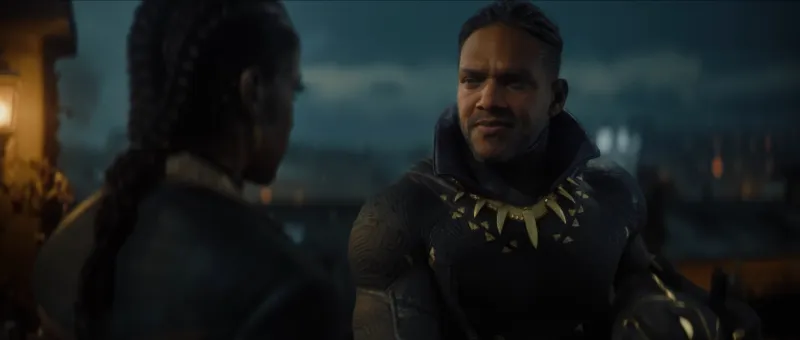
Marvel 1943: Rise of Hydra transports players to the heart of World War II, a tumultuous period that serves as a fertile ground for epic tales of heroism, conflict, and the fight against oppression. This historical backdrop is not merely a visual setting; it is an integral part of the narrative, shaping the challenges and stakes faced by the game’s protagonists. The game is set to feature a compelling crossover between Captain America and an early iteration of the Black Panther, Azurri, who is the paternal grandfather of the renowned T’Challa.
This unique pairing of heroes from different eras and cultures promises a fresh perspective on the Marvel Universe. Their alliance against the insidious forces of Hydra, a notorious organization with roots deeply embedded in the fabric of Marvel’s history, sets the stage for a truly captivating narrative. Players can expect to witness the nascent stages of Hydra’s influence and the crucial role played by these legendary figures in thwarting their nefarious plans during a critical global conflict.
The decision to set the game in 1943 is particularly significant. This era was a turning point in World War II, marked by intense battles, shifting alliances, and the escalating threat of totalitarian regimes. By placing the narrative within this specific year, Skydance Games has the opportunity to explore the socio-political climate of the time, the technological advancements (and limitations) of the period, and the moral complexities that defined the war effort. This allows for a nuanced and historically resonant portrayal of the conflict, making the actions of Captain America and Azurri all the more impactful.
The interaction between Steve Rogers, the sentinel of liberty, and Azurri, a Wakandan prince deeply connected to his heritage and responsibilities, offers a rich vein for storytelling. Their contrasting backgrounds, methodologies, and perhaps even their initial perceptions of each other will undoubtedly contribute to a dynamic and engaging character-driven narrative. This collaboration is not just a gameplay mechanic; it’s an opportunity to explore themes of unity, courage, and the universal fight for justice, transcending geographical and cultural boundaries.
The promise of a deep dive into the origins of Hydra is another critical element that fuels excitement for Marvel 1943: Rise of Hydra. This clandestine organization, often depicted as a shadowy entity with far-reaching influence, has been a persistent antagonist in the Marvel Universe for decades. By setting the game in 1943, players will witness firsthand the early machinations of Hydra, understanding the ideologies that fueled their rise and the insidious methods they employed to sow chaos and control. This historical context will undoubtedly enrich the player’s understanding of Hydra’s enduring threat in subsequent Marvel narratives.
The Skydance Games Vision: Uncharted’s Legacy in Marvel 1943
The development of Marvel 1943: Rise of Hydra is spearheaded by Skydance Games, a studio that carries a significant legacy, particularly through its leadership. Amy Hennig, a celebrated figure in the video game industry, is at the helm. Her directorial and writing prowess is most famously associated with the critically acclaimed Uncharted series, a franchise that redefined cinematic storytelling and character development in action-adventure games. This pedigree is a strong indicator of the narrative ambition and gameplay quality expected from Marvel 1943: Rise of Hydra.
Hennig’s expertise lies in crafting compelling narratives, intricate plots, and memorable characters with believable motivations and emotional depth. Her work on Uncharted showcased an exceptional ability to blend thrilling action sequences with engaging character interactions and a sense of grand adventure. Applying this skillset to the Marvel Universe, particularly within the historical context of 1943, presents an immense opportunity to deliver a story that is not only action-packed but also emotionally resonant and thematically rich.
The choice to focus on a more narrative-driven experience, reminiscent of Hennig’s previous successes, is a key differentiator for Marvel 1943: Rise of Hydra. While many superhero games focus heavily on combat and spectacle, the influence of Uncharted suggests a commitment to a meticulously crafted storyline that draws players into the world and its characters. This could translate to detailed environmental storytelling, well-written dialogue, and character arcs that evolve throughout the game.
Furthermore, the Uncharted games are renowned for their cinematic presentation and fluid gameplay. Players experienced high-stakes action, puzzle-solving, and exploration in visually stunning environments. It is reasonable to expect that Skydance Games will leverage these strengths in Marvel 1943: Rise of Hydra, aiming for a similar level of polish and immersion. This includes creating authentic-feeling World War II locales, detailed character models, and action sequences that are both thrilling and responsive.
The collaboration between Skydance Games and Marvel Games is a strategic alignment of creative forces. Marvel brings its vast and beloved intellectual property, rich with lore and iconic characters. Skydance Games, under Hennig’s guidance, brings the proven capability to translate these properties into engaging, high-quality interactive experiences. The delay, in this context, can be viewed as an investment in ensuring that this potent combination yields the exceptional results that both brands and their respective fan bases deserve. The goal is not just to create another superhero game, but to craft a premium game that stands as a landmark title within the genre.
Diving Deeper: The World War II Era and Its Significance for Marvel 1943
The selection of 1943 as the pivotal year for Marvel 1943: Rise of Hydra is far from arbitrary; it is a strategic choice that opens up a wealth of narrative and thematic possibilities. This was a period of intense global conflict, where the tides of World War II were beginning to shift, and the stakes for the Allied forces, including the nascent efforts against organizations like Hydra, were at their peak. This era provides a unique canvas for exploring themes of heroism, sacrifice, the fight against tyranny, and the forging of unlikely alliances.
During 1943, the war was a brutal and all-encompassing reality for much of the world. Technology was advancing rapidly, but still bore the marks of its era. This creates an opportunity for a grounded yet fantastical portrayal of combat, espionage, and scientific innovation. The visual aesthetic of the game can lean into the gritty realism of wartime Europe and the distinct architectural styles of the period, juxtaposed with the futuristic or advanced elements that might be associated with Hydra’s operations or Wakandan technology.
The inclusion of Captain America in this setting is particularly fitting. Steve Rogers, created as a symbol of American patriotism and a champion against fascism, was conceived during World War II. His presence in 1943 places him at the forefront of the ideological battle against forces seeking to subjugate the world. Players will likely experience the grim realities of war through his eyes, understanding the weight of his responsibility and the courage it takes to stand against overwhelming odds.
The introduction of Azurri, the grandfather of Black Panther T’Challa, adds a fascinating layer to the historical narrative. Wakanda, though often portrayed as a technologically advanced and isolationist nation, would have had its own unique position and perspectives during World War II. Azurri’s involvement suggests a moment where Wakanda’s interests, or its inherent sense of justice, compels them to engage with the global conflict, potentially offering unique insights or technological advantages. His presence alongside Captain America highlights the universality of the fight against evil, transcending national borders and demonstrating that heroes emerge from all corners of the world.
The threat of Hydra in 1943 is crucial. This was an era where the organization, often depicted with ties to Nazi Germany, was actively working to establish its dominance. The game has the opportunity to delve into the origins of Hydra’s philosophy, its leadership structure at the time, and the methods by which it sought to infiltrate and destabilize nations. This provides a rich tapestry of villainy for the heroes to confront, offering a more nuanced portrayal of the enemy than simply generic soldiers. Players can expect to uncover secret labs, decipher encrypted messages, and thwart diabolical schemes that could have had devastating consequences for the war effort.
The narrative design choices made by Skydance Games, drawing from Hennig’s expertise, will likely focus on historical authenticity to a degree, blending it with the fantastical elements of the Marvel Universe. This means potentially researching and incorporating details about wartime infrastructure, military uniforms, propaganda, and the geopolitical climate of 1943. This meticulous attention to detail will not only enhance the immersion for players but also provide a compelling educational element, allowing them to experience this pivotal period in history through a unique lens. The delay to beyond early 2026 allows for this level of depth and accuracy to be fully realized, ensuring that Marvel 1943: Rise of Hydra is not just a game, but a historically informed and engaging adventure.
The Skydance Games Commitment to Quality: A Deeper Look
The announcement that Marvel 1943: Rise of Hydra will be released beyond early 2026 is a testament to Skydance Games’ unwavering commitment to delivering a premium gaming experience. In an industry often pressured by release schedules and market demands, this decision speaks volumes about the studio’s dedication to artistic integrity and player satisfaction. Skydance Games recognizes that the creation of a truly memorable and impactful title requires not just vision, but also the time and resources to meticulously craft every aspect of the game.
The official statement from Skydance Games, emphasizing their goal to deliver unforgettable, premium games, is not mere boilerplate. It is a declaration of intent that resonates with the studio’s leadership and development philosophy. For Marvel 1943: Rise of Hydra, this translates into a multifaceted approach to quality assurance. This includes:
Narrative Depth and Nuance: Building upon Amy Hennig’s legacy, the storytelling in Marvel 1943: Rise of Hydra is expected to be a cornerstone of its appeal. This means intricate plot development, well-defined character arcs, authentic dialogue, and a narrative that seamlessly integrates with the gameplay. The extended development time allows for extensive writing, revision, and voice acting to ensure that the story grips players from beginning to end. The historical context of 1943 provides a rich backdrop for exploring complex themes, and the studio is clearly dedicated to doing justice to this historical period and its impact on the Marvel characters.
Gameplay Innovation and Polish: While the narrative is paramount, the gameplay itself must be engaging and refined. The delay allows Skydance Games to iterate on mechanics, ensuring that combat feels fluid and impactful, puzzles are intelligently designed, and exploration is rewarding. The unique pairing of Captain America and Azurri likely necessitates the development of distinct gameplay styles and synergies, which require ample time for balancing and optimization. Achieving a level of polish akin to the Uncharted series means paying close attention to controls, animations, and overall game feel.
Visual Fidelity and World Building: Marvel 1943: Rise of Hydra is set in a visually distinct and historically significant era. The development team is undoubtedly striving to create an authentic and immersive World War II setting, populated with detailed character models, atmospheric environments, and striking visual effects. Achieving this level of graphical fidelity, especially for a premium game, demands significant artistic and technical effort. The extra time afforded by the delay will allow for meticulous attention to detail in every asset, from the uniforms of soldiers to the architecture of war-torn cities and the intricate designs of advanced technology.
Performance Optimization: A technically sound and well-performing game is crucial for player enjoyment. Delays can often be attributed to the need for extensive optimization across various platforms. By pushing the release beyond early 2026, Skydance Games is ensuring that Marvel 1943: Rise of Hydra runs smoothly, with minimal bugs and glitches, providing a seamless and enjoyable experience for all players. This is especially important for a game with potentially complex graphics and intricate gameplay mechanics.
The explicit mention of the game being an ambitious project further reinforces the rationale behind the release window shift. Ambitious projects, by their very nature, are more susceptible to timeline overruns as developers push the boundaries of what is technically and creatively possible. Skydance Games’ transparency in communicating this decision, coupled with their stated commitment to quality, builds trust with the player base. They are prioritizing the creation of a game that will be a source of pride for the developers and a source of immense enjoyment for the players, rather than releasing a product that is incomplete or compromised. The anticipation for Marvel 1943: Rise of Hydra remains high, and this careful, deliberate approach to development only serves to heighten expectations for what is poised to be a landmark title in the superhero gaming genre.
Looking Ahead: What to Expect from Marvel 1943: Rise of Hydra Post-2026
While the delay of Marvel 1943: Rise of Hydra to a release window beyond early 2026 presents an extended waiting period, it also sets the stage for a potentially more polished and impactful final product. Skydance Games has made it clear that their priority is to deliver on the immense promise of this ambitious project, and this extended development cycle is a crucial part of achieving that goal.
Players can anticipate a game that leverages the full potential of its setting and characters. The synergy between Captain America and Azurri is a narrative and gameplay hook that has the potential to be truly groundbreaking. We can expect a deep exploration of their individual strengths, how they complement each other, and the unique challenges they face together in the hostile environment of 1943. This could manifest in innovative combat mechanics, cooperative gameplay elements, or narrative choices that highlight their differing perspectives and shared purpose.
The overarching narrative, focusing on the rise of Hydra, is set to be a central pillar of the experience. The delay allows for intricate plotting, well-paced reveals, and a nuanced portrayal of the organization’s insidious influence during World War II. Players will likely engage in espionage, uncover hidden bases, and confront key figures within Hydra, gaining a deeper understanding of the threat they pose not only in 1943 but also in the broader Marvel timeline.
Furthermore, the influence of Amy Hennig and the Uncharted legacy suggests a strong emphasis on cinematic presentation and engaging storytelling. Players can expect a visually stunning experience, rich with detail, and a narrative that will keep them invested throughout their journey. The extended timeframe will undoubtedly allow for the refinement of character models, environments, and overall visual polish to a level that rivals the best in the industry.
Skydance Games has expressed gratitude for the passion and support from the community. This suggests an openness to player feedback during the development process, and it is possible that the additional time will allow them to incorporate insights that further enhance the game. The promise of sharing more with you as development progresses indicates a commitment to ongoing communication, which will help maintain player engagement and anticipation during the extended wait.
Ultimately, the decision to push Marvel 1943: Rise of Hydra beyond early 2026 is a strategic investment in its success. By prioritizing quality and fully realizing their vision, Skydance Games is aiming to deliver a premium game that not only honors the Marvel brand but also sets a new standard for superhero titles. While the wait may be longer than initially hoped, the potential reward – a truly exceptional and memorable gaming experience – makes this delay a worthwhile endeavor for both the developers and the dedicated fans eagerly awaiting the rise of these heroes against the shadow of Hydra. The world of Marvel 1943 is being crafted with immense care, and its eventual arrival promises to be a significant event in the gaming calendar.