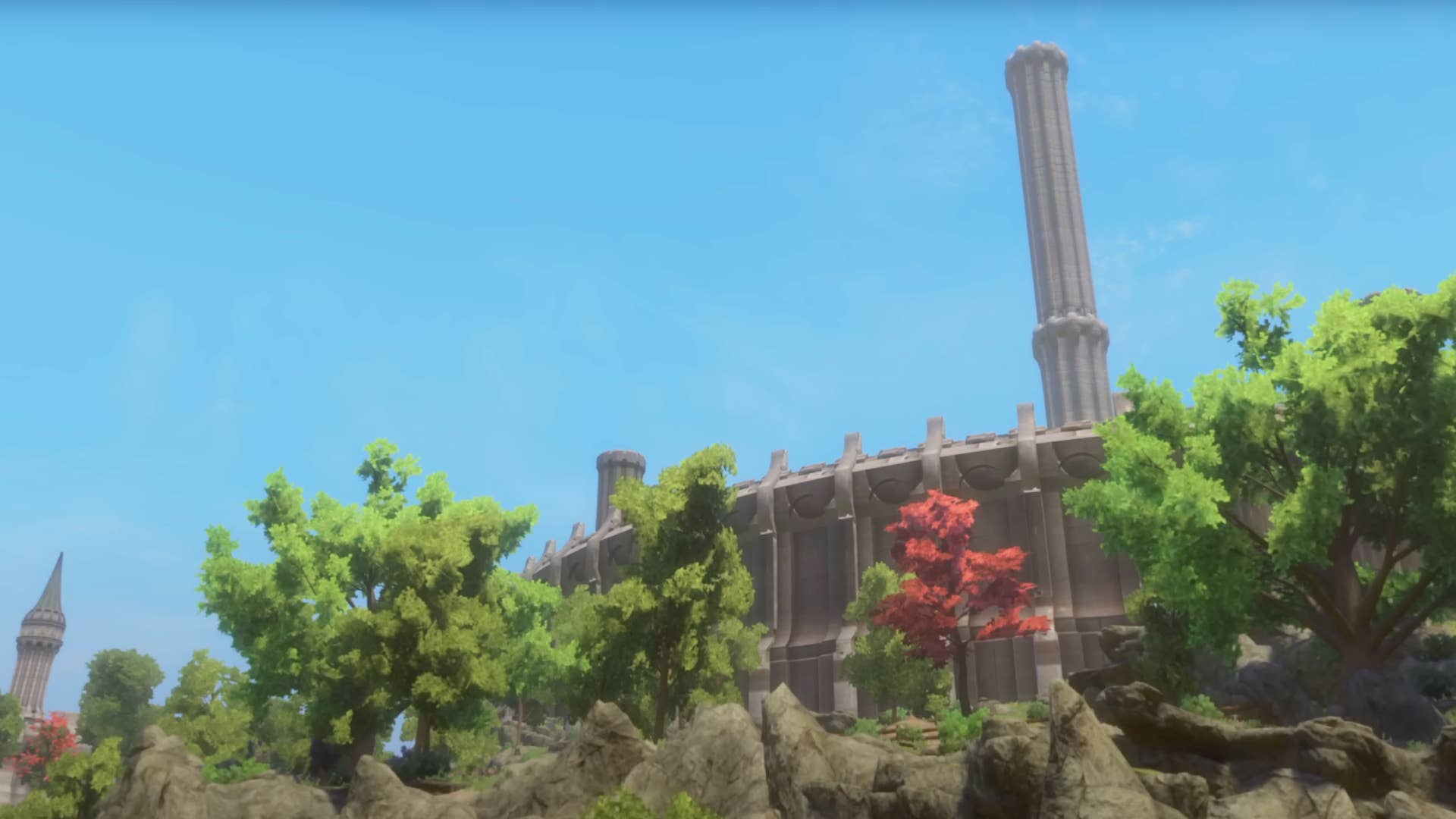
Skyblivion Release Window: March 2026 Emerges as a Pragmatic Target, Former Dev Cites 2025 as “Unachievable”
The anticipation surrounding Skyblivion, the ambitious fan-made project aiming to completely remake The Elder Scrolls IV: Oblivion within the modern engine of The Elder Scrolls V: Skyrim, has reached a fever pitch. As players eagerly await the release of this monumental undertaking, whispers of internal development struggles and revised timelines have begun to surface. A former developer who previously worked on Skyblivion, identifying themselves as Dee Keyes, a level and world designer, has recently shed light on the project’s potential release trajectory. In a series of candid remarks, Keyes posited that a March 2026 release window would be a far more fitting and achievable target for the team, directly contradicting the notion of a 2025 launch, which they have unequivocally labeled as “unachievable.”
This assertion from a former insider carries significant weight, particularly given the timing of its emergence. Keyes’ comments arrived shortly after the mod’s latest showcase, an event that typically amplifies player excitement and garners considerable media attention. The former dev’s public statement, made via Twitter, pointed towards a perceived disconnect within the Skyblivion leadership, specifically accusing the project lead and implementation lead of pressuring the team to meet a 2025 deadline. Keyes characterized this aggressive push as “pointless and unachievable,” suggesting it was detrimental to the project’s overall health and the quality of the final product.
Further elaborating on their concerns, Keyes detailed alleged instances of project mismanagement. A key point of contention was the perceived lack of consistent communication between leadership and other development leads. This breakdown in dialogue, according to Keyes, resulted in vital decisions being made without adequate input or awareness from those responsible for implementing them, potentially leading to wasted effort and design conflicts. Such accusations, especially from a departing team member, naturally trigger a cascade of questions from the dedicated Skyblivion community and the wider gaming press, all eager to understand the true state of affairs and manage expectations regarding the release date.
In response to the stir caused by Keyes’ statements, the current Skyblivion communications lead addressed the community directly. Their message aimed to reassure fans while acknowledging the fluidity of development timelines. The comms lead stated, “Our aim is that it will be by the end of the year, if we as a team decide that it isn’t we will be sure to share that.” While this statement suggests a desire to release within the current calendar year, the qualification “if we as a team decide that it isn’t” leaves considerable room for potential delays. The former dev’s more specific projection of March 2026 offers a concrete, albeit later, target that might reflect a more realistic assessment of the project’s scope and complexity.
Understanding the Scope of Skyblivion: A Remake of Epic Proportions
To fully appreciate the implications of any proposed release window, it is crucial to understand the sheer magnitude of the Skyblivion project. This is not merely a graphical overhaul or a collection of minor tweaks. Skyblivion is an undertaking to meticulously recreate the entirety of The Elder Scrolls IV: Oblivion, including its expansive world, all its quests, its unique characters, and its immersive atmosphere, using the more advanced Creation Engine that powers The Elder Scrolls V: Skyrim. This involves rebuilding every asset from scratch, from the towering peaks of the Jerall Mountains to the bustling marketplaces of the Imperial City, and from the dank depths of Daedric ruins to the serene landscapes of Skingrad’s vineyards.
The process entails:
- Full Asset Recreation: Every sword, shield, piece of armor, spell effect, creature model, and environmental prop needs to be modeled, textured, and animated anew to fit the graphical fidelity and technical capabilities of the Skyrim engine. This is a Herculean task that requires countless hours of skilled 3D artistry.
- World Building and Level Design: The iconic provinces of Cyrodiil must be rebuilt map by map, cell by cell. This involves not only placing objects and terrain but also creating believable interiors for every building, cave, and dungeon. The original Oblivion world was vast, and replicating its scale and detail is a monumental feat of environmental artistry and technical implementation.
- Quest Implementation and Scripting: All of Oblivion’s hundreds of quests, including the intricate main questline and the memorable faction questlines, need to be meticulously re-scripted and implemented within Skyrim’s quest system. This involves dialogue, triggers, objectives, and all the complex logic that makes Oblivion’s quests function. Ensuring these quests feel authentic to the original while working seamlessly within the new engine is a significant challenge.
- Voice Acting and Sound Design: While much of the original voice acting might be salvaged, the sheer volume of dialogue, coupled with the need for new incidental sounds, ambient effects, and potentially re-recorded lines to fit new scenes or character models, represents a significant audio undertaking.
- Bug Fixing and Optimization: Integrating such a vast amount of custom content into an existing engine is inherently prone to bugs. A significant amount of time must be dedicated to rigorous testing, identifying, and resolving issues to ensure a stable and enjoyable player experience. Optimization is also paramount to ensure the mod runs smoothly on a range of hardware configurations.
The Skyblivion team, composed of dedicated volunteers, has been working on this project for over a decade. Their passion and commitment are undeniable, but the scale of their ambition necessitates realistic timelines. The March 2026 projection, as suggested by Keyes, acknowledges the inherent complexities and the considerable amount of work that still remains.
Deconstructing the 2025 “Unachievable” Claim: Development Realities and Leadership Challenges
Dee Keyes’ assertion that a 2025 release for Skyblivion is “unachievable” stems from a deep understanding of the project’s inner workings and the practical limitations of game development, even for a mod. Their criticism highlights two primary areas of concern: the feasibility of the deadline itself and the methods employed to achieve it.
The Tyranny of Unrealistic Deadlines
Setting ambitious goals is a hallmark of any large-scale project, and game development is no exception. However, when these goals become detached from the reality of the work involved, they can become counterproductive. Keyes’ comment suggests that the 2025 target may have been set more to appease external expectations or internal pressures than as a genuine assessment of the development team’s capacity.
Factors that contribute to making a deadline “unachievable” in a project like Skyblivion include:
- Underestimated Task Complexity: The intricacies of rebuilding an entire game world, its quests, and its systems are often underestimated, even by experienced developers. What might seem like a straightforward asset replacement can often lead to unforeseen technical hurdles or require extensive redesign.
- Volunteer Development Model: While Skyblivion benefits from the passion of its volunteers, this model also presents challenges. Contributors may have varying levels of availability, skill sets, and experience. Coordinating a large team of volunteers requires robust management and clear, achievable milestones.
- Scope Creep and Feature Additions: As development progresses, new ideas or requests for features can emerge. While these might enhance the final product, they can also significantly extend the development timeline if not carefully managed and prioritized against existing deadlines.
- Technical Debt and Engine Limitations: Working within Skyrim’s Creation Engine, while powerful, comes with its own set of limitations and established workflows. Reconciling the design of Oblivion with the technical realities of Skyrim can introduce unexpected complexities and require extensive problem-solving.
Communication Breakdowns and Leadership Missteps
Keyes’ accusation of mismanaging communication between leads and other developers is a critical point. In any collaborative endeavor, especially one as complex as Skyblivion, effective communication is the bedrock of productivity and cohesion.
Specific communication failures can manifest as:
- Siloed Development: When different sub-teams or individual developers are not kept informed of each other’s progress or decisions, it can lead to redundant work, conflicting implementations, and design inconsistencies. For instance, a level designer might build a section of the world expecting certain assets or quest triggers, only to find out later that the scripting team has implemented them differently or that the asset team is creating something entirely incompatible.
- Lack of Strategic Alignment: If project leads are not effectively communicating the overarching vision and priorities to their teams, individual members may be working on tasks that do not align with the current development focus. This can lead to wasted effort and a feeling of being out of sync with the project’s direction.
- Decision-Making Bottlenecks: When decisions are made unilaterally by a few individuals without consulting those who will be most affected by them, it can lead to resentment, rework, and a sense of disempowerment within the broader team. This is particularly damaging in a volunteer environment where motivation and morale are paramount.
- Unclear Task Prioritization: Without clear communication about what is most important, developers may struggle to allocate their limited time effectively. This can result in critical tasks being neglected while less essential ones are prioritized, ultimately hindering progress towards the overall release goals.
The former dev’s public critique suggests that these communication issues may have been a significant factor in pushing towards an unsustainable 2025 deadline, potentially sacrificing long-term project health for short-term perceived progress.
The March 2026 Projection: A “Fitting” Window for Quality and Completion
The suggestion of March 2026 as a more fitting release window for Skyblivion is not merely a delay; it is a strategic recalibration that prioritizes the quality and long-term viability of the project. This timeframe allows for a more deliberate and thorough development process, addressing the aforementioned complexities with a realistic outlook.
A March 2026 target implies:
- Sufficient Time for Asset Completion and Polish: This allows the art teams ample time to finalize all necessary models, textures, and animations to a high standard, ensuring that Cyrodiil looks and feels as immersive as intended within the Skyrim engine.
- Thorough Quest Implementation and Scripting: A later release provides the scripting and quest design teams with the necessary time to meticulously implement and test all of Oblivion’s content. This includes ensuring that quest logic is robust, dialogue is well-integrated, and that the player experience is seamless and bug-free.
- Comprehensive Bug Testing and Optimization: Adequate time for testing is paramount for a project of this scale. A March 2026 window would permit extensive playtesting, bug reporting, and subsequent fixes, leading to a more stable and polished final release. Optimization efforts can also be more thoroughly addressed, ensuring the mod runs well for a wider audience.
- Improved Internal Communication and Workflow: By acknowledging the need for a more extended timeline, the project leadership can implement better communication protocols and workflow management. This allows for more collaborative decision-making, clearer task prioritization, and a more harmonious development environment, ultimately leading to greater efficiency and better morale.
- Focus on Core Experience: A realistic timeline allows the team to focus on delivering the core Oblivion experience with the fidelity and quality that fans expect, rather than rushing through crucial stages of development to meet an arbitrary deadline.
The term “fitting” used by Keyes suggests a release that aligns with the project’s ambition and the quality standard that the community has come to expect from Skyblivion. It signifies a date that is not dictated by external pressures but by the internal needs of the development process, ensuring that when Skyblivion finally arrives, it is the best possible rendition of Oblivion brought to life in the Skyrim engine.
Community Reactions and the Path Forward for Skyblivion
The discourse surrounding Skyblivion’s release date is a testament to the passionate and engaged community that surrounds this ambitious project. When former developers voice concerns, it naturally sparks debate and prompts many questions from eager players. The current Skyblivion comms lead’s statement, “Our aim is that it will be by the end of the year, if we as a team decide that it isn’t we will be sure to share that,” reflects an attempt to balance transparency with the inherent uncertainties of large-scale mod development.
However, the emergence of a more concrete, albeit later, proposed window like March 2026 offers a potential new benchmark for expectation management. It provides a more detailed vision of the timeline that might be necessary for the team to truly achieve their goals without compromising on quality. The community, while understandably eager for the mod’s release, often values a polished and complete experience above a rushed one. The lessons learned from other large-scale modding projects, both successful and those that have faced significant delays or shortcomings, inform this perspective.
Moving forward, the Skyblivion team faces the challenge of navigating these external perceptions and internal realities. Clear and consistent communication from the leadership will be more critical than ever. Whether they officially adopt a revised target like March 2026 or continue to work towards a more immediate, but potentially flexible, end-of-year goal, the emphasis must remain on sustainable development practices.
The success of Skyblivion hinges not only on the dedication of its developers but also on its ability to foster a healthy and productive development environment. Addressing the concerns raised by former team members, particularly regarding communication and project management, will be crucial in rebuilding trust and ensuring that the remaining development period is as efficient and effective as possible.
The prospect of experiencing Oblivion in a visually and technically enhanced form through Skyrim’s engine remains one of the most exciting endeavors in the modding community. By embracing realistic timelines, fostering robust communication, and prioritizing quality, Skyblivion can indeed deliver on its promise, making the wait, however long it may be, a worthwhile pursuit for an unforgettable journey back to Cyrodiil. The March 2026 window, as proposed, offers a compelling vision of what a truly “fitting” release could look like.