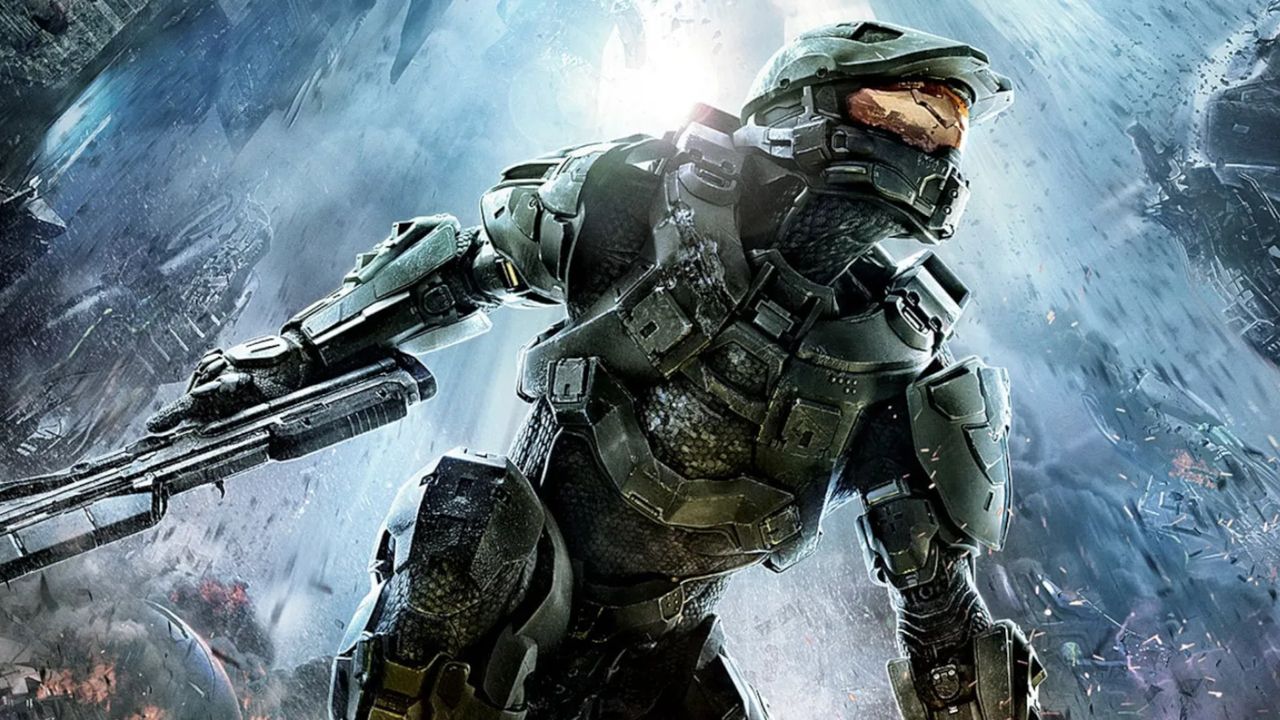
T-Minus Zero Entertainment: The Phoenix Rises from the Ashes, Less Than Three Months After NetEase’s Demise
In a whirlwind of development news that has captivated the gaming world, T-Minus Zero Entertainment, the ambitious studio founded by veteran developers behind iconic titles like Dragon Age and Halo, has experienced a remarkable resurrection. Less than three months after its abrupt shutdown by NetEase, the studio is not only back in operation but is poised to continue its groundbreaking work. This astonishing comeback underscores the resilience of passionate development teams and the enduring appeal of their vision for a truly next-generation gaming experience. The journey from closure to rebirth has been swift, dramatic, and filled with a renewed sense of purpose, promising exciting developments for players eagerly anticipating their unannounced project.
The Unexpected Closure: A Setback for Ambitious Aspirations
The initial announcement of T-Minus Zero Entertainment’s closure by NetEase sent shockwaves through the industry. The studio, which had only recently emerged from stealth mode, was already generating significant buzz due to the pedigree of its leadership. Comprised of former BioWare and 343 Industries talent, the team boasted a wealth of experience in crafting immersive worlds and compelling narratives that had defined blockbuster franchises. Their stated goal was to create a new IP that pushed the boundaries of interactive entertainment, leveraging cutting-edge technology and innovative gameplay mechanics.
NetEase’s decision to shutter the studio, reportedly due to a shift in strategic priorities, was a devastating blow. It left a talented group of developers in limbo, their ambitious project seemingly lost to the sands of time. For fans and industry observers alike, it represented a significant loss for the RPG genre and the broader landscape of AAA game development. The dream of a fresh, high-quality new IP from such a seasoned team appeared to be extinguished before it had truly had a chance to ignite. This period of uncertainty was undoubtedly challenging for the individuals involved, forcing them to confront the abrupt end of a project they had poured their hearts and souls into. The closure raised questions about the stability of independent studios backed by larger publishers and the inherent risks associated with ambitious, long-term development cycles.
The Genesis of Resurrection: A Testament to Vision and Perseverance
However, the spirit of innovation and the shared passion for their unannounced game proved to be stronger than the circumstances that led to their initial downfall. What followed was a period of intense collaboration and determination among the core team members. T-Minus Zero Entertainment did not simply disband; rather, the key figures remained united by their unwavering belief in the potential of their creation. This shared vision became the bedrock upon which their resurrection was built.
Through a combination of angel investment, founder contributions, and likely the strategic support of new partners who recognized the immense talent and untapped potential within the studio, T-Minus Zero Entertainment has managed to secure the necessary resources to continue their operations. This swift comeback is a testament to the developers’ unwavering commitment to their game’s vision and their ability to rally support even in the face of significant adversity. The speed at which they were able to regroup and re-establish themselves is remarkable, suggesting a deep well of confidence from investors who see the long-term viability of their project. It’s a narrative that resonates with the romantic ideal of creative endeavors overcoming corporate hurdles, offering a beacon of hope for other development teams facing similar challenges.
The Unannounced Masterpiece: What Lies Ahead for T-Minus Zero Entertainment?
While details surrounding T-Minus Zero Entertainment’s unannounced game remain closely guarded, the studio’s heritage provides compelling clues about the direction they are headed. The developers’ past work on Dragon Age suggests a deep understanding of rich storytelling, complex character development, and engaging RPG mechanics. Their experience with Halo points towards a mastery of tight combat systems, innovative multiplayer experiences, and the creation of expansive, believable worlds.
We can surmise that their current project will likely be a narrative-driven RPG, potentially with a science fiction or fantasy setting, or perhaps a bold fusion of both. Expect meticulously crafted lore, intricate questlines, and meaningful player choices that shape the unfolding narrative. Furthermore, given the industry’s trajectory and the team’s technical prowess, we anticipate a game that pushes graphical boundaries, incorporates advanced AI for more dynamic encounters, and potentially explores new forms of player interaction and progression. The ambition to create a truly next-generation experience remains at the forefront, aiming to redefine player expectations for what a single-player campaign or a cooperative multiplayer adventure can be. The strategic decision to keep the specifics under wraps likely stems from a desire to control the narrative and ensure that when they are ready to reveal their game, it will be met with the impact and excitement it deserves, free from premature speculation or the constraints of early-stage previews.
Key Developers and Their Legacy: The Pillars of T-Minus Zero
The resurgence of T-Minus Zero Entertainment is intrinsically linked to the exceptional talent that forms its core. The leadership team comprises individuals who have left an indelible mark on the gaming industry. Their collective experience spans decades and includes some of the most beloved and critically acclaimed titles ever released.
For instance, individuals with direct involvement in the creation of Dragon Age: Origins, a game renowned for its deep lore, branching narratives, and memorable companions, bring an unparalleled understanding of what makes a fantasy RPG resonate with players. This expertise in world-building and character interaction is a cornerstone of T-Minus Zero’s potential. Similarly, the influence of developers who contributed to the Halo franchise, a titan of the shooter genre known for its fluid gameplay, compelling multiplayer, and iconic universe, suggests a focus on polished mechanics and engaging combat. This blend of RPG depth and action-oriented design could result in a truly unique hybrid experience. The ability to weave compelling narratives within a vast, explorable world, coupled with responsive and satisfying gameplay, is a rare but potent combination that this studio is uniquely positioned to deliver. Their previous successes are not merely historical footnotes; they represent a living blueprint of their capabilities and their understanding of player psychology and engagement.
The Strategic Significance of a Swift Return
The rapid return of T-Minus Zero Entertainment is not just a story of individual triumph; it carries significant strategic implications for the broader gaming ecosystem. In an industry increasingly dominated by sequels and established franchises, the emergence of a new, ambitious IP from a team with such a proven track record is a beacon of hope for innovation. This comeback signals to other developers and investors that even in the face of corporate challenges, creative vision and strong execution can still prevail.
The fact that they are able to secure funding and re-establish operations so quickly suggests a robust underlying market for high-quality, original gaming experiences. It also highlights the potential for independent funding models and strategic partnerships to play a crucial role in supporting studios with strong leadership and compelling concepts. For players, this news is a clear indication that their voices for fresh, compelling content are being heard. The industry needs studios willing to take risks and deliver experiences that go beyond the predictable. T-Minus Zero Entertainment’s return reassures us that such ambition is alive and well, and that the legacy of beloved franchises like Dragon Age and Halo continues to inspire the creation of new, groundbreaking adventures. This rapid turnaround also allows them to maintain momentum and retain key talent, preventing the erosion of institutional knowledge and team cohesion that can often occur after a studio closure.
Technical Prowess and Future-Facing Development
Beyond narrative and gameplay, T-Minus Zero Entertainment’s ability to deliver a next-generation experience will undoubtedly hinge on their technical capabilities. Given their backgrounds, we can expect them to be leveraging the latest advancements in game engine technology, such as Unreal Engine 5 or a proprietary solution honed by their collective expertise. This would enable them to create visually stunning environments, realistic character models, and sophisticated animation systems.
The focus on pushing graphical fidelity is often a hallmark of studios with experience in blockbuster titles. We anticipate the use of advanced lighting techniques like ray tracing, high-resolution textures, and intricate environmental details that immerse players in their world. Furthermore, their experience with online components from titles like Halo suggests that their new game might incorporate robust multiplayer features, whether cooperative or competitive, demanding sophisticated networking code and server infrastructure. The integration of AI for non-player characters, enemy behaviors, and even dynamic world events could also be a key differentiator, creating a more reactive and unpredictable game world. Their commitment to delivering a polished, high-fidelity product is likely a significant factor in their ability to attract new investment and reassure players of their intent to create a truly memorable gaming experience that stands the test of time.
The Importance of a Strong Community Around New IPs
Building a dedicated community is paramount for the long-term success of any new IP, especially one with the ambition of T-Minus Zero Entertainment’s unannounced title. In the modern gaming landscape, a game’s longevity often depends on its ability to foster a thriving player base that engages with its world, mechanics, and ongoing content. The development team’s experience with highly successful, community-driven games like Halo and the deeply engaging worlds of Dragon Age provides them with invaluable insights into cultivating and nurturing such a community.
We anticipate that T-Minus Zero will prioritize transparent communication with their audience, offering glimpses into the development process without revealing too much too soon. This could involve dev blogs, social media updates, and potentially early access programs or beta tests closer to launch. Building anticipation and involving the community in the journey can create a sense of shared ownership and investment in the game’s success. Furthermore, the potential for post-launch content, including expansions, new quests, or even competitive multiplayer seasons, will be crucial for retaining players and ensuring the game’s relevance long after its initial release. The lessons learned from the successes and even the challenges faced by previous live-service games will undoubtedly inform their strategy, aiming to create a sustainable and engaging experience that keeps players coming back for years to come. The ability to listen to player feedback and adapt their game accordingly will be a key factor in solidifying their position in the competitive gaming market.
Navigating the Competitive Landscape: T-Minus Zero’s Path Forward
The gaming industry is an intensely competitive arena, with numerous studios vying for player attention and market share. T-Minus Zero Entertainment’s journey to re-establish itself and deliver on its ambitious promises requires a strategic approach to navigating this challenging environment. Their core strengths lie in their development pedigree and the inherent appeal of a high-quality new IP.
To effectively compete, they will need to carefully consider their marketing strategies, ensuring their unannounced game generates significant buzz without succumbing to overexposure or unrealistic expectations. The Dragon Age and Halo legacies provide a strong foundation for recognition, but the new game must stand on its own merits. Building partnerships with key influencers and media outlets will be vital for reaching a broad audience. Furthermore, the decision on whether their game will be a single-player focused experience, a cooperative adventure, or a fully-fledged multiplayer game will significantly impact their competitive positioning and target audience. Each of these approaches comes with its own set of challenges and opportunities in terms of player acquisition, retention, and monetization. The studio’s ability to deliver a polished, bug-free, and content-rich experience at launch, coupled with a clear vision for post-launch support, will be critical in carving out their niche and establishing a loyal player base that rivals the success of their previous legendary titles. Their phoenix-like return serves as a powerful narrative, and they will likely leverage this story of resilience and renewed purpose to connect with players on a deeper emotional level, further solidifying their place in the hearts and minds of gamers worldwide. The future for T-Minus Zero Entertainment appears bright, a testament to the enduring power of creativity, talent, and an unwavering commitment to the art of game development.