Japanese Publishers Demand OpenAI Halt Sora 2 Training on Copyrighted Game Assets
The gaming industry, a vibrant and ever-evolving landscape, is once again at a pivotal moment. As artificial intelligence continues its rapid ascent, the very foundations of creative ownership and intellectual property are being rigorously tested. In a significant development that sends ripples across both the technology and entertainment sectors, a formidable coalition of leading Japanese publishers, including titans like Bandai Namco and Square Enix, has formally requested that OpenAI cease the training of its forthcoming AI video generation tool, Sora 2, on their meticulously crafted and legally protected creative works. This bold stance, coordinated under the banner of the Content Overseas Distribution Association (CODA), underscores a growing concern among content creators worldwide regarding the unchecked use of copyrighted material in the development of advanced AI systems.
The Genesis of a Collective Stand: Understanding CODA’s Mandate
The Content Overseas Distribution Association (CODA), established to promote the lawful distribution and utilization of Japanese content overseas, has long been a crucial advocate for intellectual property rights within the global market. Its members represent a substantial portion of Japan’s creative output, encompassing not only the ubiquitous video game sector but also the anime, manga, and music industries. The decision to collectively approach OpenAI is not one taken lightly. It reflects a deep-seated unease about the potential for AI technologies to devalue, replicate, and ultimately undermine the original artistic endeavors that form the bedrock of their businesses.
CODA’s mission extends beyond mere advocacy; it is deeply involved in navigating the complex legal and ethical terrain surrounding content distribution. By uniting these prominent publishers, CODA amplifies a singular, powerful voice that demands accountability and respect for the years of investment, talent, and innovation poured into their intellectual properties. The association’s proactive engagement with AI developers like OpenAI signals a critical juncture where traditional copyright frameworks are being challenged by the unprecedented capabilities of generative AI. This united front is a clear indication that the industry is prepared to defend its assets against what it perceives as unauthorized appropriation.
Key Players in the Coalition: Bandai Namco and Square Enix Lead the Charge
The inclusion of Bandai Namco and Square Enix in this collective demand lends significant weight and gravitas to the proceedings. These are not nascent studios grappling with emerging technologies; they are established giants with vast portfolios of beloved franchises that have captivated global audiences for decades.
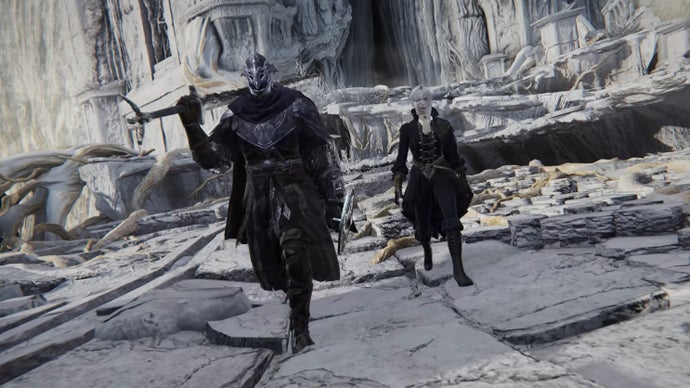
Bandai Namco Entertainment, a powerhouse known for its iconic franchises such as Tekken, Soulcalibur, Elden Ring (through its subsidiary FromSoftware), and a plethora of anime-based games like Dragon Ball FighterZ and Gundam, has a vested interest in protecting the unique visual styles and character designs that define its intellectual property. The distinctive art direction, character models, and thematic elements of these games are not merely visual assets; they are integral to the brand identity and consumer recognition that Bandai Namco has meticulously cultivated. Allowing these to be absorbed and potentially replicated by an AI without consent represents a direct threat to the exclusivity and commercial value of these celebrated universes.
Similarly, Square Enix stands as a custodian of some of the most cherished and influential gaming narratives and aesthetics in history. Home to franchises like Final Fantasy, Dragon Quest, and Kingdom Hearts, Square Enix has built its reputation on rich storytelling, groundbreaking visual design, and immersive worlds. The artistic integrity of characters like Cloud Strife, iconic summons, and the meticulously rendered environments of Midgar or Eorzea are the result of immense artistic effort and significant financial investment. The prospect of an AI learning from and potentially generating content that mimics these distinctive artistic signatures without permission is a direct challenge to Square Enix’s ability to control the narrative and visual future of its own franchises.
The involvement of these industry heavyweights signals that the concerns are not theoretical; they are rooted in the tangible protection of intellectual property that fuels their ongoing development and future revenue streams. Their participation underscores the seriousness with which the industry views the implications of AI training on their creative output.
Sora 2: The AI Frontier and the Publishers’ Concerns
The spotlight now falls squarely on OpenAI and its ambitious AI video generation tool, Sora 2. While OpenAI has not yet officially released comprehensive details about Sora 2’s training methodologies or specific datasets, the industry’s immediate reaction suggests a palpable apprehension about its potential capabilities and the data it might be leveraging.
Generative AI models like Sora 2 are trained on vast datasets of existing content. In the context of video generation, this would logically include a wide array of visual and auditory information, potentially encompassing clips from movies, television shows, and, crucially, video games. The concern articulated by CODA and its member publishers is that Sora 2’s training data may include copyrighted game assets, such as character models, environment designs, animation sequences, and proprietary art styles, without explicit permission or fair compensation.
The implications of such training are multifaceted. Firstly, there is the fundamental issue of copyright infringement. If an AI model is trained on copyrighted material without license, it could be argued that this constitutes an unauthorized reproduction and adaptation of those works. Secondly, there is the risk of unauthorized derivative works. An AI trained on these assets could potentially generate new videos that are strikingly similar to or directly mimic the visual language and artistic style of existing games. This could dilute the distinctiveness of these franchises, create confusion among consumers, and even lead to direct competition from AI-generated content that lacks the original creators’ direct input or control.
Furthermore, the economic implications are significant. Publishers invest heavily in developing unique visual identities and artistic talent to create compelling gaming experiences. If AI tools can readily replicate these aesthetics, it could devalue the original creations and reduce the incentive for publishers to invest in high-quality, original art and design in the future. The publishers are essentially arguing that their creative works are not merely data points to be scraped and assimilated; they are the product of immense artistic labor and intellectual property that deserves legal protection.
The Legal and Ethical Tightrope: Copyright in the Age of AI
The core of the publishers’ request revolves around the fundamental principles of copyright law. Traditionally, copyright protects original works of authorship, granting creators exclusive rights to reproduce, distribute, and create derivative works based on their creations. The advent of generative AI, however, presents a novel challenge to these established legal frameworks.
One of the central questions is whether the act of training an AI model on copyrighted data constitutes “fair use” or a form of infringement. Fair use, a doctrine that allows limited use of copyrighted material without permission for purposes such as criticism, comment, news reporting, teaching, scholarship, or research, is a complex and often litigious area of law. AI companies may argue that training their models falls under a transformative use or research purpose. However, publishers contend that the scale and commercial intent behind training models like Sora 2 go far beyond traditional fair use provisions.
The potential for AI-generated content to directly compete with the original works is a major point of contention. If Sora 2 can produce videos that closely resemble the style and content of games from Bandai Namco or Square Enix, it could inadvertently or intentionally undermine the market for those original games, their sequels, or related merchandise. This raises questions about how existing copyright law can adequately address the unique challenges posed by AI’s ability to learn from and reproduce creative styles.
Moreover, the lack of transparency in AI training data is a significant hurdle. Publishers often do not know if their works have been used, and if so, to what extent. This opacity makes it difficult to ascertain the scope of potential infringement and to seek appropriate remedies. The request from CODA is therefore not just a demand to cease training; it is also an implicit call for greater transparency and a willingness from AI developers to engage in open dialogue about data sourcing and usage.
The ethical dimension also plays a crucial role. Beyond the legalities, there is a moral imperative to respect the labor and creativity of artists and developers. The publishers’ stance is also a defense of the artistic process itself, emphasizing that creative works are not simply raw materials for technological advancement but are expressions of human ingenuity that deserve to be valued and protected.
Broader Industry Implications: A Global Concern
The actions of these prominent Japanese publishers are not isolated incidents; they represent a broader global concern within the creative industries regarding the impact of generative AI. Similar debates are unfolding in Hollywood, the music industry, and the literary world.
Hollywood studios and screenwriters have voiced significant concerns about AI being used to generate scripts or visual effects that could replace human talent. The music industry is grappling with AI-generated songs that mimic the styles of popular artists. Even authors have expressed apprehension about AI being trained on their literary works.
The collective action by Japanese publishers, therefore, serves as a crucial signal to the international community. It demonstrates that content creators across different mediums and geographical locations are recognizing the potential threats posed by unchecked AI development and are willing to unite in their defense. This coordinated effort could set a precedent for future collaborations and legal challenges.
Furthermore, the request highlights the critical need for international cooperation on AI governance and intellectual property protection. As AI technologies become increasingly borderless, so too must the frameworks that govern their ethical and legal development and deployment. The publishers’ appeal to OpenAI is not just a bilateral issue; it has implications for how AI development is regulated worldwide.
The Path Forward: Dialogue, Regulation, and Fair Use
The demands from Bandai Namco, Square Enix, and other CODA members represent a call for a more responsible and ethical approach to AI development. While acknowledging the transformative potential of AI, the publishers are firmly asserting that this progress should not come at the expense of creators’ rights and livelihoods.
Several potential pathways emerge from this situation:
- Increased Transparency in Training Data: OpenAI and other AI developers will likely face growing pressure to be more transparent about the datasets used to train their models. This could involve providing more detailed information about data sources and implementing mechanisms for rights holders to identify and opt out of having their works used.
- Licensing and Compensation Models: The development of new licensing frameworks and compensation models could be crucial. Publishers might explore ways to license their content for AI training in exchange for royalties or fees, ensuring that they are fairly compensated for the use of their intellectual property.
- Technological Solutions for Content Protection: The industry may need to explore new technological solutions to protect copyrighted material from AI scraping, such as watermarking or digital rights management techniques specifically designed for AI training data.
- Legal Clarification and Potential Regulation: This situation could accelerate the need for clearer legal definitions and regulations surrounding AI training data and AI-generated content. Governments and international bodies may need to intervene to establish clearer guidelines that balance innovation with intellectual property protection.
- Collaborative Partnerships: Instead of an adversarial stance, there is an opportunity for publishers and AI developers to engage in collaborative partnerships. This could involve working together to develop AI tools that augment, rather than replace, human creativity, while respecting copyright and fair use.
The request from Japanese publishers to OpenAI regarding Sora 2 is a pivotal moment. It underscores the urgent need for a robust dialogue between AI developers and content creators to ensure that the future of artificial intelligence is built on a foundation of respect for intellectual property, ethical data sourcing, and fair compensation for the creative works that fuel its advancement. The gaming industry, a pioneer in digital innovation, is once again at the forefront of a critical conversation that will shape the future of creative endeavors in the digital age.