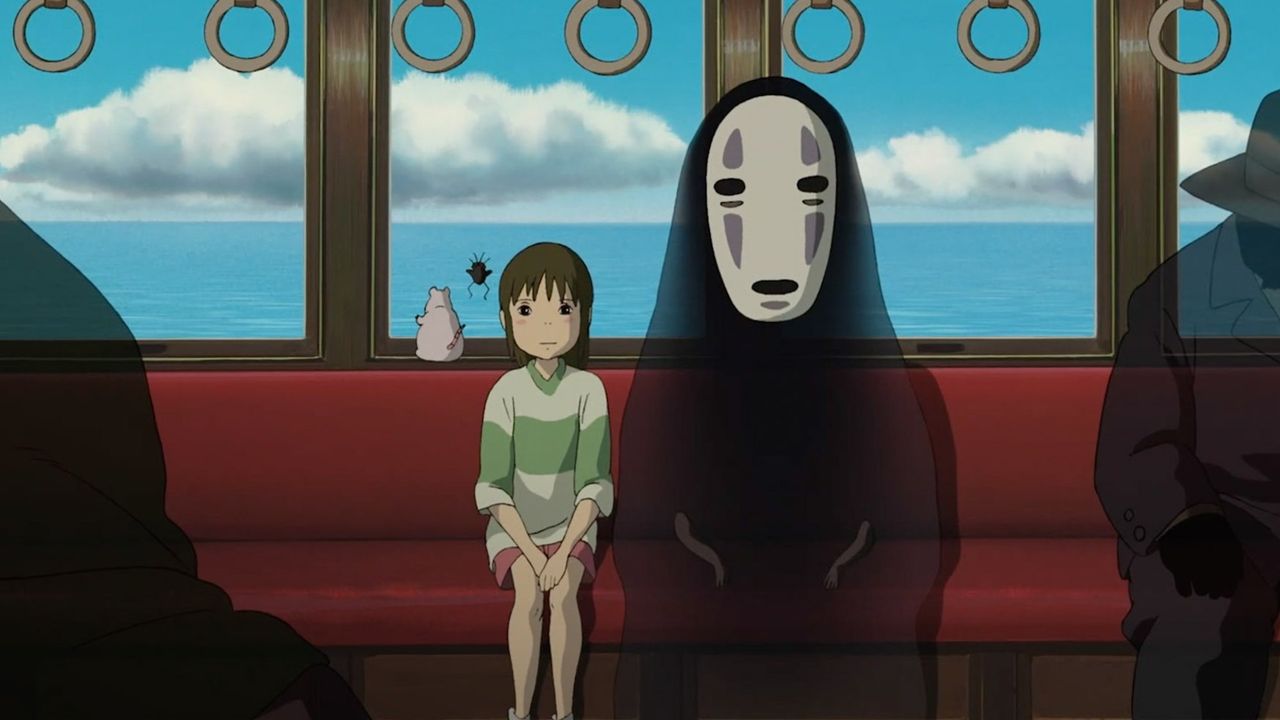
Japanese Content Trade Group, Including Studio Ghibli, Demands AI Training Cease Without Permission: Protecting Creative Intellectual Property
The landscape of artificial intelligence is rapidly evolving, and with it, the ethical and legal considerations surrounding its development and deployment. A key point of contention has emerged: the use of copyrighted material to train AI models without explicit consent from copyright holders. This issue has reached a boiling point, with the Content Overseas Distribution Association (CODA), a prominent Japanese trade group whose membership includes the globally renowned Studio Ghibli, formally calling for a halt to the unauthorized use of its members’ intellectual property for AI training purposes. This article delves into the complexities of this situation, examining the arguments presented by CODA, the potential implications for the AI industry, and the broader debate about copyright in the age of artificial intelligence.
CODA’s Stance: Protecting Artistic Integrity and Economic Interests
CODA’s demand is rooted in two primary concerns: the protection of artistic integrity and the preservation of economic interests. Studio Ghibli’s films, along with the works of other CODA members, represent significant investments of time, resources, and creative talent. These works are not merely entertainment; they are cultural artifacts that contribute significantly to Japan’s artistic identity and economy. Allowing AI developers to freely use these works to train AI models without permission undermines the value of this intellectual property and potentially devalues the original creative process.
CODA argues that using copyrighted material without consent constitutes a clear violation of copyright law. While some argue that “fair use” principles might apply to AI training, CODA contends that the scale and commercial nature of AI development fall outside the bounds of fair use. They emphasize that AI models are not simply creating derivative works for personal enjoyment or educational purposes; they are generating commercially viable outputs that could directly compete with the original works. Furthermore, CODA argues that the use of copyrighted material without permission deprives creators of the opportunity to negotiate licensing agreements and receive fair compensation for the use of their work. This could have a chilling effect on creativity, as artists and studios may be less willing to invest in new projects if they fear that their work will be exploited without their consent.
OpenAI’s Response and the Broader AI Industry’s Perspective
OpenAI, the company behind the groundbreaking Sora text-to-video AI, has yet to issue a formal response to CODA’s specific demands. However, the company has previously maintained that its AI models are trained on publicly available data and that it takes measures to avoid infringing on copyright. They also argue that AI models are transformative and that the outputs they generate are sufficiently different from the original training data to avoid copyright infringement.
This perspective is shared by many in the AI industry, who argue that access to large datasets, including copyrighted material, is essential for the development of advanced AI models. They contend that restricting access to this data would stifle innovation and hinder the progress of AI technology. Some even suggest that copyright law should be updated to reflect the realities of the AI age, potentially creating a new exception for AI training.
However, these arguments have been met with skepticism from copyright holders and advocacy groups. They point out that AI models are not simply learning from data; they are essentially creating copies of the data in a compressed form. They also argue that the transformative nature of AI outputs does not negate the fact that the AI model was trained on copyrighted material without permission.
The Legal Gray Area: Copyright Law and AI Training
The legal status of using copyrighted material to train AI models remains uncertain. Existing copyright laws were not designed with AI in mind, and courts around the world are struggling to apply these laws to the novel challenges posed by AI technology.
One key issue is the definition of “fair use.” Fair use is a legal doctrine that allows limited use of copyrighted material without permission for purposes such as criticism, commentary, news reporting, teaching, scholarship, and research. However, the application of fair use to AI training is highly debated. Courts typically consider four factors when determining whether a particular use of copyrighted material is fair:
- The purpose and character of the use: Is the use transformative, or is it simply a copy of the original work?
- The nature of the copyrighted work: Is the work primarily factual or creative?
- The amount and substantiality of the portion used: How much of the copyrighted work was used?
- The effect of the use on the potential market for or value of the copyrighted work: Does the use harm the market for the original work?
Applying these factors to AI training is complex. While AI models can be said to be transformative, they also rely heavily on the original copyrighted material. Furthermore, the use of entire copyrighted works for AI training could potentially harm the market for those works, as AI models could generate outputs that compete with the original works.
Ultimately, the courts will need to weigh these competing interests and develop a clear legal framework for AI training. In the meantime, the legal uncertainty surrounding this issue is likely to fuel further disputes between copyright holders and AI developers.
CODA’s Call to Action and Potential Consequences for Sora 2
CODA’s demand for OpenAI to cease using its members’ work to train Sora 2 has significant implications for the future of the AI model. If OpenAI complies with this demand, it may need to retrain Sora 2 using only data that it has obtained permission to use. This could significantly reduce the quality and capabilities of the AI model, as it would have access to a smaller and less diverse dataset.
Alternatively, OpenAI could choose to ignore CODA’s demand and continue using copyrighted material without permission. However, this could expose the company to legal action from CODA and its members. A successful lawsuit could result in significant financial penalties for OpenAI, as well as an injunction preventing the company from using the copyrighted material in the future.
The outcome of this dispute could have a ripple effect throughout the AI industry. If CODA is successful in its efforts to protect its members’ intellectual property, it could embolden other copyright holders to take similar action. This could lead to a more restrictive legal environment for AI training, potentially slowing down the development of AI technology.
The Broader Debate: Balancing Innovation and Copyright in the Age of AI
The dispute between CODA and OpenAI highlights a fundamental tension between the need to foster innovation and the need to protect copyright. On one hand, access to large datasets, including copyrighted material, is essential for the development of advanced AI models. Restricting access to this data could stifle innovation and hinder the progress of AI technology. On the other hand, copyright holders have a legitimate right to protect their intellectual property and receive fair compensation for the use of their work. Allowing AI developers to freely use copyrighted material without permission could undermine the value of intellectual property and discourage creativity.
Finding the right balance between these competing interests is a complex challenge. Some have proposed creating a new exception to copyright law for AI training. This exception would allow AI developers to use copyrighted material without permission, provided that they pay a reasonable fee to copyright holders. Other have suggested developing technological solutions that would allow AI models to be trained on copyrighted material without actually copying the data.
Ultimately, the solution to this challenge will require a collaborative effort between copyright holders, AI developers, policymakers, and the public. It is essential to develop a legal and ethical framework that protects intellectual property while also fostering innovation and promoting the responsible development of AI technology.
Gaming News’ Perspective: Supporting Fair Compensation for Creators
As a leading voice in Gaming News, we believe in supporting the rights of creators and ensuring they are fairly compensated for their work. The unauthorized use of copyrighted material for AI training raises serious ethical and legal concerns. While we recognize the potential benefits of AI technology, we cannot condone the exploitation of artists’ and studios’ intellectual property without their explicit consent.
We stand in solidarity with CODA and Studio Ghibli in their efforts to protect their creative works. We urge OpenAI and other AI developers to engage in meaningful dialogue with copyright holders to find a fair and sustainable solution that respects the rights of all parties involved.
The Future of AI and Copyright: A Call for Responsible Development
The dispute between CODA and OpenAI is just one example of the growing tensions between AI technology and copyright law. As AI continues to evolve, it is crucial to address these issues proactively and develop a legal and ethical framework that promotes responsible AI development.
This framework should include clear guidelines for the use of copyrighted material in AI training, as well as mechanisms for ensuring that copyright holders are fairly compensated for the use of their work. It should also promote transparency and accountability in the AI industry, so that the public can understand how AI models are being trained and what data is being used.
By working together, we can ensure that AI technology is developed in a way that benefits society as a whole, while also protecting the rights and interests of creators. This is essential for fostering a vibrant and sustainable creative ecosystem in the age of artificial intelligence.
The Impact on Sora 2’s Development and Availability
The outcome of CODA’s demands significantly impacts the future development and availability of Sora 2. If OpenAI concedes and removes CODA’s members’ works from its training data, it might necessitate a significant retraining process. This could lead to:
- Reduced accuracy and diversity in generated content: A smaller, less diverse dataset could limit Sora 2’s ability to generate high-quality, nuanced video content, particularly in styles or genres similar to Studio Ghibli’s work.
- Increased development time and costs: Retraining the model is a resource-intensive process that requires significant time, computational power, and expertise, which translates to increased development costs.
- Delayed release or limited availability: To accommodate retraining, the release of Sora 2 might be postponed, or its availability might be initially limited to specific regions or use cases.
On the other hand, if OpenAI chooses to disregard CODA’s concerns, it faces the risk of legal repercussions, including:
- Lawsuits and injunctions: CODA could file a lawsuit seeking damages for copyright infringement and an injunction preventing OpenAI from using its members’ works to train Sora 2.
- Damage to reputation and trust: Ignoring CODA’s demands could damage OpenAI’s reputation and erode public trust, particularly among creators and artists.
- Potential regulatory scrutiny: Government agencies might scrutinize OpenAI’s practices and potentially impose regulations on the use of copyrighted material for AI training.
Therefore, OpenAI faces a critical decision that will shape not only the future of Sora 2 but also the broader landscape of AI development and copyright.
#### Detailed Point: The Importance of Transparency and Dialogue
The ideal solution lies in fostering open communication and collaboration between AI developers and copyright holders. Transparency regarding the data used to train AI models is crucial for building trust and addressing concerns about copyright infringement. Dialogue between stakeholders can facilitate the development of mutually agreeable licensing frameworks and compensation mechanisms that benefit both parties.
#### Detailed Point: Alternative Training Datasets and Techniques
OpenAI can explore alternative training datasets and techniques to mitigate the impact of removing copyrighted material. These include:
- Using publicly available datasets: There are numerous publicly available datasets of images and videos that can be used for AI training.
- Generating synthetic data: Synthetic data can be created using computer graphics techniques and does not infringe on copyright.
- Employing transfer learning: Transfer learning allows AI models to be trained on one dataset and then fine-tuned on another, reducing the need for large amounts of copyrighted data.
#### Detailed Point: The Role of Government and Regulatory Bodies
Government and regulatory bodies play a vital role in establishing clear legal frameworks and guidelines for the use of copyrighted material for AI training. These frameworks should balance the need to protect intellectual property with the desire to foster innovation and promote the responsible development of AI technology.
#### Detailed Point: CODA’s Broader Influence
CODA’s stance on this issue carries significant weight due to its influential membership, which includes not only Studio Ghibli but also other major players in the Japanese entertainment industry. A successful outcome for CODA could set a precedent for other copyright holders around the world to take similar action, potentially transforming the way AI models are trained.
Conclusion: Navigating the Complexities of AI and Copyright
The clash between CODA and OpenAI underscores the complex and evolving relationship between AI technology and copyright law. As AI continues to advance, it is crucial to address the ethical and legal challenges proactively to ensure that innovation is balanced with the protection of intellectual property rights. By fostering open dialogue, exploring alternative training methods, and establishing clear legal frameworks, we can navigate these complexities and create a future where AI benefits society while respecting the rights of creators. Gaming News will continue to follow these developments closely and provide insightful commentary on the implications for the gaming and entertainment industries.