IWGB Union Lodges Legal Claims Against Rockstar Games Over Refusal to Negotiate GTA 6 Developer Firings
Gaming News is at the forefront of reporting a significant legal development concerning Rockstar Games, the renowned developer behind the highly anticipated Grand Theft Auto 6. The Independent Workers’ Union of Great Britain (IWGB) has officially filed legal claims against Rockstar, alleging a persistent refusal by the company to engage in negotiations following the recent termination of employment for over 30 workers. This contentious situation, which has ignited substantial protest and drawn widespread attention from the gaming community and labor rights advocates alike, centers on the circumstances surrounding these dismissals and Rockstar’s subsequent stance.
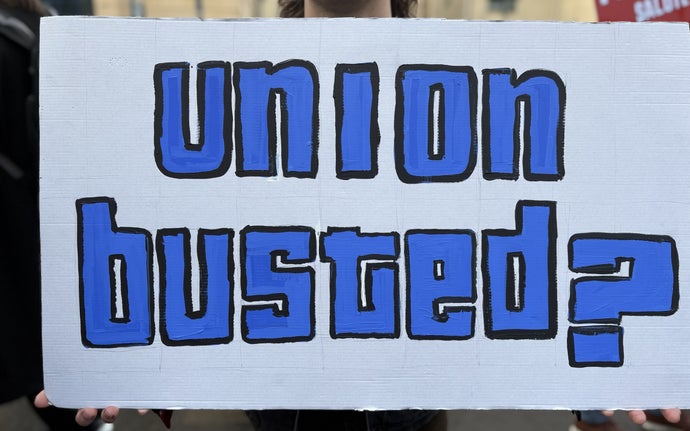
The narrative began with Rockstar Games initially citing “gross misconduct” as the primary justification for the firings. Subsequently, the company elaborated on this, stating that the affected employees had allegedly shared confidential information within a public forum. This explanation, however, has been vehemently contested by the IWGB, which has leveled serious accusations against Rockstar, including claims of union busting and an unfair dismissal process. The union’s unwavering support for the terminated employees has led to significant mobilization, including protests that have taken place outside Rockstar North and the UK offices of Take-Two Interactive, Rockstar’s parent company. These demonstrations underscore the gravity of the situation and the union’s determination to seek redress for its members.
The Core of the Dispute: Allegations of Refusal to Negotiate
At the heart of the legal claims filed by the IWGB is the assertion that Rockstar Games has demonstrably and systematically refused to engage in negotiations with the union concerning the dismissals. According to the union’s representatives, Rockstar has consistently declined to meet with them to discuss the specifics of the firings, the alleged reasons behind them, and potential avenues for resolution or compensation for the affected workers. This alleged stonewalling tactic by Rockstar is viewed by the IWGB as a deliberate attempt to circumvent their role as the recognized bargaining representative for a significant portion of the workforce and to silence any potential challenge to the company’s actions.
The IWGB maintains that genuine negotiations are crucial not only for the well-being of the 30+ workers who have lost their jobs, but also for establishing fair labor practices within the notoriously demanding video game development industry. The union’s legal strategy appears to be focused on compelling Rockstar to the negotiation table, where they hope to present evidence and arguments that challenge the validity of the dismissals and advocate for a more equitable outcome for all involved. The protracted nature of this standoff, coupled with Rockstar’s alleged intransigence, has amplified the urgency and significance of the legal claims being pursued.
Rockstar’s Stated Justification for Firings: Gross Misconduct and Confidential Information Leak
Rockstar Games, in its public statements and through its legal representatives, has put forth a specific rationale for the mass firings. The initial justification provided was “gross misconduct”. This is a serious accusation within employment law, typically implying behavior that fundamentally breaches the terms of employment or trust between employer and employee. Following this initial statement, Rockstar provided further detail, alleging that the dismissed staff had engaged in the unauthorized sharing of confidential information within a public forum.
This elaboration suggests that the alleged misconduct was not merely a minor infraction but a significant breach of company policy, potentially involving the disclosure of sensitive proprietary data, development secrets, or other material that could jeopardize the company’s intellectual property or competitive edge. The development of Grand Theft Auto 6 is, without question, one of the most anticipated and commercially significant projects in the entertainment industry. Therefore, any perceived leak of information related to its development would likely be treated with extreme seriousness by Rockstar. The company’s stance implies that these actions were severe enough to warrant immediate and decisive termination of employment for those involved. However, the vagueness of the initial “gross misconduct” charge and the specifics of the alleged leak remain points of contention and are likely central to the ongoing legal battle.
IWGB Accusations: Union Busting and Unfair Dismissal Practices
The Independent Workers’ Union of Great Britain (IWGB) has not only challenged Rockstar’s justification for the firings but has also levied serious accusations against the company’s broader labor practices. Chief among these is the charge of union busting. The IWGB contends that Rockstar’s actions are not merely about addressing individual misconduct but represent a calculated effort to undermine and suppress unionization efforts within the company. By allegedly targeting employees who are union members or who are perceived as active in advocating for workers’ rights, Rockstar, according to the IWGB, is attempting to stifle collective bargaining and discourage future union activity.
Furthermore, the union argues that the firings constitute unfair dismissal. This legal concept generally refers to situations where an employee is terminated without a fair reason, or where the process of dismissal was not conducted fairly and in accordance with employment law. The IWGB’s position is that Rockstar has failed to provide adequate proof of the alleged misconduct or has not followed proper disciplinary procedures. The union asserts that the firings were disproportionate to the alleged offenses and that the employees were denied a fair opportunity to defend themselves or to have their case heard by an impartial body before their employment was terminated. The union’s commitment to these accusations is evidenced by their active campaigning and the filing of legal claims, indicating a strong belief in the merits of their case.
Protests and Mobilization: IWGB’s Public Campaign
The IWGB’s efforts to address the alleged injustices at Rockstar Games have extended beyond the legal sphere into a visible and vocal public campaign. Last week, the union spearheaded protests that took place outside key Rockstar and Take-Two Interactive locations in the UK. These demonstrations were strategically organized to maximize visibility and pressure on the companies involved. Protesters, carrying banners and chanting slogans, voiced their solidarity with the 30+ fired workers and demanded that Rockstar Games engage in meaningful negotiations with the IWGB.
The choice of locations for these protests was significant. Rockstar North, based in Edinburgh, Scotland, is the primary development studio for the Grand Theft Auto series, making it a symbolic epicenter of the workforce in question. Protests at Take-Two Interactive’s UK offices served to target the parent company, highlighting that the ultimate decision-making power and accountability may reside at a higher corporate level. These public actions serve multiple purposes: to galvanize support from the wider public and the gaming community, to raise awareness about the alleged labor rights violations, and to exert tangible pressure on Rockstar and Take-Two to change their stance and agree to negotiations. The union’s strategic use of public demonstration, alongside their legal actions, underscores a comprehensive approach to achieving justice for the affected workers.
The Significance of GTA 6 to Rockstar and the Industry
The Grand Theft Auto franchise is arguably the most commercially successful and culturally impactful video game series ever created. Each installment has broken sales records and redefined the open-world genre, generating billions of dollars in revenue for Rockstar Games and its parent company, Take-Two Interactive. The development of GTA 6 has been shrouded in immense secrecy and anticipation, with the game widely expected to be another monumental success, further cementing Rockstar’s position as a titan of the gaming industry.
This immense commercial and cultural weight amplifies the stakes of any labor dispute. For Rockstar Games, maintaining a stable and motivated workforce is crucial for the successful and timely completion of such a high-profile project. Any disruptions, negative publicity, or legal entanglements related to employee treatment can have significant repercussions on internal morale, external perception, and potentially even development timelines. The IWGB union, by taking a firm stand and filing legal claims, is leveraging the immense public interest in GTA 6 to draw attention to their cause. Their actions highlight the critical need for fair labor practices, even within highly profitable and glamorous industries like video game development. The potential for union busting allegations to tarnish Rockstar’s reputation, especially at such a pivotal moment in the GTA 6 development cycle, is a significant factor in the ongoing dispute.
Legal Avenues and Potential Outcomes of the IWGB Claims
The legal claims filed by the IWGB against Rockstar Games are designed to achieve specific outcomes. Primarily, the union aims to compel Rockstar to enter into negotiations. This would involve sitting down with union representatives to discuss the grievances of the 30+ fired workers, review the evidence for the alleged gross misconduct and confidential information leak, and explore possible resolutions. These resolutions could range from reinstatement of employees, severance packages, to a formal apology and a commitment to improved labor practices.
Depending on the jurisdiction and the specific nature of the legal claims (which could include unfair dismissal, breach of contract, or specific labor law violations), the proceedings could involve various stages. This might include preliminary hearings, disclosure of evidence, mediation attempts, and potentially a full tribunal or court case if an agreement cannot be reached. The IWGB may also seek injunctions to prevent further alleged union busting activities or to protect the rights of their members during the dispute.
The potential outcomes are multifaceted. If the legal claims are successful, Rockstar Games could be legally obligated to negotiate, pay compensation, or reinstate employees. Conversely, if Rockstar successfully defends its actions, the legal claims would be dismissed. Regardless of the ultimate legal verdict, the ongoing dispute and the associated publicity have already brought significant attention to the working conditions and labor relations within the high-pressure environment of AAA game development. The IWGB’s persistent pursuit of this case underscores their commitment to advocating for better worker protections in an industry that, despite its immense success, has often faced criticism regarding employee burnout and contractual fairness.
The Broader Implications for the Video Game Industry Workforce
The conflict between the IWGB union and Rockstar Games is not an isolated incident; it serves as a potent symbol of broader trends and challenges within the global video game industry. For years, concerns have been raised about crunch culture, demanding working hours, precarious employment, and inadequate compensation for many developers. The development of massive, ambitious titles like Grand Theft Auto 6 often involves intense periods of overtime and high pressure, leading to burnout and mental health issues among staff.
The IWGB’s intervention, and their allegations of union busting and unfair dismissal, highlight the growing demand for collective bargaining and stronger worker protections in this sector. Many within the industry are now actively seeking to form unions and engage in negotiations to improve their working conditions, ensure fair treatment, and gain a more equitable share of the immense profits generated by the games they create. Rockstar’s alleged refusal to negotiate, if proven, sets a concerning precedent and could embolden other companies to resist similar unionization efforts.
Conversely, if the IWGB is successful in its legal claims and secures favorable negotiations with Rockstar, it could serve as a significant victory for labor rights within the gaming industry. Such an outcome would likely inspire more workers to organize and demand better treatment, potentially leading to a fundamental shift in how game developers are treated and compensated. The industry is at a critical juncture, and the actions taken by the IWGB and the response from Rockstar Games will undoubtedly have long-lasting implications for the future of work in video game development. This case is a crucial moment for workers seeking a more just and sustainable environment within a thriving industry.