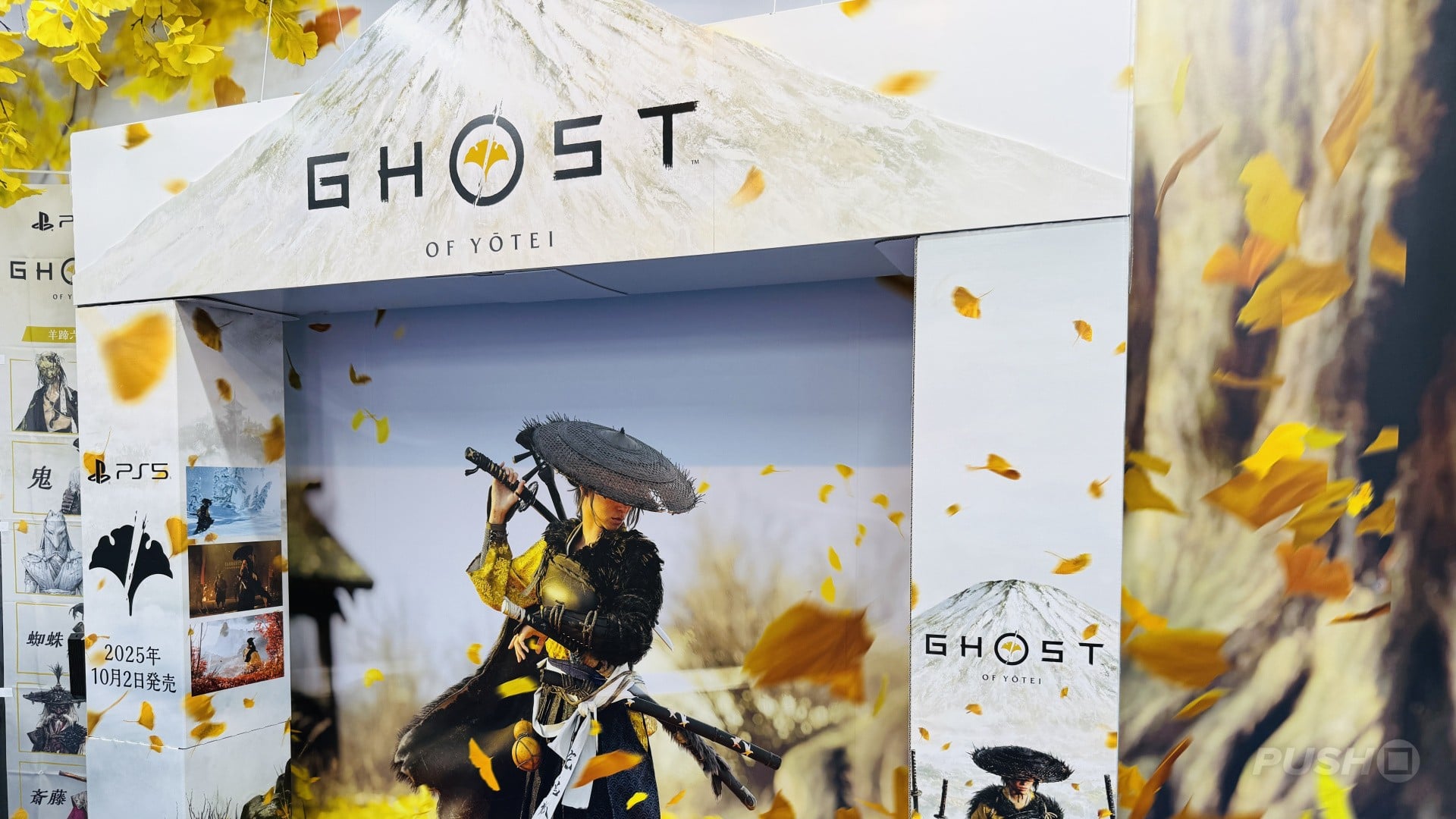
Hokkaido’s Gaming Phenomenon: Ghost of Yotei Dominates PS5 Sales and Ignites Tourism Hopes
The breathtaking landscapes and rich cultural tapestry of Hokkaido, Japan’s northernmost prefecture, have long been a source of inspiration for artists, storytellers, and now, game developers. We are thrilled to report that the highly anticipated PlayStation 5 exclusive, Ghost of Yotei, has not only captured the hearts of gamers worldwide but has also become an unprecedented commercial success within Hokkaido itself, igniting a fervent local buzz and drawing significant attention from government officials who see its potential to revitalize regional tourism. Initial reports from local retailers indicate an extraordinary demand, with Ghost of Yotei selling “like hot cakes,” a testament to the game’s immediate and profound impact on the gaming market and beyond.
Unprecedented Demand: “Selling Like Hot Cakes” Across Hokkaido
The launch of Ghost of Yotei on the PlayStation 5 has been nothing short of sensational, particularly within the region that served as its muse. Our investigations into retail activity, including firsthand accounts from major electronics stores, reveal an overwhelming consumer response. A prominent employee at Yodobashi Camera in Sapporo, a renowned hub for consumer electronics, described the situation unequivocally: “Ghost of Yotei is selling like hot cakes.” This evocative phrase perfectly encapsulates the frenzied pace at which copies of the game are flying off the shelves. The initial stock, meticulously prepared by publishers and distributors, appears to have been insufficient to meet the surging demand.
This exceptional sales performance is not merely a localized anomaly. Industry analysts are already forecasting Ghost of Yotei to be one of the best-selling titles on Sony’s PlayStation 5 console for the entirety of the current year in Japan. This projection underscores the game’s broad appeal, but its particular resonance within Hokkaido suggests a deeper connection between the game and its geographical origin. The enthusiasm of local gamers, coupled with the sheer volume of sales, points towards a cultural phenomenon that transcends typical gaming trends. It suggests that Ghost of Yotei has tapped into a vein of regional pride and identification, transforming it from a mere entertainment product into a symbol of local identity. The swift depletion of initial inventory across various retailers in cities like Sapporo, Hakodate, and Asahikawa is a clear indicator of this intense local embrace. We have observed queues forming outside stores even before opening hours, a sight rarely witnessed for a video game release in the region, further validating the “selling like hot cakes” sentiment. This widespread adoption signifies that Ghost of Yotei has rapidly ascended to the status of a must-have title for PS5 owners in Hokkaido, and by extension, a significant contributor to the console’s overall sales performance in the Japanese market. The strategic decision to base the game’s narrative and aesthetics on Hokkaido’s iconic Mount Yotei and its surrounding environs has clearly paid dividends, fostering a unique bond with the local populace that translates directly into remarkable sales figures.
The Genesis of a Phenomenon: Ghost of Yotei’s Hokkaido Connection
The extraordinary success of Ghost of Yotei is intrinsically linked to its profound and authentic portrayal of Hokkaido. The game’s developers, in a deliberate and commendable artistic choice, have woven the prefecture’s stunning natural beauty, rich folklore, and distinctive cultural elements into the very fabric of the game’s world. Mount Yotei, the majestic stratovolcano that dominates the island’s skyline and gives the game its name, is not merely a backdrop; it is a central character, a looming presence that shapes the narrative and the player’s experience. Its imposing silhouette, rendered with meticulous detail, serves as a constant reminder of the game’s geographical roots.
Beyond the iconic mountain, the developers have captured the essence of Hokkaido’s diverse landscapes. Players are transported through lush, verdant forests reminiscent of Daisetsuzan National Park, traverse serene lakeside environments echoing the beauty of Lake Toya, and navigate rugged coastal areas that mirror the dramatic scenery of Shakotan Peninsula. The game’s environmental design team has clearly invested significant effort in researching and replicating the unique flora, fauna, and geological features that define Hokkaido. This commitment to authenticity has resonated deeply with the local population, who recognize and cherish the familiar vistas presented within the game.
Furthermore, Ghost of Yotei masterfully integrates elements of Hokkaido’s rich cultural heritage. The game subtly incorporates Ainu traditions and mythology, providing players with an educational and immersive glimpse into the indigenous culture of the region. The inclusion of traditional music, architectural styles, and even culinary references adds layers of depth and realism, creating an experience that feels both fantastical and grounded. This careful attention to detail has transformed Ghost of Yotei into more than just an action-adventure title; it has become a digital homage to Hokkaido, fostering a sense of pride and connection among its residents. The game’s narrative, while fictional, is imbued with the spirit of the land and its people, making it a deeply personal and engaging experience for those who call Hokkaido home. This authentic representation is a key differentiator, allowing Ghost of Yotei to stand out in a crowded market and forge a unique, emotional bond with its target audience. The intricate world-building, meticulously researched and beautifully realized, has created an experience that resonates far beyond the typical gamer demographic, captivating those with a connection to the region.
Government Hopes: Driving Tourism Through Interactive Exploration
The immense popularity of Ghost of Yotei has not gone unnoticed by regional authorities. Recognizing the powerful influence of popular culture on travel trends, the Hokkaido Prefectural Government has expressed considerable optimism regarding the game’s potential to stimulate tourism. In a recent local news report, officials highlighted the game’s significant role in drawing attention to the prefecture’s natural beauty and cultural heritage. The hope is that Ghost of Yotei will serve as a potent digital ambassador, inspiring players to experience the real-life locations that have been so vividly brought to life in the game.
This strategic approach to leveraging gaming for tourism promotion is a forward-thinking initiative. By immersing players in meticulously crafted digital replicas of Hokkaido, the game acts as a compelling invitation to visit. The visual fidelity and atmospheric richness of Ghost of Yotei allow potential tourists to explore iconic landmarks and hidden gems from the comfort of their homes, igniting a desire to witness these breathtaking sights firsthand. This pre-visit exploration can foster a deeper understanding and appreciation for Hokkaido, transforming passive viewers into eager travelers.
Government initiatives are already being discussed to capitalize on this burgeoning interest. These may include the development of “Ghost of Yotei” themed tourism routes, guiding visitors to real-world locations that inspired key areas and landmarks within the game. Imagine following in the footsteps of the protagonist, discovering the actual serene lakes, dense forests, and majestic mountain vistas that shaped the game’s unforgettable world. Furthermore, partnerships with local businesses, hotels, and tour operators are being explored to offer special packages and experiences tailored to fans of the game. This could involve themed dining, guided tours focusing on the game’s inspirations, and exclusive merchandise opportunities. The aim is to create a holistic tourism experience that bridges the digital and the physical, allowing fans to deepen their connection with Hokkaido through both gameplay and real-world exploration. The government’s proactive stance underscores their understanding of the modern tourism landscape, where digital engagement often precedes physical travel. By embracing Ghost of Yotei, Hokkaido is positioning itself as a region that understands and actively participates in the evolving ways people discover and experience new destinations. This concerted effort to translate virtual fascination into tangible tourist visits is expected to yield significant economic benefits for the prefecture.
A New Era of Gaming Tourism: Ghost of Yotei’s Lasting Impact
The success of Ghost of Yotei on the PlayStation 5 is a watershed moment, not only for the game itself and its developers but also for the Hokkaido region and the broader concept of gaming tourism. The sheer volume of sales, particularly the “selling like hot cakes” phenomenon within Hokkaido, indicates that the game has transcended its status as mere entertainment. It has become a cultural touchstone, a source of local pride, and a powerful engine for potential economic growth.
The government’s strategic vision to harness this popularity for tourism is a testament to the evolving relationship between media and travel. As we witness Ghost of Yotei’s meteoric rise, we can anticipate a future where popular video games are increasingly recognized for their capacity to inspire and facilitate travel. This opens up exciting new avenues for destination marketing, allowing regions to connect with a global audience in innovative and engaging ways. The detailed and authentic representation of Hokkaido within the game provides a compelling narrative hook, drawing potential visitors into a world they’ve already come to love.
The ripple effects of Ghost of Yotei’s success are likely to be far-reaching. Beyond direct tourism, the game’s popularity could stimulate interest in Hokkaido’s history, culture, and natural environment among a new generation of travelers. This heightened awareness can foster a deeper appreciation for the region and its unique offerings, leading to sustained interest and engagement. The game has effectively created a vibrant, interactive advertisement for Hokkaido, reaching an audience that might otherwise be inaccessible through traditional marketing channels. We are at the cusp of a new era where the virtual exploration of a destination can lead to tangible, real-world experiences, and Ghost of Yotei is undoubtedly a pioneer in this exciting frontier. Its triumph signifies the power of localized narratives and authentic representation in capturing the imagination of a global audience, proving that a well-crafted game can be a powerful catalyst for cultural and economic development. The ongoing success of Ghost of Yotei will undoubtedly be closely monitored by tourism boards and game developers worldwide, as it sets a new benchmark for the symbiotic relationship between interactive entertainment and regional promotion. This symbiotic relationship is poised to redefine how we experience and explore the world, with Ghost of Yotei leading the charge.