Is the Gokyo Lakes Trek Suitable for Families? A Comprehensive Guide
The allure of the Himalayas is undeniable. The crisp mountain air, the breathtaking vistas, and the profound sense of accomplishment after conquering a challenging trek draw adventurers from around the globe. Among the many trekking options in Nepal, the Gokyo Lakes trek stands out for its stunning turquoise lakes nestled amidst towering peaks, offering an alternative, and arguably more scenic, experience to the Everest Base Camp trek. However, before embarking on this incredible journey with your family, it’s crucial to assess whether the Gokyo Lakes trek is indeed a suitable adventure for all members, considering the altitude, difficulty, and necessary preparations. We delve into the specifics, providing a detailed analysis to help you make an informed decision.
Understanding the Gokyo Lakes Trek: A Detailed Overview
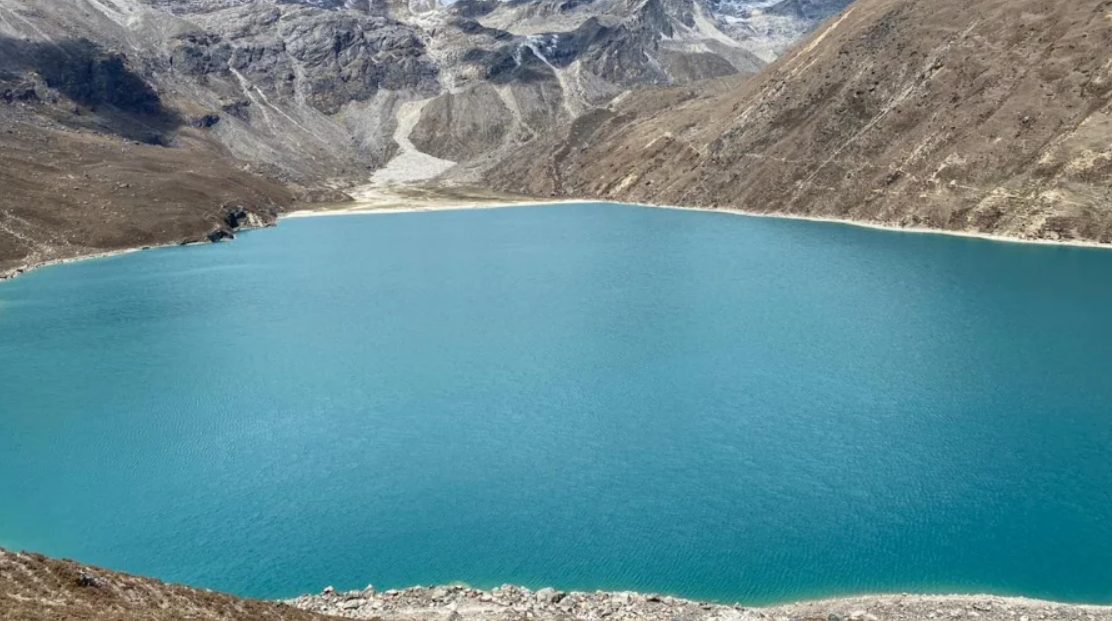
The Gokyo Lakes trek is a high-altitude adventure in the Solukhumbu region of Nepal, within the Sagarmatha National Park, a UNESCO World Heritage Site. It features a series of six main oligotrophic lakes, the highest of which, Gokyo Cho, sits at an elevation of approximately 4,790 meters (15,715 feet). The trek typically takes 10-14 days, starting with a flight to Lukla (2,860m/9,383ft) and then ascending gradually through Sherpa villages, rhododendron forests, and across rugged terrain. The highlight of the trek is undoubtedly the panoramic view from Gokyo Ri (5,357m/17,575ft), offering unparalleled vistas of Mount Everest, Lhotse, Cho Oyu, and Makalu, along with the Ngozumpa Glacier, the largest glacier in the Himalayas.
The Allure of the Gokyo Lakes
The beauty of the Gokyo Lakes is truly captivating. Imagine sitting beside pristine turquoise waters, reflecting the snow-capped peaks in their tranquil surface. Observing the ever-shifting light dance across the majestic mountains is an experience that resonates deeply. The serenity and solitude found in the Gokyo Valley offer a stark contrast to the bustling trails leading to Everest Base Camp. This trek provides a more intimate and profound connection with the Himalayas.
Key Considerations for Families
While the Gokyo Lakes trek offers an unforgettable experience, it’s vital to acknowledge the challenges it presents, especially when undertaken with children or elderly family members. Several factors must be carefully evaluated:
- Altitude: The most significant challenge is the high altitude. Acclimatization is crucial to prevent Acute Mountain Sickness (AMS).
- Trek Duration and Difficulty: The trek involves several days of continuous walking, often on uneven and steep terrain.
- Accommodation and Facilities: While teahouses are available along the route, the facilities are basic and may not meet the comfort standards of all family members.
- Weather Conditions: The weather in the Himalayas can be unpredictable, with drastic temperature fluctuations and potential for snowfall, even during the trekking season.
- Health and Fitness: A good level of physical fitness is essential for all participants.
Assessing the Suitability for Different Age Groups
Determining whether the Gokyo Lakes trek is suitable for your family requires careful consideration of each member’s age, health, and fitness level.
Trekking with Young Children (Under 10)
Trekking at high altitude with young children presents significant challenges. Children are more susceptible to altitude sickness and may have difficulty communicating their symptoms. They also require more supervision and care.
- Potential Risks: Increased risk of AMS, difficulty in regulating body temperature, and susceptibility to dehydration.
- Mitigating Factors: Consider hiring extra porters to carry children when they are tired, ensuring adequate hydration and calorie intake, and closely monitoring for signs of altitude sickness.
- Alternative Options: For families with young children, shorter and lower-altitude treks in Nepal might be more suitable, such as the Poon Hill trek or treks in the lower Everest region.
Trekking with Teenagers (13-19)
Teenagers are generally more resilient and adaptable than younger children. However, their physical fitness levels and motivation can vary greatly.
- Potential Benefits: Opportunity for personal growth, team building, and appreciation for nature.
- Potential Challenges: Boredom, lack of motivation, and susceptibility to peer pressure regarding pushing themselves too hard.
- Mitigating Factors: Involve teenagers in the planning process, set realistic goals, and ensure they have adequate support and encouragement.
Trekking with Elderly Family Members (60+)
Elderly individuals may have pre-existing health conditions that can be exacerbated by high altitude and strenuous physical activity.
- Potential Risks: Increased risk of heart problems, respiratory issues, and joint pain.
- Mitigating Factors: Consult with a doctor before the trek, choose a slower pace, allow for more rest days, and ensure access to medical assistance if needed.
- Essential Health Considerations: Pre-existing conditions should be stable and well-managed, and adequate travel insurance is vital.
Essential Preparations for a Family Trek to Gokyo Lakes
Thorough preparation is paramount for a successful and safe family trek to the Gokyo Lakes.
Physical Fitness Training
- Cardiovascular Exercise: Regular walking, jogging, swimming, or cycling to improve cardiovascular fitness.
- Strength Training: Exercises to strengthen leg muscles, such as squats, lunges, and calf raises.
- Endurance Training: Practice hiking with a weighted backpack on varied terrain.
- Altitude Simulation: If possible, spend time at higher altitudes before the trek to acclimatize.
Acclimatization Strategies
- Gradual Ascent: Ascend slowly, allowing your body to adjust to the altitude.
- Rest Days: Incorporate rest days into your itinerary at strategic locations.
- Hydration: Drink plenty of water to stay hydrated.
- Avoid Alcohol and Smoking: These substances can exacerbate altitude sickness.
- Diet: Eat a high-carbohydrate diet to provide energy.
- Monitor for Symptoms of AMS: Be aware of the symptoms of AMS, such as headache, nausea, fatigue, and dizziness. Descend immediately if symptoms worsen.
Gear and Equipment Checklist
- Clothing: Layering is crucial. Include moisture-wicking base layers, insulating mid-layers, and a waterproof outer layer.
- Footwear: Sturdy and comfortable trekking boots with good ankle support.
- Backpack: A comfortable backpack with a capacity of 40-60 liters.
- Sleeping Bag: A warm sleeping bag rated for sub-zero temperatures.
- First-Aid Kit: A comprehensive first-aid kit including medications for altitude sickness, pain relief, and digestive issues.
- Water Bottles or Hydration Reservoir: Essential for staying hydrated.
- Water Purification Tablets or Filter: To ensure access to clean drinking water.
- Sunscreen, Sunglasses, and Hat: To protect against the intense sun at high altitude.
- Headlamp or Flashlight: For navigating in the dark.
- Trekking Poles: To reduce strain on your knees.
- Camera and Binoculars: To capture the stunning scenery.
Choosing the Right Trekking Agency
Selecting a reputable and experienced trekking agency is crucial for a safe and well-organized trek.
- Research and Reviews: Read online reviews and testimonials from previous clients.
- Licensing and Accreditation: Ensure the agency is licensed and accredited by the relevant authorities.
- Experienced Guides and Porters: The agency should employ experienced guides and porters who are knowledgeable about the region and trained in first aid.
- Customizable Itineraries: The agency should be able to customize the itinerary to meet your family’s specific needs and preferences.
- Emergency Evacuation Plan: The agency should have a clear emergency evacuation plan in place.
Managing Potential Challenges on the Trek
Despite careful planning, unexpected challenges can arise on the trek.
Dealing with Altitude Sickness
- Recognition: Learn to recognize the symptoms of AMS.
- Treatment: Descend immediately if symptoms worsen. Administer medication such as Diamox if necessary (after consulting with a doctor).
- Prevention: Emphasize gradual acclimatization and hydration.
Handling Weather Changes
- Stay Informed: Monitor weather forecasts regularly.
- Be Prepared: Pack appropriate clothing and gear for all types of weather.
- Flexibility: Be prepared to adjust your itinerary if necessary.
Maintaining Hygiene and Health
- Hand Hygiene: Wash hands frequently with soap and water or use hand sanitizer.
- Food Safety: Eat at reputable teahouses and avoid eating raw or undercooked food.
- Water Safety: Drink only purified water.
- Preventing Illness: Get vaccinated against common diseases before the trek.
Making the Gokyo Lakes Trek Family-Friendly: Practical Tips
Here are some practical tips to make the Gokyo Lakes trek more enjoyable for your family:
- Pace Yourself: Trek at a slow and steady pace, allowing ample time for rest and acclimatization.
- Involve Everyone in the Planning: Engage all family members in the planning process to build excitement and ensure everyone’s needs are considered.
- Pack Snacks: Bring along a variety of snacks to keep energy levels up.
- Games and Entertainment: Pack games, books, or other forms of entertainment to keep everyone occupied during downtime.
- Capture Memories: Take plenty of photos and videos to document your adventure.
- Be Flexible: Be prepared to adjust your plans if necessary.
- Celebrate Successes: Acknowledge and celebrate milestones along the way.
Alternative Treks and Destinations for Families
If the Gokyo Lakes trek seems too challenging for your family, consider these alternative options:
- Poon Hill Trek: A shorter and lower-altitude trek with stunning views of the Annapurna and Dhaulagiri ranges.
- Lower Everest Region Trek: Explore the Sherpa villages and monasteries of the lower Everest region without reaching high altitudes.
- Annapurna Base Camp Trek (with careful planning): While higher in altitude than Poon Hill, with careful planning and acclimatization strategies this trek can be suitable for older children and teenagers with good fitness levels.
- Langtang Valley Trek: A beautiful trek through a remote valley with diverse landscapes and cultures.
Conclusion: The Gokyo Lakes Trek - A Rewarding, Yet Demanding, Family Adventure
The Gokyo Lakes trek offers an unparalleled opportunity to experience the breathtaking beauty of the Himalayas with your family. The joy of witnessing the endless mountains, observing the serene lakes, and sharing this adventure with your loved ones is an experience that will be cherished for a lifetime. However, it is crucial to acknowledge the challenges associated with high-altitude trekking and to prepare accordingly. By carefully assessing your family’s fitness levels, planning meticulously, and prioritizing safety, you can transform the Gokyo Lakes trek into a rewarding and unforgettable adventure. However, if doubts persist, exploring alternative trekking options may be the wiser choice. With thorough preparation and a realistic approach, creating unforgettable memories in the heart of the Himalayas is within reach.