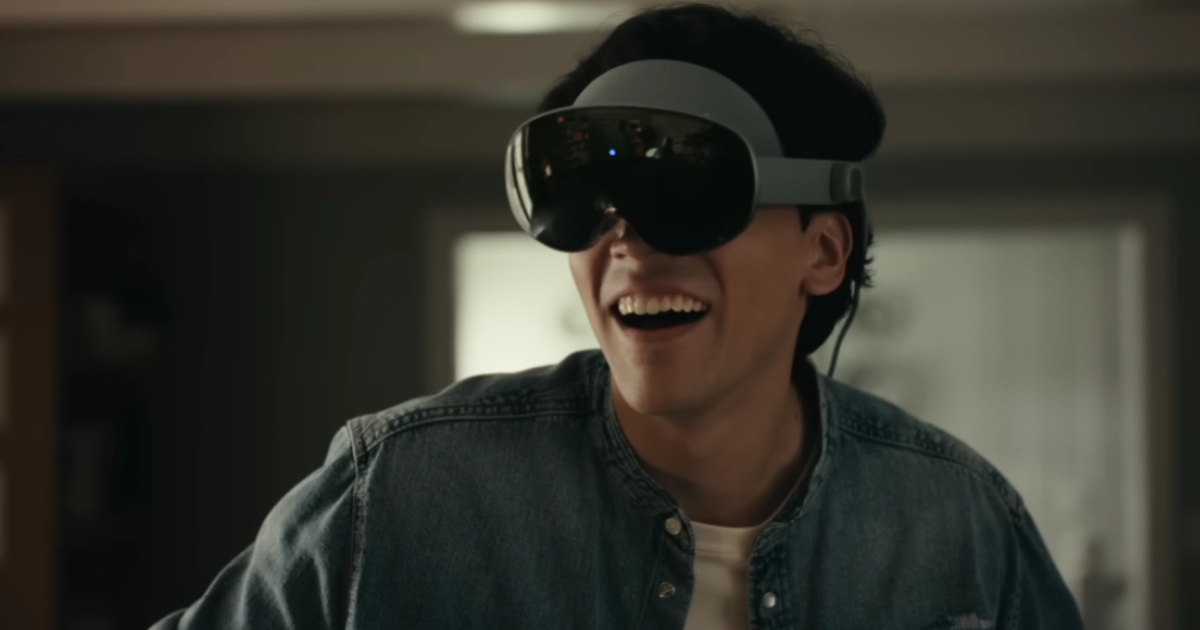
Samsung Galaxy XR: A Deep Dive into the First Android XR Headset and Its Groundbreaking Reception
The landscape of immersive technology has been irrevocably altered with the official unveiling of the Samsung Galaxy XR, a revolutionary mixed reality headset that is poised to redefine our digital and physical interactions. This groundbreaking device, a testament to the collaborative prowess of Samsung, Google, and Qualcomm Technologies, represents a significant leap forward, not only for Samsung’s own product portfolio but for the entire Android ecosystem. As the first XR headset powered by Android XR software, the Galaxy XR arrives with an unprecedented wave of anticipation and a spectrum of reactions from the tech community and eager consumers alike. At Gaming News, we have meticulously analyzed the initial response, dissecting the feature set and the overwhelming sentiment surrounding this pioneering device.
The advent of the Galaxy XR signifies a pivotal moment, marking Samsung’s assertive entry into the burgeoning XR market. For years, the realm of mixed reality has been dominated by proprietary operating systems and specialized hardware. The decision to leverage Android XR, a platform designed to unify the fragmented XR experience, suggests a strategic vision to foster broader developer adoption and a more accessible ecosystem for users. This collaboration, a powerful trifecta of industry giants, promises a cohesive and potentially scalable experience that could accelerate the mainstream adoption of XR technology. The implications for mobile gaming, productivity, and entertainment are immense, and the initial internet reaction reflects this profound excitement coupled with a healthy dose of scrutiny.
The Genesis of Innovation: Samsung’s Bold Foray into Mixed Reality
Samsung’s journey into the XR space has been a topic of intense speculation for some time. While the company has a history of innovation in displays and mobile technology, the Galaxy XR represents a bold and decisive step into a new frontier. Unlike incremental updates to existing product lines, the Galaxy XR is a clean slate, built from the ground up to harness the full potential of mixed reality. The choice to integrate deeply with Google’s Android XR platform is particularly noteworthy. This partnership signifies a commitment to an open and adaptable ecosystem, a stark contrast to the often-closed gardens of some of its competitors.
The Android XR software itself is a crucial element of the Galaxy XR’s appeal. Developed in collaboration with Google, it aims to provide a standardized and robust foundation for XR applications and experiences. This means developers can create content that, in theory, will be compatible across a range of Android XR devices, fostering a richer and more diverse library of applications. For consumers, this translates to the potential for a more seamless and unified experience, whether they are gaming, working, or simply browsing the web in an immersive environment. The integration of Google’s extensive software suite, including services like Google Search and Google Assistant, further enhances the Galaxy XR’s capabilities, promising an intuitive and intelligent user experience.
Qualcomm Technologies’ involvement is equally critical. Their expertise in mobile chipsets and advanced computing platforms is instrumental in powering the demanding processing needs of XR devices. The integration of Qualcomm’s cutting-edge silicon is expected to deliver the high performance required for fluid graphics, low latency, and complex spatial tracking, all of which are paramount for a compelling mixed reality experience. This tripartite collaboration is the bedrock upon which the Galaxy XR’s ambitious capabilities are built, and the industry is watching with bated breath to see how this synergy translates into real-world user experiences.
Unpacking the Samsung Galaxy XR: Key Features Driving Enthusiast Reactions
The excitement surrounding the Samsung Galaxy XR is not without merit, as its announced features promise to push the boundaries of what we expect from mixed reality. At the core of its functionality lies the integration with Google’s advanced services, transforming everyday mobile tasks into immersive experiences. Imagine not just browsing the web, but stepping into a 3D representation of search results, or interacting with your virtual environment using natural language commands powered by Google Assistant.
One of the most significant aspects generating buzz is the Galaxy XR’s potential for mobile gaming. The ability to seamlessly transition from playing games on a 2D screen to engaging with them in an XR environment opens up a universe of possibilities. Developers can now design games that leverage the full 360-degree spatial awareness and interactive capabilities of the headset, creating levels of immersion previously unimaginable on mobile platforms. The prospect of playing mobile games in an XR environment is a tantalizing one for gamers, promising deeper engagement and more dynamic gameplay.
Beyond gaming, the Galaxy XR is being hailed as a potential productivity powerhouse. The ability to search online within an XR interface suggests a more intuitive and efficient way to access and process information. This could manifest as virtual desktops that allow users to multitask across multiple applications in their personal space, or immersive learning modules that bring complex subjects to life. The Galaxy XR’s capabilities for productivity are being closely examined by professionals across various industries, who see the potential for a significant shift in how they work and collaborate.
The visual fidelity of the Galaxy XR is also a major talking point. While specifics on display resolution and field of view are still being analyzed by early reviewers, the expectation is that Samsung, a leader in display technology, will deliver a visually stunning experience. High-resolution displays and wide fields of view are crucial for creating believable virtual and augmented environments, minimizing screen-door effects, and enhancing the sense of presence. The early reactions often touch upon the anticipation of crisp visuals and an expansive virtual world.
Furthermore, the ergonomics and comfort of wearing an XR headset for extended periods are critical for widespread adoption. While initial impressions are still emerging, Samsung’s reputation for user-centric design suggests that the Galaxy XR will prioritize a comfortable fit. The ability to adjust the headset for extended use is a feature that many are hoping to see, as past XR devices have sometimes been criticized for their weight and bulk. The design of the Galaxy XR is therefore under intense scrutiny, with many eager to see if Samsung has managed to strike a balance between advanced technology and wearable comfort.
The Android XR Ecosystem: A New Dawn for Developers and Users
The introduction of the Samsung Galaxy XR as the first product to use the Android XR software is a monumental development for the entire extended reality landscape. For too long, developers have faced the challenge of building for disparate XR platforms, each with its own SDKs, APIs, and design philosophies. The Android XR platform promises to alleviate this fragmentation, offering a unified and standardized development environment that can significantly lower the barrier to entry for creators.
This unified Android XR experience means that developers can invest their resources in building a single application that can reach a much broader audience. This not only incentivizes more developers to enter the XR space but also leads to a more diverse and robust library of content for users. The implications for developer adoption of Android XR are profound, potentially leading to an explosion of innovative applications across gaming, education, social interaction, and professional tools.
For consumers, the benefits of the Android XR ecosystem are equally significant. The promise of seamless app integration across different Android XR devices means that users will not be locked into a particular hardware manufacturer’s closed ecosystem. This fosters greater choice and flexibility, allowing users to select the hardware that best suits their needs and budgets, while still having access to a vast and growing library of content. The accessibility of Android XR applications is a key factor that could drive mainstream adoption.
The integration of Google’s familiar services within the Android XR framework further enhances its appeal. Imagine using Google Search in XR, where search results can be visualized in three dimensions, allowing for a more intuitive and interactive way to explore information. Similarly, Google Assistant in XR could revolutionize how we control our virtual environments and access information, enabling voice commands that feel natural and responsive. This deep integration of existing, trusted services provides an immediate sense of familiarity and utility for users.
The scalability of the Android XR platform is another aspect that has generated considerable optimism. By building on the established foundation of Android, Google and Samsung are paving the way for future innovations and expansions. As the hardware capabilities of XR devices continue to advance, the Android XR software will be positioned to support increasingly sophisticated applications and experiences. This forward-looking approach suggests a long-term vision for the growth and evolution of extended reality.
The Internet’s Verdict: A Spectrum of Reactions to the Galaxy XR
The announcement of the Samsung Galaxy XR has ignited a fervent discussion across the internet, with reactions ranging from unbridled enthusiasm to cautious optimism and critical analysis. Social media platforms, tech forums, and news comment sections are abuzz with a multitude of opinions, reflecting the diverse expectations and concerns of the tech-savvy public.
A significant portion of the internet reaction to Samsung Galaxy XR has been overwhelmingly positive, particularly among early adopters and tech enthusiasts who have been eagerly awaiting Samsung’s entry into the XR market. Many express excitement about the prospect of a high-quality Android XR headset from a reputable brand like Samsung, citing the company’s proven track record in delivering innovative and well-built consumer electronics. The idea of a powerful new XR device that integrates seamlessly with the Android ecosystem has resonated deeply with those who prefer an open and versatile platform.
Gamers, in particular, have voiced considerable excitement about the potential for enhanced mobile gaming experiences. The prospect of playing mobile games in an XR environment, with greater immersion and interactivity, is a primary driver of this enthusiasm. Comments often highlight the potential for new game genres and more engaging gameplay mechanics that can be unlocked by the Galaxy XR’s advanced capabilities. The promise of immersive gaming with the Galaxy XR is a recurring theme.
However, the conversation is not without its critical voices. Some have raised concerns about the price point of the Samsung Galaxy XR, a common point of contention for any new high-end consumer electronics device. Early speculation about the cost has led to discussions about its accessibility and whether it will be perceived as a niche luxury item or a viable mainstream product. The affordability of XR technology remains a significant hurdle for widespread adoption, and the Galaxy XR’s pricing will be a crucial factor in its success.
There are also discussions surrounding the battery life and comfort of the Galaxy XR. Extended use of XR headsets can be limited by battery constraints and the physical strain of wearing a device for prolonged periods. Users are keenly interested in how Samsung has addressed these challenges, with many hoping for long-lasting battery performance and ergonomic design for comfort. The practicality of the Galaxy XR for everyday use is a key concern.
Furthermore, the effectiveness of the Android XR software is under scrutiny. While the concept of a unified platform is appealing, the actual user experience and the breadth of available applications will ultimately determine its success. Early reviewers and tech commentators are keen to see how the Android XR operating system performs in real-world scenarios, and whether it can deliver on its promise of a seamless and intuitive interface. The user interface of the Galaxy XR is therefore a focal point of anticipation.
The competition in the XR market is also a recurring topic. With established players and emerging contenders, the Galaxy XR faces a competitive landscape. The unique selling propositions of the Samsung Galaxy XR are being debated, with many wondering how it will differentiate itself from existing and upcoming XR devices. The impact of the Galaxy XR on the XR market is expected to be substantial, potentially setting new standards for performance and user experience.
Looking Ahead: The Transformative Potential of the Samsung Galaxy XR
As the initial wave of reactions subsides and the focus shifts towards the broader implications, it becomes clear that the Samsung Galaxy XR is more than just another gadget; it represents a significant inflection point in the evolution of personal computing and digital interaction. The transformative potential of the Galaxy XR is vast, promising to reshape how we engage with technology and the world around us.
The integration of Google’s cutting-edge technologies within a Samsung-designed hardware package is a powerful synergy. This collaboration has the potential to unlock a new era of intuitive XR experiences, where the lines between the digital and physical realms blur seamlessly. Whether it’s enhancing productivity with virtual workspaces, revolutionizing education through immersive learning modules, or redefining entertainment with unparalleled gaming and cinematic experiences, the Galaxy XR is positioned to be a catalyst for significant change.
The future of mobile gaming is particularly exciting to contemplate with the advent of the Galaxy XR. The ability to play Android XR games with a level of immersion that transcends traditional screens opens up avenues for gameplay that are currently unimaginable. Developers now have a robust platform to create truly next-generation gaming experiences, and consumers can look forward to a new dimension of interactive entertainment.
Beyond entertainment, the Galaxy XR’s potential to enhance everyday productivity and communication cannot be overstated. Imagine attending virtual meetings where you feel present with colleagues from around the globe, or accessing information through virtual search interfaces that are more engaging and efficient than anything seen before. The impact of the Galaxy XR on remote work and collaboration could be profound, fostering a more connected and effective global workforce.
The accessibility of the Android XR ecosystem is a critical factor that will determine the long-term success of the Galaxy XR. By offering a more open and standardized platform, Samsung and Google are paving the way for wider developer adoption and a more diverse range of applications. This, in turn, will lead to greater consumer choice and a more compelling overall XR experience. The growth of the XR application market is directly linked to the success of platforms like Android XR.
As we move forward, the Samsung Galaxy XR stands as a testament to the power of innovation and collaboration. It is a device that not only pushes the boundaries of current technology but also lays the foundation for the future of computing. The next generation of XR devices will undoubtedly be influenced by the pioneering work embodied in the Galaxy XR, setting new benchmarks for performance, user experience, and immersive capabilities. The internet’s reaction, while varied, underscores the profound interest and anticipation surrounding this device, signaling a new chapter in the ongoing story of extended reality.