Dan Houser’s Personal Turmoil: The Unseen Engine Behind Grand Theft Auto IV’s Grim Narrative
At Gaming News, we delve deep into the psyche of game development, exploring the profound connections between creators and their celebrated works. The genesis of a game’s narrative is a complex tapestry woven from countless threads, and sometimes, the most potent influences stem from the personal lives of its architects. Recent revelations from Dan Houser, the acclaimed co-founder of Rockstar Games, offer a compelling glimpse into the raw, untamed emotions that fueled the creation of Grand Theft Auto IV (GTA IV), a title renowned for its stark departure from the series’ more flamboyant predecessors. Houser’s candid admission that his own “single and miserable” existence in the heart of New York City served as the primary catalyst for the game’s undeniably dark and brooding storyline provides an invaluable lens through which to re-examine one of gaming’s most impactful narratives. This piece aims to comprehensively explore this connection, dissecting how Houser’s personal struggles, amplified by the relentless energy and isolating nature of his urban environment, directly translated into the bleak, introspective, and morally ambiguous world of Niko Bellic.
The Genesis of Gloom: Dan Houser’s New York State of Mind
The narrative of Grand Theft Auto IV is often cited as a watershed moment for the series, marking a significant shift towards a more mature, character-driven exploration of the American Dream’s underbelly. While the game’s critical and commercial success is undeniable, understanding the emotional bedrock upon which its story was built offers a profound new appreciation for its artistic merit. Dan Houser, the primary architect of Rockstar’s narrative ambitions, has openly discussed the period leading up to and during the development of GTA IV. His poignant description of being “single and miserable” in New York City is not merely an anecdotal aside; it represents a profound thematic wellspring that directly informed the game’s central protagonist, Niko Bellic, and the desolate landscape he navigates.
The city of New York itself, a vibrant yet often unforgiving metropolis, served as more than just a backdrop for GTA IV. It became a character in its own right, a sprawling concrete jungle reflecting the internal turmoil of its inhabitants. For Houser, living in this environment without the anchor of personal companionship likely amplified feelings of isolation and disillusionment. This pervasive sense of loneliness, coupled with the raw, visceral energy of the city, created a fertile ground for the themes of alienation, desperation, and the elusive nature of happiness that permeate Niko’s journey. The relentless pace, the towering structures that dwarf individuals, and the constant hum of activity that can paradoxically lead to profound solitude all contributed to a narrative steeped in a palpable sense of existential ennui.
Houser’s admission is a testament to the power of autobiographical resonance in creative endeavors. When a creator imbues their work with their own lived experiences, the resulting art often possesses an authentic emotional weight that resonates deeply with audiences. In the case of GTA IV, this connection between Houser’s personal state and Niko Bellic’s narrative arc is remarkably direct. The melancholy, the disillusionment, and the underlying anger that Houser admits to experiencing are all palpable within Niko’s character.
The Persona of Niko Bellic: A Mirror to Melancholy
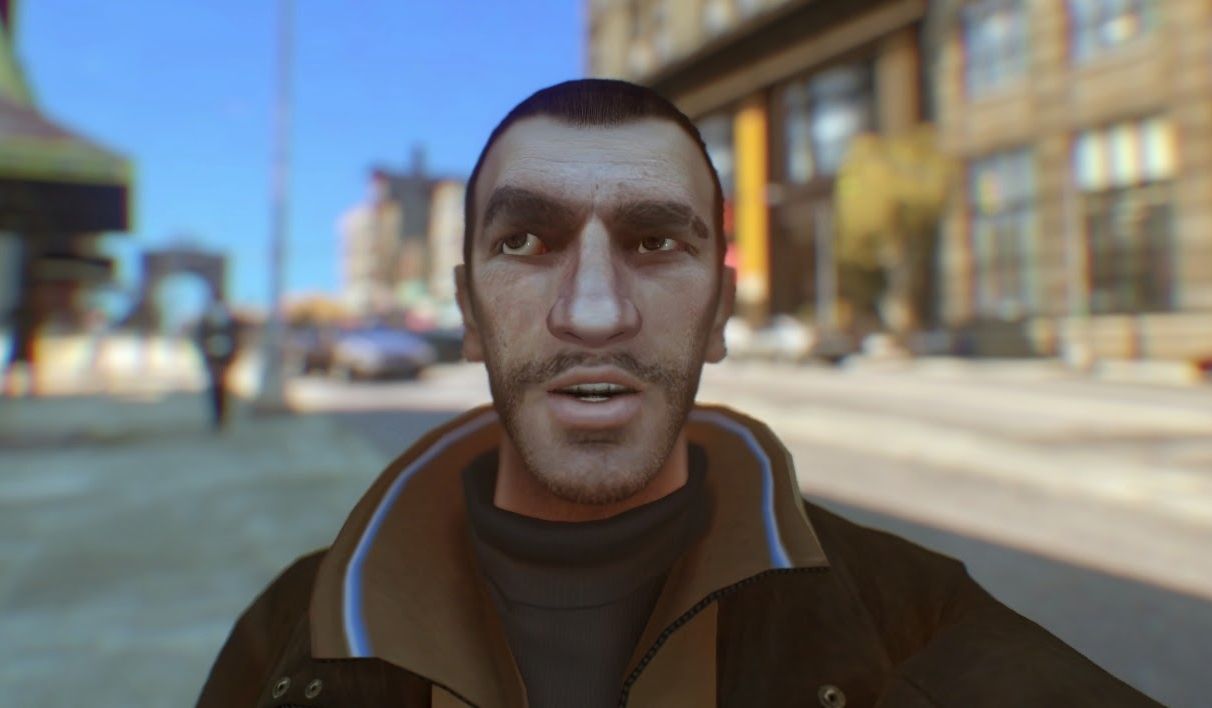
Niko Bellic, the Serbian war veteran seeking a new life in Liberty City, is far from the ostentatious caricatures that often populated earlier GTA titles. He is a man haunted by his past, driven by a desperate hope for a better future that seems perpetually out of reach. His stoicism, his weariness with violence, and his cynicism towards the promises of the American Dream are all deeply rooted in a profound sense of disillusionment. This disillusionment, we now understand, was a direct reflection of Dan Houser’s own emotional landscape during the game’s formative stages.
The narrative of Niko Bellic is characterized by a relentless pursuit of success and security, a pursuit that is constantly undermined by betrayal, corruption, and the inherent violence of the world he inhabits. His interactions are often fraught with suspicion, and his moments of fleeting happiness are invariably overshadowed by the grim realities of his existence. This unrelenting cycle of hope and despair mirrors the internal struggle of someone feeling lost and adrift in a vast, indifferent urban environment. The quest for “making it” in America, a cornerstone of the American Dream, is presented in GTA IV not as a triumphant ascent, but as a grimy, often brutal struggle for survival, a struggle amplified by the protagonist’s personal desolation.
The decision to focus on Niko’s internal monologue and his desire for redemption, however fragile, was a deliberate departure from the more anarchic and often gratuitous violence of previous entries. This narrative choice was heavily influenced by Houser’s personal feelings of isolation. When one is feeling profoundly alone, the internal world often becomes more prominent, and the external world can appear more threatening and less inviting. This introspective quality is what makes Niko Bellic such a compelling and tragically relatable character. His quest for meaning in a seemingly meaningless world is a universal theme, but it is rendered with a particular potency due to its direct lineage from the creator’s own emotional struggles.
The City as an Amplifier: New York’s Grim Embrace
New York City, with its iconic skyline and pulsating energy, is often romanticized as the ultimate destination for opportunity and success. However, for those experiencing profound personal hardship, the city can also be a place of intense pressure, anonymity, and overwhelming loneliness. Dan Houser’s experience of being “single and miserable” in this environment undoubtedly shaped his perception of the city, transforming it from a beacon of hope into a crucible of despair for his narrative.
The dense urban landscape of Liberty City in GTA IV is designed to feel both alive and suffocating. The cacophony of sirens, the incessant traffic, and the towering buildings that obscure the sky all contribute to an atmosphere of perpetual unease. This is a city where individuals can easily become lost in the crowd, where their struggles can go unnoticed, and where the pursuit of happiness can feel like an arduous, Sisyphean task. Houser’s personal feelings of isolation likely amplified these perceptions, leading to the creation of a world that felt as bleak and unforgiving as his own perceived reality.
The pervasive corruption and moral decay that are central to GTA IV’s narrative also find their roots in this urban crucible. In a city teeming with ambition and desperation, the lines between right and wrong often blur. The allure of quick riches and the temptation of illicit activities become more pronounced when individuals feel they have little to lose. Niko’s descent into the criminal underworld, while driven by his past and his immediate needs, is also a reflection of the environment he finds himself in. The city’s inherent darkness acts as an amplifier, exacerbating the protagonist’s existing vulnerabilities and pushing him further down a path of violence and moral compromise.
The “Very Young and Very Angry” Mentality: A Primal Driving Force
Beyond the specificities of his romantic status, Dan Houser’s description of being “very young and very angry” during this formative period offers further insight into the raw, visceral energy that underpins GTA IV’s narrative. This potent combination of youthful exuberance and simmering resentment is a powerful engine for creative output, particularly when channeled into a medium as expansive and dynamic as a Grand Theft Auto game.
The anger Houser felt likely manifested in a profound dissatisfaction with societal norms, a questioning of authority, and a raw, unflinching portrayal of the darker aspects of human nature. This is not the polished, intellectual anger of a seasoned critic, but the visceral, primal rage of someone struggling to find their place and feeling disenfranchised. This raw emotion translates directly into the gritty realism and often brutal depiction of violence within GTA IV. The game doesn’t shy away from the consequences of actions, nor does it romanticize the criminal lifestyle. Instead, it presents it with a stark, almost unblinking honesty that is born from a deeply felt sense of disillusionment.
The “very young” aspect speaks to a certain boldness and perhaps a lack of inhibition that can be characteristic of early creative endeavors. When one is young and driven by strong emotions, there is often a willingness to push boundaries and explore uncomfortable truths without the same level of self-censorship that might develop with age and experience. This fearless exploration of taboo subjects and morally gray areas is a hallmark of GTA IV and is undoubtedly a product of Houser’s unvarnished emotional state. The passion and intensity that come with being young and angry are channeled into every aspect of the game, from the dialogue and character motivations to the overall tone and atmosphere.
Beyond the Headlines: Deeper Thematic Resonance
The direct link between Dan Houser’s personal life and the narrative of Grand Theft Auto IV offers a compelling case study in the symbiotic relationship between creator and creation. However, the brilliance of GTA IV lies not solely in its autobiographical roots, but in how these personal experiences were transmuted into universal themes that resonate with a global audience. The darkness of the story is not just a reflection of Houser’s mood; it is a profound exploration of fundamental human struggles.
The Elusiveness of the American Dream
At its core, GTA IV is a searing critique of the American Dream. Niko Bellic arrives in Liberty City with the hope of escaping his troubled past and building a better future. He seeks financial security, respect, and a sense of belonging. Yet, his journey is a constant struggle against corruption, betrayal, and the moral compromises required to survive in a system that seems designed to exploit rather than uplift. Houser’s own feelings of isolation and frustration in New York City likely provided him with a unique perspective on the often-illusory promises of this dream, a perspective he masterfully translated into Niko’s narrative arc. The game asks profound questions about what it truly means to succeed and whether the pursuit of material wealth comes at the cost of one’s soul. The disillusionment with the promise of opportunity is palpable, a direct echo of a creator grappling with his own sense of displacement and unfulfilled aspirations.
Alienation and Isolation in the Modern Metropolis
The modern urban environment, particularly a city as vast and impersonal as New York, can be a breeding ground for feelings of alienation and isolation. Dan Houser’s admission of being “single and miserable” directly amplifies this theme within GTA IV. Niko Bellic, despite being surrounded by a sea of people, often finds himself profoundly alone. His connections are forged through necessity and often prove to be fragile and transactional. The game vividly portrays the paradox of being in a densely populated area yet feeling utterly disconnected from others. The constant hum of activity can serve to mask individual suffering, and the anonymity of the city can make it difficult to forge genuine human bonds. This exploration of loneliness in a hyper-connected world is a prescient commentary that continues to resonate with players today.
The Weight of the Past and the Futility of Escape
Niko Bellic is a man burdened by his past, a past steeped in war and violence. His attempts to escape this history and forge a new identity in America are constantly thwarted by the unresolved trauma and the lingering consequences of his actions. This theme of the inescapable past is a powerful undercurrent in GTA IV, reflecting a universal human struggle. Houser’s own feelings of being trapped, perhaps by his circumstances or his emotional state, likely informed this aspect of the narrative. The game suggests that while we may seek to outrun our past, its shadows often linger, influencing our present and shaping our future. The cycle of violence and regret that defines Niko’s journey is a stark reminder that true escape often requires confronting rather than fleeing one’s demons.
GTA IV’s Enduring Legacy: A Masterclass in Narrative Design
The revelation of Dan Houser’s personal struggles as a driving force behind Grand Theft Auto IV’s dark narrative does not diminish the game’s artistic achievement; rather, it deepens our understanding and appreciation of its profound impact. The rawness of emotion, the stark realism, and the unflinching exploration of complex themes are all testaments to the power of personal experience in creative storytelling.
The melancholy, the anger, and the profound sense of isolation that Houser experienced in New York City were not just biographical footnotes; they were the very sinews of the narrative he wove. The world of Liberty City, with its inherent darkness and unforgiving nature, became a mirror to his internal state, and Niko Bellic’s journey became a poignant exploration of the elusive nature of happiness, the corrosive effects of corruption, and the enduring weight of one’s past.
The “single and miserable” narrative of its creator, coupled with the “very young and very angry” disposition, forged a game that transcended mere entertainment. It became a powerful piece of art, a starkly honest portrayal of the human condition that continues to captivate and provoke thought. By bravely sharing these personal insights, Dan Houser has not only provided invaluable context for GTA IV’s Grim Storytelling but has also underscored the profound connection between our lived experiences and the worlds we choose to create. This level of narrative depth and emotional authenticity is what elevates a game from a product to a lasting cultural artifact, and it is this very quality that we at Gaming News celebrate and dissect. The legacy of GTA IV is, in many ways, the legacy of a creator bravely confronting his own inner turmoil and translating it into a universally resonant masterpiece. The darkness was not an arbitrary choice; it was an unavoidable byproduct of a deeply personal and intensely felt experience, meticulously crafted into one of gaming’s most compelling narratives.