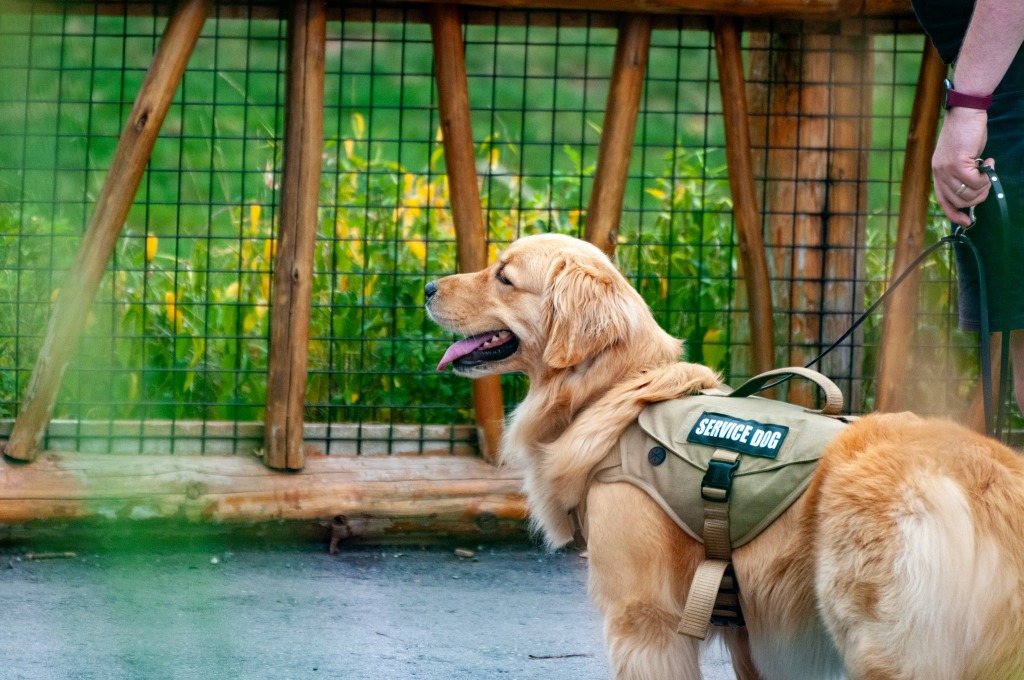
How to Train a Service Dog for Anxiety: A Comprehensive Guide
Anxiety, a pervasive mental health condition affecting millions, often co-occurs with other challenges like depression and loneliness. While traditional treatments like medication and therapy are crucial, a service dog can offer an invaluable layer of support and coping mechanisms. This comprehensive guide explores the intricacies of training a service dog for anxiety, covering essential aspects from initial assessment to ongoing maintenance.
Understanding Anxiety and the Role of a Service Dog
Anxiety disorders encompass a range of conditions, including generalized anxiety disorder (GAD), panic disorder, social anxiety disorder, and specific phobias. These conditions manifest through various symptoms, such as excessive worry, restlessness, difficulty concentrating, physical tension, and panic attacks. The impact on daily life can be significant, affecting work, relationships, and overall well-being.
A service dog trained to mitigate anxiety offers multifaceted support. These dogs are not merely pets; they are working animals specifically trained to perform tasks that directly assist individuals with disabilities. In the context of anxiety, these tasks can include:
- Deep Pressure Therapy (DPT): Applying gentle, sustained pressure to the chest or lap to reduce anxiety symptoms.
- Tactile Stimulation: Providing calming tactile input through nudging, pawing, or licking.
- Medication Reminders: Prompting the handler to take medication at specific times.
- Grounding: Helping the handler focus on the present moment during periods of heightened anxiety.
- Alerting to Panic Attacks: Recognizing pre-panic attack cues and providing early warnings.
- Creating a Buffer Zone: Providing personal space in crowded or overwhelming environments.
- Leading to Safety: Guiding the handler to a safe location during a panic attack or episode of severe anxiety.
- Interrupting Repetitive Behaviors: Redirecting compulsive behaviors associated with anxiety.
- Retrieving Items: Fetching medication, water, or other essential items during an anxiety episode.
Determining Suitability: Is a Service Dog Right for You?
Before embarking on the training process, it’s crucial to determine if a service dog is the right choice. Consider the following factors:
- Severity of Anxiety: A service dog is most beneficial for individuals with moderate to severe anxiety that significantly impacts their daily life.
- Commitment to Training: Training a service dog requires significant time, effort, and financial resources.
- Lifestyle Considerations: Assess your living situation, travel habits, and social interactions. A service dog needs appropriate space, exercise, and socialization opportunities.
- Financial Stability: Owning a service dog entails ongoing expenses for food, veterinary care, grooming, and training.
- Support System: Having a supportive network of family, friends, or mental health professionals is invaluable throughout the training process.
- Physical Abilities: You must be physically capable of handling and caring for a dog, including providing exercise, grooming, and managing their behavior.
- Allergies: Consider any potential allergies to dogs that you or members of your household may have.
Consulting with a mental health professional and a qualified service dog trainer can provide valuable insights and help you make an informed decision.
Choosing the Right Dog: Breed and Temperament
Selecting the appropriate dog is paramount to successful training. While certain breeds are known for their trainability and temperament, individual characteristics are equally important.
- Common Breeds: Popular breeds for anxiety service dogs include Labrador Retrievers, Golden Retrievers, Poodles (Standard), and German Shepherds. These breeds are generally intelligent, eager to please, and possess a calm demeanor.
- Temperament is Key: Regardless of breed, the dog should exhibit a stable temperament, including:
- Calmness: The ability to remain calm and composed in various environments.
- Confidence: The ability to handle novel situations without excessive fear or anxiety.
- Trainability: A willingness to learn and follow commands.
- Affection: A natural inclination to bond with and provide comfort to their handler.
- Socialization: The ability to interact appropriately with people and other animals.
- Age Considerations: Puppies require extensive socialization and training, while adult dogs may have pre-existing behavioral patterns. Consider your experience level and ability to commit to the necessary training.
- Rescue vs. Breeder: While adopting a rescue dog can be rewarding, obtaining a dog from a reputable breeder specializing in service dog lines may increase the likelihood of finding a suitable candidate. Breeders often conduct temperament testing and health screenings to ensure the dogs are well-suited for service work.
Training Methods: A Step-by-Step Approach
Training a service dog for anxiety is a multi-faceted process that requires consistency, patience, and positive reinforcement. The training curriculum typically encompasses:
Basic Obedience: Establishing a strong foundation of obedience commands, including sit, stay, down, come, heel, and leave it.
Socialization: Exposing the dog to a wide range of environments, people, and animals to promote confidence and adaptability.
Public Access Training: Training the dog to behave appropriately in public settings, such as stores, restaurants, and transportation. This includes teaching them to ignore distractions, walk politely on a leash, and remain calm in crowded areas.
Task-Specific Training: Teaching the dog specific tasks to mitigate the handler’s anxiety symptoms. This may involve:
- Deep Pressure Therapy (DPT): Training the dog to lie across the handler’s lap or chest upon command or when sensing anxiety cues. This can be achieved by rewarding the dog for settling in the desired position and gradually increasing the duration.
- Alerting to Panic Attacks: Teaching the dog to recognize pre-panic attack cues, such as increased heart rate, rapid breathing, or restlessness. The dog can be trained to alert the handler by nudging, pawing, or barking softly.
- Grounding: Training the dog to provide tactile stimulation, such as licking the handler’s hand or face, to help them focus on the present moment.
- Medication Reminders: Training the dog to bring the medication container or nudge the handler at specific times to remind them to take their medication.
- Creating a Buffer Zone: Training the dog to stand between the handler and other people to create personal space. This can be achieved by teaching the dog to stand in a specific position and rewarding them for maintaining that position.
- Leading to Safety: Training the dog to guide the handler to a designated safe location during a panic attack or episode of severe anxiety.
Positive Reinforcement: Using rewards, such as treats, praise, and toys, to motivate the dog and reinforce desired behaviors. Avoid punishment-based methods, as they can damage the dog’s confidence and create anxiety.
Consistency is Key: Consistency is paramount to successful training. Practice commands and tasks regularly in various environments to generalize the dog’s skills.
Seeking Professional Guidance
While it is possible to train a service dog independently, working with a certified service dog trainer or organization can significantly enhance the training process. Professionals can provide expert guidance, assess the dog’s suitability for service work, and tailor the training program to the handler’s specific needs.
Public Access and Legal Considerations
Service dogs are granted specific legal protections under the Americans with Disabilities Act (ADA). These protections allow service dogs to accompany their handlers in most public places, even where pets are typically prohibited.
- Understanding the ADA: Familiarize yourself with the ADA guidelines regarding service dogs. Under the ADA, a service dog is defined as a dog that has been individually trained to do work or perform tasks for an individual with a disability.
- Permitted Inquiries: Businesses are only allowed to ask two questions to determine if a dog is a service animal:
- Is the dog required because of a disability?
- What work or task has the dog been trained to perform?
- Documentation: While the ADA does not require service dogs to be certified or registered, carrying documentation from a training organization or a healthcare professional can be helpful in explaining the dog’s role.
- Behavioral Expectations: Service dogs must be well-behaved and under the handler’s control at all times. Disruptive behavior, such as excessive barking or aggression, can result in the dog being asked to leave a public place.
- State and Local Laws: Be aware of any state or local laws that may apply to service dogs in your area. Some states may have additional regulations regarding vaccination requirements or registration.
Maintaining Training and Addressing Challenges
Ongoing maintenance is crucial to ensure the service dog remains proficient in their tasks and maintains appropriate behavior.
- Regular Practice: Continue practicing commands and tasks regularly to reinforce the dog’s skills.
- Continued Socialization: Continue exposing the dog to various environments to maintain their confidence and adaptability.
- Addressing Behavioral Issues: Address any behavioral issues promptly and effectively. Consult with a qualified trainer or behaviorist if needed.
- Recognizing Stress Signals: Learn to recognize signs of stress or fatigue in your service dog. Provide them with breaks and opportunities to rest.
- Veterinary Care: Ensure your service dog receives regular veterinary care, including vaccinations, parasite prevention, and routine checkups.
- Grooming: Maintain your service dog’s hygiene through regular grooming. This includes brushing, bathing, and nail trimming.
Retirement Considerations
As service dogs age, they may develop health problems or cognitive decline that can impact their ability to perform their tasks effectively. Plan for your service dog’s retirement and consider the following:
- Gradual Transition: Gradually reduce the dog’s workload as they age.
- Finding a Companion Animal: Consider adding a younger dog to the household to provide companionship and assist with tasks.
- Continuing Care: Ensure the retired service dog continues to receive proper care and attention.
The Bond and the Benefits: A Final Word
Training a service dog for anxiety is a challenging but incredibly rewarding endeavor. The bond formed between handler and dog is often profound, providing unwavering support and companionship. While the training process requires significant commitment, the potential benefits for individuals struggling with anxiety are immeasurable. The increased independence, reduced anxiety symptoms, and improved quality of life make a service dog an invaluable partner in navigating the challenges of living with anxiety.