GTA and Fallout: An Inevitable Convergence on American Identity in Gaming
The landscape of open-world gaming is dominated by titans: Grand Theft Auto (GTA), a satirical crime epic, and Fallout, a post-apocalyptic RPG drenched in retro-futurism. Both franchises, despite their vastly different settings and gameplay mechanics, share a crucial, often overlooked element: a deeply ingrained connection to American culture and identity. Recently, comments from Dan Houser, co-founder of Rockstar Games, have further illuminated this connection, echoing sentiments previously expressed by Bethesda developers. This convergence suggests that both GTA and Fallout are inextricably linked to exploring the nuances, contradictions, and dark humor inherent in the American experience. We believe that the continued success and relevance of these franchises depend on their ability to delve deeper into these themes.
The Unbreakable Bond: Why America is the True Protagonist of GTA
For many, Grand Theft Auto is synonymous with chaotic open-world mayhem. However, beneath the surface of car chases and criminal escapades lies a biting social commentary, a brutal satire of American society. The cities of GTA, meticulously crafted parodies of real-world locations like Los Angeles (Los Santos), Miami (Vice City), and New York City (Liberty City), are not merely backdrops; they are characters in their own right, each with its own distinct personality and history.
Satire as Social Commentary: Exposing the Underbelly of the American Dream
Rockstar Games has consistently used satire to expose the underbelly of the American Dream. GTA V, for example, lampoons consumerism, celebrity culture, and the relentless pursuit of wealth in Los Angeles. The game’s characters, often caricatures of real-life figures, embody the excesses and contradictions of American society. From corrupt politicians to vapid social media influencers, GTA doesn’t shy away from skewering the figures who shape the national narrative. This satirical edge is not merely for comedic effect; it’s a crucial element of the franchise’s storytelling, forcing players to confront uncomfortable truths about American society. The criminal element, the rampant corruption, and the superficiality of many characters mirror and exaggerate aspects of real-world American life, making the game both entertaining and thought-provoking.
Geographic Identity: Cities as Characters in the GTA Universe
Each GTA city is meticulously designed to reflect the unique cultural and historical identity of its real-world counterpart. Vice City, with its 1980s aesthetic and drug-fueled underworld, perfectly captures the excesses and glamour of Miami during that era. Los Santos, with its sprawling urban landscape and celebrity-obsessed culture, is a near-perfect parody of Los Angeles. Liberty City, a grimy and corrupt metropolis, mirrors the challenges and complexities of New York City. This attention to detail extends beyond mere aesthetics. The radio stations in GTA feature music, talk shows, and commercials that are specific to each city, further immersing players in the game’s world. Even the pedestrian dialogue reflects the unique character of each location, adding another layer of authenticity to the experience.
Houser’s Insight: The Importance of American Authenticity
Dan Houser’s comments highlight the importance of maintaining this American authenticity. The GTA franchise is not just about crime; it’s about exploring the specific ways in which crime manifests itself within the American context. The game’s characters, stories, and settings are all deeply rooted in American culture, and any attempt to move away from this foundation would risk losing the franchise’s unique identity. He argued that the humor and satire in GTA only work because they are grounded in a recognizable American reality.
Fallout’s Americana: Reimagining the Post-Apocalyptic Frontier
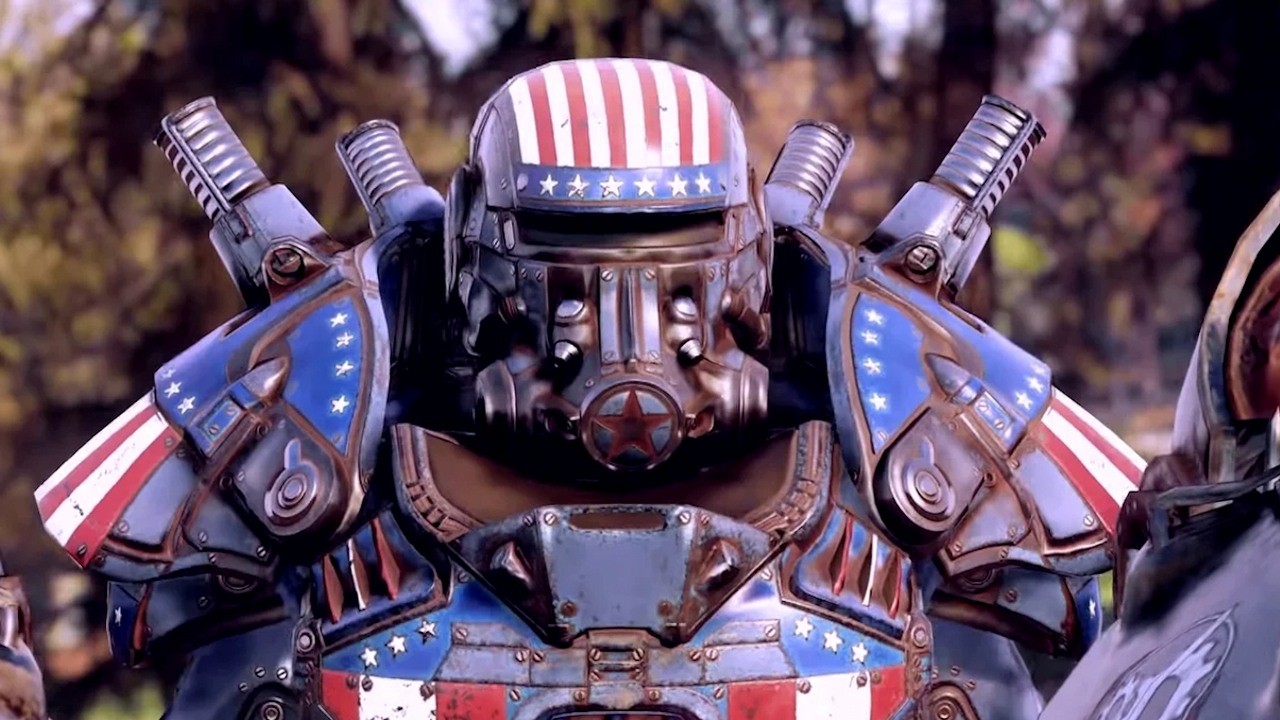
While GTA focuses on the present-day, or a slightly exaggerated version of it, Fallout explores a post-apocalyptic future heavily influenced by 1950s Americana. The game’s aesthetic, technology, and social structures are all deeply rooted in this retro-futuristic vision of America. From the sleek lines of pre-war cars to the cheerful jingles on the radio, Fallout creates a unique and unsettling world where the optimism of the 1950s is juxtaposed with the harsh realities of nuclear annihilation.
Retro-Futurism and Social Commentary: Examining the Ideals and Flaws of Mid-Century America
The retro-futuristic setting of Fallout is not merely a stylistic choice; it’s a deliberate attempt to examine the ideals and flaws of mid-century America. The game explores themes of consumerism, Cold War paranoia, and the dangers of unchecked technological advancement. The pre-war world of Fallout, with its gleaming skyscrapers and promises of a utopian future, serves as a cautionary tale about the potential consequences of these trends. The Vaults, underground shelters designed to protect citizens from nuclear fallout, are a particularly potent symbol of this paranoia. Each Vault was subjected to twisted social experiments, highlighting the dangers of government overreach and the fragility of human morality.
The Wasteland as a Reflection of American Resilience and Despair
The post-apocalyptic wasteland of Fallout is a harsh and unforgiving environment, but it’s also a place of resilience and hope. The survivors of the Great War have rebuilt society from the ashes, creating new communities and cultures. However, the wasteland is also rife with danger, from mutated creatures to raiders and slavers. This constant struggle for survival reflects the darker aspects of the American spirit, the willingness to do whatever it takes to survive in a hostile environment. The conflicts between different factions, such as the Brotherhood of Steel, the Enclave, and the New California Republic, further illustrate the complexities of rebuilding society in the wake of a catastrophe.
Bethesda’s Vision: Preserving the Core Themes of the Fallout Universe
Bethesda’s stewardship of the Fallout franchise has focused on preserving these core themes. While the gameplay and graphics have evolved over time, the fundamental elements of the Fallout universe – the retro-futuristic aesthetic, the social commentary, and the exploration of American identity – have remained constant. Games like Fallout 4 and Fallout 76 continue to explore these themes in new and innovative ways, ensuring that the franchise remains relevant to modern audiences. The choice of locations, like Boston and West Virginia, further grounds the games in specific American landscapes and historical contexts.
The Shared DNA: Why GTA and Fallout Cannot Escape America
Despite their different settings and gameplay mechanics, GTA and Fallout share a common DNA: a deep engagement with American culture and identity. Both franchises use their respective worlds to explore the nuances, contradictions, and dark humor of the American experience.
American Exceptionalism, Parody, and Critique: Themes That Define Both Franchises
Both GTA and Fallout offer a critical perspective on American exceptionalism, often highlighting the hypocrisy and contradictions inherent in the national narrative. GTA uses satire to expose the dark side of the American Dream, while Fallout explores the consequences of unchecked ambition and technological hubris. However, both franchises also celebrate the resilience and ingenuity of the American spirit. The characters in GTA, despite their flaws, often embody a rebellious and independent spirit, while the survivors in Fallout demonstrate an unwavering determination to rebuild society in the face of adversity.
The Importance of Authenticity and Relevance: Why Both Franchises Must Stay True to Their Roots
For both GTA and Fallout, maintaining authenticity is crucial to their continued success. Players are drawn to these franchises because they offer a unique and compelling vision of America, one that is both entertaining and thought-provoking. Any attempt to move away from this foundation would risk alienating fans and diluting the franchise’s core identity. Both Rockstar Games and Bethesda understand this, and their continued commitment to exploring American themes is a testament to the enduring power of these franchises. The developers recognize that these games are more than just entertainment; they are cultural artifacts that reflect and shape our understanding of American identity.
Looking Ahead: The Future of American Identity in GTA and Fallout
As American society continues to evolve, GTA and Fallout have the opportunity to explore new and relevant themes. The challenges facing America today, from political polarization to economic inequality, offer fertile ground for satire and social commentary.
Addressing Contemporary Issues: How GTA and Fallout Can Remain Relevant in a Changing World
GTA could explore the impact of social media on American culture, the rise of fake news, and the growing divide between the rich and the poor. Fallout could examine the long-term consequences of climate change, the ethical implications of artificial intelligence, and the challenges of rebuilding a fractured society. By addressing these contemporary issues, both franchises can remain relevant to modern audiences and continue to provoke meaningful conversations about the state of America.
The Enduring Appeal of the American Story: Why GTA and Fallout Will Continue to Captivate Audiences
Ultimately, the enduring appeal of GTA and Fallout lies in their ability to tell compelling stories about the American experience. Whether it’s the satirical portrayal of modern-day Los Angeles or the post-apocalyptic reimagining of 1950s America, both franchises offer a unique and captivating vision of the nation’s past, present, and future. As long as they remain true to their roots, GTA and Fallout will continue to captivate audiences for years to come. The stories they tell are not just about crime and survival; they are about the human condition, the search for meaning, and the enduring power of the American spirit.
By focusing on these core themes, we believe that GTA and Fallout can not only maintain their position as the kings of open-world gaming but also become even more relevant and impactful in the years to come.