Forza Horizon 6 Officially Confirmed: A 2026 Japanese Adventure Awaits
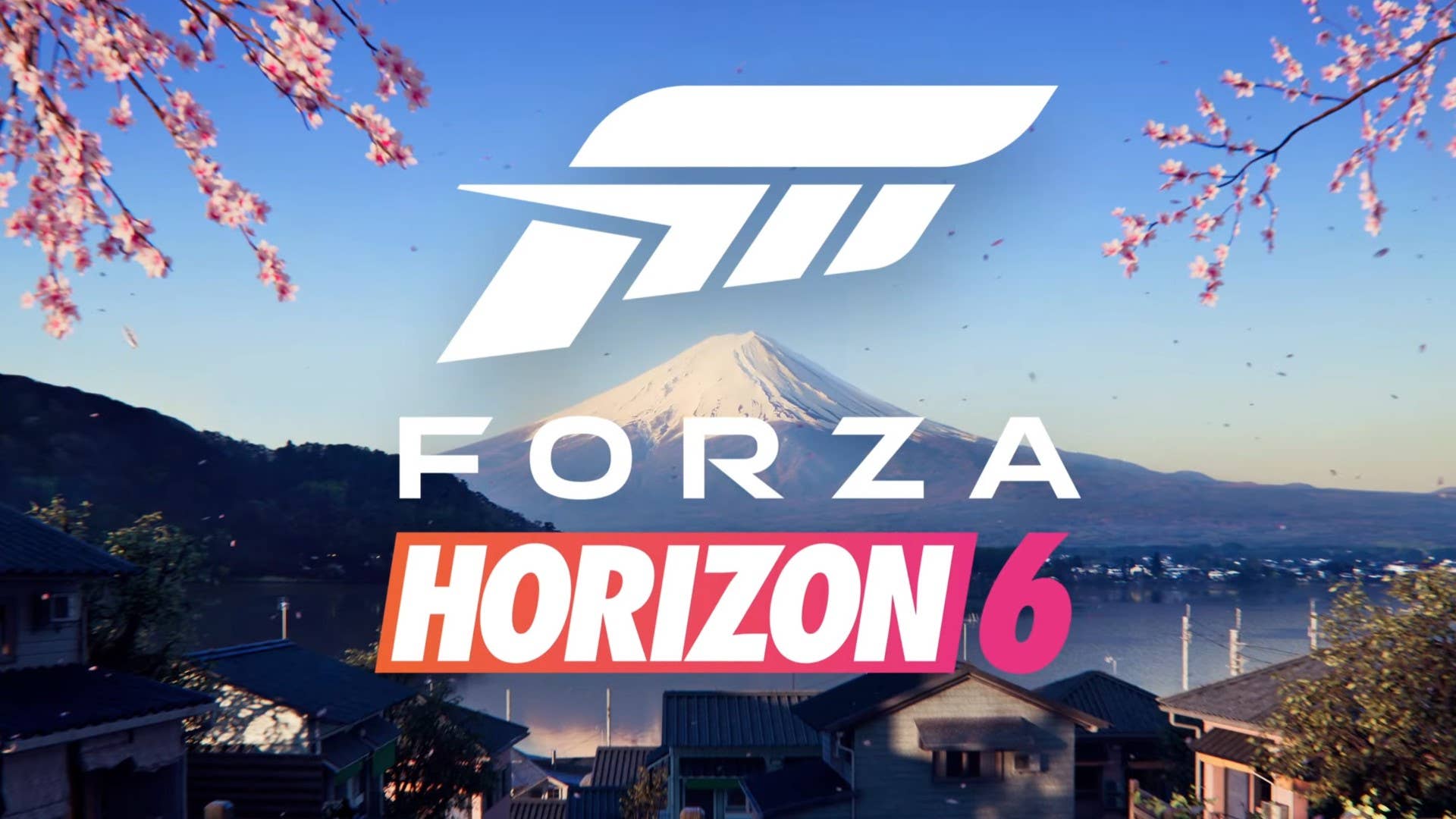
The automotive gaming world has been buzzing, and today, that buzz has officially crescendoed into a roar. Forza Horizon 6’s Japan setting and 2026 launch have been formally confirmed by Microsoft, a monumental announcement that arrived amidst the electrifying atmosphere of the Tokyo Game Show. This confirmation, following a wave of tantalizing leaks, paints a vivid picture of the next iteration of the beloved open-world racing franchise, promising an unparalleled journey through the heart of Japanese car culture and breathtaking landscapes. While concrete gameplay footage remains elusive for now, the confirmation itself, accompanied by a striking visual representation of Mount Fuji, serves as a powerful declaration of intent from the development team, setting a new benchmark for anticipation.
The All-Encompassing Embrace of Japan: A Setting Ripe for Exploration
The choice of Japan as the setting for Forza Horizon 6 is nothing short of inspired. This nation, a veritable mecca for automotive enthusiasts, offers an incredibly diverse tapestry of environments and experiences that are practically tailor-made for the Horizon Festival. From the neon-drenched, bustling metropolises of Tokyo, where sleek supercars can navigate intricate urban sprawls, to the serene and winding mountain passes of the Japanese Alps, providing exhilarating drives through picturesque natural beauty, the potential for varied and engaging gameplay is immense.
We can envision the iconic touge roads, famous for their tight corners and demanding ascents, becoming a proving ground for drift enthusiasts. The sprawling bullet train networks can serve as inspiration for high-speed circuit-like experiences, albeit integrated seamlessly into the open world. Furthermore, the rich history of Japanese automotive manufacturing, from the legendary JDM (Japanese Domestic Market) legends to the cutting-edge hypercars of today, will undoubtedly be a central pillar of the game’s car roster. Imagine the thrill of unleashing a pristine Nissan Skyline GT-R V-Spec II Nür on a coastal highway, or the visceral experience of pushing a Toyota Supra across a vast, open landscape.
The developers have the opportunity to meticulously recreate the distinct architectural styles, the vibrant street art, and the cultural nuances that define Japan. This includes the possibility of encountering and interacting with unique local events, festivals, and even the distinct visual flair of Japanese advertising and signage, all of which will contribute to an incredibly immersive and authentic experience. The cultural significance of the automobile in Japan, from its role in everyday life to its revered status in motorsport and pop culture, provides a fertile ground for storytelling and gameplay mechanics that can resonate deeply with players.
A Glimpse of the Horizon Festival’s Japanese Evolution
While the absence of immediate in-game footage might leave some eager for a visual feast, the confirmation itself is a significant development. The accompanying imagery, a picturesque depiction of Mount Fuji, is a deliberate and potent symbol. It signifies not only a recognizable geographical landmark but also a cultural icon, representing tradition, natural grandeur, and a profound sense of national identity. This choice suggests a commitment to showcasing the awe-inspiring natural beauty of Japan, which is as much a character in the game as the vehicles themselves.
We anticipate that the Horizon Festival will be deeply integrated into the Japanese landscape, adapting its vibrant and eclectic spirit to the unique surroundings. Imagine the festival grounds nestled amidst cherry blossom groves during spring, or perhaps set against the dramatic backdrop of a snow-capped mountain range in winter. The event itself could incorporate Japanese traditions and aesthetics, offering players a unique cultural immersion alongside the adrenaline-fueled racing. This could manifest in unique festival activities, themed car meets, or even mini-games that draw inspiration from Japanese entertainment and art forms.
The tease of “no in-game footage or screenshots for now, though. Not even a little kei car” is a calculated move. It amplifies the intrigue and allows the developers to retain the element of surprise, building further anticipation for future reveals. The specific mention of a “kei car” is particularly noteworthy, as these compact, often quirky vehicles hold a special place in Japanese automotive culture. Their inclusion would not only add a unique dimension to the car list but also allow for an exploration of a segment of the automotive world often overlooked in broader racing titles. The potential to see these nimble machines expertly handled on challenging terrain or even in urban environments is a prospect that sparks significant excitement.
Leveraging the Power of Leaks: A Precursor to Official Confirmation
The official confirmation of Forza Horizon 6’s Japan setting and 2026 launch arrived after a period where whispers and alleged leaks had already begun to paint a compelling picture. These pre-announcement insights, often gleaned from reputable industry sources or subtle hints from developers, play a crucial role in shaping public perception and building a foundational level of excitement. While official announcements are always the definitive word, the groundwork laid by credible leaks can significantly amplify the impact of the final reveal.
The fact that the leaks pointed towards Japan was a strong indicator of the series’ ambition to explore new cultural and geographical territories. This strategic approach to location selection is vital for maintaining the franchise’s freshness and appeal to a global audience. By venturing into Japan, a country renowned for its automotive innovation, distinct car culture, and stunning diverse landscapes, Playground Games is signaling a commitment to evolving the Horizon experience in meaningful ways. The success of previous Horizon titles in settings like Australia, the UK, and Mexico has demonstrated the power of a well-chosen and meticulously realized environment, and Japan promises to be the most ambitious canvas yet.
The 2026 Horizon Festival: A Glimpse into Technological Advancements
A 2026 launch date positions Forza Horizon 6 to take full advantage of the latest advancements in console and PC hardware. This means we can expect a visual fidelity that pushes the boundaries of what is currently possible. The intricate details of Japanese cityscapes, the subtle atmospheric effects of its diverse climates, and the complex lighting models required to accurately render everything from neon signs to sun-drenched mountain vistas will be realized with unparalleled clarity.
We are anticipating ray tracing technology to be implemented extensively, enhancing reflections on wet roads, the gleam of chrome on classic cars, and the dappled sunlight filtering through dense forests. The sheer density of environmental detail, from the individual blades of grass in a rural rice paddy to the intricate textures of urban architecture, will be a testament to the power of next-generation hardware. This commitment to graphical excellence is not merely for aesthetic appeal; it directly contributes to the immersion and the overall believability of the game world.
Furthermore, the performance capabilities that will be standard by 2026 will allow for incredibly smooth frame rates, even with expansive open worlds populated with dynamic weather systems, intricate AI traffic, and a multitude of player-controlled vehicles. The potential for faster loading times will also mean less time spent waiting and more time spent driving, further enhancing the seamless open-world experience that the Horizon series is celebrated for. This technological leap will allow developers to create a more dynamic and responsive game world, where the environment itself feels alive and reactive.
What Lies Beyond the Tease: Anticipating Gameplay Innovations
While the initial announcement focuses on setting and release window, our anticipation for Forza Horizon 6 naturally gravitates towards gameplay innovations. Japan’s unique automotive landscape presents a wealth of opportunities for new mechanics and experiences. We are particularly eager to see how drifting mechanics will be refined, given Japan’s profound influence on the sport. The possibility of dedicated drift zones on iconic touge roads or even a more integrated drift event system is incredibly exciting.
The inclusion of distinct Japanese car classes, such as the aforementioned kei cars, will also necessitate the exploration of new gameplay dynamics. How will these smaller, more agile vehicles perform against larger, more powerful machines in different scenarios? This could lead to a more strategic approach to car selection and tuning, where understanding the strengths and weaknesses of each class becomes paramount.
We also speculate about the potential for expanded customization options, allowing players to delve deeper into the JDM tuning scene. This could include a wider array of body kits, engine modifications, and visual customization options that are deeply rooted in Japanese tuning culture. Imagine being able to recreate iconic builds from Japanese car magazines or create entirely new, personalized JDM masterpieces.
The Horizon Story, a staple of recent Horizon titles, offers another avenue for exciting development. A Japanese setting provides a rich narrative backdrop, allowing for stories that explore themes of automotive heritage, the evolution of Japanese car culture, and perhaps even personal journeys of discovery within the vibrant festival atmosphere. We can envision storylines that involve racing legends, local car clubs, or even the pursuit of rare and elusive vehicles scattered across the diverse Japanese archipelago.
The Road Ahead: Building Momentum Towards the 2026 Launch
The official confirmation of Forza Horizon 6 is the starting pistol for a marathon of anticipation. Over the coming months and years, we can expect a steady stream of reveals, from detailed looks at specific regions of Japan to glimpses of gameplay mechanics and the ever-expanding car list. Each piece of information will serve to further whet the appetites of fans and solidify the game’s position as a must-have title.
The 2026 launch window provides ample time for the development team at Playground Games to meticulously craft an experience that not only meets but exceeds the high expectations set by its predecessors. The challenges of translating the essence of Japan into a digital playground are significant, but the rewards of success will be immense. This is an opportunity to create a truly definitive automotive game, one that celebrates the global passion for cars while offering a unique and unforgettable cultural experience.
The Forza Horizon series has consistently set the bar for open-world racing, and with the confirmed Japan setting and 2026 release, the stage is set for its most ambitious and potentially its most beloved installment yet. We eagerly await further announcements, ready to embark on this next thrilling chapter of the Horizon Festival. The journey through Japan promises to be one of discovery, speed, and unparalleled automotive joy.