Fortnite’s Springfield Success: Why CoD Players Can’t Stand Skins (And What They’re Missing)
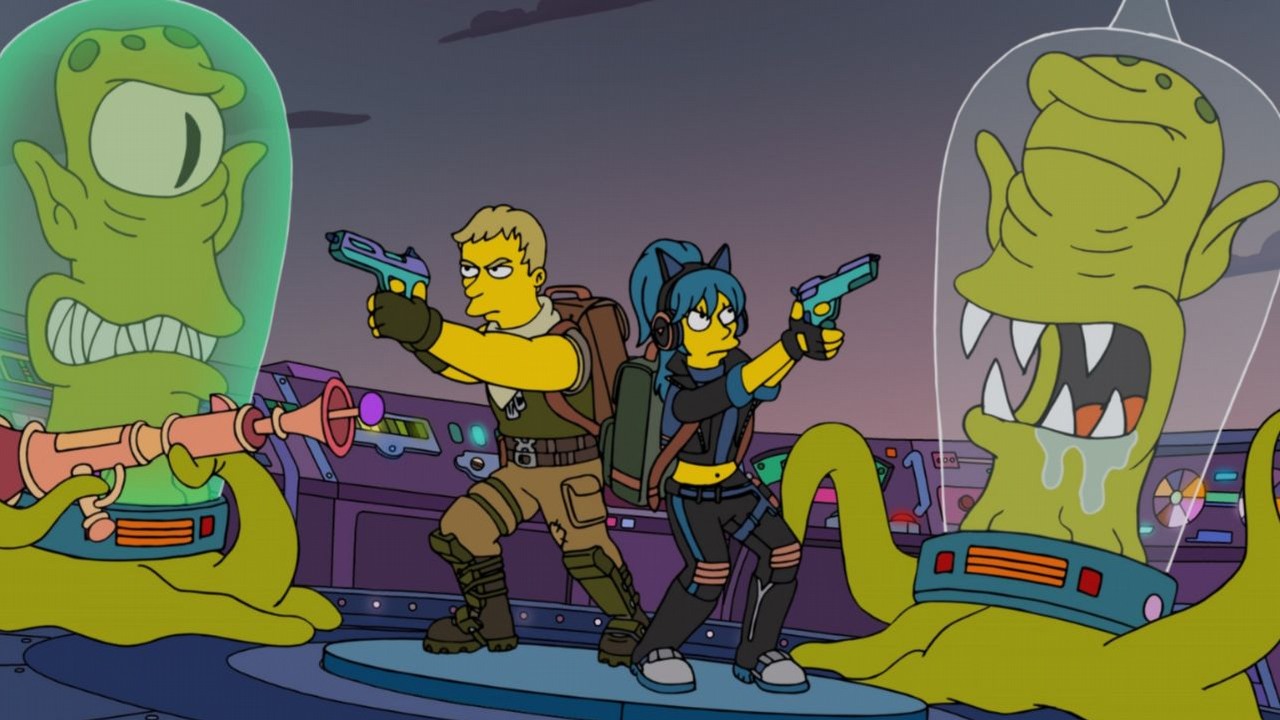
The digital realm has been abuzz lately with the undeniable triumph of Fortnite’s latest collaboration: a full-blown integration of The Simpsons into its already vibrant world. Concurrent player counts have soared, engagement metrics are through the roof, and social media is awash with clips of players traversing the battle royale island as Homer, Marge, Bart, Lisa, and Maggie. But amid this celebration in Epic Games’ camp, a familiar grumbling can be heard from a corner of the gaming community: Call of Duty. The contrast is stark, and it raises a crucial question: why are CoD players, generally speaking, so resistant, even aggressively opposed, to the types of character skins and collaborative content that Fortnite embraces so readily?
Fortnite’s Formula for Collaborative Gold: A Deep Dive
Fortnite’s success isn’t just about slapping a popular character into the game; it’s about crafting immersive experiences that honor the source material while seamlessly integrating it into the core gameplay loop. The Simpsons event is a prime example. It wasn’t just reskins of existing characters; it was a dedicated Simpsons-themed POI (Point of Interest), Springfield, built into the map. This was a meticulously recreated version of the iconic town, complete with familiar landmarks like the Simpsons’ house, Moe’s Tavern, and the Kwik-E-Mart.
More Than Just Skins: Immersive Experiences
Beyond the visual representation, the collaboration extended to gameplay mechanics and challenges. Players could complete Simpsons-themed quests, unlocking exclusive rewards and further immersing themselves in the Springfield universe. The attention to detail, from the character models to the environmental design and even the sound effects, created a truly authentic Simpsons experience within the Fortnite framework. This level of dedication is what sets Fortnite’s collaborations apart. They are not mere cosmetic additions; they are fully realized experiences that enhance the game’s overall appeal.
The Power of Nostalgia and Cross-Generational Appeal
Fortnite shrewdly taps into the power of nostalgia. The Simpsons, a cultural touchstone for multiple generations, holds a special place in the hearts of millions. By bringing these beloved characters and locations into the game, Fortnite is appealing to both its core audience of younger players and a wider demographic of older gamers who grew up watching the show. This cross-generational appeal is a key factor in the success of these collaborations, drawing in players who might not otherwise be interested in Fortnite.
Call of Duty’s Skin Dilemma: A Question of Authenticity and Immersion
The Call of Duty franchise, particularly its Modern Warfare and Black Ops sub-brands, traditionally prides itself on a more grounded and realistic aesthetic. This emphasis on authenticity, while appealing to a dedicated fanbase, creates a tension when it comes to implementing character skins and collaborative content.
The Immersion-Breaking Factor: The Slippery Slope of Silliness
Many Call of Duty players argue that outlandish skins and crossovers break the game’s immersion and detract from the overall experience. They believe that seeing characters like cartoon figures or movie characters running around on the battlefield undermines the sense of realism and tactical gameplay that they value. This sentiment is often expressed as a fear of the “slippery slope” – that the introduction of one silly skin will inevitably lead to more and more outlandish content, ultimately transforming Call of Duty into something unrecognizable and, in their eyes, undesirable.
The Tactical Disadvantage Argument: Pay-to-Win Concerns
Another concern voiced by Call of Duty players is the potential for skins to provide a tactical advantage. While most skins are purely cosmetic, there have been instances where certain skins have been accused of blending in with the environment, making players harder to spot. This raises concerns about pay-to-win mechanics, where players who purchase specific skins gain an unfair advantage over those who don’t. While developers often address these issues with patches and adjustments, the perception of unfairness persists.
The Clash of Cultures: A Generational Divide?
It’s also worth considering a potential generational divide. While Fortnite’s younger audience may be more receptive to quirky and unconventional content, Call of Duty’s player base, which tends to skew slightly older, may be more resistant to changes that deviate from the franchise’s established norms. This isn’t to say that all older players dislike skins, or that all younger players embrace them, but it does highlight a potential difference in preferences and expectations.
Beyond Aesthetics: The Core Gameplay Experience
Ultimately, the difference in attitudes towards skins may stem from fundamental differences in the core gameplay experiences of Fortnite and Call of Duty.
Fortnite’s Emphasis on Fun and Accessibility
Fortnite, at its heart, is a game about fun and accessibility. It’s designed to be easy to pick up and play, with a focus on creative expression and social interaction. The game’s bright colors, cartoonish art style, and whimsical gameplay mechanics lend themselves well to the integration of diverse characters and themes. The collaborative content feels natural and organic within the Fortnite universe.
Call of Duty’s Focus on Skill and Competition
Call of Duty, on the other hand, places a greater emphasis on skill-based gameplay and competitive multiplayer. Players are drawn to the game for its fast-paced action, strategic gunplay, and challenging ranking system. The focus is on mastering the game’s mechanics and outperforming opponents. In this context, cosmetic distractions can be seen as detrimental to the overall experience.
The Future of Skins in Call of Duty: Finding a Middle Ground
Despite the resistance from some players, it’s clear that Activision, the publisher of Call of Duty, recognizes the potential revenue stream associated with character skins and collaborative content. The challenge lies in finding a way to introduce these elements without alienating the core fanbase.
Maintaining Authenticity: Realistic and Themed Skins
One approach is to focus on skins that maintain a degree of realism and fit within the game’s established lore. This could include variations on military uniforms, historical characters, or themed skins that tie into the game’s narrative. The key is to avoid anything that feels too outlandish or immersion-breaking.
Careful Integration: Avoiding Tactical Advantages
It’s crucial that any new skins or content are carefully tested and balanced to ensure that they don’t provide any unfair tactical advantages. Transparency and open communication with the community are essential in addressing any concerns about pay-to-win mechanics.
Community Feedback: Listening to the Players
Perhaps the most important factor is listening to the community. Activision should actively solicit feedback from players on new skins and content, and be willing to make adjustments based on that feedback. This demonstrates a commitment to maintaining the integrity of the game and respecting the preferences of its player base.
Limited-Time Events and Game Modes
Another way to introduce collaboration is through limited-time events. This approach allows to create thematic experiences without permanently altering the core gameplay. For example, a zombie-themed event with unique skins for the zombies.
Gaming News’ Perspective: The Business of Entertainment
From Gaming News’ perspective, the debate surrounding skins in Call of Duty highlights the complex interplay between artistic vision, business considerations, and community expectations. While respecting the preferences of dedicated players is crucial, it’s also important for developers to explore new avenues for creativity and monetization. The key is to find a balance that satisfies both the players and the shareholders.
The success of Fortnite’s Simpsons collaboration underscores the potential for well-executed crossovers to generate excitement and engagement. By learning from both the successes and failures of other games, Activision can navigate the skin dilemma and find a path forward that preserves the integrity of Call of Duty while also appealing to a broader audience. The future of skins in Call of Duty may well depend on the ability to strike this delicate balance.