EA’s Future Under New Ownership: Former Dragon Age Exec Speculates on Studio Sales, BioWare’s Position, and Saudi Arabian Influence
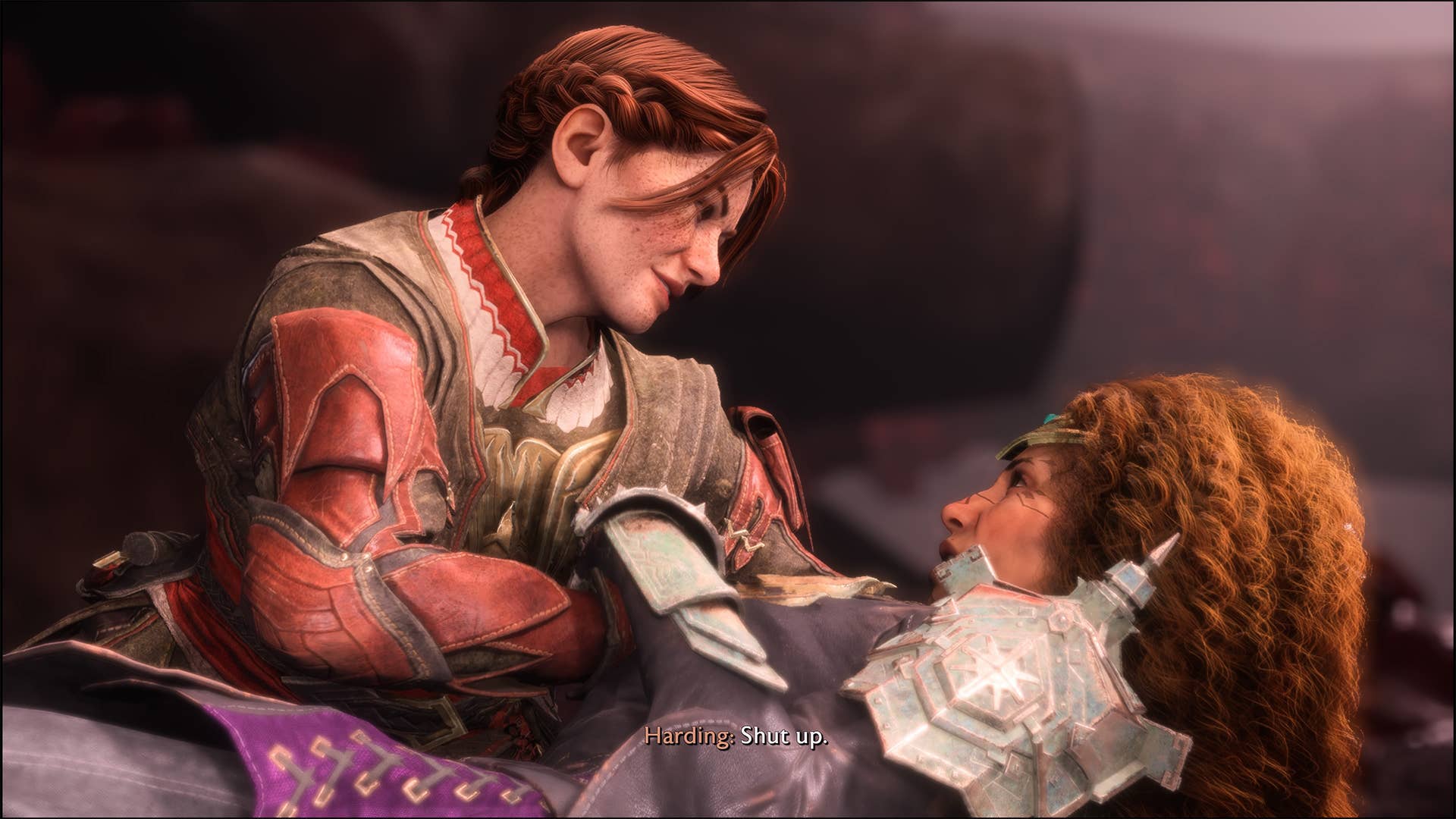
The gaming industry has been abuzz with the monumental $55 billion acquisition of Electronic Arts (EA) by a consortium of powerful investment firms, notably including Saudi Arabia’s Public Investment Fund (PIF) and the private equity giant Silver Lake. This seismic shift in ownership has naturally ignited widespread speculation regarding the future of EA’s diverse portfolio of development studios. Among the most insightful voices offering a perspective on these potential changes is Mark Darrah, a former executive producer on the acclaimed Dragon Age series and a prominent figure in the BioWare community. Darrah, now a popular YouTuber known for sharing insider BioWare anecdotes, has recently shared his thoughts on how this new era of private ownership might reshape EA’s internal landscape, with particular attention paid to the fate of beloved studios like BioWare.
Darrah’s analysis, distilled from his deep understanding of BioWare’s culture and the broader dynamics of the video game industry, suggests a bifurcated future for EA’s development teams. While some studios, particularly those responsible for EA’s perennial cash cows, may find themselves relatively insulated, others, including BioWare, could face more uncertain prospects. His observations point to a strategic realignment driven by the financial imperatives and potential cultural considerations of EA’s new custodians, potentially leading to significant restructuring and even the divestment of certain development assets.
The Saudi Arabian Factor: A New Dawn for EA’s Gaming Empire?
The involvement of Saudi Arabia’s Public Investment Fund in the acquisition of EA marks a significant moment, underscoring the growing influence of Middle Eastern capital in the global entertainment sector. The PIF, under the leadership of Crown Prince Mohammed bin Salman, has been actively diversifying its investments across various industries, with a notable and increasing emphasis on gaming and esports. This strategic pivot is widely interpreted as part of Saudi Arabia’s Vision 2030 plan, which aims to reduce the kingdom’s reliance on oil revenue by developing new economic sectors and fostering a vibrant digital economy.
The infusion of substantial capital from entities like the PIF brings both opportunities and potential challenges for companies like EA. While the financial resources can fuel ambitious projects and support ongoing development, they also introduce a new layer of strategic direction and oversight. For EA, this means navigating the expectations and priorities of owners who may have different long-term visions for the company and its intellectual properties. The scale of the acquisition, placing EA under private ownership, signals a departure from its publicly traded status, potentially allowing for more aggressive strategic maneuvers and less public scrutiny of operational decisions. This shift could have profound implications for studio autonomy, project development cycles, and the overall creative direction of EA’s numerous development teams.
Mark Darrah’s Insights: Navigating the Studio Landscape
Mark Darrah’s perspective, shared through his popular YouTube channel, offers a pragmatic assessment of how the new ownership might impact EA’s diverse array of studios. He posits that studios primarily focused on EA’s lucrative sports franchises, such as those behind Madden NFL and EA Sports FC (formerly FIFA), are likely to remain a high priority. These franchises are established revenue generators, consistently performing well in the market and embodying a significant portion of EA’s annual income. The new owners, being keen on sports themselves, are expected to recognize the inherent value and ongoing profitability of these titles. Consequently, these studios are anticipated to receive continued investment and support, ensuring the smooth continuation of their development pipelines.
However, Darrah expresses considerably less certainty regarding the fate of studios operating under the umbrella of EA Entertainment. This division encompasses a broader range of game genres and development philosophies. Within this cluster, BioWare, a studio with a rich legacy and a distinct creative identity, stands out as a subject of particular interest. Darrah’s apprehension stems from the potential for cultural friction between BioWare’s established ethos and the priorities of its new ownership. BioWare has long been associated with its narrative-driven RPGs, focusing on deep lore, character development, and player choice. These creative endeavors, while critically acclaimed and beloved by a dedicated fanbase, may not always align with the more immediate, profit-driven objectives that can sometimes characterize private equity investments.
BioWare’s Position: A Legacy in the Balance?
The prospect of BioWare being sold or undergoing significant structural changes under new ownership is a deeply concerning one for many long-time fans and industry observers. BioWare has cultivated a unique identity over decades, marked by its commitment to crafting immersive worlds and memorable characters in franchises like Mass Effect and Dragon Age. This artistic identity, while a source of immense fan loyalty, might also present a point of divergence from the purely financial considerations that often drive private equity firms.
Darrah’s analysis suggests that studios like BioWare, whose output is not as consistently predictable in terms of immediate financial returns as a flagship sports title, might be viewed differently by the new owners. The stories and anecdotes shared by BioWare developers often highlight a culture that prioritizes creative ambition and player experience. If these cultural elements are perceived as potentially hindering rapid financial optimization, it could lead to difficult decisions for EA’s new leadership. The possibility of BioWare being divested to an entity more aligned with its creative output, or being integrated into a broader portfolio that leverages its IP in different ways, is a scenario Darrah considers plausible. The continued development of beloved franchises like Dragon Age: Dreadwolf and the potential revival of other dormant IPs would heavily depend on the strategic decisions made in the coming months and years.
The Saudi Arabian Entertainment Strategy: Beyond Sports?
The investment in EA by the Saudi Arabian Public Investment Fund is indicative of a much broader strategy to cultivate a robust entertainment and gaming ecosystem within the Kingdom. Beyond the immediate acquisition of a major Western publisher, the PIF has made significant investments in other gaming companies, including Capcom, Nexon, and Activision Blizzard (prior to its acquisition by Microsoft). This pattern suggests a deliberate effort to gain influence and access to the global gaming market.
While sports games are an obvious area of interest, it is conceivable that the PIF’s long-term vision extends to other genres and forms of interactive entertainment. This could translate into increased focus on narrative-driven games, esports initiatives, and potentially even the development of new intellectual properties originating from or in partnership with Saudi Arabia. The implications for studios like BioWare are multifaceted. On one hand, the availability of significant capital could theoretically support ambitious, long-form RPG development. On the other hand, the strategic priorities might shift, potentially favoring projects that offer faster returns or have a clearer path to broader market appeal, which might not always align with BioWare’s traditional strengths.
Rethinking Studio Value: Beyond Sales Figures
The valuation of development studios in the eyes of private equity can often extend beyond simple quarterly sales figures. Factors such as intellectual property (IP) value, brand recognition, and the potential for future diversification play crucial roles. BioWare’s iconic franchises, such as Dragon Age and Mass Effect, possess immense latent value. These IPs have cultivated passionate global fanbases and have the potential for adaptation into other media, such as films, television series, or even theme park attractions.
For a new ownership group with diverse entertainment ambitions, acquiring studios that possess strong, recognizable IPs could be a strategic imperative. Even if a particular studio’s current output is not meeting peak financial expectations, the underlying value of its creative assets might be considered substantial. This perspective could offer a degree of reassurance for BioWare. The question then becomes how this IP value will be leveraged. Will it be through continued investment in new game installments, or through broader licensing and media expansion opportunities? The former aligns with Darrah’s optimism about EA’s core franchises, while the latter might suggest a more significant shift in the studio’s operational focus.
The Specter of PR and Cultural Alignment
A more nuanced, and perhaps concerning, aspect of Darrah’s speculation revolves around the potential for Saudi Arabian PR objectives to influence studio operations. While the PIF’s investments are often framed in terms of economic diversification and modernization, they are also intertwined with the Kingdom’s efforts to enhance its global image. The entertainment industry, with its vast reach and cultural influence, presents a powerful platform for such endeavors.
This raises the question of whether studios might be pressured, either subtly or overtly, to align their output with broader geopolitical or public relations agendas. For a studio like BioWare, which often tackles mature themes and complex narratives, any perceived pressure to conform to specific ideological or cultural norms could be detrimental to its creative integrity. Darrah’s mention of studios having “more pronounced cultural objections to the new ownership” hints at this potential conflict. It suggests that the creative teams themselves might have reservations about the values or objectives of their new patrons, particularly if those objectives are perceived as being at odds with the storytelling traditions that have defined BioWare’s success. This is a delicate balance, as any attempt to overtly influence creative content could alienate core fanbases and damage brand reputation.
EA’s Operational Realignment: What Lies Ahead for Other Studios?
Beyond BioWare, the broader implications for EA’s other development studios warrant consideration. The acquisition by a private entity often leads to a period of intense scrutiny and potential restructuring aimed at maximizing efficiency and profitability. Studios that are not directly tied to the highest-performing franchises, or those that have experienced a series of underperforming titles, might be particularly vulnerable.
EA’s studios are spread across North America, Europe, and Asia, each contributing to a diverse range of game development. This includes studios working on Apex Legends (Respawn Entertainment), The Sims (Maxis), and various mobile game development teams. The new ownership will likely assess the strategic fit and profitability of each studio within the larger EA ecosystem. It’s plausible that some studios could be merged, others could see their mandates adjusted, and in the most extreme cases, some might be shut down or sold off if they are deemed non-essential or unprofitable. The emphasis on lean operations and synergies often becomes paramount in private equity-owned companies, which could lead to a more centralized approach to decision-making and resource allocation.
The Role of Silver Lake and Other Investors
While the Saudi Arabian Public Investment Fund is a significant, and perhaps the most discussed, new stakeholder, the presence of Silver Lake and other private equity firms is also crucial. Silver Lake is a technology-focused investment firm with a history of managing and restructuring large technology and media companies. Their involvement suggests a strategic focus on operational efficiency, technological innovation, and long-term value creation.
This dual-pronged ownership structure—combining sovereign wealth fund ambitions with private equity’s operational focus—could lead to a dynamic where EA’s management is tasked with achieving ambitious financial targets while also navigating the broader strategic objectives of its investors. This might manifest in increased pressure to adopt new technologies, explore emerging markets, or divest non-core assets. For game development studios, this could mean a push towards more standardized development pipelines, greater emphasis on live-service models, and potentially a more data-driven approach to game design and monetization.
The Long Game: Monetization and Future IP Development
In the realm of private equity ownership, the focus often shifts towards optimizing revenue streams and identifying avenues for long-term value growth. For EA, this could translate into an intensified focus on live-service games, microtransactions, and post-launch content. While these monetization strategies are already prevalent in the industry, new owners might seek to further refine and expand them across EA’s entire portfolio.
Furthermore, the vast libraries of intellectual property held by EA are ripe for exploration. Beyond sequels and expansions, there is potential for deeper integration with other forms of entertainment. The Saudi Arabian PIF’s broader investment strategy in entertainment suggests a desire to build a comprehensive media empire. This could mean seeing EA’s IPs, including those from BioWare, leveraged in animated series, live-action films, or even theme park attractions, thereby creating multiple revenue streams from a single creative asset. The success of this strategy, however, will heavily depend on the ability to maintain the creative integrity and fan appeal of these beloved franchises.
Potential Sale of BioWare: A Strategic Consideration?
Darrah’s contemplation of BioWare’s potential sale is not an isolated hypothesis. In the dynamic landscape of acquisitions and divestitures common in private equity, studios with distinct identities and established fanbases can sometimes become attractive targets for specialized buyers. If EA’s new ownership perceives BioWare as a studio whose creative output does not align with their immediate strategic goals, or if they believe another entity could better monetize its IP, a sale could become a viable option.
Such a sale would not necessarily signal the end of BioWare, but rather a transition to a new stewardship. The ideal scenario would involve BioWare being acquired by a company that understands and values its unique heritage and creative vision. This could provide BioWare with the freedom and resources to continue developing the narrative-rich RPGs its fans cherish. Conversely, a sale to an entity with less understanding or a purely transactional focus could lead to a dilution of its brand identity and a departure from its core strengths. The ongoing development of Dragon Age: Dreadwolf will undoubtedly be a key indicator of BioWare’s trajectory and the strategic direction taken by EA’s new owners.
The Future of Gaming: A New Era of Ownership?
The acquisition of EA by a consortium including the Saudi Arabian PIF and Silver Lake represents a significant inflection point in the gaming industry. It underscores the increasing flow of capital from non-traditional sources into game development and publishing. This influx of investment brings the promise of larger budgets and more ambitious projects, but it also introduces new dynamics of ownership and strategic control.
As we move forward, the industry will be closely watching how EA navigates this new chapter. The decisions made regarding its diverse studio portfolio, particularly concerning iconic brands like Dragon Age and the future of BioWare, will offer critical insights into the evolving priorities of global entertainment investment. The balance between creative ambition, commercial viability, and the strategic interests of new, powerful owners will be the defining narrative of EA’s future. The industry is at a crossroads, and the path EA takes will undoubtedly influence the broader trajectory of interactive entertainment for years to come.