Fantastic Pixel Castle’s Impending Closure: A Tale of Ambition, a World of Warcraft Legacy, and the Shadow of NetEase’s Strategic Shift
The gaming industry is a realm of both immense creativity and brutal realities, where dreams are forged in code and passion, only to be sometimes extinguished by market forces and strategic pivots. In a development that has sent ripples of concern through the MMORPG community and beyond, Fantastic Pixel Castle (FPC), a studio established with significant pedigree and spearheaded by a veteran of Blizzard Entertainment and Riot Games, faces an abrupt closure. The news, confirmed through a poignant announcement, signifies a stark reminder of the precarious nature of game development, particularly for ambitious triple-A projects.
The Rise and Imminent Fall of Fantastic Pixel Castle
Founded in early 2023, Fantastic Pixel Castle was born from a vision to craft a groundbreaking massively multiplayer online role-playing game (MMORPG), codenamed “Ghost.” The studio’s founder, Greg Street, a name synonymous with iconic titles like World of Warcraft where he served as lead systems designer and later as a principal systems designer at Riot Games, brought with him a wealth of experience and a reputation for excellence. This formidable combination of seasoned leadership and ambitious goals immediately positioned FPC as a studio to watch, holding the promise of a fresh take on a genre that, while beloved, often grapples with iterative design.
However, the very foundation upon which FPC was built appears to be crumbling. In a LinkedIn post that has since garnered widespread attention, Greg Street disclosed that Fantastic Pixel Castle is slated to cease operations on November 17th. This drastic measure is a direct consequence of NetEase’s decision to shutter the studio, a move that underscores a significant recalibration of the Chinese gaming giant’s international development strategy. The announcement carries a tone of both disappointment and pragmatic determination, as Street emphasized the immediate priority of assisting the studio’s talented developers in finding new opportunities.
“Fantastic Pixel Castle will close its doors on Nov 17,” Street stated. “While there is still a chance we can secure funding after that date, it will depend on how much of the team remains. While we’d love to make our game, our first priority is to help our developers find employment, whether that’s at indie studio Fantastic Pixel Castle 2.0, or at many of the other fine (and hopefully stable) game and tech companies out there.” This statement highlights not only the immediate crisis but also a glimmer of hope for a potential, albeit smaller-scale, continuation of the team’s efforts should external funding materialize.
The NetEase Factor: A Strategic Realignment
The impending closure of Fantastic Pixel Castle is not an isolated incident but rather the latest chapter in NetEase’s broader strategic shift away from funding international studios. Over the past several months, the publisher has been streamlining its operations and re-evaluating its investment portfolio, leading to a series of difficult decisions regarding its global development partners. This redirection of resources signifies a move towards consolidating efforts and potentially focusing on internal projects or studios with clearer, more immediate returns on investment.
This strategic pivot has had a tangible impact on several studios that were operating under the NetEase umbrella. Among those affected are Worlds Untold, a Vancouver-based developer; T-Minus Zero, based in Austin; and Jar of Sparks, located in Seattle. Each of these studios, much like Fantastic Pixel Castle, has been compelled to either cease development entirely or enter a critical phase of searching for new funding sources to sustain their ambitious projects and keep their teams employed. The collective impact of these closures paints a sobering picture of the challenges faced by international studios seeking backing from large, often geographically distant, publishers.
“Ghost”: The Ambitious MMORPG That May Never See the Light of Day
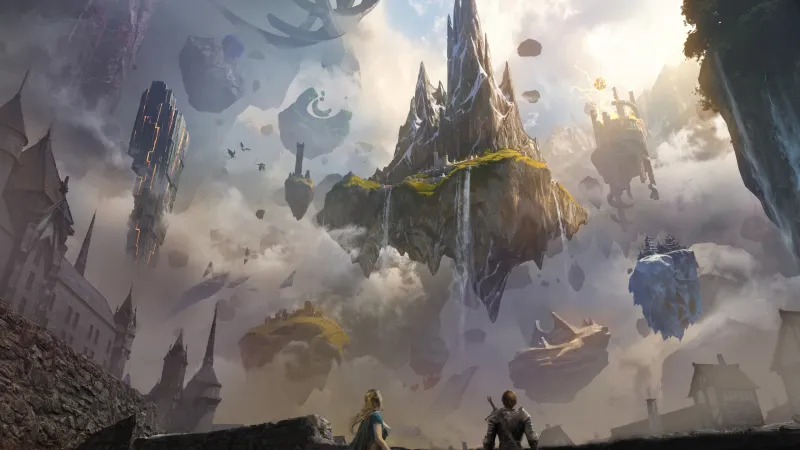
At the heart of Fantastic Pixel Castle’s narrative lies “Ghost,” the ambitious triple-A MMORPG that captivated the attention of many within the gaming sphere, despite never having undergone a formal reveal. The project was envisioned as a departure from the conventional tropes that often characterize the fantasy MMORPG genre. Instead of rehashing familiar themes, FPC’s website indicated a commitment to forging a unique identity for “Ghost.”
The game’s conceptual framework revolved around a distinctive setting known as the Shardlands. Within this world, players would navigate between two primary realms: the Blue Shards and the Red Shards. This duality was designed to offer players a choice in their gaming experience. The Blue Shards were conceived as more intimate, private servers, ideal for playing with friends and experiencing the game’s narrative and progression in a more curated environment. Conversely, the Red Shards were intended to provide the classic, expansive massively multiplayer experience, fostering large-scale player interaction and emergent gameplay.
“Ghost” was also slated to feature a chapter-based narrative, a structure that could allow for a more digestible and evolving storyline, potentially keeping players engaged over extended periods. The game planned to incorporate familiar character classes, but with an emphasis on streamlined gameplay mechanics designed to facilitate seamless play with friends, irrespective of their individual character levels and progress. This focus on accessibility and ease of integration was a key tenet of FPC’s design philosophy, aiming to lower the barrier to entry for new players and foster a more inclusive community.
A Playable Demo and Lingering Hope
Despite the grim prognosis, a beacon of hope emerged in a community blog post published on the studio’s website. This post expressed a degree of cautious optimism regarding the possibility of securing last-minute funding to continue the development of “Ghost.” The statement highlighted the existence of a great playable demo, a crucial asset that could potentially sway investors and demonstrate the project’s viability and inherent potential.
“We are still 100% focused on finding new funding to make our game,” the blog post read. “Even if the state of the industry feels fairly dire we’re encouraged by the conversations we’ve been having and fortunate that we have a great playable demo already! So there is still some hope to be had - hold onto that hope because now we’re going to get kinda real.” This message conveys a spirit of resilience and a fervent belief in the project’s merits, even in the face of overwhelming odds. The emphasis on a playable demo is particularly significant, as it provides concrete evidence of the team’s progress and the quality of the game they are striving to create.
Greg Street’s Legacy and the Future of Independent Game Development
The involvement of Greg Street in Fantastic Pixel Castle lent the studio an undeniable gravitas. His extensive history with World of Warcraft, a game that redefined the MMORPG landscape and maintained a massive player base for nearly two decades, positioned him as a leader capable of shaping the next generation of online worlds. His subsequent tenure at Riot Games, a company known for its meticulous approach to game design and community engagement, further solidified his reputation as a visionary in the industry.
The potential closure of FPC raises questions about the landscape for independent studios aiming to develop ambitious AAA titles. Securing funding for such large-scale projects is notoriously challenging, even for experienced developers. The reliance on major publishers like NetEase for financial backing, while often necessary, also introduces an inherent vulnerability, as shifts in corporate strategy can have immediate and profound consequences for development teams.
The mention of a potential “Fantastic Pixel Castle 2.0” suggests that even if the current iteration of the studio succumbs to its financial challenges, the core team and their passion for “Ghost” may persist. This scenario, where a studio must pivot to an independent model after a publisher withdrawal, is becoming increasingly common, reflecting a broader trend in the industry towards greater developer autonomy, albeit with amplified financial risk.
Industry Trends and the MMORPG Landscape
The situation at Fantastic Pixel Castle is indicative of broader trends within the gaming industry. The MMORPG genre, while still immensely popular, faces intense competition and requires significant investment in both development and ongoing content updates. Publishers are increasingly scrutinizing their investments, particularly in Western studios, leading to a consolidation of resources and a more cautious approach to funding new ventures.
The announcement of NetEase’s first triple-A single-player title, “Blood Origin,” also provides context for their strategic adjustments. This focus on their own internally developed IP suggests a desire to exert greater control over their product pipeline and maximize profitability from their own intellectual property.
For aspiring developers and established studios alike, the story of Fantastic Pixel Castle serves as a poignant case study. It underscores the importance of securing robust funding, building strong relationships with publishers, and maintaining a degree of operational flexibility. The narrative also highlights the enduring appeal of the MMORPG genre and the dedication of developers who strive to innovate within it, even when faced with the most daunting of challenges.
The Future of “Ghost” and the Developers Who Dreamed It
As November 17th approaches, the fate of Fantastic Pixel Castle and its ambitious project, “Ghost,” hangs precariously in the balance. The outcome will not only determine the future of this specific game but will also offer further insights into the dynamic and ever-evolving landscape of game development funding and the resilience of creative teams in the face of adversity. The hope for a successful funding round, however slim, remains, driven by the passion of a team led by a visionary figure and the promise of a unique MMORPG experience that could captivate players worldwide. We at Gaming News will continue to monitor this developing situation closely, bringing you the latest updates on the future of Fantastic Pixel Castle and the talented individuals who have poured their hearts and souls into “Ghost.” The gaming community watches, hoping that this ambitious project, born from such distinguished origins, might yet find a way to persevere.