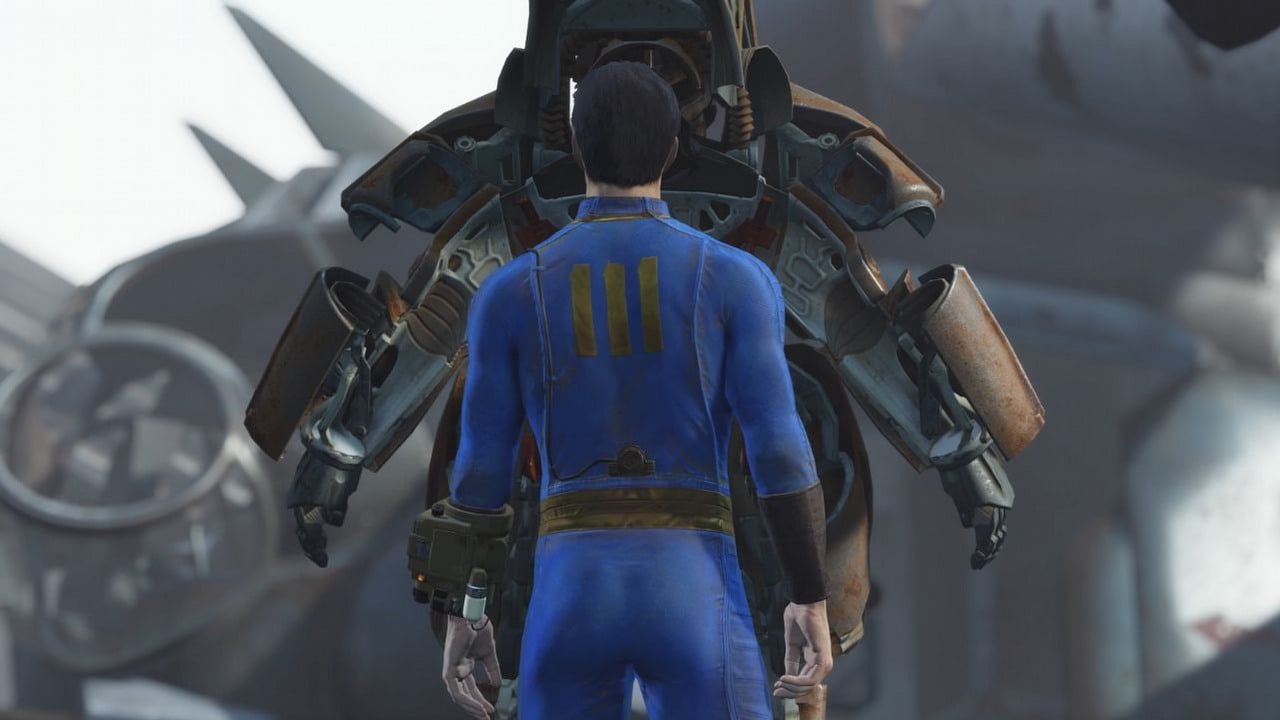
Fallout 4’s Iconic “The Wanderer” Disappears from Anniversary Edition: A Legal Echo from 2017
The Commonwealth has a new, unsettling silence. Fallout 4, a game that resonated with players not just through its compelling narrative and expansive world, but also through its unforgettable soundtrack, has seen a curious omission in its latest iteration. The Anniversary Edition, a release intended to celebrate and enhance the post-apocalyptic experience, has notably excluded “The Wanderer,” a song so intrinsically linked to the identity of Fallout 4 that its absence has sent ripples of surprise and speculation through the gaming community. This isn’t just a simple track shuffle; this is the removal of a cornerstone of the game’s atmosphere, a sonic signature that players have come to associate with venturing out into the unknown, with the very essence of the Fallout universe. Our investigation delves into the potential reasons behind this surprising decision, unearthing a legal entanglement from 2017 that may very well hold the key to why this beloved track has been silenced.
The Enduring Allure of “The Wanderer” in Fallout 4
Before we dissect the reasons for its disappearance, it’s crucial to understand the profound impact “The Wanderer” had on the Fallout 4 experience. Released in 2015, Fallout 4 immediately captivated players with its blend of gritty survival, engaging dialogue, and a meticulously crafted wasteland. However, a significant portion of its widespread appeal, and indeed its unique charm, was undeniably tied to its phenomenal soundtrack. The game masterfully integrated licensed music from the 1950s and 60s, creating an auditory tapestry that was both anachronistic and perfectly suited to the game’s retro-futuristic setting.
Among this carefully curated collection, “The Wanderer,” performed by Dion DiMucci, stood out. Its catchy melody, relatable lyrics about a young man on the road, and its inherent sense of adventure made it an anthem for players as they stepped out of Vault 111 and into the desolate yet vibrant landscape of the Commonwealth. The song wasn’t merely background music; it was a narrative tool, a mood setter, and an emotional anchor. It evoked feelings of hope, resilience, and the persistent human drive to explore and survive, themes that are central to the Fallout saga.
The song’s placement within the game was also masterful. It frequently played during moments of exploration, as players navigated treacherous settlements, embarked on crucial quests, or simply took a moment to appreciate the desolate beauty of the wasteland. Its upbeat tempo and optimistic undertones provided a stark, yet effective, contrast to the grim realities of post-nuclear life, reinforcing the enduring spirit of humanity that the Fallout series consistently champions. This constant presence and thematic resonance cemented “The Wanderer” not just as a popular song in the game, but as arguably Fallout 4’s most iconic song. Its removal from the Anniversary Edition, therefore, is not a minor inconvenience; it represents the excision of a vital piece of the game’s identity.
The Anniversary Edition: A Celebration or a Compromise?
The announcement of Fallout 4’s Anniversary Edition promised a wealth of new content, enhancements, and a chance for both new and returning players to experience the Commonwealth in a fresh light. Typically, such editions aim to be the definitive version of a game, bundling all previous downloadable content, introducing graphical improvements, and sometimes even adding new gameplay features or story elements. Fans anticipate these releases with excitement, expecting a polished and expanded iteration of a beloved title.
However, the Anniversary Edition of Fallout 4 has, from its initial reveals and subsequent player experiences, been met with a particular point of contention: the absence of “The Wanderer.” This omission, while seemingly small in the grand scheme of a sprawling RPG, has disproportionately impacted player perception. In an edition designed to be the ultimate Fallout 4 experience, the removal of such a deeply ingrained and beloved piece of its audio identity feels like a deliberate choice, and one that has understandably led to significant community discussion and, frankly, disappointment.
The expectation for an Anniversary Edition is one of completeness and enhancement. Players anticipate that all the elements that contributed to the original game’s success and critical acclaim will be present and accounted for, perhaps even improved. When a cornerstone element like “The Wanderer” is conspicuously absent, it raises questions about the true scope of this “celebration.” Is this an oversight, or is there a more complex reason at play? The prevailing sentiment within the gaming press and among players points towards the latter, with speculation heavily leaning towards external factors rather than a simple editorial decision by the developers at Bethesda. The silence where Dion’s voice once was is a void that demands explanation.
Unearthing the 2017 Lawsuit: A Shadow from the Past
The narrative surrounding the removal of “The Wanderer” takes a significant turn when we investigate a lesser-known, yet potentially highly relevant, legal dispute that surfaced in 2017. While the Anniversary Edition is a recent release, the seeds of this particular omission may have been sown years prior, rooted in a copyright infringement lawsuit that targeted Bethesda Game Studios. This lawsuit, concerning the use of certain licensed music in Fallout 4, provides a compelling and probable explanation for the song’s disappearance.
The details of the lawsuit, as reported at the time, involved claims of unauthorized use of copyrighted material. While the specific tracks and the parties involved are crucial to understanding the legal ramifications, the core issue revolves around licensing agreements and intellectual property rights. In the world of video game development, especially when incorporating popular music from previous eras, securing the appropriate licenses is a complex and often costly endeavor. These licenses dictate how and where a song can be used, and can vary greatly in scope and duration.
It’s highly probable that the licensing agreement for “The Wanderer” with Dion DiMucci and/or his rights holders was either time-limited, specific to the original release of Fallout 4, or became entangled in this broader legal dispute. Lawsuits can have far-reaching consequences, often resulting in injunctions, settlements that include restrictions on future use, or the outright termination of licensing agreements. When such legal entanglements arise, game developers are often forced to make difficult decisions to avoid further legal action or to comply with court orders. The removal of a song from subsequent releases, especially a game as widely distributed as Fallout 4, can be a direct consequence of such a legal battle, even if the lawsuit itself concluded or was settled years prior. The anniversary edition, being a new product, would necessitate re-licensing or confirmation of existing rights, and if those rights were compromised or revoked due to the 2017 litigation, then its absence becomes not a choice, but a necessity.
The Legal Entanglement and Licensing Rights Explained
To truly grasp why “The Wanderer” might have been excised from the Fallout 4 Anniversary Edition, we must delve deeper into the intricacies of music licensing within the gaming industry and the specific nature of the 2017 lawsuit. The legal landscape surrounding copyrighted music is notoriously complex, and violations can carry significant financial and operational penalties for developers.
Music Licensing in Video Games: A Minefield of Rights
When a game like Fallout 4 incorporates licensed music, it doesn’t simply purchase a copy of the song. Instead, developers enter into complex licensing agreements with the copyright holders (which can include the artist, the record label, and music publishers). These agreements typically specify:
- Territory: Where the game can be sold and played.
- Medium: Which platforms the game will be released on (PC, console, etc.).
- Duration: For how long the license is valid. This is often a critical factor, and licenses can be for a fixed term or perpetual.
- Scope of Use: How the music can be used – for example, in the main game, in trailers, in promotional materials, or in streaming content.
- Number of Installations/Copies: The license might be tied to a specific number of game copies sold or installed.
The 2017 Lawsuit and its Potential Fallout
The lawsuit filed in 2017 against Bethesda Game Studios, which reportedly involved claims of copyright infringement related to licensed music in Fallout 4, could have had several direct implications for “The Wanderer”:
- Revocation of License: The lawsuit may have directly challenged the legality of the original license for “The Wanderer,” or the terms under which it was obtained. If the court or a settlement agreement ruled against Bethesda regarding this specific track, the license could have been immediately revoked.
- Time-Limited Licensing: It is common for music licenses in games to be for a finite period. The original license for “The Wanderer” might have expired between the original release of Fallout 4 and the development of the Anniversary Edition. The 2017 lawsuit could have complicated or prevented the renewal of this license. For instance, if the lawsuit alleged improper use or terms, rights holders might be unwilling to negotiate new terms, or demand exorbitant fees that make re-licensing unfeasible for a re-release.
- Broad Impact of Settlement: Even if the lawsuit didn’t specifically target “The Wanderer” initially, a broad settlement could have included clauses that restricted the use of a range of songs in future editions or re-releases, especially if the core legal dispute was about the overall licensing practices for the soundtrack.
- Perceived Risk and Avoidance: In the aftermath of a lawsuit, even if it was settled favorably, developers might adopt a more conservative approach to licensing. The perceived risk of future legal challenges, or the administrative burden of verifying all historical licenses, could lead them to simply remove tracks that are potentially contentious or whose licensing status is unclear, especially for new product lines like an Anniversary Edition.
The fact that the lawsuit was filed in 2017, a few years after Fallout 4’s initial launch, suggests that issues may have arisen regarding the ongoing use or specific terms of the music licenses. Re-releasing a game in an “Anniversary Edition” often involves renegotiating or reconfirming all licensing agreements to ensure compliance with current laws and contractual obligations. If the 2017 legal proceedings cast a shadow of doubt or imposed restrictions on the use of “The Wanderer,” then its absence from the new edition becomes a predictable, albeit unfortunate, outcome. The legal ramifications of past disputes can indeed echo into the present, impacting even celebratory re-releases.
Why “The Wanderer” Specifically? An Examination of its Prominence
The question naturally arises: why “The Wanderer”? Out of a rich soundtrack featuring dozens of classic tunes, why would this particular song become the subject of legal contention or licensing issues that lead to its removal? Its prominence in the game, its iconic status, and its frequent use might actually be the very reasons it became a focal point.
An Anthem for the Wasteland Traveler
As discussed earlier, “The Wanderer” wasn’t just another background track. It was strategically used by developers to evoke specific feelings and reinforce core themes of Fallout 4. Its frequent inclusion meant it was heard by a vast number of players, often during pivotal moments. This widespread and prominent use could have:
- Increased Visibility: A song played frequently and prominently is more likely to attract attention from rights holders and potentially highlight any perceived discrepancies in licensing. If the original license was indeed limited in scope or duration, its repeated use across millions of copies of the game would have made any potential infringement more noticeable.
- Higher Licensing Costs: Iconic and frequently used songs often command higher licensing fees. It’s possible that the initial deal was made under certain assumptions or price points that became untenable for renewal, especially if the rights holders saw the game’s massive success and wanted to capitalize further. The 2017 lawsuit might have been an attempt by rights holders to leverage this prominence for greater financial gain or to enforce stricter usage terms.
- Symbolic Significance: For many players, “The Wanderer” became synonymous with the entire Fallout 4 experience. Its removal is thus more jarring and noticeable than the absence of a more obscure track. Developers might have been aware of this, and its removal, while unfortunate, might have been deemed a necessary consequence of legal constraints, with the hope that the overall quality of the Anniversary Edition would overshadow this specific omission.
The very qualities that made “The Wanderer” so beloved – its infectious energy, its thematic relevance, and its pervasive presence – may have inadvertently placed it under a legal microscope. When a piece of media becomes deeply ingrained in popular culture through a successful product, the value and scrutiny of its underlying intellectual property increase significantly. The 2017 lawsuit, therefore, could have been a direct reaction to or consequence of the song’s immense success and ubiquitous use within Fallout 4, leading to the current situation where its absence is keenly felt.
The Community’s Reaction and the Future of Fallout 4’s Soundtrack
The absence of “The Wanderer” from the Fallout 4 Anniversary Edition has not gone unnoticed by the game’s dedicated fanbase. The gaming community, particularly vocal on platforms like Reddit, social media, and gaming forums, has expressed a mixture of confusion, disappointment, and frustration. For many, this is more than just a missing song; it’s a symbol of a perceived oversight or a compromise that detracts from the intended “definitive” experience of Fallout 4.
Player Disappointment and Speculation
Players who eagerly anticipated the Anniversary Edition have been quick to point out the omission. Discussions often center on the shock of hearing the familiar intro to the game, only to find that a song that defined so many of their gaming moments is no longer there. This disappointment is amplified by the fact that the game’s original release was lauded for its excellent soundtrack, and the removal of such a key component feels like a step backward.
Speculation within the community is rife, with many players independently reaching similar conclusions: that legal issues are the most probable cause. The mention of the 2017 lawsuit, when it resurfaces in these discussions, often acts as a moment of realization, providing a plausible explanation for an otherwise baffling decision. While some may wish for a simple return of the song, the understanding of its potential legal entanglements often tempers these desires, shifting the focus to why such issues weren’t resolved prior to the release of a major edition.
The Impact on Future Releases and Licensing Practices
The situation with “The Wanderer” serves as a potent reminder of the complexities involved in licensing copyrighted material for video games. For developers and publishers, it underscores the importance of:
- Due Diligence: Thoroughly investigating the licensing history and potential legal challenges associated with any music they wish to include.
- Robust Licensing Agreements: Ensuring that licenses are comprehensive, cover all intended uses and territories, and have clear terms regarding future editions and re-releases.
- Contingency Planning: Having alternative plans in place should a crucial piece of licensed content become unavailable due to unforeseen legal or licensing issues.
For players, this event might foster a greater appreciation for the effort and risks involved in bringing together a rich and diverse soundtrack for their favorite games. It also highlights the potential impact of legal disputes on creative works, even years after their initial release.
While the immediate future of “The Wanderer” in official Fallout 4 releases appears uncertain due to these legal echoes from 2017, the song’s legacy within the gaming community remains indelible. Players will continue to associate Dion DiMucci’s iconic track with their adventures in the Commonwealth, a testament to its enduring power and its perfect marriage with the world Bethesda created. The Anniversary Edition may be silent in this regard, but the memory of the wanderer on the radio will persist.
Conclusion: A Lingering Silence and a Legal Legacy
The disappearance of “The Wanderer” from Fallout 4’s Anniversary Edition is a perplexing development that has understandably captivated and concerned the game’s vast player base. While the Anniversary Edition was touted as the ultimate, comprehensive experience, the omission of such a signature track leaves a noticeable void. Our deep dive into the potential reasons behind this absence points unequivocally towards a significant legal entanglement that emerged in 2017.
This lawsuit, concerning the alleged unauthorized use of copyrighted music within Fallout 4, has cast a long shadow. It is highly probable that the licensing agreement for “The Wanderer” was directly impacted by these legal proceedings. Whether through a revoked license, an expired term that could not be renewed due to lingering disputes, or a settlement that imposed usage restrictions, the outcome is the same: the song cannot be featured in this new iteration. The intricate web of music licensing in the gaming industry means that even years later, past legal battles can dictate what content is permissible in subsequent releases.
“The Wanderer” was more than just a song; it was an integral part of Fallout 4’s identity, a sonic ambassador for the Commonwealth that resonated with players on a profound level. Its absence in the Anniversary Edition is a stark reminder that the creation of beloved gaming experiences is often a delicate balance between artistic vision and legal realities. While the silence where its melody once played is palpable, the underlying legal legacy from 2017 offers a plausible, if unfortunate, explanation. The enduring power of “The Wanderer” within the hearts of Fallout fans, however, ensures that its spirit continues to roam the wasteland, even if its voice has been muted in official capacity.