Cocoon’s Big Move: From Game Pass Departure to PlayStation Plus Arrival
In a significant shake-up for the subscription service landscape, Cocoon, the universally acclaimed title crowned Eurogamer’s 2023 Game of the Year, is set to depart from Xbox Game Pass on March 31st. This departure marks a pivotal moment for subscribers who have enjoyed its mind-bending puzzles and unique gameplay loop within the Xbox ecosystem. However, in a strategic move that broadens its accessibility and appeals to a wider audience, Cocoon will simultaneously grace the PlayStation Plus Extra and Premium tiers later this month, offering PlayStation owners a prime opportunity to experience the game that captivated critics and players alike.
This transition underscores a dynamic trend in the gaming industry: the fluid nature of content availability within subscription services. While the absence of such a highly lauded title from Game Pass might be a disappointment for some, its immediate integration into PlayStation Plus signals a win for PlayStation gamers eager to dive into what many consider to be one of the most innovative experiences of the past year. The question on many players’ minds is not just when they can play it, but why Cocoon has garnered such immense praise and what makes its journey across subscription services a story worth following.
The Unfolding Revelation: Why Cocoon Earned Eurogamer’s Coveted Game of the Year Award
The prestigious title of Eurogamer’s 2023 Game of the Year is not bestowed lightly. Cocoon, developed by Geometric Interactive and published by Annapurna Interactive, managed to cut through the noise of a packed year for gaming, delivering an experience that was both profoundly original and impeccably executed. Its victory was a testament to its innovative design, elegant puzzle mechanics, and the sheer artistry woven into its core.
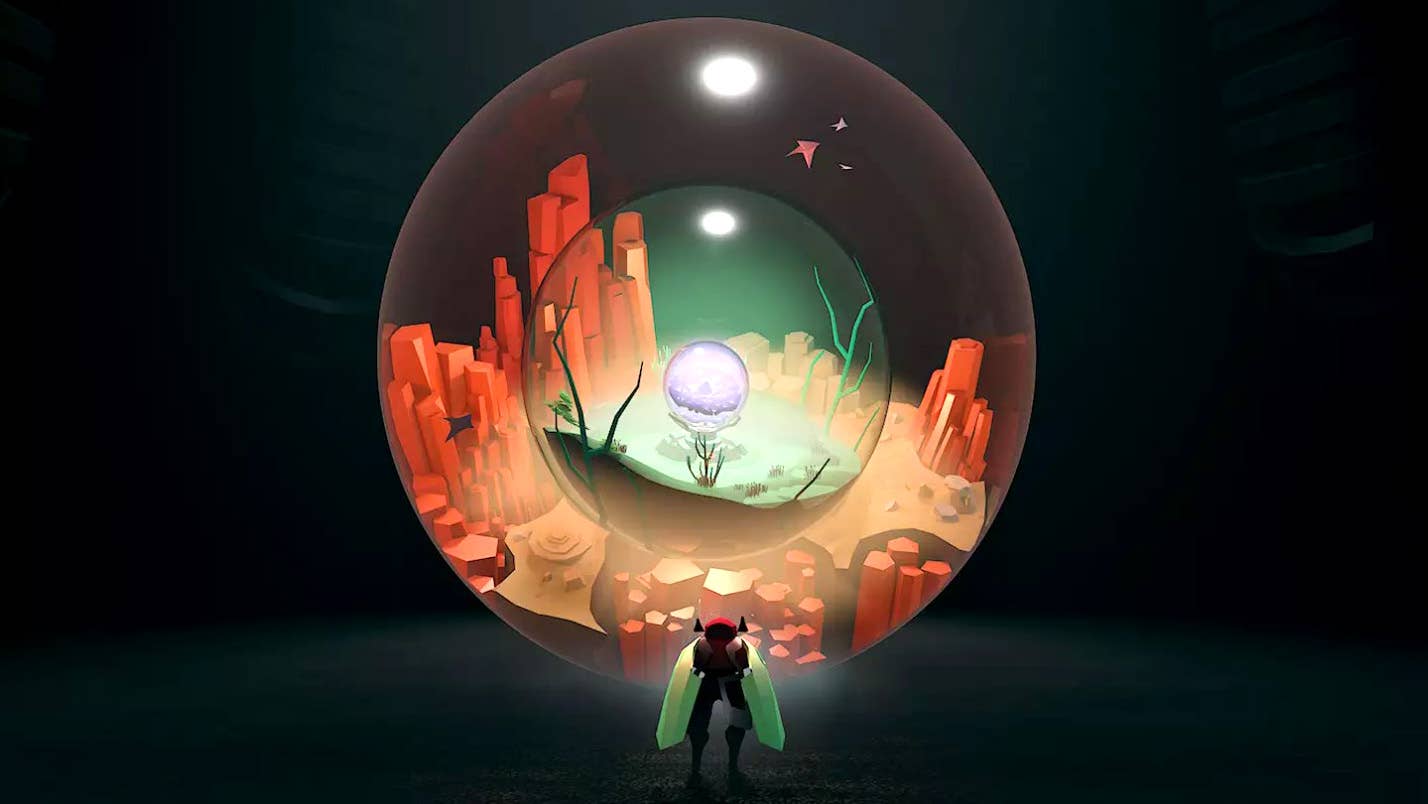
At its heart, Cocoon is a game about world-hopping. Players take on the role of a small, beetle-like creature navigating intricate, alien environments. The core mechanic revolves around orbs, which are not merely collectibles but entire worlds contained within themselves. Players can enter these orbs, traverse their unique landscapes, solve their internal puzzles, and then return to the larger world, carrying the orb with them. This creates a layered approach to puzzle-solving and exploration, where manipulating one world directly impacts another. The genius lies in the seamless transition between these nested realities, a feat of design that constantly surprises and delights.
The puzzles themselves are a masterclass in intuitive design. Cocoon avoids lengthy tutorials or convoluted explanations, instead allowing players to discover its mechanics through careful observation and experimentation. The challenges often involve understanding the properties of each orb world and how they interact with the primary environment and with each other. For instance, an orb might contain a source of light or a specific type of energy that is crucial for progression in the outside world. Similarly, a mechanism in the main world might need to be activated using an object found only within a particular orb.
Beyond the mechanics, Cocoon excels in its atmosphere and aesthetic. The game presents a stark, minimalist beauty, with clean lines, a muted color palette, and a subtle, evocative sound design. This deliberate artistic direction enhances the sense of mystery and isolation, drawing players deeper into its enigmatic universe. There is no explicit narrative delivered through dialogue or text; instead, the story is told through environmental cues, symbolic imagery, and the player’s own interpretation. This minimalist storytelling approach allows for a deeply personal connection with the game’s world and its silent protagonist.
The pacing of Cocoon is another crucial element contributing to its success. The game masterfully balances moments of quiet contemplation and intricate puzzle-solving with periods of discovery and awe. As players uncover new mechanics and explore new worlds, the sense of progression is palpable, constantly rewarding curiosity and ingenuity. The developers have clearly spent years refining every interaction, every visual flourish, and every sonic cue to create a cohesive and unforgettable experience. This meticulous attention to detail is what elevates Cocoon from a good game to a truly exceptional one, a status that Eurogamer’s highest accolade rightly recognized.
The Innovation of Nested Worlds
The defining feature of Cocoon is undoubtedly its system of nested worlds. Imagine holding a sphere in your hand, and within that sphere is an entire, self-contained ecosystem with its own unique challenges and pathways. Now, imagine being able to step inside that sphere, solve its puzzles, and then step back out, carrying it with you. This is the core of Cocoon’s brilliance. Each orb represents a distinct biome, often with a specific color palette and set of environmental puzzles. The challenge lies in understanding how to manipulate these orbs to progress. For example, one orb might be a dark, cavernous space, while another might be a sun-drenched desert. The ability to switch between these worlds on the fly, and to see how they interact with the larger, overarching world, forms the basis of Cocoon’s intricate puzzle design.
Environmental Storytelling and Minimalist Aesthetics
Cocoon eschews traditional narrative devices, opting instead for a powerful form of environmental storytelling. The world itself communicates its history, its purpose, and its mysteries through its architecture, its flora and fauna, and the remnants of past civilizations. Players are encouraged to piece together the narrative through observation and deduction, fostering a sense of active engagement with the game’s lore. This approach, combined with a striking, minimalist art style that emphasizes form and color, creates a visually arresting and deeply atmospheric experience that lingers long after the credits roll.
Intuitive Yet Profound Puzzle Design
The puzzles in Cocoon are a testament to brilliant game design. They are intuitive enough to be understood through experimentation, yet profound enough to offer genuine intellectual challenge. The game introduces new mechanics organically, allowing players to grasp them through interaction rather than lengthy exposition. This results in a satisfying flow state where players feel a constant sense of accomplishment as they unravel each new conundrum. The complexity arises not from confusing rules, but from the clever interplay between different orb worlds and the player’s growing understanding of their interconnectedness.
The Shifting Tides: Cocoon’s Departure from Game Pass and Arrival on PlayStation Plus
The news that Cocoon would be leaving Xbox Game Pass on March 31st sent ripples through the gaming community. For subscribers who had not yet had the chance to experience this critically acclaimed title, or those who wished to revisit its captivating worlds, a deadline was suddenly in place. Game Pass, with its rotating library of titles, has conditioned players to expect a certain fluidity in content availability. While this model offers incredible value and exposure to a vast array of games, it also means that beloved titles will inevitably depart.
However, this departure is not an ending, but a transition, and a significant one at that. The simultaneous announcement that Cocoon will be available on PlayStation Plus Extra and Premium marks a strategic expansion of its reach. This move is particularly noteworthy for PlayStation 5 and PlayStation 4 owners who may have been anticipating a chance to play the game that garnered so much praise. The inclusion of Cocoon within the PlayStation Plus library, specifically its higher tiers, ensures that a significant portion of the PlayStation user base will now have access to this exemplary title.
Understanding the PlayStation Plus Tiers
It’s crucial to note that Cocoon will be available on PlayStation Plus Extra and Premium. For those unfamiliar with the service’s structure, PlayStation Plus Essential is the base tier, offering online multiplayer access and monthly free games. PlayStation Plus Extra builds upon this, adding a vast catalog of PS4 and PS5 games to download, akin to a game library. PlayStation Plus Premium (or Deluxe in some regions) is the highest tier, which includes all benefits of Extra, plus access to a catalog of classic PlayStation games from previous generations and cloud streaming for select titles. The inclusion of Cocoon within the Extra and Premium tiers means it will be available as a digital download for subscribers, offering the full, uncompromised experience.
The Strategic Significance of Subscription Service Placement
The placement of Cocoon on PlayStation Plus after its departure from Game Pass highlights the strategic importance of subscription services in modern game distribution. For developers and publishers, services like Game Pass and PlayStation Plus offer a guaranteed revenue stream and a massive platform for exposure. For players, they provide access to a curated selection of games for a monthly fee. The decision for Cocoon to move from one major service to another is likely a mutually beneficial arrangement, aiming to maximize the game’s audience and capitalize on its ongoing critical acclaim. This also signals a healthy ecosystem where different platforms can coexist and offer unique value propositions to their subscribers.
Maximizing Accessibility for Players
By transitioning to PlayStation Plus, Cocoon is being made available to a new and substantial audience. This move ensures that players who may not have had access to Game Pass, or who actively prefer the PlayStation ecosystem, can now experience Eurogamer’s 2023 Game of the Year. This broadens the game’s impact and allows more players to engage with its innovative mechanics and captivating atmosphere. The decision to offer it on the Extra and Premium tiers suggests a commitment to making this highly-rated experience accessible to the majority of PlayStation Plus subscribers.
Beyond the Hype: What Makes Cocoon a Timeless Masterpiece
The accolades and the subscription service shifts are all well and good, but what truly cements Cocoon as a masterpiece is its enduring quality and its unique contribution to the puzzle-adventure genre. In an industry often characterized by sequels and familiar formulas, Cocoon stands out as a beacon of originality. Its success is a testament to the power of focused design and a clear creative vision.
The game’s clever integration of mechanics is where its true genius lies. The orb-hopping system is not just a gimmick; it’s the foundation upon which every puzzle is built. The way players learn to manipulate the properties of each orb, to use them as tools, and to understand their interconnectedness, creates a deeply satisfying learning curve. There are moments of genuine revelation when a puzzle clicks, and the player feels a profound sense of accomplishment. This is a rare quality in modern games, where solutions are often spoon-fed.
Furthermore, the sense of discovery in Cocoon is unparalleled. The alien worlds are meticulously crafted, each with its own distinct visual identity and environmental puzzles. Exploring these worlds, understanding their rules, and finding the paths forward is an inherently rewarding experience. The minimalist approach to storytelling also plays a crucial role. Instead of being told a story, players actively participate in its unfolding, interpreting symbols and piecing together the narrative through their own exploration and understanding. This creates a more personal and memorable connection with the game.
The sound design and music in Cocoon deserve special mention. The ambient soundscapes are both unsettling and beautiful, perfectly complementing the game’s mysterious atmosphere. The subtle musical cues enhance moments of discovery and tension, guiding the player’s emotional journey without being intrusive. Every element of Cocoon feels deliberately placed, contributing to a cohesive and immersive experience.
The Legacy of Innovative Puzzle Design
Cocoon has redefined what is possible within the puzzle-adventure genre. Its nested world mechanic is a stroke of genius, offering a fresh perspective on spatial reasoning and environmental interaction. The way the game teaches its mechanics through player-driven experimentation is a masterclass in design, fostering a sense of intelligence and empowerment in the player. This focus on intuitive yet challenging puzzles ensures that Cocoon will be remembered as a landmark title for years to come, inspiring future game developers to push the boundaries of what can be achieved in interactive entertainment.
A Masterclass in Atmosphere and Immersion
The evocative atmosphere of Cocoon is a key factor in its critical acclaim. The stark, alien landscapes, coupled with a subtle yet impactful sound design, create an immersive experience that draws players into its mysterious world. This is not a game that relies on jump scares or constant action; instead, it cultivates a sense of wonder, curiosity, and even a touch of melancholy, making the player’s journey through its enigmatic environments deeply personal and unforgettable.
Enduring Appeal and Replayability
While Cocoon is a relatively linear experience, its elegance of design and the satisfaction of its puzzles lend themselves to a high degree of replayability. Players may wish to revisit its worlds to appreciate its artistry anew, to discover any nuances they may have missed on their first playthrough, or simply to experience the unique satisfaction of solving its intricate challenges. The game’s timeless quality ensures that it will continue to captivate players long after its initial release and its journey through subscription services.
Navigating the Subscription Landscape: What This Means for Gamers
The transition of Cocoon from Xbox Game Pass to PlayStation Plus serves as a prime example of the ever-evolving nature of game subscription services. For consumers, this means staying informed about where their favorite games are available and understanding the benefits of each service. The value proposition of Game Pass lies in its vast and ever-changing library, while PlayStation Plus offers a curated selection and a robust online infrastructure.
This move by Cocoon is not necessarily a negative for Game Pass subscribers; rather, it’s an opportunity for PlayStation owners to experience a title that has been universally praised. It also reinforces the idea that major titles can and will migrate between services, making long-term subscriptions to multiple platforms a potentially beneficial strategy for dedicated gamers.
For those who have already experienced Cocoon on Game Pass, its availability on PlayStation Plus offers a chance to continue playing it on a different platform or to recommend it to friends who are PlayStation users. Conversely, for PlayStation users who have been eyeing Cocoon since its release, its inclusion in PlayStation Plus Extra and Premium is a significant value add, allowing them to access this acclaimed title without an additional purchase beyond their existing subscription.
The dynamic nature of subscription libraries means that players should always be aware of upcoming departures and arrivals. Keeping an eye on official announcements from Microsoft and Sony is key to ensuring you don’t miss out on games you want to play. Cocoon’s journey is a clear indicator that while a game might leave one service, it can often find a new home on another, ensuring its continued accessibility to a broad gaming audience. This strategic fluidity benefits both the games themselves and the players who enjoy them, fostering a competitive and consumer-friendly subscription market.
Ultimately, Cocoon’s move from Game Pass to PlayStation Plus is a story of opportunity. It’s an opportunity for PlayStation players to finally dive into Eurogamer’s 2023 Game of the Year, and it’s a testament to the enduring appeal of this exceptional puzzle-adventure game. As the subscription landscape continues to mature, we can expect more such strategic movements, offering players more choice and greater access to the titles they love. The journey of Cocoon is a compelling narrative in itself, illustrating the interconnectedness and adaptability of the modern gaming ecosystem.