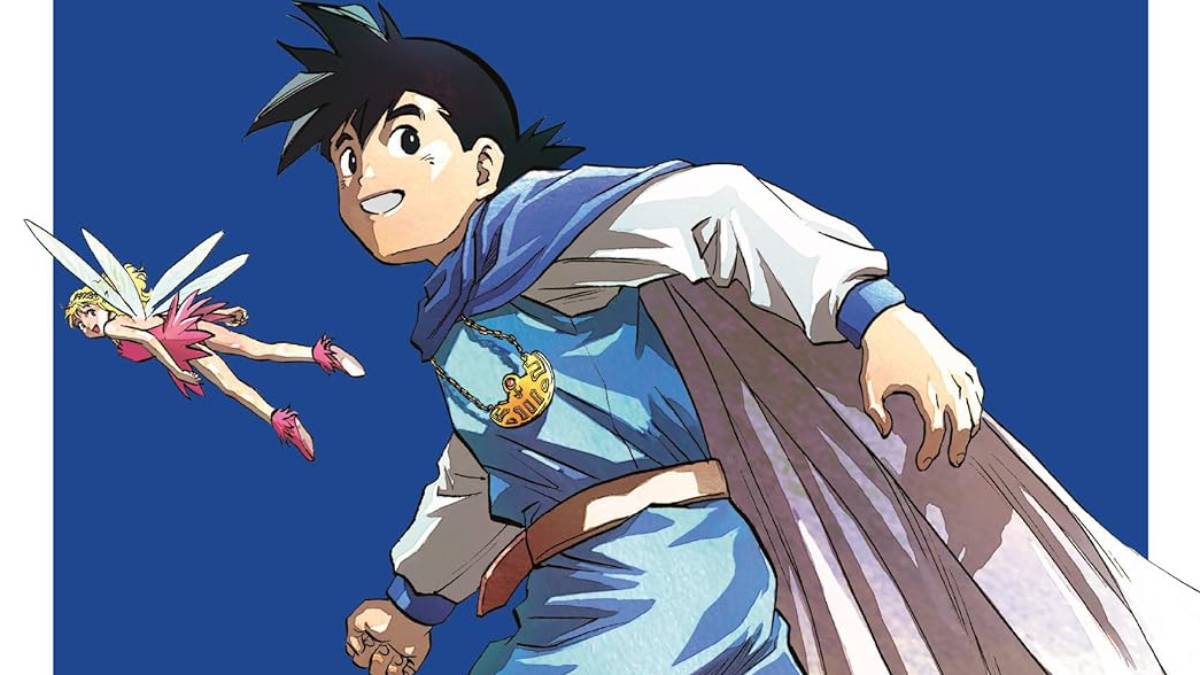
Dragon Quest: The Mark of Erdrick Manga - A Seamless Integration into the Legendary Games’ Lore
At Gaming News, we believe that the true magic of a beloved franchise lies not only in its core experiences but also in its ability to expand and enrich its universe through compelling side stories. While the landscape of manga adaptations of video game properties can be a minefield of hits and misses, Dragon Quest: The Mark of Erdrick stands as a triumphant testament to what happens when passion, respect for the source material, and exceptional storytelling converge. Unlike some previous Dragon Quest manga spin-offs that may have resonated more as standalone shonen adventures, The Mark of Erdrick achieves a remarkable feat: it feels utterly and intrinsically Dragon Quest. It doesn’t just borrow from the games; it weaves itself into the very fabric of their established lore, offering a narrative that is both fresh and deeply familiar, a perfect companion to the epic journeys players have undertaken for decades. We are thrilled to present an in-depth exploration of why this particular manga is not merely an adaptation, but a genuine extension of the Dragon Quest legacy, deserving of a place alongside the iconic games themselves.
A Rich Tapestry Woven from Familiar Threads: Connections to the Erdrick Saga
The most immediate and impactful element that cements Dragon Quest: The Mark of Erdrick as a vital piece of the franchise’s narrative tapestry is its profound connection to the foundational games of the Erdrick lineage. This magnificent series, brought to life by the artistic vision of Chiaki Kawamata and the illustrative prowess of Kamui Fujiwara, is not an abstract reimagining but a direct descendant of the early, seminal entries that defined the Dragon Quest experience for countless players. By explicitly situating its narrative 100 years after the events of Dragon Quest III, the manga taps into a wellspring of established lore and player nostalgia.
The defeat of the formidable Zoma, a monumental achievement for heroes of that era, has ushered in a period of tentative peace. The desolate landscape that once housed Baramos’ nefarious lair has blossomed into the prosperous kingdom of Carmen. This establishing setting immediately resonates with players who have navigated these very realms, creating an instant sense of belonging and recognition. Yet, this apparent tranquility is merely a fragile veneer. The enduring malevolence of the Dragonlord, a force of evil that transcends individual games, still lurks in the shadows, seeking new avenues to sow chaos and subjugation.
The manga masterfully introduces the Mark of Erdrick, a hallowed symbol of heroism and destiny, split into two distinct parts. This clever narrative device not only mirrors the iconic imagery associated with the Erdrick heroes but also sets the stage for a grand quest of reunification and destiny fulfillment. The backdrop of familiar lands, now reshaped by time and the echoes of past conflicts, provides a solid foundation. It’s built upon the very tales we hold dear, the hallmarks of these early titles that have shaped our understanding of heroism, sacrifice, and the indomitable spirit required to face insurmountable odds. This careful integration ensures that from the very first page, The Mark of Erdrick feels less like an outsider looking in and more like a forgotten chapter, waiting to be rediscovered by devoted fans.
The Dawn of a New Hero and the Resurgence of Ancient Evil
Central to the manga’s success in establishing itself within the Dragon Quest universe is the meticulous and poignant development of its protagonist, Arus. As the scion of the legendary Erdrick lineage, he is destined to be the hero of this particular saga. The very first chapter of Dragon Quest: The Mark of Erdrick is a masterclass in establishing the dual rise of both the looming Dragonlord and the nascent hero. We witness the king of Carmen, a noble ruler, fighting valiantly alongside his loyal soldiers. Among them are the steadfast Commander Bolgoy and his spirited daughter, the newly inducted knight Lunafrea. Their victory against a marauding brigand tribe is short-lived, however, as the king’s pursuit leads him to a desecrated shrine housing a peculiar idol.
This idol, it turns out, is a vessel for the Dragonlord’s dark influence, used to ensnare the true king and replace him with a cunning shapeshifter named Dersu. The Dragonlord’s ultimate objective is horrifyingly clear: to seize the newborn Arus, who already exhibits an exceptional power bestowed by the goddess, and corrupt him. The plan is to twist Arus’ destiny by bestowing upon him the fiendish name Jagan, transforming him into a pawn and a minion of the malevolent Lord Imagine. This intricate setup immediately evokes the classic Dragon Quest narrative trope of a hero’s lineage being threatened by dark forces, a theme that resonates deeply with the series’ core identity.
A Daring Escape and the Fulfilling of Prophecy
Fortunately, this sinister plot is not allowed to come to fruition unchecked. The courageous priest Tarkin, the stalwart Commander Bolgoy, and the determined Lunafrea rally against the usurpers. In a desperate act of defiance, they fight alongside the rightful Queen Rosa. In the ensuing chaos, Lunafrea and Tarkin manage to escape with the infant Arus, precariously tapping into his nascent powers to evade their pursuers. Their flight is a strategic necessity, forcing the Dragonlord and Lord Imagine to abandon their immediate plan to corrupt Arus. Instead, they turn their attention to the next potential bearer of the Mark of Erdrick: the Prince of Loran. This unfortunate prince is cursed with the name Jagan, ensuring he will fulfill the villains’ nefarious designs, a cruel twist of fate that sets the stage for future conflict and underscores the pervasive reach of evil. This element of prophecy and cursed lineage is another powerful touchstone that firmly anchors the manga within the established Dragon Quest mythology.
From Humble Beginnings to Epic Quests: The Shonen Spirit of Dragon Quest
With Arus now in hiding and his destiny irrevocably altered by the Dragonlord’s machinations, Dragon Quest: The Mark of Erdrick transitions into a narrative arc that feels intrinsically like the commencement of a classic Dragon Quest game, imbued with the energetic spirit of a compelling shonen manga. The series expertly captures that quintessential Dragon Quest feeling: a young protagonist, brimming with untapped potential and innate power, embarking on their inaugural adventure. Their quest is not just a personal journey but a grand undertaking to prove themselves, to hone their abilities, and ultimately, to fulfill their destiny by confronting the pervasive threat of Dragonlords and their ilk.
We witness Arus as a resourceful sailor kid from the Ibis Sandsea, a life that has forged his resilience and independence. Crucially, his formative years have been spent training alongside his childhood friend, Kira. This bond and shared training is a familiar and heartwarming dynamic often found in heroic narratives. The manga details the rigorous tutelage they received at Hermit’s Hideaway, guided by the wisdom of Lunafreya, Tarkin, and a sage named Tao. This period of growth and preparation is vital, showcasing the dedication and effort required to stand against the encroaching darkness.
Simultaneously, the manga charts the alarming rise of the Archfiend forces. This gradual escalation of monstrous power and malevolent influence serves as a constant reminder of the stakes involved. The execution of this narrative is remarkably effective. It allows readers to witness the unfolding possibilities, to see how disparate elements coalesce into a cohesive and compelling tapestry of impending conflict. The manga doesn’t rush this development; it allows the world to breathe, for the characters to develop, and for the threat to feel tangible. This patient approach to storytelling creates a sense of earned progression, mirroring the satisfaction players feel as they gradually overcome challenges in the games. The seeds of destiny are sown, the heroes are forged in the crucible of training and adversity, and the stage is impeccably set for a saga that feels as grand and significant as any mainline Dragon Quest title.
The Essence of a Dragon Quest Hero’s Journey
The core of what makes a Dragon Quest protagonist compelling is their journey from an ordinary, or at least unproven, individual to a legendary hero. The Mark of Erdrick embodies this perfectly. Arus, despite his noble lineage and innate power, begins his story as a young man with much to learn and much to prove. His upbringing in the Ibis Sandsea, a far cry from royal courts, imbues him with a practical, grounded perspective. His bond with Kira is not just a narrative device for companionship but a reflection of the importance of allies and camaraderie in the face of overwhelming odds, a theme that is a constant in the Dragon Quest series.
The training sequences at Hermit’s Hideaway are crucial. They illustrate that even those chosen by destiny require discipline, skill, and mentorship. The presence of Lunafreya and Tarkin, figures who directly saved Arus as an infant, adds a layer of poignant continuity. They are not just trainers; they are guardians who understand the weight of the prophecy and the potential of the boy they protect. The inclusion of Tao, a wise guru, further emphasizes the spiritual and philosophical underpinnings often present in Dragon Quest narratives, where understanding oneself and the world is as important as mastering combat.
The escalating threat of the Archfiends serves as a constant motivator. It’s not a distant, abstract evil but a tangible force that encroaches upon the world, impacting the lives of ordinary people. This mirrors the way Dragon Quest games often begin with localized problems that inevitably spiral into world-threatening crises. The manga skillfully balances the personal growth of Arus and Kira with the overarching struggle against the Dragonlord’s forces, ensuring that the narrative remains both intimate and epic in scope. This meticulous crafting of character arcs and plot progression is precisely what allows The Mark of Erdrick to feel so authentically like a part of the Dragon Quest saga.
A Deluxe Presentation: Square Enix’s Reverence for the Original Work
Beyond the narrative excellence, the very presentation of the Dragon Quest: The Mark of Erdrick manga by Square Enix is a significant factor in its success and its seamless integration into the franchise. This is not a rushed, cheaply produced adaptation; it feels like a labor of love, a deluxe release that honors the source material with a level of care and attention to detail rarely seen in video game manga. This commitment to quality significantly enhances the reader’s experience and reinforces the manga’s status as a legitimate and valuable addition to the Dragon Quest universe.
The first volume itself is a substantial tome, boasting an impressive 376 pages. This generous length allows for a comprehensive unfolding of the early story, giving ample space for character development and world-building. The sheer volume makes it feel akin to an omnibus edition, offering a rich and satisfying reading experience in a single package. This substantiality alone signals a commitment to providing a complete and immersive narrative.
A particularly striking and appreciated touch is the inclusion of numerous color pages at the outset of chapters. In manga, color pages are often reserved for pivotal moments or special features, and their generous use here elevates the visual presentation significantly. They bring the vibrant world of Dragon Quest to life with a splendor that black and white simply cannot replicate. These colorful introductions draw the reader in, immediately immersing them in the visually rich world that Dragon Quest is renowned for.
Furthermore, the inclusion of concept art pages between chapters is another brilliant element. These pages offer a fascinating glimpse into the creative process behind the manga. Seeing the early designs for characters, creatures, and environments not only showcases the artistic talent involved but also provides invaluable insight into how the creators envisioned this world and its inhabitants. This not only appeals to dedicated fans who appreciate the behind-the-scenes workings of their favorite franchises but also highlights the thoughtfulness and meticulous planning that went into adapting Dragon Quest lore. It demonstrates a genuine respect for the original games’ design philosophies and a desire to share that creative journey with the audience.
The overall impression of this release is one of profound respect for the original work. Square Enix has clearly invested in making Dragon Quest: The Mark of Erdrick a special edition, a collector’s item that fans will cherish. This dedication to high-quality production values further solidifies the manga’s place within the Dragon Quest pantheon. It signals that this is not just a throwaway tie-in but a carefully crafted narrative that deserves to be experienced in a format that befits its legendary status. The extra materials serve as a testament to the thought and passion poured into this project, making it a truly rewarding experience for any fan of the series.
An Embodiment of Dragon Quest’s Enduring Appeal
The exceptional execution of this manga release is not merely about aesthetics; it’s about understanding and amplifying what makes Dragon Quest so beloved. The inclusion of color pages and concept art isn’t just filler; it’s an extension of the game design process. In the games, vibrant colors and detailed art direction are crucial for creating the magical worlds players explore. By replicating this with high-quality printing and artistic inclusions, the manga actively engages with the visual language of the series.
This approach sets The Mark of Erdrick apart from many other video game adaptations. It avoids the pitfall of simply translating dialogue and action; instead, it seeks to capture the spirit of Dragon Quest. The extensive page count allows for character interactions and plot developments that feel earned, mirroring the gradual progression players experience as they level up, acquire new gear, and explore vast continents in the games. The concept art, in particular, serves as a bridge between the game development process and the manga’s creation, showcasing how the design sensibilities of the games are being thoughtfully translated and expanded upon. This is the hallmark of a truly successful adaptation: it not only tells a good story but also feels like an authentic extension of its parent medium.
A Foundation Built on Respect: The Mark of Erdrick’s Harmonious Place in the Lore
Ultimately, Dragon Quest: The Mark of Erdrick is a resounding success because it understands the foundational elements that make the Dragon Quest series resonate so deeply with its fanbase. It doesn’t just borrow elements; it thoughtfully integrates them, creating a new narrative that feels organically connected to the established lore. This manga is a powerful example of how spin-offs can not only entertain but also enrich the overarching mythology of a long-running franchise.
The series demonstrates a profound understanding of Dragon Quest III’s lore, using it as a springboard to shape not only the world but also the journey of its new hero. The choice to set the story a century after the events of DQIII is a stroke of genius, allowing for new conflicts and characters to emerge while still leveraging the impact of previous heroic deeds. This careful consideration of the timeline and the consequences of past events creates a sense of continuity and depth that is crucial for a series with such a rich history.
The creation of Arus, the new hero destined to bear the Mark of Erdrick, is handled with exceptional care. His origin story, his training, and the forces arrayed against him are all crafted in a way that feels authentic to the Dragon Quest ethos. We see a hero forged through perseverance and destiny, facing challenges that echo the trials of previous heroes, but with his own unique path to forge. This balance between honoring tradition and introducing novelty is key to its success.
Furthermore, the execution of the release itself, particularly the deluxe presentation with its vibrant color pages and insightful concept art, speaks volumes about Square Enix’s commitment. These elements elevate the manga beyond a simple adaptation, transforming it into a celebration of the Dragon Quest universe. It’s this combination of a compelling, lore-integrated narrative and a high-quality, respectful presentation that makes Dragon Quest: The Mark of Erdrick a truly special addition to the franchise. It feels less like a spin-off and more like a crucial, yet previously untold, chapter in the grand saga of Dragon Quest. It is, in essence, a lovely and fitting release that allows fans to experience the magic of Dragon Quest in a compelling new medium, further solidifying its legendary status.
Volume 1 of Dragon Quest: The Mark of Erdrick is currently available, with Square Enix slated to release the highly anticipated second volume on December 23, 2025, promising further adventures and deeper exploration of this captivating narrative. We at Gaming News eagerly await its arrival and highly recommend this manga to any fan seeking to immerse themselves further in the beloved world of Dragon Quest.