Don’t Starve, Sanibel, and the Unforgettable Board Games of SPIEL Essen 2025: A Deep Dive
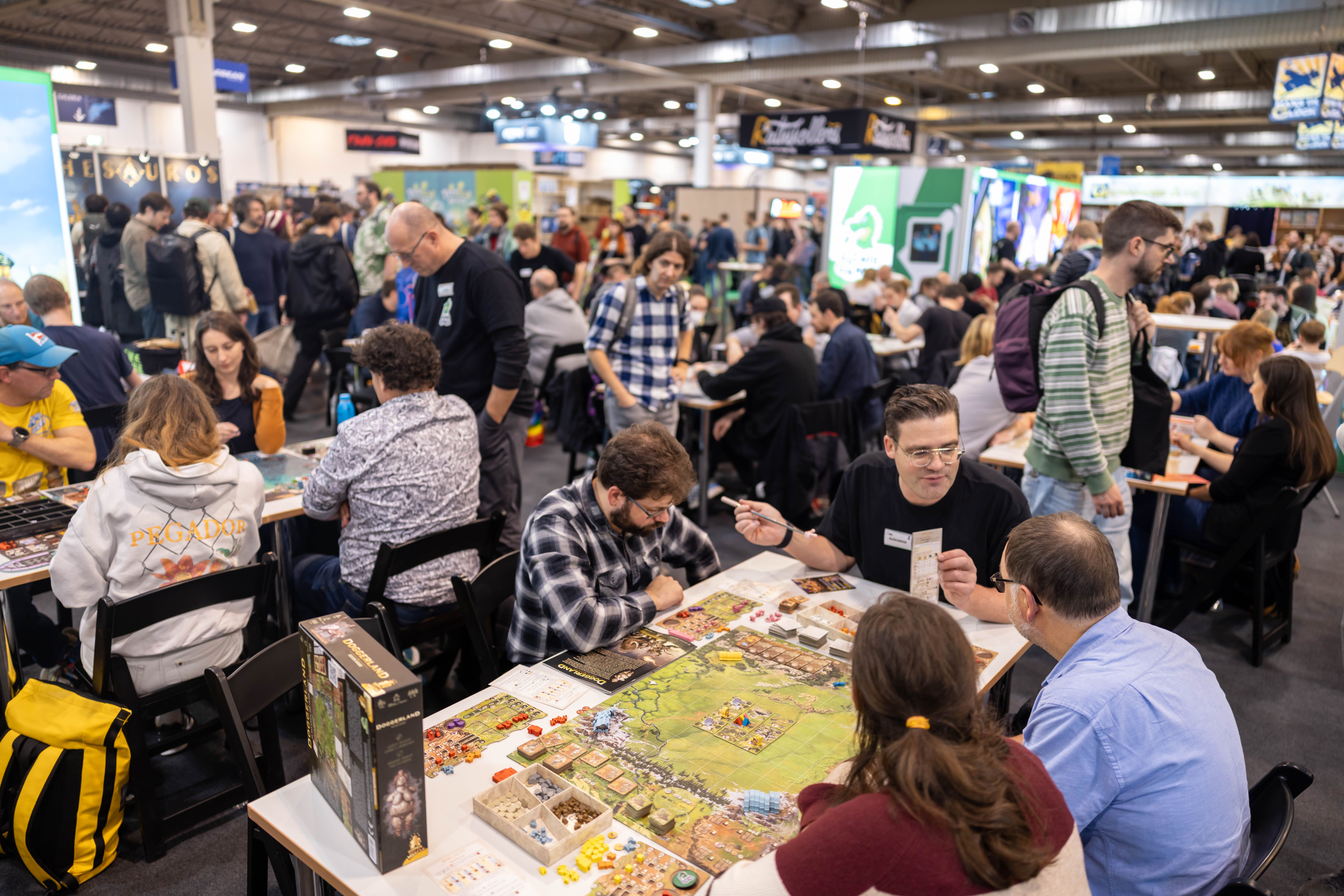
The air at Messe Essen crackles with an energy that can only be described as the beating heart of the board game world. As SPIEL Essen 2025 unfurled its expansive halls, it unveiled a treasure trove of cardboard and creativity, showcasing the latest innovations and revisited classics that will undoubtedly dominate tabletops for years to come. At Gaming News, we immersed ourselves in the vibrant chaos, playing, demoing, and discussing the most exciting releases. From the survivalist challenges of a beloved digital world to the serene exploration of a coastal ecosystem, our experience at the world’s biggest game fair has yielded a wealth of knowledge about the best board games to emerge from this monumental event. We witnessed the genius of masters like Reiner Knizia and explored new vistas designed by the minds behind Wingspan, offering a comprehensive look at what made this year’s SPIEL Essen an unparalleled success.
Navigating the Survivalist Seas: Don’t Starve’s Tabletop Debut
One of the most anticipated arrivals at SPIEL Essen 2025 was the official board game adaptation of the cult-favorite survival video game, Don’t Starve. This is not merely a reskin; the developers have masterfully translated the core tenets of resource management, exploration, and desperate survival into a compelling tabletop experience. We had the opportunity to delve deep into this cooperative survival game, and the parallels to its digital progenitor are striking, yet thoughtfully adapted for the tactile world of board games.
The Perilous Landscape of the Constant
The board itself is a modular marvel, representing the ever-changing and unforgiving landscape known as The Constant. Each game session begins with a fresh arrangement of tiles, ensuring that no two playthroughs feel the same. This procedural generation element, so crucial to the video game’s longevity, is brilliantly replicated through a clever tile-laying system. Players start with a central base camp and must venture out to explore, uncovering new biomes, encountering strange creatures, and, most importantly, gathering the essential resources needed to stave off hunger, madness, and the lurking horrors. The risk vs. reward of exploration is palpable. Do you push further into the unknown, risking an encounter with a monstrous foe, to find that crucial patch of berries or that elusive piece of flint? Or do you play it safe, meticulously gathering what you can in your immediate vicinity, potentially succumbing to the gnawing hunger? This is the constant dilemma that defines Don’t Starve: The Board Game.
Mastering the Art of Staying Alive: Mechanics and Gameplay
The core gameplay revolves around a round-based action system where players collectively manage their characters’ needs. Hunger, Sanity, and Health are the three primary meters that players must constantly monitor. Failing to eat results in starvation and eventual demise. Witnessing your Sanity meter plummet as you encounter terrifying creatures or spend too much time in darkness is a chilling experience, leading to hallucinations and detrimental effects. Combat is handled through a dice-based resolution system, where character stats, equipment, and strategic positioning play vital roles. The game introduces a deck of event cards that trigger at the start of each round, throwing unexpected challenges and opportunities at the players. These can range from sudden weather changes, like the arrival of a terrifying winter storm, to encounters with passive but potentially useful creatures.
Crafting and Ingenuity: The Heart of Survival
The crafting system is a cornerstone of the Don’t Starve board game experience. Players will spend many of their precious actions researching and constructing new items. From simple tools like axes and pickaxes, essential for gathering wood and stone, to more complex structures like fire pits for warmth and cooking, or even rudimentary weapons for defense, the ability to innovate and adapt is paramount. The game features a tiered crafting tree, requiring players to discover blueprints or experiment with combinations of resources to unlock more advanced technologies. We found that efficient collaboration in resource gathering and strategic crafting decisions were the key differentiators between survival and failure. Identifying what your team needs most – a better weapon, more food, or protection from the elements – and prioritizing its creation is a constant puzzle.
Thematic Immersion and Cooperative Challenges
The art style is a faithful recreation of the game’s distinctive, hand-drawn aesthetic, further enhancing the thematic immersion. The component quality is superb, with detailed miniatures for the characters and various creatures, as well as high-quality cards and tokens. The cooperative nature of Don’t Starve means that players must work together, sharing resources, coordinating actions, and devising strategies to overcome the overwhelming odds. Miscommunication or individualistic play can quickly lead to disaster. This shared struggle for survival creates a uniquely engaging and often nail-biting experience that is sure to resonate with fans of the original video game and newcomers alike. The replayability is immense, thanks to the modular board, varied event cards, and the sheer number of items that can be crafted and discovered.
Sanibel: A Tranquil Ecosystem Brought to Life
Moving from the stark survival of Don’t Starve, we found ourselves captivated by the serene beauty and intricate mechanics of Sanibel. This environmental strategy game invites players to explore and preserve the delicate ecosystem of a fictional coastal island, acting as stewards tasked with restoring its natural balance. The contrast with the previous title could not be starker, offering a different kind of engaging challenge that emphasizes strategic planning and ecological awareness.
The Island’s Delicate Balance: Objectives and Strategy
In Sanibel, players take on the roles of conservationists working to heal the island. The primary objective is to restore the island’s biodiversity by reintroducing native flora and fauna, cleaning up pollution, and creating habitats that support a thriving ecosystem. The game board depicts various zones of the island, each with its own unique characteristics and vulnerabilities. Players achieve victory points by successfully completing conservation projects, establishing symbiotic relationships between different species, and mitigating environmental threats. The game cleverly simulates the interconnectedness of an ecosystem, where the actions taken in one area can have ripple effects throughout the entire island.
Resource Management and Action Selection: A Mindful Approach
The gameplay mechanics are elegantly designed to reflect the theme of environmental stewardship. Players manage a limited pool of action points each turn, deciding how best to allocate them to achieve their conservation goals. This might involve:
- Planting native vegetation: This provides habitats and food sources for animals.
- Releasing wildlife: Carefully reintroducing species into suitable environments.
- Cleaning pollution: Removing negative tokens that hinder ecological growth.
- Researching new conservation techniques: Unlocking more efficient and impactful actions.
- Building infrastructure: Such as boardwalks or research stations that aid in conservation efforts.
The game uses a card-driven system for many actions and events, adding an element of surprise and strategic depth. Players must carefully consider the timing of their actions, as certain events, like seasonal changes or the arrival of invasive species, can significantly alter the state of the island. The strategic depth lies in optimizing your actions to create a positive feedback loop, where successful conservation efforts yield resources and opportunities for further advancement.
Biodiversity and Symbiosis: The Heart of the Ecosystem
A truly innovative aspect of Sanibel is its portrayal of biodiversity. Each species of plant and animal has specific needs and contributes to the ecosystem in unique ways. Players are encouraged to create symbiotic relationships, where the presence of one species benefits another. For example, certain plants might attract specific pollinators, or a particular predator might help control an overpopulation of prey species. Successfully fostering these relationships is crucial for maximizing victory points and creating a resilient ecosystem. The game rewards players for understanding and nurturing these ecological interactions, making it not just a game of points, but a game of understanding natural systems.
Thematic Resonance and Component Excellence
The artwork in Sanibel is breathtaking, depicting lush flora, vibrant fauna, and the tranquil beauty of the coastal environment. The components are of high quality, with beautifully illustrated cards, wooden tokens representing various resources and species, and a well-designed game board that immerses players in the island’s setting. The game’s theme is exceptionally well-integrated, providing a sense of purpose and accomplishment as players witness the island transform from a state of disrepair to a flourishing natural haven. It’s a thought-provoking and rewarding experience that appeals to both seasoned gamers and those looking for a more contemplative and thematically rich gameplay experience. Sanibel stands out as a shining example of how board games can educate and inspire, all while providing engaging and strategic fun.
A Pantheon of Creators: Reiner Knizia and Beyond
SPIEL Essen 2025 wasn’t just about individual games; it was a celebration of the innovators and designers who breathe life into the hobby. The presence of renowned game designers, including the legendary Reiner Knizia, and the minds behind beloved hits like Wingspan, generated immense excitement. Their contributions to the fair showcased a diverse range of styles and mechanics, solidifying their reputations as masters of the craft.
Reiner Knizia’s Enduring Legacy: New Challenges and Familiar Brilliance
The prolific Reiner Knizia, a name synonymous with elegant game design and elegant solutions to complex problems, once again graced SPIEL Essen with his creations. We had the distinct pleasure of experiencing several of his latest offerings, each bearing his unmistakable hallmark of accessible yet deeply strategic gameplay. One particular title that captured our attention was a clever set-collection game that, while deceptively simple on the surface, revealed layers of tactical decision-making upon deeper play. Players are tasked with collecting specific combinations of resources, but the scoring mechanism is ingeniously tied to a dynamic market that shifts with every player’s move. This creates a constant tension between fulfilling your immediate needs and anticipating your opponents’ strategies.
Another of Knizia’s releases presented a brilliant abstract strategy game with a minimalist aesthetic. The rules were easy to grasp, but mastering the spatial reasoning and long-term planning required to win proved to be a significant challenge. The game leveraged area control and tactical placement in a way that felt both fresh and familiar, a testament to Knizia’s ability to innovate within established frameworks. His games consistently deliver on the promise of “easy to learn, difficult to master,” making them perfect for introducing new players to the hobby while still offering ample depth for seasoned veterans. The demand for his latest works was exceptionally high, with demo tables constantly filled and pre-order lines stretching across the convention floor.
The Architects of Wingspan: Continuing Their Innovation
The team behind the wildly successful Wingspan also made a significant splash at SPIEL Essen 2025. While they didn’t necessarily unveil a direct sequel to their avian masterpiece, their new ventures showcased a continued commitment to beautiful artwork, engaging themes, and refined mechanics. We explored a beautifully illustrated engine-building game that focused on the intricate processes of artisanal craftsmanship. Players would collect resources, invest in workshops, and train apprentices to produce increasingly valuable goods. The synergy between different components of the engine was key, encouraging players to carefully plan their production chains to maximize efficiency and profit.
Another title from this design collective offered a unique civilization-building experience with a focus on historical accuracy and emergent storytelling. This was not a game of conquest and warfare, but rather one that emphasized cultural development, technological advancement, and the impact of societal decisions on the long-term trajectory of a civilization. The game featured a robust technology tree, branching narrative events, and a clever mechanism for managing population growth and happiness. The narrative elements were particularly compelling, drawing players into the unfolding history of their chosen civilization. The attention to detail in both the mechanics and the thematic presentation was, as expected from this team, exceptional.
Emerging Talents and Diverse Innovations
Beyond the established titans, SPIEL Essen 2025 was a fertile ground for emerging design talents and a showcase for an incredible diversity of game types. We encountered everything from intricate legacy games that evolve over multiple play sessions, permanently altering the game board and components, to lighthearted party games designed for quick laughs and social interaction. There were innovative deck-building games with novel twists on resource acquisition and card play, deduction games that tested players’ powers of observation and logical reasoning, and resource management games that offered complex economic simulations.
The sheer breadth of creativity on display was astounding. We saw games that tackled niche historical periods, explored fantastical realms, and even delved into the abstract. The independent publisher pavilion was a particular hub of innovation, featuring numerous smaller studios bringing their unique visions to life. These games, often born from passion projects, offered fresh perspectives and mechanics that challenged the conventions of the industry. Attending SPIEL Essen 2025 was not just about acquiring new games; it was about witnessing the unfettered imagination and dedication that drives the modern board game renaissance. The spirit of innovation was palpable, promising an exciting future for tabletop gaming.
Conclusion: A Year of Unforgettable Board Game Experiences
As the final echoes of SPIEL Essen 2025 fade, the memories of the incredible board games we encountered linger. From the desperate struggle for survival in Don’t Starve to the tranquil restoration of Sanibel, and the ingenious creations of masters like Reiner Knizia and the minds behind Wingspan, this year’s convention proved to be an unparalleled celebration of tabletop gaming. Gaming News is thrilled to bring you these in-depth insights, highlighting the best new board games that are set to redefine our gaming nights. The world’s biggest game fair continues to be the ultimate proving ground for innovation, creativity, and pure, unadulterated fun. We encourage all board game enthusiasts to explore these titles and join us in anticipating the next wave of tabletop adventures. The future of board gaming is bright, and SPIEL Essen 2025 has undoubtedly set a new benchmark for excellence.