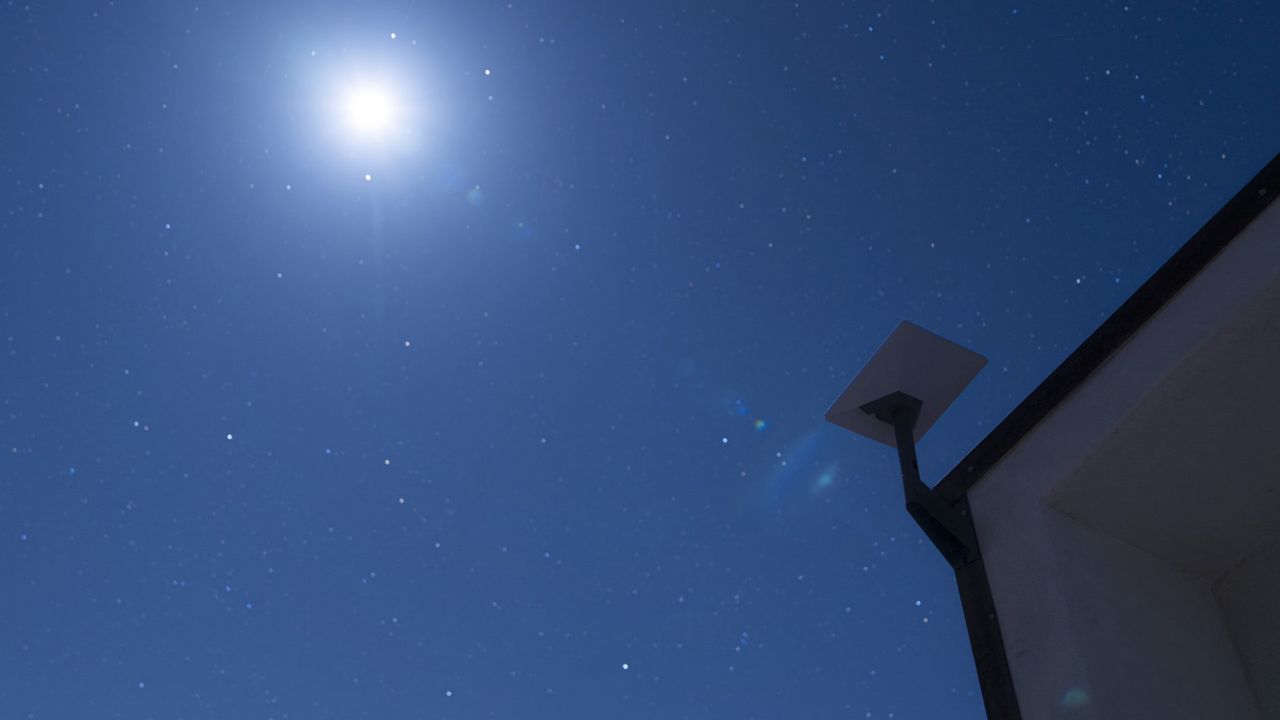
Don’t Look Up in Awe: The Silent Descent of Starlink Satellites
For many, a streak of light across the night sky evokes wonder – a fleeting shooting star, a cosmic spectacle. However, as our celestial canvas becomes increasingly populated by human endeavor, a new phenomenon is emerging, one that demands a shift in perception. The dazzling streaks we are witnessing are not always celestial visitors from distant galaxies, but increasingly, they are Starlink satellites, on their inevitable and often fiery return to Earth. This is not a cause for alarm in the traditional sense, but rather a significant development in our understanding of space debris and the lifecycle of orbital infrastructure. At Gaming News, we believe it is crucial for our readers to be informed about the evolving landscape of our upper atmosphere and the implications of this technological progress. The rate at which these satellites are returning to Earth is accelerating, with several per day now making their fiery descent.
The Spectacle in the Sky: Understanding the Phenomenon
The sight of a Starlink satellite re-entering the atmosphere is a visually striking event. As these spacecraft, designed to provide global internet coverage, complete their operational lifespans or encounter technical issues, they are deliberately de-orbited. This controlled descent is designed to minimize the risk of uncontrolled collisions with active satellites or orbital debris. The process involves a series of orbital maneuvers that gradually lower the satellite’s trajectory. As it plummets through the increasingly dense layers of Earth’s atmosphere, friction causes it to heat up dramatically. This intense heat leads to the disintegration of the satellite, creating the brilliant, fleeting trail of light often mistaken for a meteor.
Why Are They Coming Down? The Lifecycle of a Starlink Satellite
SpaceX’s Starlink constellation is a ambitious project aiming to blanket the globe with high-speed internet. This involves the deployment of thousands of small satellites into low Earth orbit (LEO). While many of these satellites are designed for long operational lives, they are not eternal. Several factors contribute to their eventual de-orbiting and atmospheric re-entry:
- Planned De-orbiting: The vast majority of Starlink satellites are designed with a finite lifespan. Once their operational utility diminishes or reaches a predetermined point, they are programmed to perform a de-orbit burn. This is a crucial step in responsible space stewardship, ensuring that defunct satellites do not become permanent space junk. The de-orbit process is a carefully calculated maneuver, guiding the satellite towards a specific point in the atmosphere where it will burn up.
- End of Mission: Similar to planned de-orbiting, satellites that have completed their primary mission objectives are also brought down. This could be due to the introduction of newer, more advanced models or the achievement of specific orbital parameters.
- Technical Malfunctions: Despite rigorous testing and design, technological failures can occur. A Starlink satellite might experience an onboard system failure, a propulsion issue, or a communication breakdown that renders it unusable. In such cases, and where feasible, operators will attempt to de-orbit the satellite to prevent it from becoming a rogue object in orbit.
- Orbital Decay: Even without active propulsion, satellites in LEO are subject to atmospheric drag. While LEO is considered “low,” there is still a tenuous atmosphere present. This drag, though minimal, can cause a satellite’s orbit to gradually decay over time, eventually leading to atmospheric re-entry.
The Accelerated Rate: A Growing Trend
The statement that several per day are burning up is not an exaggeration; it reflects the sheer scale of the Starlink constellation and the planned obsolescence inherent in such rapidly evolving technological projects. As SpaceX continues to launch new generations of Starlink satellites, older models are systematically retired. This continuous cycle of deployment and de-orbiting naturally leads to an increase in the number of satellites re-entering the atmosphere. Each launch adds to the operational fleet, and each operational satellite has a predetermined end-of-life plan. Consequently, the rate of re-entries is directly proportional to the size and operational turnover of the constellation.
Beyond the Meteor: The Scientific and Environmental Implications
While the visual spectacle of a burning satellite is impressive, the implications extend far beyond aesthetics. The increasing frequency of these re-entries raises important questions about the scientific and environmental impact of large satellite constellations.
Atmospheric Chemistry and the Introduction of New Elements
When a satellite burns up in the atmosphere, it doesn’t simply vanish. The intense heat vaporizes the materials composing the satellite, releasing them into the upper atmosphere. These materials include a complex mix of metals, plastics, and other compounds that were integral to the satellite’s construction. While the exact chemical composition of each satellite varies, common components include aluminum, titanium, and various electronic components.
The re-entry process can introduce trace amounts of these elements into the mesosphere and thermosphere – regions of the atmosphere previously less affected by such direct terrestrial pollution. Scientists are actively studying the potential long-term effects of this. Concerns include:
- Altering Atmospheric Composition: The introduction of metallic particles and other byproducts could potentially alter the chemical composition of these upper atmospheric layers. This could have subtle, yet measurable, impacts on atmospheric chemistry and dynamics.
- Impact on Noctilucent Clouds: These beautiful, silvery clouds that form at the edge of space are thought to be sensitive to atmospheric particles. The increased influx of satellite debris could potentially influence their formation, brightness, and frequency.
- Ozone Layer Interactions: While the primary concern is with the upper atmosphere, there are ongoing discussions and research into any potential, albeit indirect, interactions with lower atmospheric layers, including the ozone layer.
Space Debris Mitigation and the “Controlled Burn” Strategy
The deliberate de-orbiting of satellites like Starlink is a critical component of modern space debris mitigation strategies. Space debris, consisting of defunct satellites, rocket stages, and fragments from collisions, poses a significant threat to active spacecraft and future space missions. The Kessler Syndrome, a hypothetical scenario where the density of orbital debris becomes so high that collisions create a cascade of further debris, is a serious concern.
Space agencies and private operators are increasingly prioritizing responsible end-of-life management for satellites. The “controlled burn” strategy, where satellites are guided into the atmosphere to disintegrate, is a preferred method for LEO constellations. This contrasts with older satellites that would simply remain in orbit indefinitely or de-orbit unpredictably.
However, even controlled re-entries are not entirely without risk. While the vast majority of satellite material burns up during re-entry, small fragments can survive and reach the ground. These are typically not large enough to cause significant damage, but the statistical probability of an object striking a populated area, while exceedingly low, is not zero. SpaceX, like other operators, invests heavily in trajectory analysis and de-orbit planning to ensure these re-entries occur over unpopulated areas, such as oceanic regions.
The Scale of the Starlink Constellation: A Technological Marvel and a Growing Presence
To truly understand why we are witnessing more Starlink satellites burning up, one must appreciate the sheer scale of the Starlink project. SpaceX has ambitious plans to deploy tens of thousands of satellites to create a robust, global internet network. This makes Starlink one of the largest satellite constellations ever conceived.
Deployment Numbers and Future Projections
As of recent reports, SpaceX has already launched and deployed thousands of Starlink satellites. The company has regulatory approval for a significantly larger number, and the pace of launches is remarkable. Each launch event typically deploys dozens of new satellites. This continuous influx of new spacecraft naturally leads to a proportional increase in the number of satellites reaching their end-of-life and undergoing de-orbiting procedures.
The operational lifespan of a Starlink satellite is generally estimated to be around five to seven years. This means that as older batches of satellites reach this age, they will begin to be systematically retired and de-orbited. Coupled with any satellites that experience early failures, this creates a consistent and indeed growing stream of re-entries.
Technological Advancements and Satellite Design
Modern satellite design incorporates features specifically aimed at facilitating controlled de-orbiting. These include:
- Propulsion Systems: Starlink satellites are equipped with onboard propulsion systems that allow for orbital maneuvering, including the crucial de-orbit burn. This enables operators to precisely control the satellite’s trajectory.
- Mission Planning Software: Sophisticated software is used to plan the end-of-life trajectory, taking into account atmospheric conditions, orbital mechanics, and designated re-entry zones.
- Material Science: While not all materials are designed to disintegrate completely, there is an ongoing effort in the aerospace industry to develop materials that are more prone to breaking down into smaller, less harmful particles during atmospheric re-entry.
Navigating the Future: Responsible Space Operations and Public Awareness
The increasing visibility of Starlink satellite re-entries serves as a powerful reminder of our expanding presence in space and the evolving responsibilities that come with it. At Gaming News, we believe that informed engagement with these developments is crucial for fostering a sustainable future in space.
The Role of Regulation and International Cooperation
The sheer number of satellites being launched by various entities necessitates robust regulatory frameworks and international cooperation. Organizations like the International Telecommunication Union (ITU) and the United Nations Office for Outer Space Affairs (UNOOSA) play vital roles in establishing guidelines and promoting best practices for space activities.
Key areas of focus include:
- Orbital Slot Management: Ensuring that satellites are placed in orbits that minimize the risk of collisions with existing or future spacecraft.
- Debris Mitigation Guidelines: Establishing and enforcing standards for the design, operation, and end-of-life disposal of satellites.
- Transparency and Data Sharing: Encouraging operators to share information about their satellite deployments and orbital operations to enhance situational awareness for all space actors.
The Public’s Role in Understanding and Observing
For the general public, the most immediate interaction with these celestial events is through observation. While the initial reaction might be to marvel at what appears to be a shooting star, it is important to develop an awareness of the increasing likelihood that it is a man-made object.
- Educational Resources: Reliable sources of information, such as those provided by space agencies and reputable astronomy organizations, can help the public distinguish between natural celestial phenomena and artificial satellite re-entries.
- Reporting Anomalies: If individuals observe unusual aerial phenomena that they believe might be related to satellite re-entries, reporting these observations to relevant authorities or research groups can contribute valuable data.
- Appreciating the Innovation: While discussing the practicalities and implications, it’s also important to acknowledge the technological marvel that is the Starlink constellation and its potential to bridge the digital divide for many around the world.
The sight of a Starlink satellite burning up in our atmosphere is a testament to human ingenuity and our relentless pursuit of technological advancement. However, it also signifies a growing responsibility to manage our activities in space with foresight and care. As the number of these re-entries continues to increase, understanding their cause, implications, and the ongoing efforts to ensure responsible space operations becomes ever more critical. The night sky is changing, and with it, our perspective on humanity’s place among the stars.