ZA/UM Forms Historic UK Videogame Union: A New Era for Developer Rights
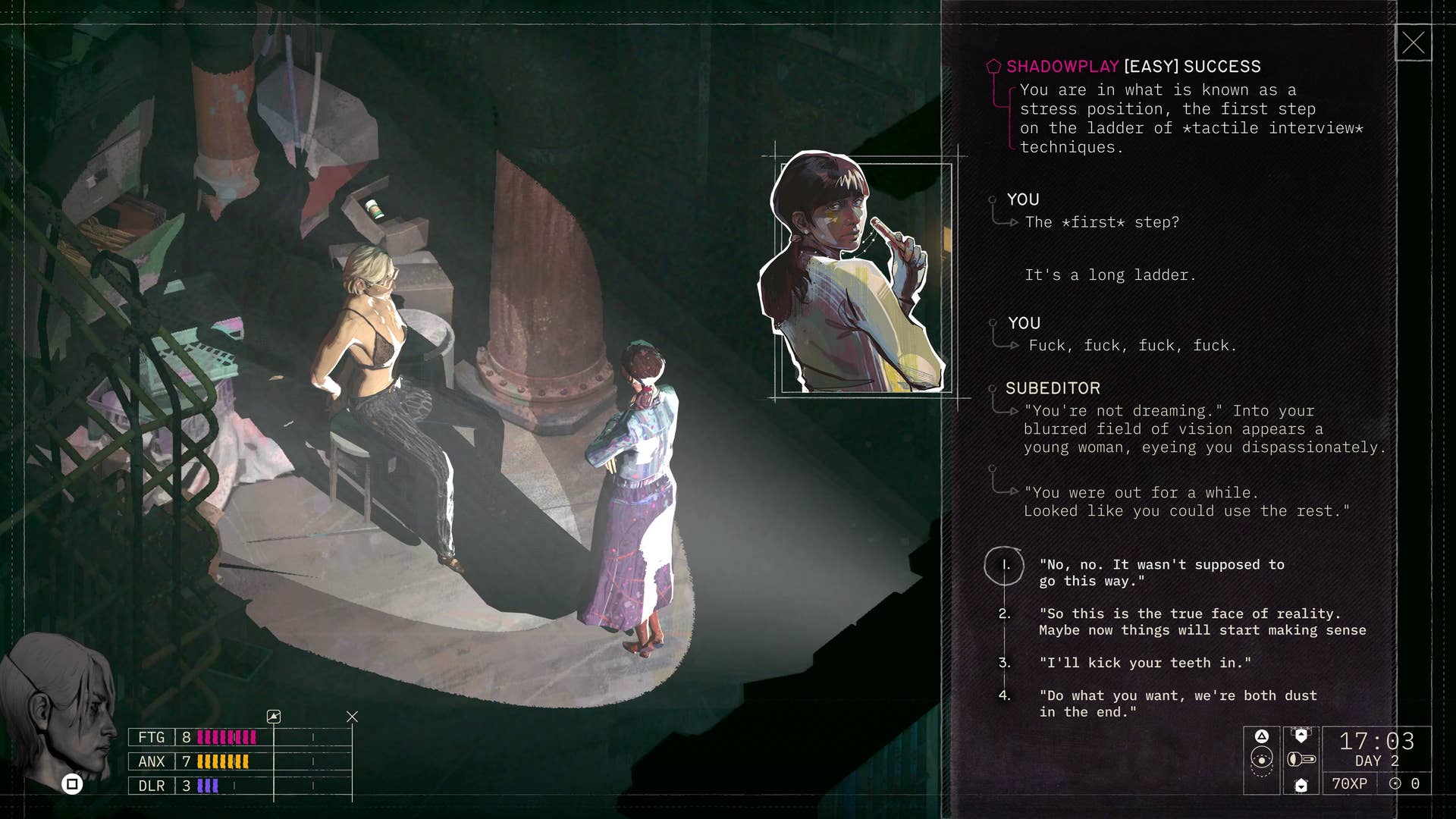
The landscape of the UK videogame industry has been irrevocably altered with the groundbreaking formation of a workplace union by the developers of the critically acclaimed Disco Elysium studio, ZA/UM. This significant development marks the first recognised videogame workplace union in the United Kingdom, operating under the umbrella of the Independent Workers Union of Great Britain (IWGB). This pivotal moment arrives amidst a complex and often tumultuous period for ZA/UM, a studio that, despite its artistic triumphs, has found itself entangled in controversies including alleged toxic layoffs, accusations of fraud, and internal diasporic feuding. The establishment of this union is a powerful statement from developers, signaling a determined effort to secure better working conditions, fair compensation, and a more equitable future for those who craft the interactive experiences that captivate millions worldwide.
Pioneering Worker Representation in the UK Games Sector
The founding of the ZA/UM branch of the IWGB represents a watershed moment, not just for the studio itself but for the entire UK games development community. For years, concerns regarding long working hours, precarious employment, crunch culture, and the potential for exploitation have simmered beneath the surface of an industry known for its passionate creators and demanding pace. While individual studios might have implemented internal policies, the absence of a collective bargaining unit has historically left developers with limited recourse in addressing systemic issues. The ZA/UM union’s establishment provides a formalized framework for employee representation, empowering developers to collectively negotiate terms and conditions, advocate for improved benefits, and ensure greater transparency in studio operations. This move is anticipated to set a precedent, potentially inspiring similar organizing efforts across other UK-based game studios and fostering a broader conversation about worker rights and industrial relations within the sector. The IWGB, known for its work with precarious and marginalized workers, offers a robust platform for the ZA/UM union to leverage its expertise and resources in advocating for its members.
The Genesis of the ZA/UM Union: A Response to Industry Challenges
The decision to form a union did not arise in a vacuum. It is deeply rooted in the experiences and aspirations of the developers themselves, many of whom have witnessed or directly experienced the challenging realities of working in the high-pressure games industry. The meteoric rise of ZA/UM following the phenomenal success of Disco Elysium brought with it both immense opportunity and intense scrutiny. While the creative vision and artistic merit of the game garnered widespread acclaim, the studio has also faced significant public discussion regarding its internal dynamics and employment practices. The union’s formation can be seen as a direct response to these developments, a proactive measure to safeguard the well-being and professional interests of the workforce. Developers have spoken about the need for a stronger collective voice to address issues such as the ethical implications of development cycles, the impact of financial pressures on creative freedom, and the fundamental right to dignified employment. The union aims to be a stabilizing force, promoting a more sustainable and ethical approach to game development, ensuring that the creators are as valued as the creations.
Addressing Concerns Around Toxic Layoffs and Employment Instability
One of the most pressing issues that likely fueled the unionization effort are the reports and allegations surrounding toxic layoffs and employment instability within ZA/UM and the broader games industry. The Disco Elysium developers have been vocal, both publicly and internally, about their experiences, and the formation of a union provides a crucial avenue for collective action to prevent such occurrences in the future. By becoming part of the IWGB, ZA/UM developers gain access to established legal expertise, negotiation strategies, and a network of support that can be instrumental in challenging unfair dismissal practices, advocating for fair severance packages, and ensuring due process in employment termination. The union seeks to foster a culture of job security and predictability, allowing developers to focus on their craft without the constant fear of arbitrary dismissals or unstable employment contracts. This move signifies a commitment to creating a more secure and respectful work environment where the contributions of every team member are recognized and protected.
Combating Allegations of Fraud and Promoting Financial Transparency
The allegations of fraud that have surfaced in relation to ZA/UM have undoubtedly cast a long shadow and contributed to an environment of unease. The establishment of a recognized trade union offers a powerful mechanism for increased accountability and transparency in financial matters. Unions can play a vital role in ensuring that studio finances are managed ethically and that employees are not adversely affected by mismanagement or fraudulent activities. By having a collective voice and formal representation, developers can more effectively scrutinize financial decisions, demand clarity on revenue distribution, and advocate for fair compensation that reflects the studio’s profitability. The union’s presence can act as a deterrent against unethical financial practices and provide a platform for whistleblowers to come forward with greater protection. This focus on financial integrity is crucial for building trust and fostering a healthy, sustainable working relationship between employers and employees.
Navigating Diasporic Feuding and Fostering Internal Harmony
The diasporic feuding that has reportedly plagued ZA/UM adds another layer of complexity to the studio’s internal dynamics. The formation of a union, operating under a neutral and established organization like the IWGB, can serve as a bridge to foster greater understanding and collaboration among a diverse workforce. By providing a structured forum for dialogue and problem-solving, the union can help to mediate disputes, promote inclusive workplace practices, and ensure that all voices are heard and respected, regardless of their background or origin. The emphasis on collective action and shared goals can help to transcend individualistic or factional divisions, uniting developers under a common banner of worker solidarity. This focus on internal harmony is not only essential for employee morale but also for the overall productivity and creative output of the studio. A united workforce is a stronger workforce, better equipped to overcome challenges and achieve shared success.
The Role of the Independent Workers Union of Great Britain (IWGB)
The Independent Workers Union of Great Britain (IWGB) plays a pivotal role in this historic development. As a union known for its commitment to organizing precarious, low-paid, and marginalized workers, the IWGB brings invaluable experience and a proven track record of success to the ZA/UM developers. Their expertise in collective bargaining, legal advocacy, and organizing campaigns provides the union with a strong foundation to effectively represent the interests of its members. The IWGB’s independent nature ensures that the union’s primary focus remains on the rights and welfare of its members, free from the potential conflicts of interest that might arise with larger, more established unions that represent a wider range of industries. This partnership signifies a strategic choice by the ZA/UM developers to align with an organization that understands the unique challenges faced by workers in rapidly evolving and often volatile sectors like the video game industry.
Empowering Developers Through Collective Bargaining and Advocacy
The core function of the ZA/UM union, supported by the IWGB, will be to engage in collective bargaining. This means that instead of individual employees negotiating their terms and conditions, the union will represent the collective workforce in discussions with studio management. This amplifies the bargaining power of the developers significantly. Issues that can be addressed through collective bargaining include salary negotiations, benefits packages (such as health insurance, paid time off, and retirement plans), working hours and overtime policies, health and safety standards, and procedures for promotions and career development. The union will also serve as a crucial advocacy body, speaking on behalf of its members to ensure that studio policies are fair, equitable, and compliant with employment law. This includes actively campaigning for improvements in areas like work-life balance, mental health support, and diversity and inclusion initiatives.
Improving Working Conditions and Combating “Crunch Culture”
The pervasive issue of “crunch culture” – the practice of demanding extended working hours, often unpaid, in the lead-up to game releases – has long been a blight on the games industry. The formation of the ZA/UM union provides a direct mechanism to challenge and ultimately eradicate this harmful practice. Through collective bargaining, the union can negotiate for realistic project deadlines, adequate staffing levels, fair compensation for overtime, and mandatory rest periods. The goal is to foster a sustainable development environment where creativity can flourish without sacrificing the health and well-being of the developers. Improved working conditions also extend to the physical and psychological safety of the workplace, ensuring that studios provide adequate resources for stress management, prevent harassment, and create an inclusive and supportive atmosphere for all employees.
Enhancing Job Security and Fair Severance Practices
In an industry often characterized by project-based employment and the cyclical nature of development, job security can be a significant concern for developers. The ZA/UM union aims to enhance this by advocating for clearer employment contracts, fair dismissal procedures, and robust severance packages for those whose roles may be made redundant. This provides employees with a greater sense of stability and financial protection, reducing the anxiety associated with potential job loss. The union can also negotiate for retraining opportunities and support for career transitions for those who are affected by studio restructuring or project cancellations. This commitment to fairness and dignity in employment is a cornerstone of the union’s mission.
Promoting Diversity, Equity, and Inclusion (DEI)
The UK videogame industry, like many in the tech sector, has faced scrutiny regarding its diversity, equity, and inclusion (DEI). The formation of the ZA/UM union presents a powerful opportunity to actively promote and embed DEI principles within the studio’s operations. Through collective bargaining, the union can advocate for equitable hiring practices, fair pay scales that address gender and racial pay gaps, inclusive recruitment strategies, and training programs that foster an anti-discriminatory environment. The union can also establish mechanisms for reporting and addressing discrimination and harassment, ensuring that all employees feel safe, respected, and valued. This commitment to DEI is not only ethically imperative but also crucial for fostering a more innovative and representative industry that reflects the diverse audience it serves.
The Broader Implications for the UK Videogame Industry
The establishment of the first recognised videogame workplace union in the UK by ZA/UM developers is far more than an internal studio matter; it carries profound implications for the entire UK videogame industry. This historic move is expected to act as a powerful catalyst, inspiring similar organizing efforts at other game studios across the nation. The success of the ZA/UM union in achieving concrete improvements in working conditions, compensation, and employee rights will serve as a compelling testament to the efficacy of collective action. This could lead to a significant shift in the power dynamic between employers and employees, fostering a more balanced and equitable industry where the contributions of developers are consistently recognized and rewarded.
Setting a Precedent and Inspiring Future Unionization Efforts
As ZA/UM leads the charge, its actions are likely to embolden developers at other UK game studios who may have previously felt hesitant or lacked the collective will to organize. The public acknowledgment of the union’s formation, and its affiliation with the reputable IWGB, provides a blueprint and a source of inspiration. Developers across the country will be watching closely, observing the union’s progress and potentially drawing strength from its successes. This could initiate a domino effect, leading to a widespread increase in union membership and activity within the sector. The narrative is shifting from individual discontent to collective empowerment, signaling a potential paradigm shift in how developer rights are perceived and protected within the industry.
Driving Industry-Wide Improvements in Labor Practices
The long-term impact of this development could be the systemic improvement of labor practices across the UK videogame industry. As more studios face the prospect of unionization, there may be increased pressure on employers to proactively address worker concerns and adopt more progressive employment policies to preempt union drives. This could lead to a broader adoption of best practices regarding fair wages, reasonable working hours, robust benefits, and a commitment to employee well-being. The unionization of ZA/UM developers is not just about securing better conditions for its members; it’s about contributing to the creation of a more ethical, sustainable, and attractive industry for future generations of game developers. This proactive approach fosters a healthier ecosystem where creativity and worker welfare are not mutually exclusive but rather complementary forces driving innovation and success.
Enhancing the Reputation and Sustainability of the UK Games Sector
A fairer and more equitable industry is ultimately a stronger and more sustainable industry. By prioritizing the well-being of its workforce, the UK videogame industry can enhance its global reputation as a responsible and desirable place to work. This can attract and retain top talent, foster greater innovation, and ultimately lead to the creation of even more exceptional games. The move towards greater worker empowerment signals a maturity within the sector, acknowledging that the dedication and talent of its people are its most valuable assets. This proactive approach to worker rights can also be a significant factor in attracting investment and fostering long-term growth. The ZA/UM union’s pioneering effort is a crucial step in building an industry that is not only artistically brilliant but also ethically sound and economically robust.
Conclusion: A New Dawn for Game Developers
The formation of the ZA/UM workplace union under the banner of the IWGB marks a historic turning point for the UK videogame industry. It represents a powerful assertion of developer rights and a collective commitment to shaping a more equitable, respectful, and sustainable future for the sector. Despite the studio’s recent controversies, this proactive step towards organized labor signifies a determination to learn from past challenges and build a stronger foundation for the future. As this first recognised videogame workplace union embarks on its journey, its success will undoubtedly inspire a wave of change, fostering a more just and prosperous environment for the talented individuals who bring our favorite interactive worlds to life. This is a new dawn for game developers in the UK, a testament to the enduring power of collective action in pursuit of fundamental worker dignity and fair treatment.